


Sapa Travel Tips
Everything You Should Know Before Visiting Sapa
- Home /
- Blog /
- Vietnam Travel Guide /
- Sapa, Vietnam /
- Sapa Travel Tips
Planning a trip to Northern Vietnam? These Sapa Travel Tips will help you prepare for an unforgettable adventure in one of Vietnam's most spectacular mountain destinations. From choosing the best time to visit Sapa, understanding the local weather, planning transportation, packing wisely, and discovering the best trekking routes, this guide covers everything you need to know before you go.
As one of the most popular destinations on many North Vietnam Tours, Sapa is famous for its breathtaking rice terraces, colorful ethnic minority villages, majestic mountain scenery, and rich cultural heritage. Whether you're hiking through Muong Hoa Valley, conquering Fansipan Mountain, or staying in a traditional homestay, good preparation will help you enjoy a smoother, safer, and more rewarding journey.
First time visitors are often surprised by Sapa's rapidly changing mountain weather, the variety of travel options from Hanoi, and the wide range of accommodation available, from budget hostels and charming homestays to luxury mountain resorts. Understanding these local details in advance can help you avoid common travel mistakes and make the most of your time in this beautiful region.
In this complete Sapa Travel Guide, Asia Eyes Travel shares expert local advice, practical travel tips, and insider recommendations based on years of experience organizing customized Sapa Tours and North Vietnam Tour Packages. Whether you're planning a short getaway or a longer Vietnam holiday, these travel tips will help you experience the very best of Sapa with confidence.
Choosing the right season can make a big difference to your Sapa experience. While the region welcomes visitors throughout the year, March to May and September to November generally offer the most comfortable weather for trekking, sightseeing, and enjoying panoramic mountain views. If you're hoping to see the famous golden rice terraces, plan your trip between late August and early October. Summer brings lush green landscapes, while winter offers a quieter atmosphere with misty mountain scenery and crisp temperatures. Choosing the right season allows you to enjoy the experiences that make Sapa one of Vietnam's most memorable mountain destinations.
A little preparation can make your trip to Sapa much more comfortable, especially if this is your first time visiting the mountains of Northern Vietnam. The weather can change quickly throughout the day, and some attractions involve walking on steep or uneven trails. Keeping these practical tips in mind will help you enjoy your journey while avoiding common travel mistakes.
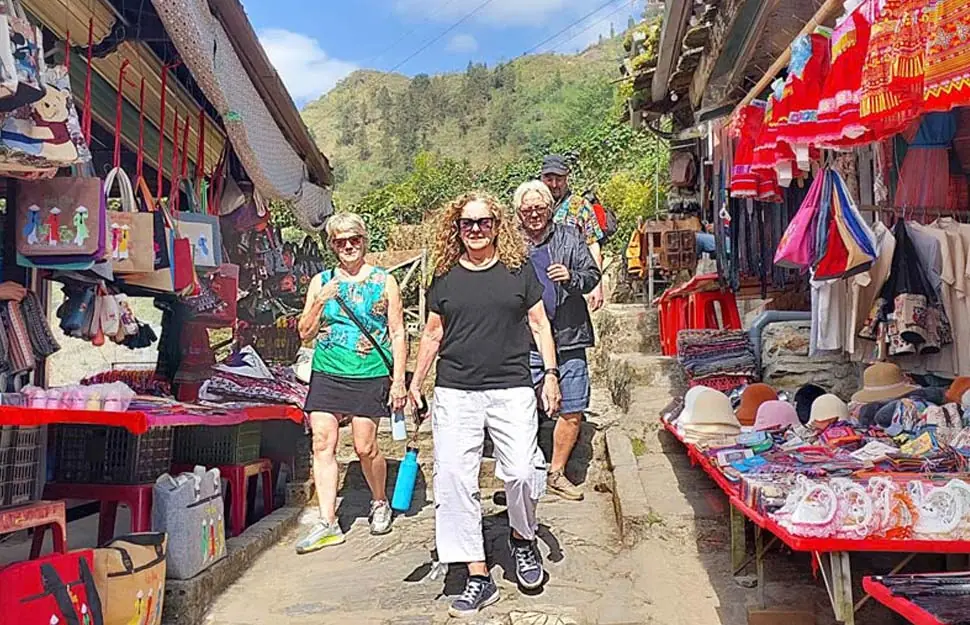
Located around 320 km from Hanoi, Sapa is easy to reach thanks to modern highways and a variety of transportation options. Depending on your budget, travel style, and comfort preferences, you can choose between limousine buses, sleeper buses, trains, or private transfers. Most visitors traveling independently choose buses for convenience, while families and private groups often prefer private vehicles for greater flexibility.
A limousine bus is one of the most popular ways to travel by Bus from Hanoi to Sapa, offering comfortable seats, air conditioning, and convenient pick-up services from hotels in Hanoi's Old Quarter or Noi Bai International Airport. Most services also provide drop-off directly at hotels in Sapa Town, making the journey simple for first-time visitors.
Sleeper buses are a budget-friendly option with frequent departures throughout the day and overnight services. Modern buses are equipped with reclining beds, air conditioning, Wi-Fi, and charging ports, allowing travelers to save both time and accommodation costs by traveling overnight.
Contact us for Sapa bus tickets and travel arrangements. Our travel specialists can help you find the best available bus options and combine your tickets with suitable accommodation, transfers, and tours for a convenient and customized Sapa itinerary.
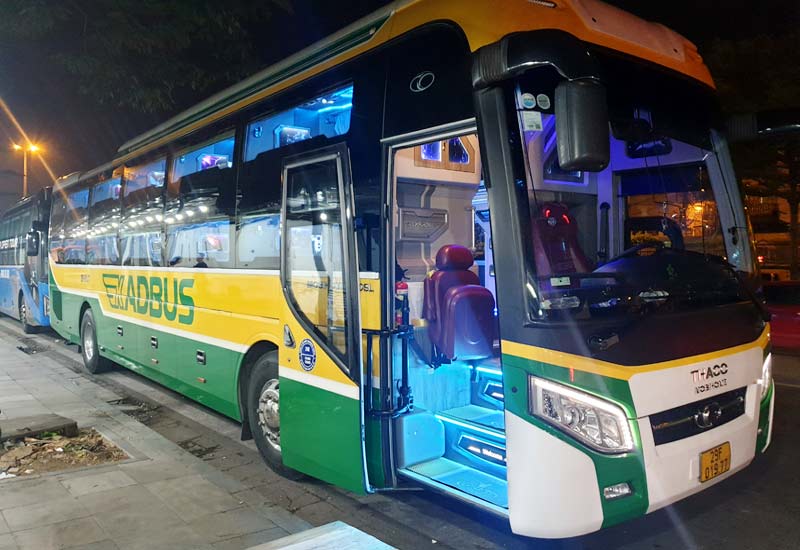
Traveling by train offers a slower but memorable experience, especially for visitors who enjoy scenic journeys. Overnight trains depart from Hanoi Railway Station and arrive in Lao Cai City the following morning. From there, Sapa is about 40 km away, and the journey continues by shuttle bus, limousine, or private car, taking approximately one hour.
Although the train takes longer than traveling by road, many travelers appreciate the comfortable sleeper cabins and the opportunity to rest overnight before arriving in the mountains.
Contact us for Sapa train tickets and travel arrangements. Our travel specialists can help you find the best available train options and combine your tickets with suitable accommodation, transfers, and tours for a convenient and customized Sapa itinerary.
Choosing the right accommodation is an important part of planning your Sapa adventure. Whether you prefer the convenience of a hotel or the authentic experience of a local homestay, Sapa offers accommodation to suit every travel style and budget.
If you are spending two nights in Sapa, Asia Eyes Travel recommends staying one night in a hotel in Sapa Town and one night in a traditional homestay in Ta Van or Lao Chai Village. This combination allows you to enjoy modern comforts while experiencing the daily life, culture, and warm hospitality of the local ethnic minority communities.
If you only have one night in Sapa, staying in Sapa Town is the best choice for first time visitors. The town provides easy access to restaurants, cafés, local markets, shopping streets, and popular attractions such as the Fansipan Cable Car.
To secure the best hotels and homestays in Sapa, we recommend booking your accommodation well in advance, especially during weekends, public holidays, and the famous rice harvest season, when many of the most popular properties are fully booked.
Contact us for the latest hotel and resort promotions in Sapa. Our travel specialists can help you find the best available offers and include suitable accommodation in your customized Sapa itinerary.
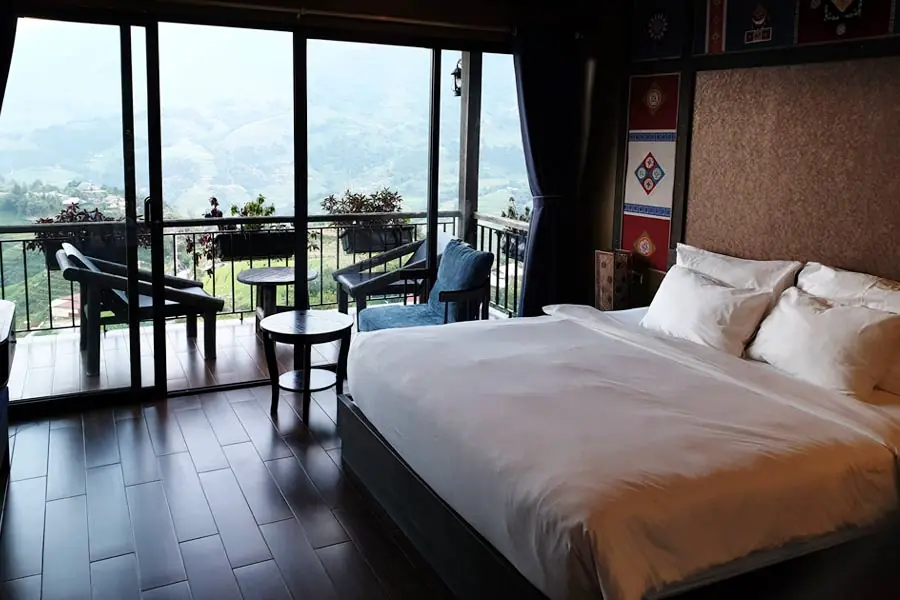
Sapa is home to some of Vietnam's most spectacular natural landscapes, where towering mountains, terraced rice fields, waterfalls, and traditional ethnic minority villages come together in one destination. From iconic mountain peaks to peaceful valleys and scenic mountain passes, each attraction offers a different perspective on the beauty and culture of Northwest Vietnam. These are the places you should include in your Sapa itinerary.
Standing at 3,143 meters above sea level, Fansipan Peak is the highest mountain in Vietnam and is widely known as the "Roof of Indochina." No visit to Sapa is complete without experiencing this iconic destination, which offers some of the most spectacular mountain scenery in Northern Vietnam.
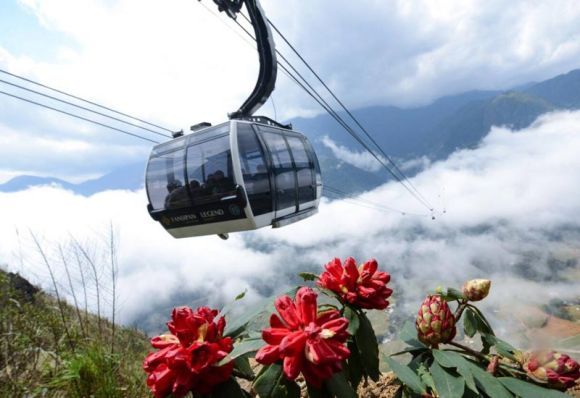
The easiest way to reach the summit is by taking the Fansipan Cable Car, one of the world's longest and most impressive cable car systems. During the journey, you'll enjoy breathtaking views of the Hoang Lien Son Mountain Range, lush valleys, and the famous rice terraces that make Sapa so unique.
For the best experience, Asia Eyes Travel recommends purchasing your Fansipan Cable Car tickets after you arrive in Sapa rather than booking them in advance. Weather conditions in the mountains can change quickly, and visibility at the summit varies from day to day. By waiting until you are in Sapa, you can check the weather forecast and choose a clear day to enjoy the best panoramic views. Unless you are traveling during a major public holiday or festival, advance booking is generally not necessary.
Located just 2 km from Sapa Town, Cat Cat Village is one of the easiest ethnic minority villages to visit. Home to the H'Mong people, the village is well known for its traditional wooden houses, handicrafts, waterfalls, and peaceful mountain scenery. Walking through the village provides an opportunity to learn about local customs, observe traditional weaving techniques, and enjoy cultural performances. Many visitors also rent traditional H'Mong clothing for memorable photographs.
Muong Hoa Valley is widely regarded as the most beautiful landscape in Sapa and is famous for its magnificent rice terraces stretching across the mountainsides. The valley is especially spectacular during the green rice season in summer and the golden harvest season from late August to early October. Visitors can also explore the mysterious Muong Hoa Ancient Rock Field, walk alongside the peaceful stream, and enjoy some of the finest panoramic views in Northern Vietnam.
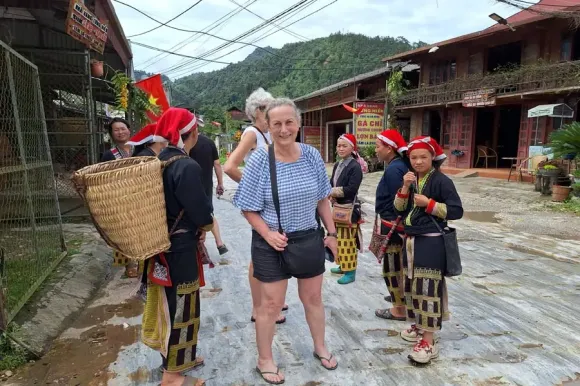
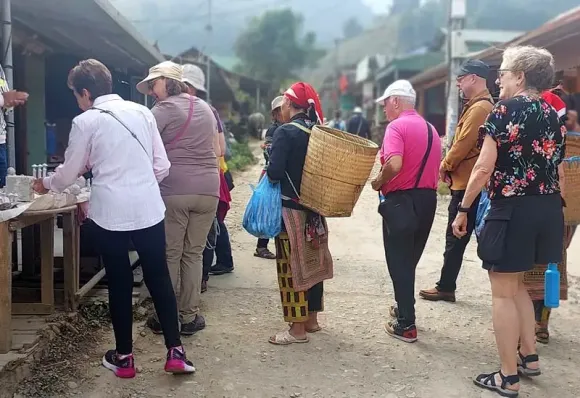
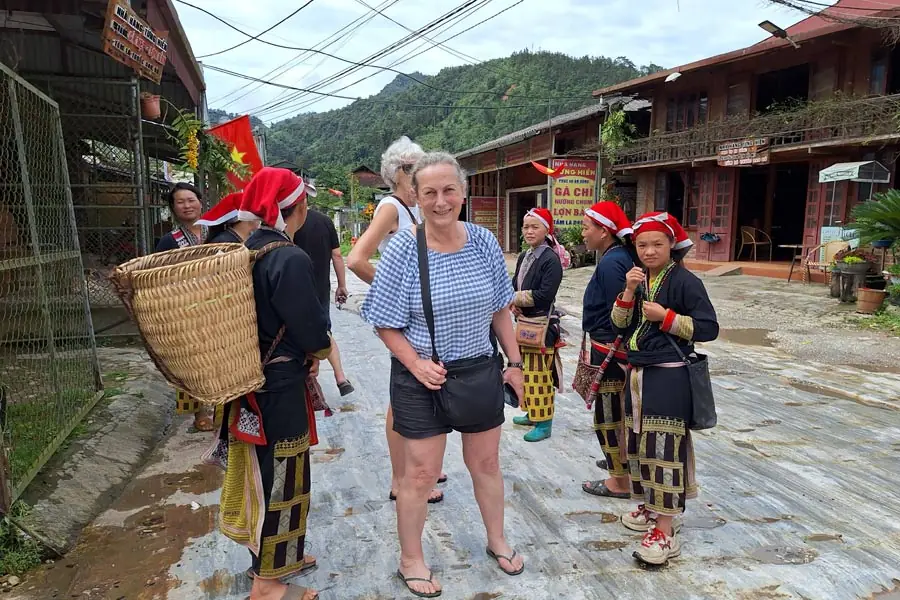
For travelers looking to experience authentic mountain life, Lao Chai and Ta Van are among the most rewarding destinations in Sapa. The scenic trekking routes pass through rice terraces, rivers, bamboo forests, and traditional villages inhabited by the H'Mong, Red Dao, and Giay communities. Staying overnight in a local homestay allows visitors to experience daily village life, enjoy home-cooked regional dishes, and learn more about the customs and traditions of the local people.
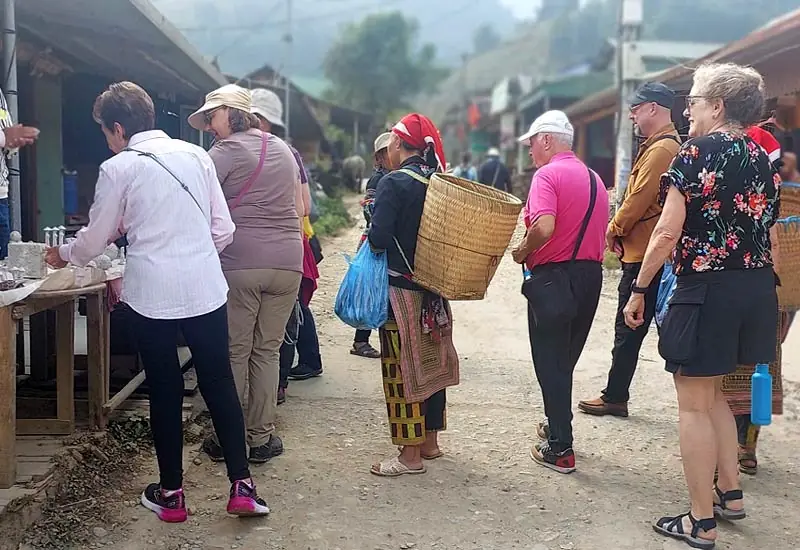
Located around 12 km from Sapa Town on the road to O Quy Ho Pass, Silver Waterfall is one of the largest and most impressive waterfalls in the region. Cascading more than 200 meters down the mountainside, the waterfall creates a refreshing atmosphere surrounded by lush forests. Many travelers combine a visit here with nearby attractions such as O Quy Ho Pass and Love Waterfall for a full day of sightseeing.
Hidden within Hoang Lien National Park, Love Waterfall is famous for both its natural beauty and the romantic legend associated with its name. A pleasant forest trail leads visitors through dense woodland before reaching the waterfall, making it an enjoyable short hike suitable for most travelers. The peaceful surroundings and fresh mountain air make this one of Sapa's most relaxing natural attractions.
Just a short walk from Sapa Stone Church, Ham Rong Mountain offers one of the best viewpoints overlooking Sapa Town and the surrounding valleys. The mountain features beautifully landscaped flower gardens, stone paths, orchid displays, and several panoramic viewing platforms. On clear mornings, visitors can enjoy spectacular sunrise views and occasionally witness clouds drifting across the town below.
As one of Vietnam's legendary mountain passes, O Quy Ho Pass is renowned for its dramatic scenery and winding roads crossing the Hoang Lien Son Mountains at an elevation of over 2,000 meters. The pass is particularly popular for sunrise, sunset, and cloud hunting, while several viewpoints offer unforgettable panoramic photographs. Small roadside cafés and local food stalls also make it an excellent stop to relax while taking in the magnificent mountain landscape.

If you're planning to experience the very best of Sapa, discover carefully designed Sapa Tours by Asia Eyes Travel, featuring breathtaking scenery, authentic local culture, and unforgettable trekking adventures.
Ready to explore the beauty of Sapa? Contact Asia Eyes Travel for personalized Sapa Tours, expert local advice, and competitive prices. Whether you're looking for scenic trekking, authentic ethnic village experiences, or a customized North Vietnam Tour, our local travel specialists will create the perfect itinerary to match your interests, travel style, and schedule.


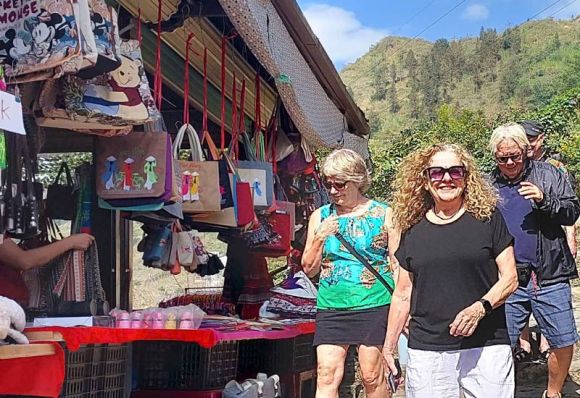
2-Day Sapa Adventure with Bac Ha Market (On Sunday only)
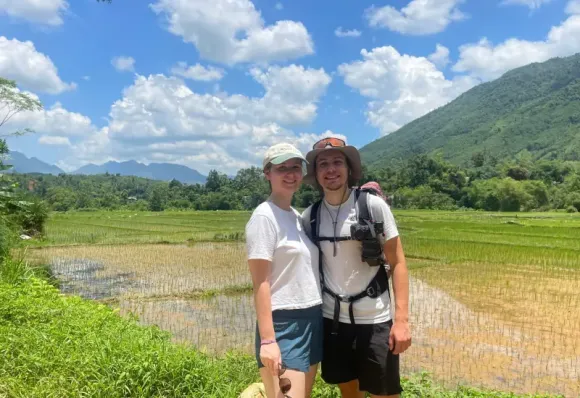
Sapa Homestay Tour 2 Days - Tour starts from Sapa
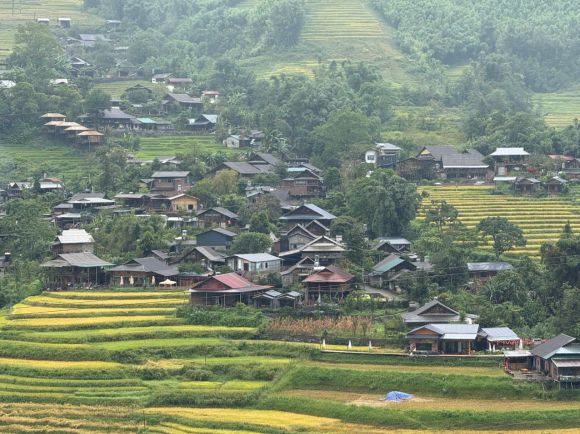
Sapa Highlights in 2 Days and 2 Nights from Hanoi