Lao Chai Village Sapa

Nestled in the scenic Muong Hoa Valley, Lao Chai Village offers an authentic glimpse into the life of the Black H’Mong people. Visitors can enjoy rewarding treks through breathtaking rice terraces, learn about local traditions, and unwind in cozy homestays surrounded by nature. Perfect for travelers seeking culture, adventure, and tranquility, Lao Chai Village is a must-visit stop in Sapa. Explore this timeless village with Asia Eyes Travel DMC Vietnam, where carefully crafted Sapa tours bring you closer to local life while ensuring a seamless and memorable journey.

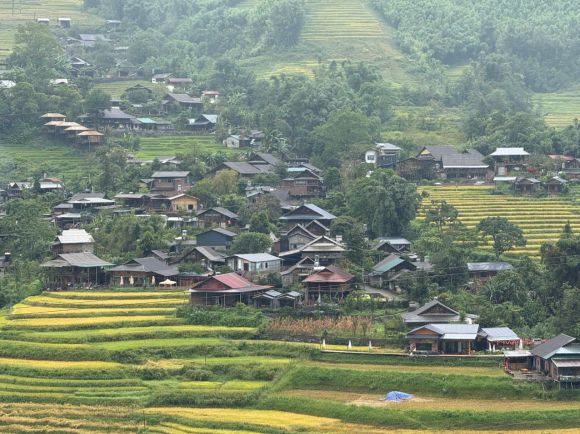
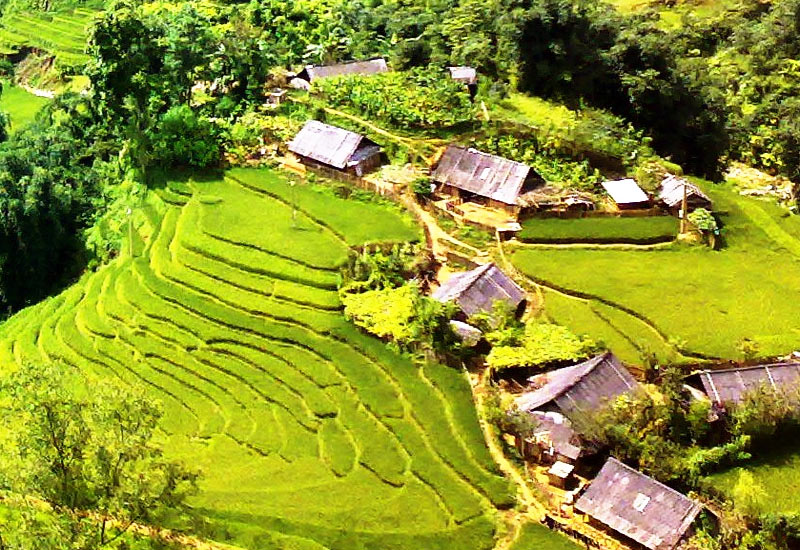
Nestled in the heart of Muong Hoa Valley, Lao Chai Village is one of Sapa’s most breathtaking and culturally rich destinations. Home to the Black H’Mong ethnic group, this village offers visitors a chance to witness stunning rice terraces, traditional wooden houses, and the daily life of one of Vietnam’s oldest ethnic communities. Whether you are trekking through its picturesque landscapes or engaging in authentic cultural experiences, Lao Chai Village is a must-visit for those seeking an unfiltered glimpse into the highland lifestyle of northern Vietnam.

1. Where is Lao Chai Village?

Lao Chai Village is located about 7 kilometers southwest of Sapa Town, surrounded by rolling hills, towering mountains, and endless rice terraces. It lies along the banks of the Muong Hoa River, making it a perfect spot for photography and nature lovers. The village is part of a scenic trekking route that connects to Ta Van Village and Giang Ta Chai Village, allowing visitors to immerse themselves in the tranquil beauty of the region.

  • Distance from Sapa Town: ~7 km
  • Trekking duration from Sapa: ~2 to 3 hours (moderate difficulty)
  • Best time to visit: September to November (golden rice fields) and March to May (lush green landscapes)


Lao Chai Village Sapa

2. The Black H’Mong People and Their Unique Culture

The Black H’Mong people are one of the largest ethnic groups in Sapa, known for their rich traditions, craftsmanship, and distinct way of life. Unlike other ethnic minorities in the region, the Black H’Mong have preserved their language, traditional clothing, and farming techniques for centuries.

Key Cultural Aspects of the Black H’Mong:

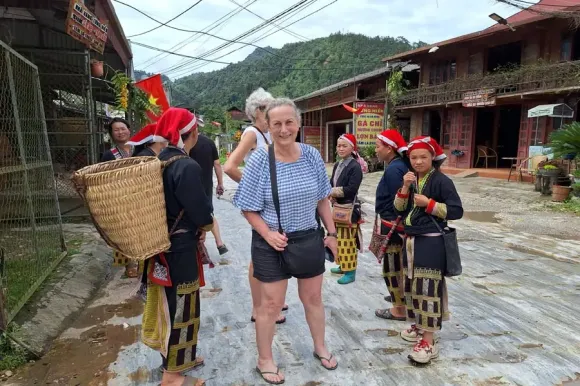
  • Traditional Clothing: Women wear indigo-dyed clothes embroidered with intricate patterns and silver jewelry.
  • Handicrafts: Skilled in batik dyeing, hemp weaving, and embroidery, locals produce beautiful handmade textiles.
  • Farming Practices: The village relies on rice cultivation, corn farming, and livestock raising.
  • Spiritual Beliefs: The Black H’Mong practice animism, believing that spirits exist in nature and ancestral homes.

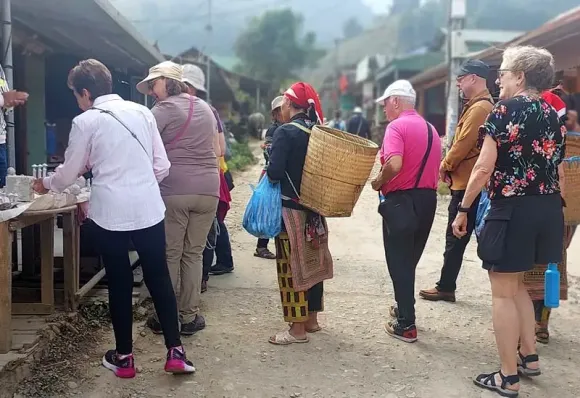
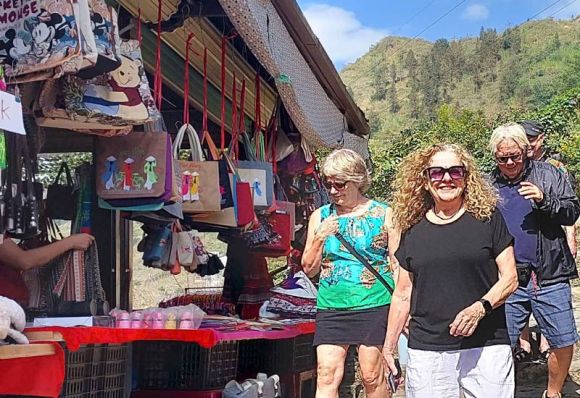
Visitors to Lao Chai Village will often find H’Mong women selling handmade textiles, offering a chance to support the local community while taking home a unique souvenir.

3. Best Things to Do in Lao Chai Village

Lao Chai is not just a scenic trekking destinatiom, it is a place where visitors can deeply connect with authentic local culture and breathtaking nature. Here are the top things to do:


Lao Chai Village Sapa

Trekking Through Muong Hoa Valley

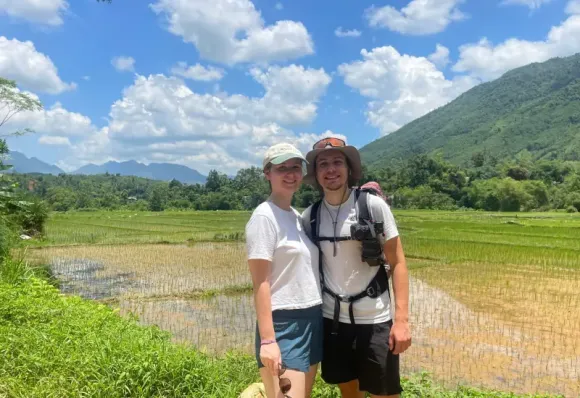
Lao Chai is one of the best starting points for trekking in Muong Hoa Valley, which is famous for its breathtaking rice terraces and panoramic landscapes. Along the way, you will pass by small streams, bamboo forests, and local villages where you can observe daily life.

Check out our tours starting from Sapa:

Best Trekking Routes:

  • Sapa → Y Linh Ho → Lao Chai → Ta Van Village (Popular scenic route)
  • Lao Chai → Giang Ta Chai → Ban Ho Village (Less touristy, longer trek)

Tip: Trekking with a local guide enhances the experience, as they can share insights into the land, customs, and traditions of the Black H’Mong people.

Stay in a Homestay for an Authentic Experience

For a deeper cultural immersion, spending a night in a traditional H’Mong homestay is a must. Homestays in Lao Chai Village offer a unique opportunity to live like a local, enjoy home-cooked H’Mong meals, and participate in daily activities.

What to Expect in a Homestay:

  • Simple yet cozy wooden houses with bamboo and clay walls
  • Traditional meals such as sticky rice, grilled pork, and herbal teas
  • Interaction with H’Mong families, learning about their customs and traditions

Visit Local Handicraft Workshops

The Black H’Mong are skilled artisans, and their handmade textiles and crafts are some of the finest in Vietnam. Visitors can watch the process of batik dyeing, embroidery, and hemp weaving, and even try making their own traditional fabric.

Explore the Muong Hoa River and Surrounding Landscape

Lao Chai Village is situated along the Muong Hoa River, making it a great place to relax, take in the scenery, or even dip your feet in the cool mountain waters. The surrounding bamboo forests, cornfields, and wildflower meadows make it an idyllic escape from the busy streets of Sapa Town.

Experience the Seasonal Beauty of Lao Chai

  • September - November: The harvest season transforms the rice terraces into golden fields, creating breathtaking landscapes.
  • March - May: The planting season turns the valley into lush greenery, perfect for photography.
  • December - February: Cold weather brings misty mountains and occasional snowfall, giving Lao Chai an ethereal beauty.

4. How to Get to Lao Chai Village - Lao Chai Village Sapa

There are several ways to reach Lao Chai Village from Sapa Town:
  • Trekking (Recommended): The most immersive way to experience Lao Chai is by trekking from Sapa Town. The 7-kilometer route takes approximately 2-3 hours and offers stunning valley views.
  • Motorbike Rental: If you prefer a quicker way, renting a motorbike or bicycle allows you to explore at your own pace.
  • Private Car or Tour: For those who want a more comfortable trip, a private car with a local guide is available.

Lao Chai Village Sapa

5. Plan Your Lao Chai Village Tour with Asia Eyes Travel

Explore the authentic charm of Lao Chai Village with Asia Eyes Travel through our carefully designed Sapa Tours. Trek through the spectacular terraced rice fields of Muong Hoa Valley, admire breathtaking mountain scenery, and discover the traditional lifestyle and cultural heritage of the Black Hmong ethnic minority. Our Sapa trekking tours, available as private or small group experiences, offer opportunities to visit traditional villages, meet local communities, and enjoy the natural beauty of northern Vietnam. Whether you are looking for scenic walks, cultural experiences, or authentic village visits, Asia Eyes Travel helps you discover the best of Lao Chai Village and the surrounding countryside with our memorable Sapa Tours. Contact Asia Eyes Travel today to start planning your unforgettable adventure.
Related Tours

Related Posts

Sapa Travel Experiences

Few destinations in Northern Vietnam offer such a remarkable combination of spectacular landscapes, authentic cultural encounters, and outdoor adventures as Sapa. Best known for its breathtaking rice terraces, colourful ethnic minority villages, and the majestic Fansipan Mountain, Sapa is one of the highlights of many North Vietnam Tours. From trekking through Muong Hoa Valley and staying in a traditional homestay to relaxing with a Red Dao herbal bath, every experience brings you closer to the unique character of Vietnam's northern highlands. This Sapa Travel Experiences guide by Asia Eyes Travel shares practical local advice on where to stay, the best experiences, must-visit attractions, the ideal time to visit, transportation from Hanoi, local cuisine, and recommended Sapa tours, helping you plan an unforgettable mountain adventure.
Read more

Sapa Travel Tips

Planning a trip to Northern Vietnam? These Sapa Travel Tips will help you prepare for an unforgettable adventure in one of Vietnam's most spectacular mountain destinations. From choosing the best time to visit Sapa, understanding the local weather, planning transportation, packing wisely, and discovering the best trekking routes, this guide covers everything you need to know before you go. As one of the most popular destinations on many North Vietnam Tours, Sapa is famous for its breathtaking rice terraces, colorful ethnic minority villages, majestic mountain scenery, and rich cultural heritage. Whether you're hiking through Muong Hoa Valley, conquering Fansipan Mountain, or staying in a traditional homestay, good preparation will help you enjoy a smoother, safer, and more rewarding journey. First time visitors are often surprised by Sapa's rapidly changing mountain weather, the variety of travel options from Hanoi, and the wide range of accommodation available, from budget hostels and charming homestays to luxury mountain resorts. Understanding these local details in advance can help you avoid common travel mistakes and make the most of your time in this beautiful region. In this complete Sapa Travel Guide, Asia Eyes Travel shares expert local advice, practical travel tips, and insider recommendations based on years of experience organizing customized Sapa Tours and North Vietnam Tour Packages. Whether you're planning a short getaway or a longer Vietnam holiday, these travel tips will help you experience the very best of Sapa with confidence.
Read more

Top 12 Attractions in Sapa

Sapa is a captivating destination that brings together dramatic mountain landscapes, colorful ethnic cultures, and a deep sense of history. From trekking through misty valleys and terraced rice fields to visiting traditional villages and enjoying panoramic views from high mountain passes, every experience feels immersive and authentic. These highlights form the core of many unforgettable Sapa tours, designed for travelers seeking both nature and culture. With Asia Eyes Travel DMC Vietnam, visitors can explore the top attractions in Sapa through well-curated itineraries that showcase the region’s beauty, heritage, and local life at its finest.
Read more

Best Time to Visit Sapa

The best time to visit Sapa depends on the experience you're looking for. Renowned as one of Vietnam's premier trekking destinations, Sapa is famous for its breathtaking rice terraces, colourful ethnic villages, and ever-changing mountain weather, where locals often say you can experience "four seasons in a single day." Although this remarkable destination can be visited throughout the year, March to May and September to November generally offer the most comfortable weather for trekking, sightseeing, and photography. Many travellers choose Sapa tours during these months to enjoy the region's spectacular landscapes under ideal weather conditions. In this guide, Asia Eyes Travel shares practical local advice to help you plan your visit, as Sapa remains one of the highlights of many North Vietnam Tours.
Read more

Best Food in Sapa You Should Not Miss

Food is an unforgettable part of every journey to Sapa. Surrounded by mountains, forests, and fertile valleys, the region is known for its fresh ingredients, grilled specialties, and simple dishes inspired by the traditions of local ethnic communities. Rather than rich or heavily seasoned cuisine, Sapa offers wholesome flavours that perfectly match its cool mountain climate. Many Sapa tours include opportunities to enjoy authentic local meals, giving travellers a deeper appreciation of the region's culture through its food. In this guide, Asia Eyes Travel introduces the best food in Sapa that you shouldn't miss during your visit.
Read more
share
CHAT WITH US