


Muong Hoa Valley
Rice Terraces, Ethnic Villages & Mountain Scenery
- Home /
- Blog /
- Vietnam Travel Guide /
- Sapa, Vietnam /
- Muong Hoa Valley: Sapa's Scenic Heart of Rice Terraces and Villages
Stretching beneath the towering peaks of Fansipan, just a few kilometers southeast of Sapa town, , in Lao Cai Province. Muong Hoa Valley is one of the most picturesque stops on any Sapa travel itinerary. The valley follows the winding Muong Hoa Stream between the villages of Lao Chai, Ta Van, and Ban Ho, offering easy access for day trips as well as cozy homestays for travelers who want to wake up surrounded by rice terraces and mountain views. Famous for its sweeping terraces, ancient stone carvings, and traditional ethnic villages, the valley offers a perfect blend of natural beauty and cultural discovery. Many of the region's most popular Sapa tours pass through here, and Asia Eyes Travel can help you experience it with the guidance of local experts.
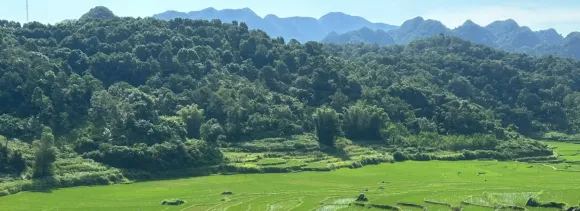
Muong Hoa Valley lies just a few kilometers southeast of Sapa town, in Lao Cai Province. Framed by the Hoang Lien Son mountain range, the valley stretches between the villages of Lao Chai, Ta Van, and Ban Ho, following the winding Muong Hoa Stream. Its dramatic terraced landscape makes it one of the most photographed locations in northern Vietnam.
The valley is home to some of Sapa's most stunning rice terraces, carved into the hillsides by generations of H'mong, Dao, and Giay farmers. The scenery transforms with the seasons - lush green in summer, golden during the September harvest, and mirror-like when flooded before planting in May and June. Viewpoints along the valley road offer some of the best panoramic photo opportunities in the region.
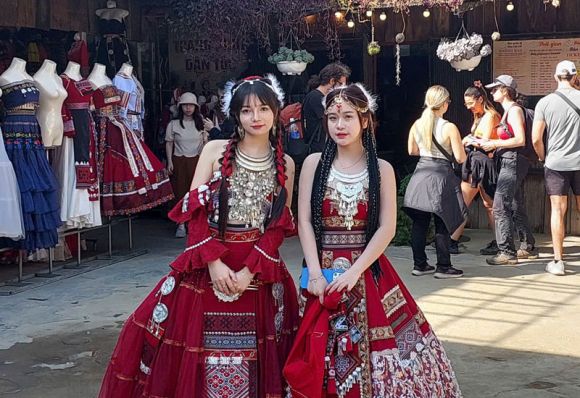
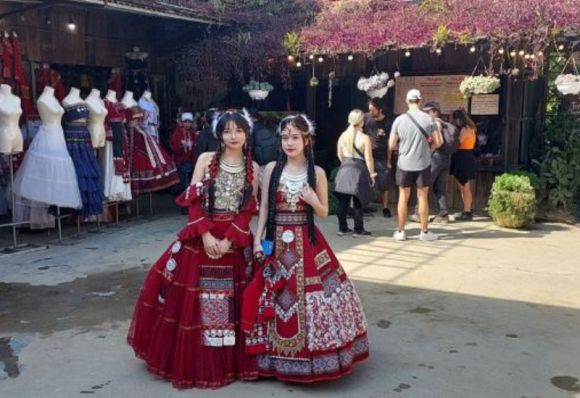
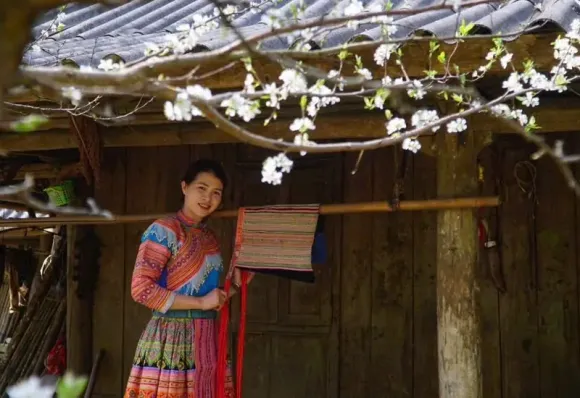
Trekking through Muong Hoa Valley leads travelers past several traditional villages, each with its own distinct culture. Lao Chai Village is known for its H'mong community and traditional weaving, while Ta Van Village is home to the Giay and Dao ethnic groups, offering homestay experiences and handmade textiles. Visiting these villages provides a rare glimpse into daily mountain life largely unchanged for generations.
One of the valley's most intriguing features is its collection of ancient stone carvings, believed to be hundreds of years old. Scattered across nearly 200 rock surfaces, these carvings depict human figures, maps, and symbols whose exact meaning remains a mystery to archaeologists. Recognized as a national heritage site, the rock field adds a fascinating historical layer to the valley's natural scenery.
The valley is best explored on foot or by motorbike, with well-marked trails connecting the main villages and viewpoints. Guided treks typically combine walking with stops at local homes, markets, and scenic overlooks, giving travelers a well-rounded experience of the area's landscape and culture. Comfortable walking shoes and a good local guide make all the difference on uneven mountain paths.
Looking for the perfect Sapa tour? Contact Asia Eyes Travel for personalized itineraries, expert local advice, and competitive travel prices. Our experienced team is ready to help you explore the breathtaking rice terraces, traditional ethnic villages, and spectacular mountain landscapes that make Sapa one of Vietnam's most unforgettable destinations.
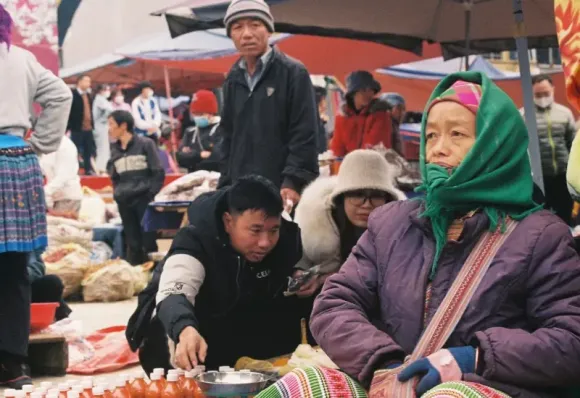
Full Day Trip to Coc Ly Tuesday Market Tour from Sapa
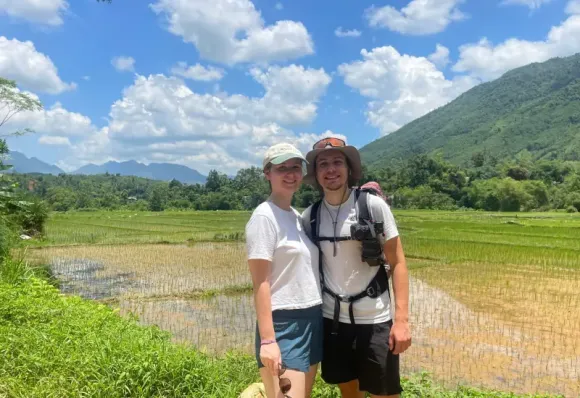
Sapa Homestay Tour 2 Days - Tour starts from Sapa

Bac Ha Sunday Market Day Trip from Sapa
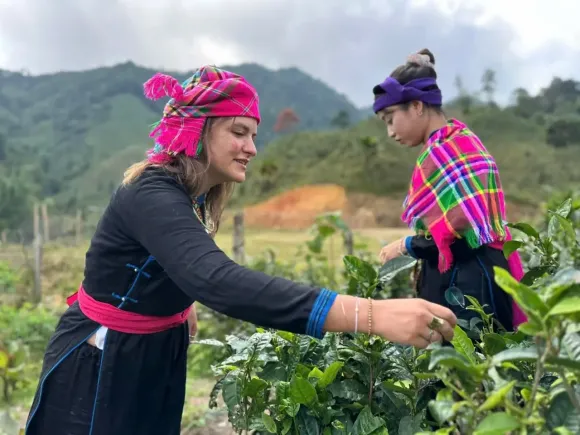
Muong Hum Sunday Market Day Trip from Sapa
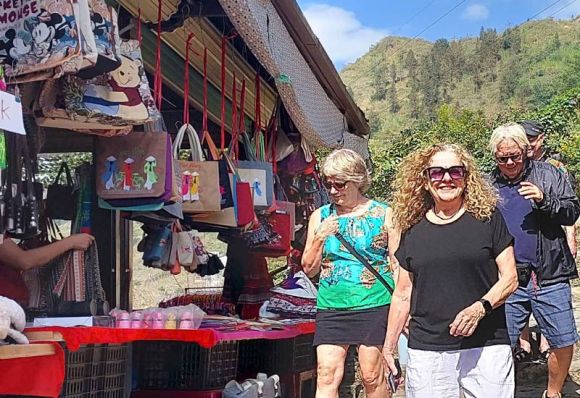
2-Day Sapa Adventure with Bac Ha Market (On Sunday only)

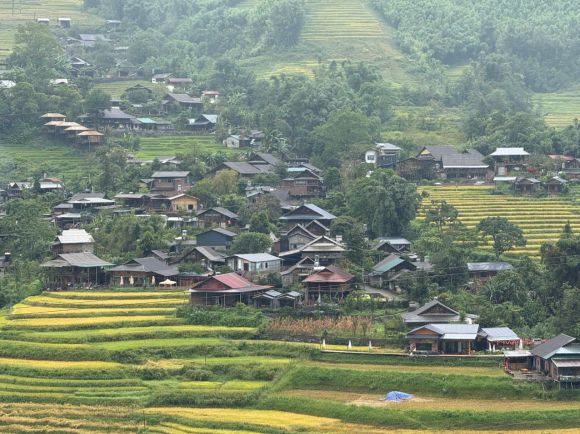
Sapa Highlights in 2 Days and 2 Nights from Hanoi
Can Cau Market Tour from Sapa (Saturday Market Tour)