The best time to visit Sapa depends on the experience you're looking for. Renowned as one of Vietnam's premier trekking destinations, Sapa is famous for its breathtaking rice terraces, colourful ethnic villages, and ever-changing mountain weather, where locals often say you can experience "four seasons in a single day." Although this remarkable destination can be visited throughout the year, March to May and September to November generally offer the most comfortable weather for trekking, sightseeing, and photography. Many travellers choose Sapa tours during these months to enjoy the region's spectacular landscapes under ideal weather conditions. In this guide, Asia Eyes Travel shares practical local advice to help you plan your visit, as Sapa remains one of the highlights of many North Vietnam Tours.
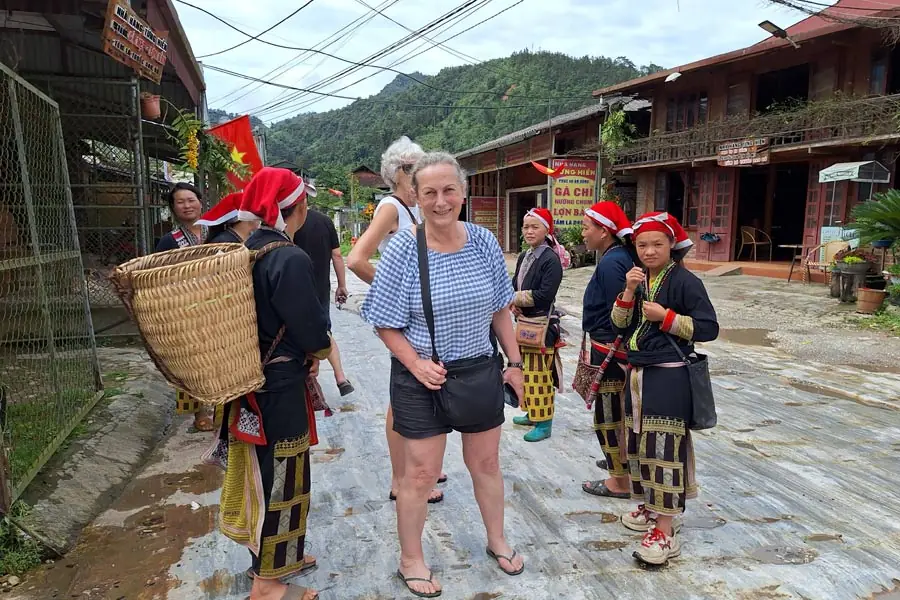
Located in the Hoang Lien Son Mountains at an elevation of around 1,500 metres, Sapa enjoys a cool mountain climate throughout the year, with temperatures generally lower than most destinations in Vietnam. Spring (March to May) and autumn (September to November) offer the most pleasant weather, with temperatures ranging from 13°C to 24°C, making them ideal for trekking and sightseeing. Summer (June to August) remains relatively cool at 18°C–26°C, although brief afternoon showers are common and keep the rice terraces lush and vibrant. Winter (December to February) is much colder, with temperatures often dropping to 5°C–15°C and occasionally lower on Fansipan Mountain. Asia Eyes Travel recommends bringing a light jacket or warm layer in every season, as Sapa is typically 5–10°C cooler than Hanoi, even during the summer months.

The best time to visit Sapa depends on the type of experience you're looking for. Every season transforms the mountain landscapes in a different way, from vibrant green rice terraces and colourful wildflowers to golden harvest fields and spectacular cloud-covered peaks. Some travellers visit for scenic trekking, while others plan their trip around the rice harvest or clear mountain views from Fansipan. Here are the best times to visit based on the highlights you don't want to miss.
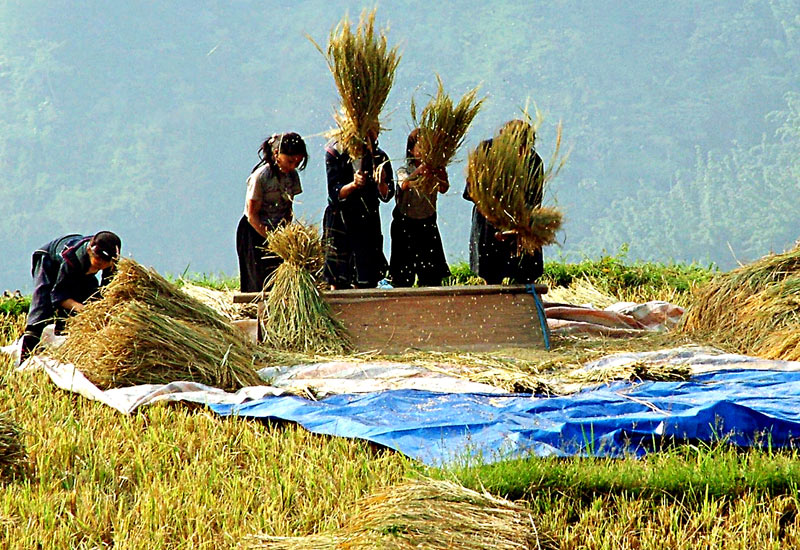
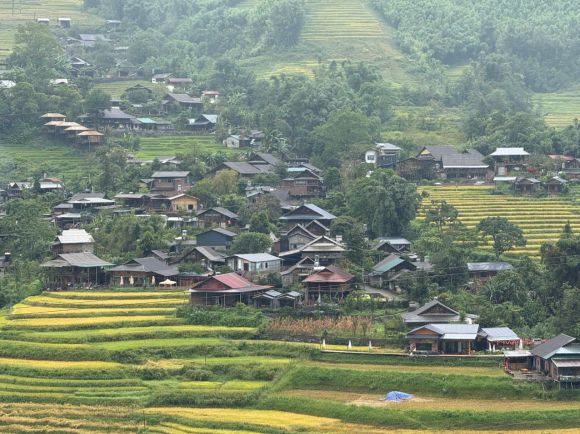
If seeing Sapa's famous rice terraces at their most beautiful is your priority, plan your visit between late August and early October. During this period, the terraces across Muong Hoa Valley, Lao Chai, Ta Van, and Hau Thao gradually turn from vibrant green to brilliant shades of gold before the annual harvest. Comfortable temperatures and relatively dry weather also create excellent conditions for trekking and photography. As this is one of the busiest times of the year, booking hotels and Sapa tours in advance is highly recommended.
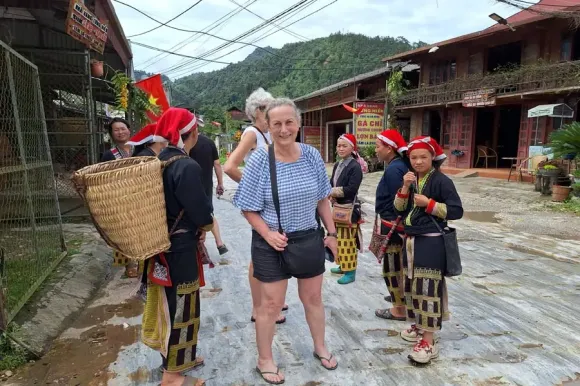
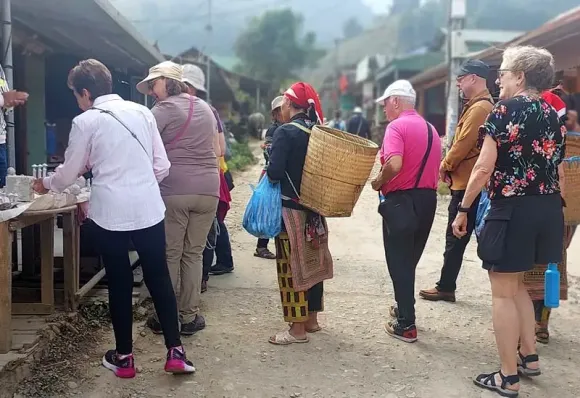
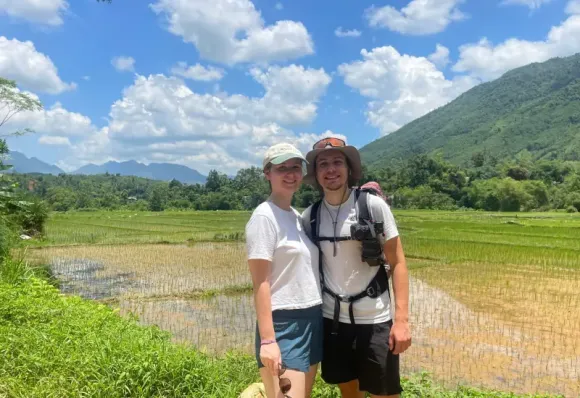
Spring and autumn are generally considered the best seasons for trekking in Sapa. Mild temperatures, lower humidity, and clearer skies make walking through Muong Hoa Valley and visiting villages such as Lao Chai, Ta Van, and Y Linh Ho much more enjoyable. These months are ideal for longer hikes, overnight homestay experiences, and meeting local ethnic communities while surrounded by spectacular mountain scenery. If outdoor activities are at the top of your itinerary, these seasons usually offer the most comfortable hiking conditions.

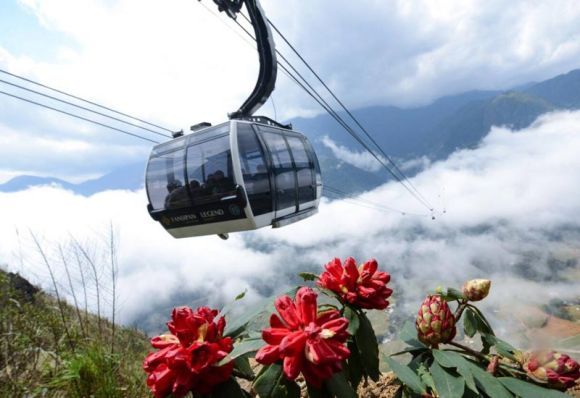
Travellers hoping to enjoy sweeping mountain views from Fansipan Mountain should consider visiting between October and April. Cooler temperatures during these months often create spectacular sea of clouds conditions around the Hoang Lien Son Mountains, making the Fansipan Cable Car journey even more memorable. Early morning departures usually provide the best visibility before clouds begin to gather later in the day. Even when the summit is partially covered in mist, the ever-changing mountain scenery creates a unique experience that many visitors consider one of the highlights of Sapa.

A little preparation can make your trip to Sapa much more enjoyable. If possible, avoid visiting during Vietnam's major public holidays, such as 30 April, 1 May, and 2 September, as well as weekends, when Sapa is often crowded and accommodation sells out quickly. Pack waterproof hiking boots for trekking, a lightweight windbreaker for the cool mountain weather, and insect repellent if you plan to explore the valleys or stay in a homestay. Before travelling to Fansipan, always check the weather forecast, as conditions at the summit can be very different from those in Sapa Town.
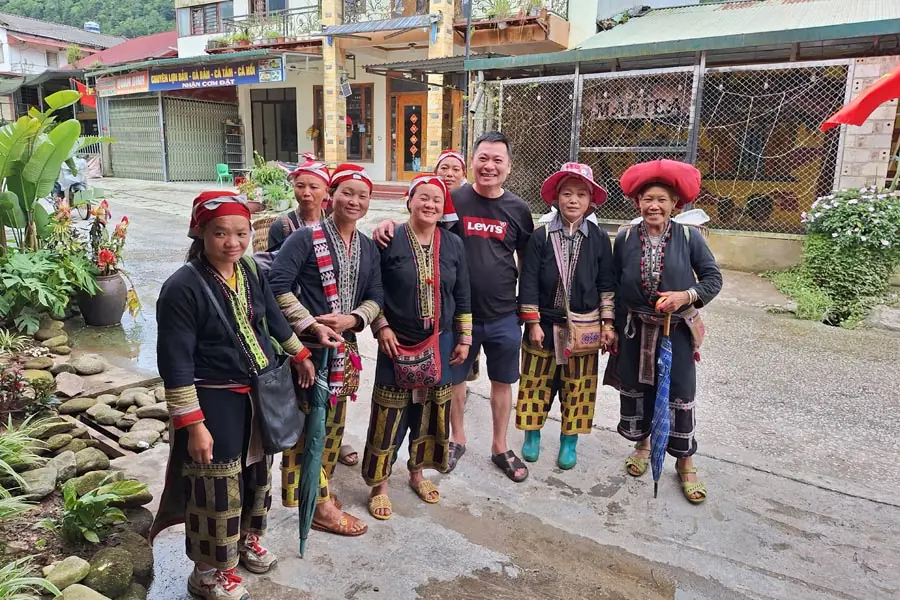
To make the most of your visit, consider joining one of our carefully designed Sapa tours. Whether you have just one day or are planning a longer journey from Hanoi, these itineraries combine breathtaking mountain scenery, authentic ethnic villages, and unforgettable trekking experiences, making it easy to discover the very best of Sapa.
Looking for the perfect Sapa tour? Contact Asia Eyes Travel for personalized itineraries, expert local advice, and competitive travel prices. Our experienced team is ready to help you experience Sapa's spectacular rice terraces, authentic ethnic villages, and breathtaking mountain landscapes, creating a journey that matches your travel style, interests, and schedule.
Sapa Homestay Tour 2 Days - Tour starts from Sapa

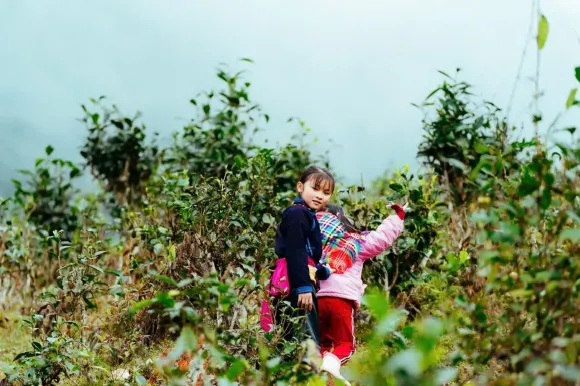
Bac Ha Sunday Market Day Trip from Sapa
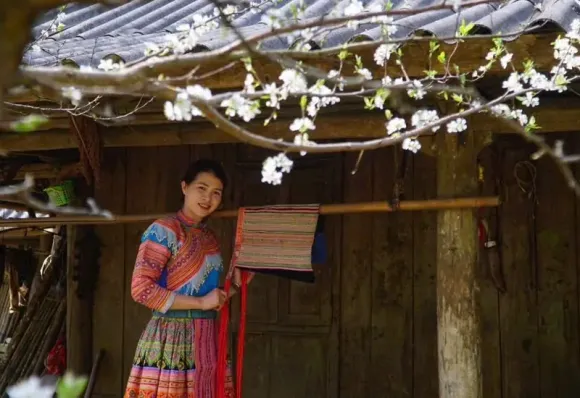
Can Cau Market Tour from Sapa (Saturday Market Tour)
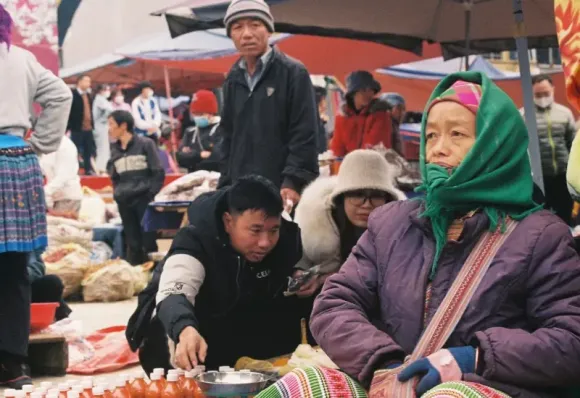
Full Day Trip to Coc Ly Tuesday Market Tour from Sapa
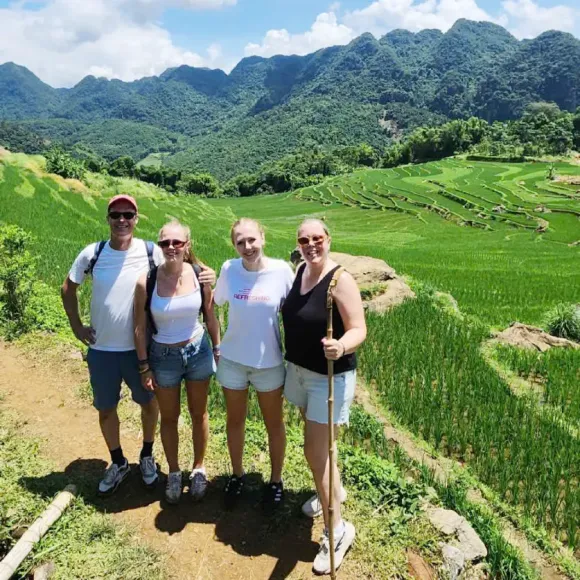
Sapa Highlights in 2 Days and 2 Nights from Hanoi
Muong Hum Sunday Market Day Trip from Sapa
2-Day Sapa Adventure with Bac Ha Market (On Sunday only)