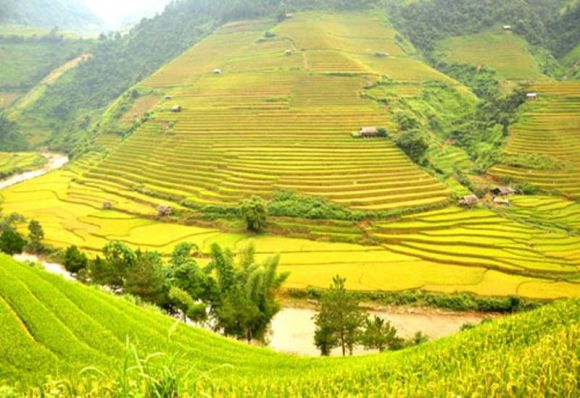
Yen Bai Province in northern Vietnam is a hidden gem celebrated for its stunning landscapes, vibrant culture, and unique local cuisine. With insights from Asia Eyes Travel DMC Vietnam, travelers can fully enjoy the terraced rice fields of Mu Cang Chai, traditional villages, and scenic mountain hikes. For first-time visitors, here are some essential travel tips to ensure a smooth and memorable journey in Yen Bai:
Yen Bai Travel Tips: Yen Bai is a destination that rewards curious travelers with its beautiful landscapes, cultural richness, and friendly locals. With these travel tips in mind, you’ll be well-prepared to make the most of your time there. Whether you’re photographing the golden terraces, sharing a meal with locals in a homestay, or exploring mountain trails, Yen Bai promises a truly immersive experience in northern Vietnam’s highlands. Embrace the adventure, stay mindful of local customs, and savor each moment in this remarkable province.
Spring (March to May): This season is mild, with pleasant temperatures and blooming flowers, making it perfect for trekking and outdoor activities.
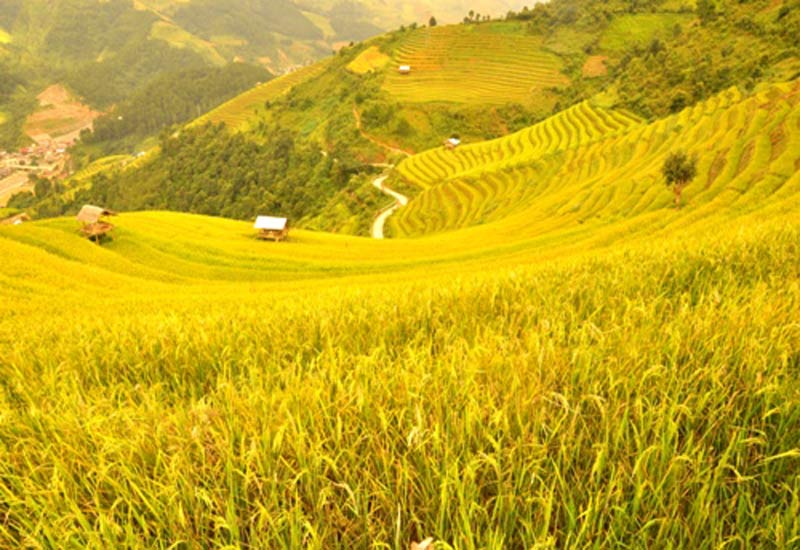
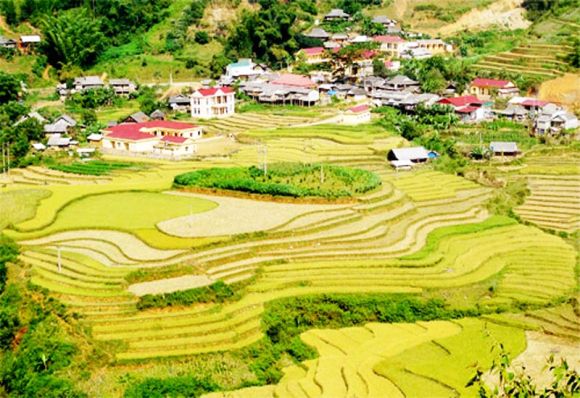
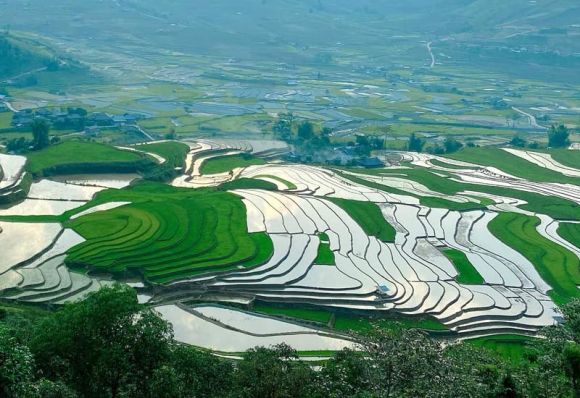
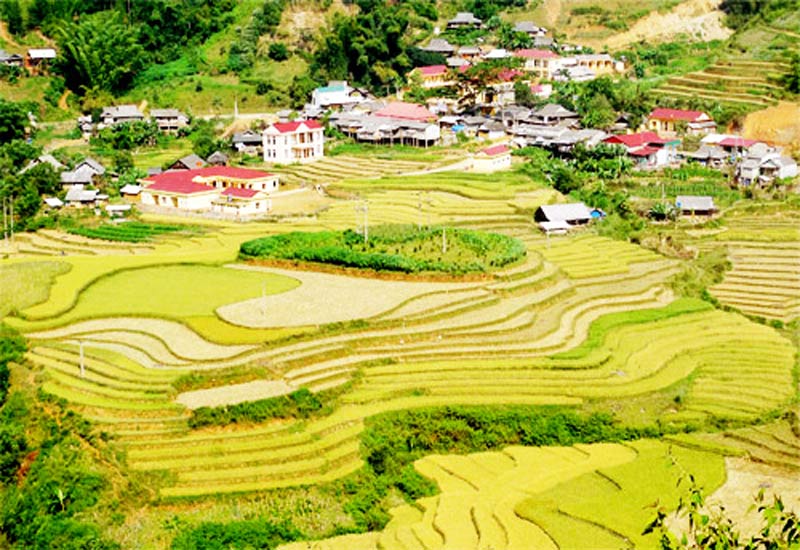
Autumn (September to November): This is the best time to see the golden rice terraces in Mu Cang Chai during the harvest season, generally from late September to early October. The weather is cooler, and the landscapes are incredibly photogenic.
Avoid Monsoon Season (June to August): Heavy rains can make travel difficult, particularly if you're planning on hiking or motorbiking, as the roads can become slippery and dangerous.
From Hanoi: Yen Bai is located around 180 kilometers from Hanoi. The most common routes are:
By Train: Take a train from Hanoi to Yen Bai city. This is a slower but scenic option, taking about 4-5 hours.
By Bus: Buses and minibuses depart frequently from My Dinh bus station in Hanoi to Yen Bai. Look for buses going to Nghia Lo or Mu Cang Chai if you're heading to those specific areas.
By Private Car or Motorbike: Renting a motorbike or car is a flexible and popular way to explore Yen Bai, especially if you're comfortable navigating mountain roads. Travel time from Hanoi by car is about 3-4 hours, depending on the route.
Motorbike: Motorbikes are a preferred mode of transportation for exploring remote areas like Mu Cang Chai and Khau Pha Pass. Rentals are available in Yen Bai city and Nghia Lo. However, the roads are steep and winding, so this is recommended for experienced riders.
Local Buses: Local buses and minibuses connect larger towns, but schedules can be irregular.
Private Car and Guides: Hiring a car with a local driver is an option for those unfamiliar with the area or less comfortable on motorbikes. Drivers are familiar with the terrain and can double as guides.
Homestays: Staying at a homestay is popular in Mu Cang Chai, Tu Le, and other ethnic minority villages. These provide a cultural experience where you can interact with locals, enjoy home-cooked meals, and even join daily activities like farming. Homestays are typically basic but comfortable, often with traditional stilt-house architecture.
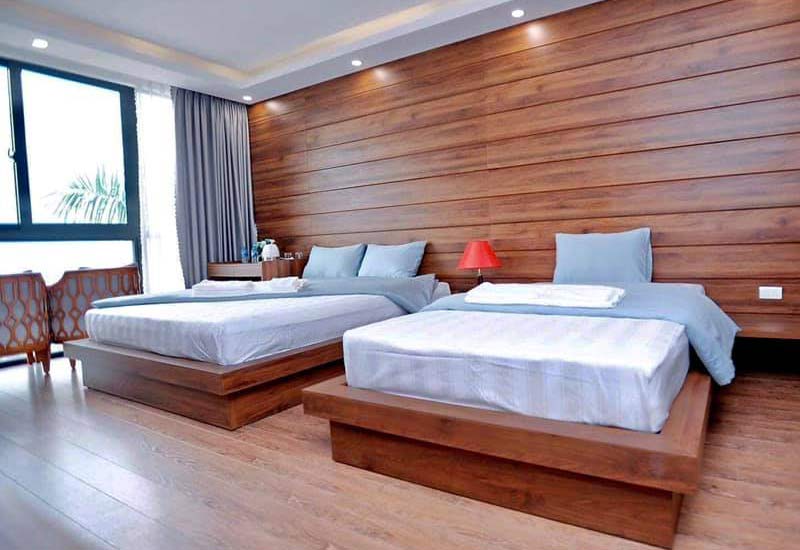
Hotels: In Yen Bai city and Nghia Lo, you’ll find a range of small hotels and guesthouses offering basic amenities. These are suitable for those looking for more privacy and comfort.
Eco-Lodges: Some eco-lodges have been established around Mu Cang Chai, offering a higher level of comfort while keeping sustainability in mind. These are ideal for travelers seeking a mix of nature and comfort.
Trekking through Rice Terraces: Yen Bai is famous for its rice terraces, especially in Mu Cang Chai, one of the most photogenic spots in Vietnam. There are several trekking routes, ranging from short walks to full-day hikes. It’s often best to hire a local guide who knows the area well.
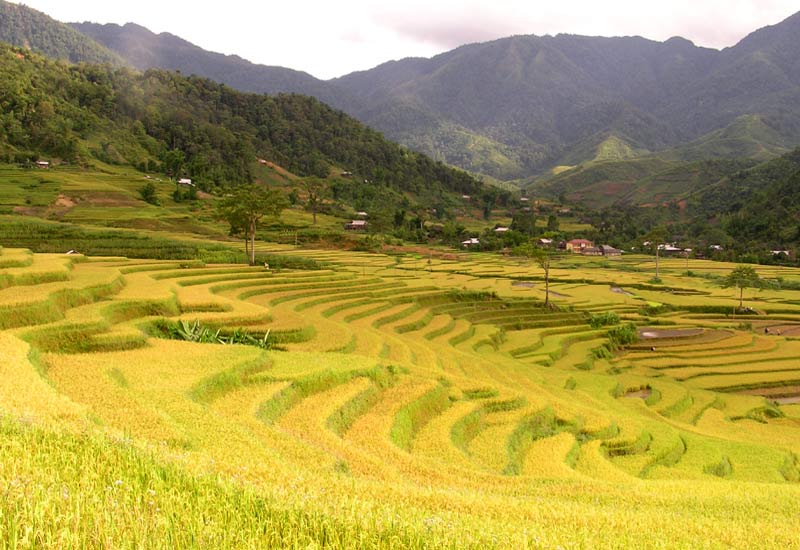
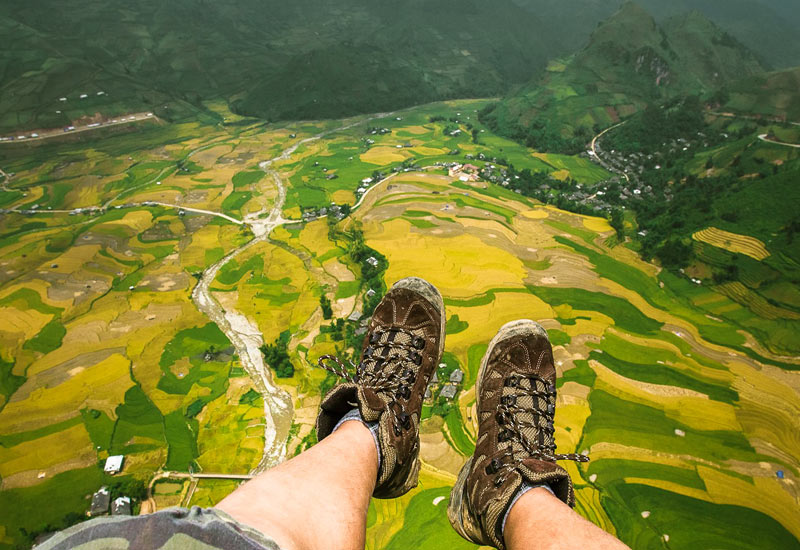
Paragliding at Khau Pha Pass: Known as one of the best places for paragliding in Vietnam, Khau Pha Pass offers spectacular views of the mountains and rice terraces. Paragliding events are often organized during the annual Mu Cang Chai Rice Terraces Festival in September.
Hot Springs in Tu Le: Relaxing in Tu Le’s natural hot springs after a long day of trekking or biking is a must. The hot springs are surrounded by beautiful natural scenery, adding to the experience.
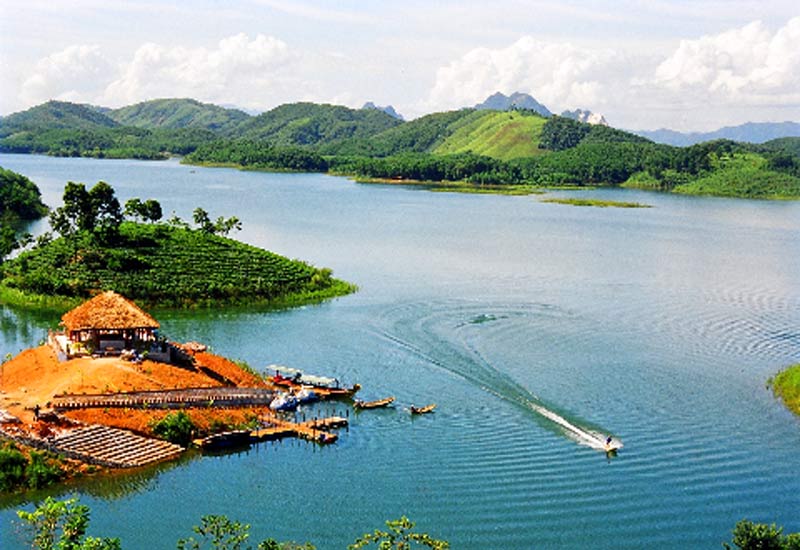
Visiting Thac Ba Lake: Thac Ba Lake, one of Vietnam’s largest artificial lakes, is ideal for boating, kayaking, and exploring nearby caves. This area is also home to the Dao ethnic minority, who live in traditional stilt houses.
Bring lightweight, breathable clothing for daytime, especially during warmer months, but also pack layers as it can get chilly in the mountains at night. A waterproof jacket and sturdy walking shoes are essential, especially if you plan to trek or visit during the rainy season.
Sunscreen, sunglasses, and a hat are recommended as you’ll be outdoors for much of your time, especially when exploring rice terraces and hiking.
Insect Repellent: Mosquitoes and other insects are common, especially near water bodies and in humid areas, so bring an effective insect repellent.
Reusable Water Bottle: Staying hydrated is important, especially if you’re doing strenuous activities. Many homestays and eco-lodges offer water refilling options.
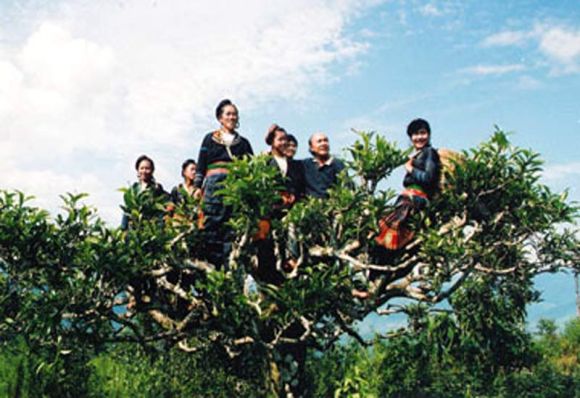
Respect Local Customs: Yen Bai is home to several ethnic groups, each with unique traditions and customs. Dress modestly when visiting villages, avoid loud behavior, and ask for permission before taking photos of locals.
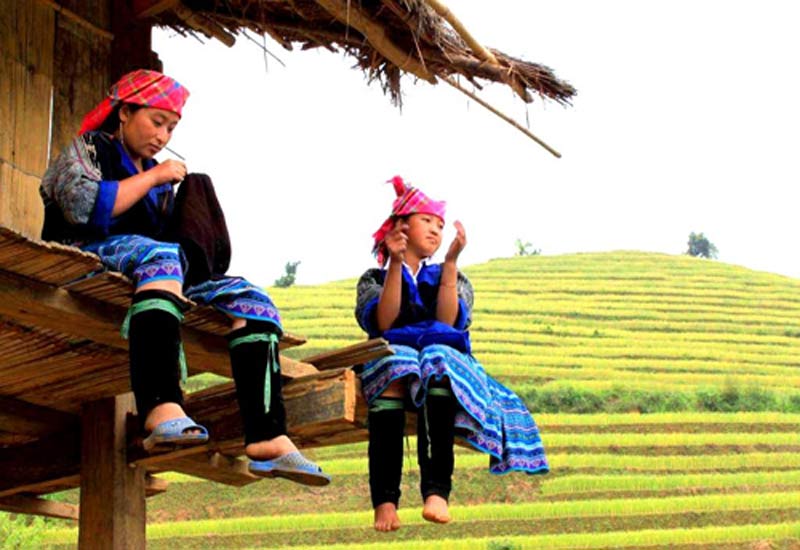
Gifts for Locals: If staying in a homestay, small gifts like fruits, snacks, or souvenirs from your hometown are appreciated by locals and can be a way to show appreciation.
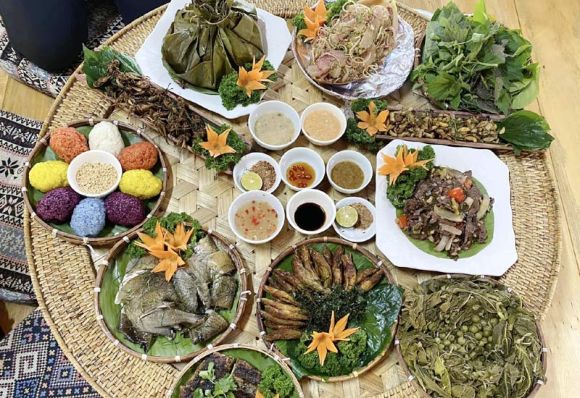
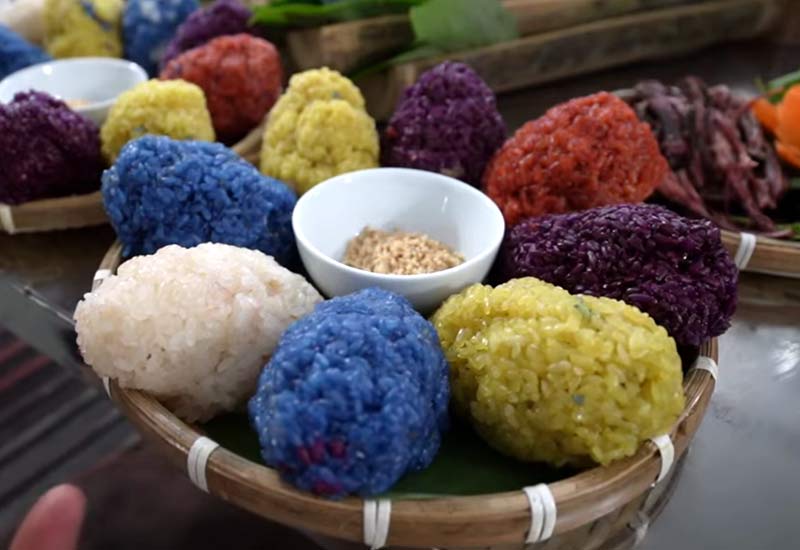
Xoi Ngu Sac (Five-Color Sticky Rice): This dish is made with sticky rice dyed in five natural colors, often prepared for special occasions.
Ca Nuong Pa Pinh Top (Grilled Fish): A popular dish among the Thai people, typically grilled with local herbs and spices.
Thang Co (Horse Meat Stew): For adventurous eaters, Thang Co is a traditional stew made from horse meat, a delicacy among the Hmong people.
Banh Chung Den (Black Sticky Rice Cake): A unique rice cake made with black glutinous rice, typically found in markets and festivals.
Try these and other local dishes at markets, homestays, or restaurants in Mu Cang Chai, Nghia Lo, and Tu Le.
Health and Safety: Yen Bai’s mountainous terrain can be challenging for travelers, especially during the rainy season. If trekking or biking, make sure to have proper footwear and be cautious on slippery paths. Health facilities in Yen Bai are basic, so bring any necessary medications with you.
Travel Insurance: Consider travel insurance that covers activities like trekking and paragliding. Make sure it includes medical evacuation in case of emergencies.
Weather Awareness: Check the weather before heading out for activities, especially if trekking or riding a motorbike. Mountain weather can change quickly, so be prepared.
Leave No Trace: Yen Bai’s natural beauty is one of its main attractions, so help preserve it by carrying out any waste and sticking to marked trails.
Support Local Businesses: Choose locally run homestays, restaurants, and guides to help support the community and get a more authentic experience.
Respect Wildlife and Nature: Avoid picking plants, disturbing wildlife, or taking anything from the natural surroundings as souvenirs.
Explore the stunning landscapes and cultural treasures of Yen Bai with ease through Asia Eyes Travel DMC Vietnam. Our carefully planned Vietnam Small Group Tours help you navigate the terraced fields, local villages, and mountain trails for a seamless and unforgettable experience.
Best Of Vietnam Package Tour in 14 Days
7-Day Ethnic Culture & Mountain Adventure