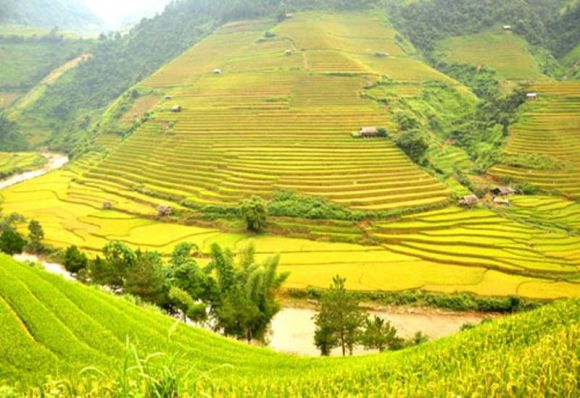
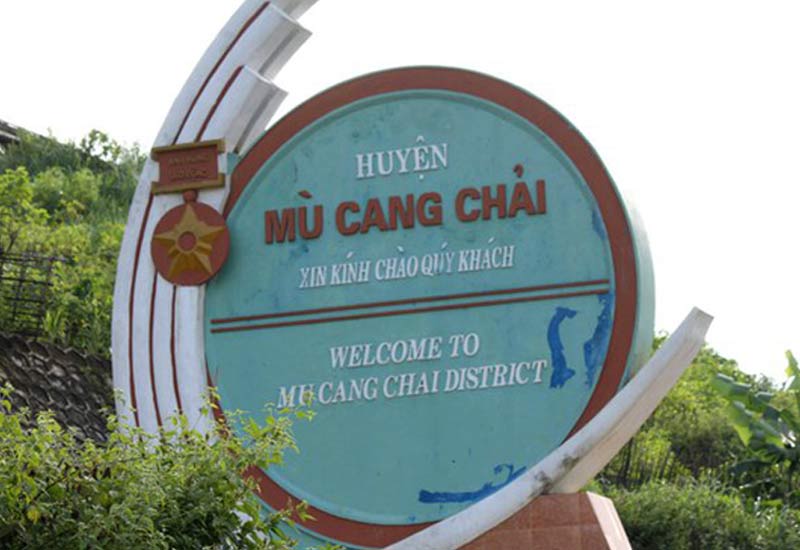
Yen Bai Province, located in northern Vietnam, is renowned for its breathtaking natural landscapes, including the famous Mu Cang Chai terraced rice fields, and the rich cultural heritage of its ethnic communities. With guidance from Asia Eyes Travel DMC Vietnam, visitors can plan their trip to experience the province at its best, as each season offers a unique perspective on its scenery and traditions. Here’s an in-depth look at the best time to visit and key considerations for your journey:
The ideal times to visit Yen Bai are in Spring (March to May) for blossoming flowers and mild weather, and Autumn (September to November), especially for the golden rice terraces of Mu Cang Chai. Both seasons offer good weather for outdoor activities and cultural experiences. However, with the right preparations and an adventurous spirit, each season brings its own charm and unique experiences. Taking time to plan around the weather, cultural norms, and environmental considerations will ensure a more fulfilling and respectful trip to this remarkable part of Vietnam.
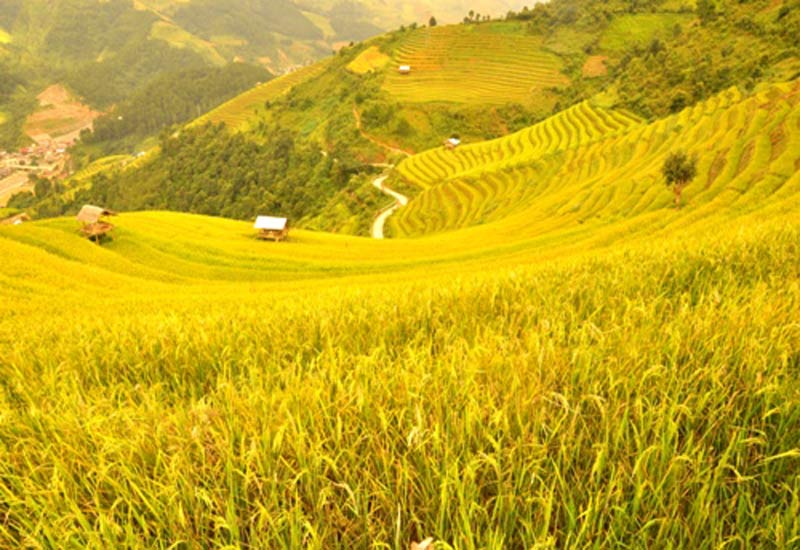
Spring (March to May): Spring is mild with temperatures ranging between 20–25°C (68–77°F). The weather is often dry, making it perfect for trekking and outdoor activities. This is the season for blooming flowers. You’ll witness peach and plum blossoms, especially around March, creating stunning scenery. It's also a quieter season compared to the autumn, so you can enjoy a more peaceful visit. Some ethnic festivals are celebrated during this period, allowing travelers to experience local culture.
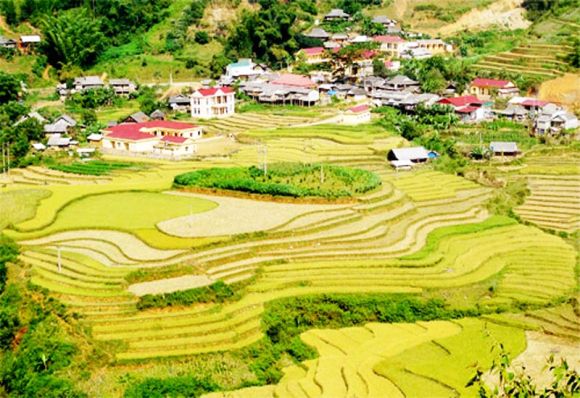
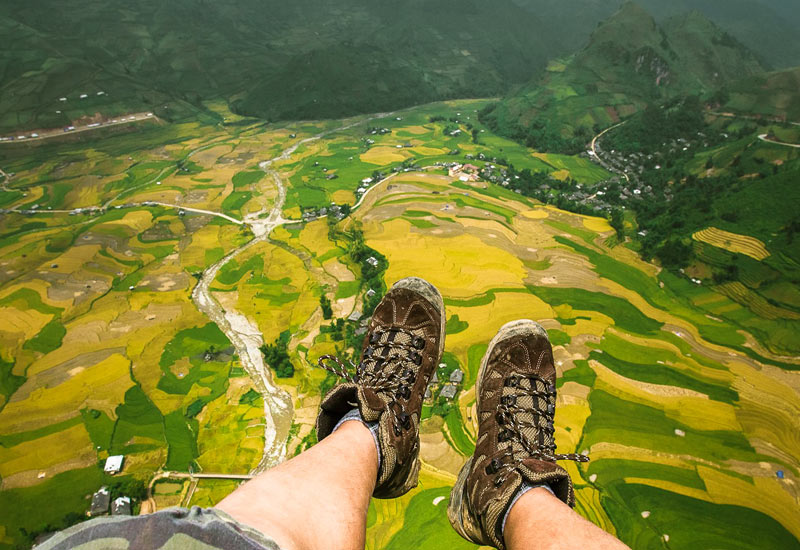
Autumn (September to November): Autumn brings cooler, more stable weather and clear skies. Temperatures average between 18–22°C (64–72°F). September and early October mark the peak of the rice harvest season in Mu Cang Chai, a region within Yên Bái famous for its golden rice terraces. Photographers from all over the world come to capture these breathtaking scenes. The Mu Cang Chai Terraced Field Festival, celebrated in September, includes paragliding events, photography exhibitions, and traditional performances by local ethnic groups.
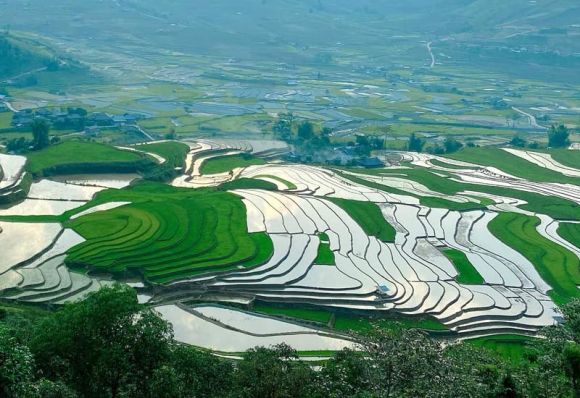
Summer (June to August): Summers are typically hot and humid, with temperatures ranging from 25–32°C (77–89°F). This is also the monsoon season, so rainfall is frequent, especially in July and August. If you visit in summer, you’ll see the terraced fields filled with water, a sight known as the “falling water season.” The rainwater creates a mirror effect, reflecting the sky on the terraces, which can make for stunning photos. Heavy rains can make roads slippery and muddy, making transportation challenging. Landslides are also a possibility, especially in mountainous areas, so take precautions and check weather forecasts.
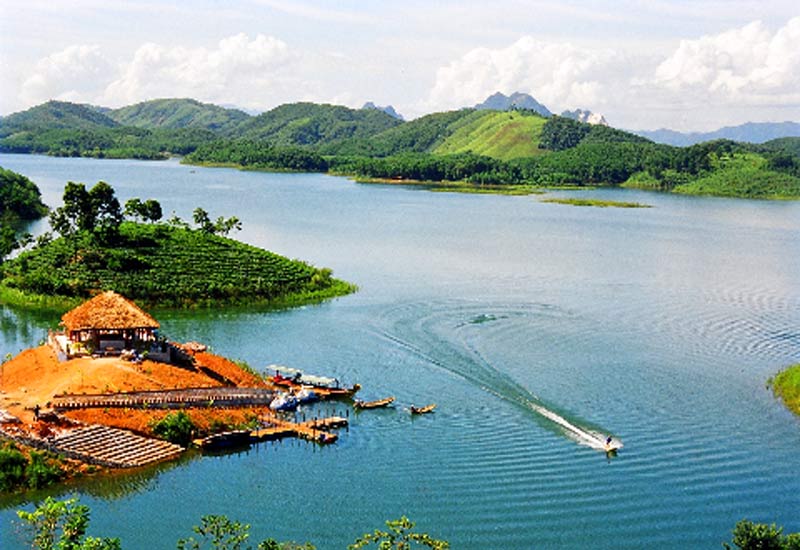
Winter (December to February): Winters in Yen Bai can be cold and foggy, with temperatures often dropping below 15°C (59°F). In higher elevations, it can even go down to 0°C (32°F) and sometimes snow, especially in areas like the Khau Pha Pass. Winter is an off-season, so tourist crowds are minimal, and the landscape takes on a more tranquil atmosphere. The chilly weather can be enjoyable for those who prefer cooler climates and love the fog-covered valleys. Roads may be icy or foggy, particularly on mountain passes, which can make travel more challenging.
Getting There: Yen Bai is about 180 kilometers (112 miles) from Hanoi. You can take a bus, train, or private car from Hanoi to Yen Bai city or Mu Cang Chai. The train is a scenic and affordable option but can take a bit longer than a direct bus or car.
Getting Around: Motorbikes are a popular way to explore the mountainous areas. You can rent one in Yen Bai or Mu Cang Chai. However, the roads can be winding and challenging, so this option is best for experienced riders.
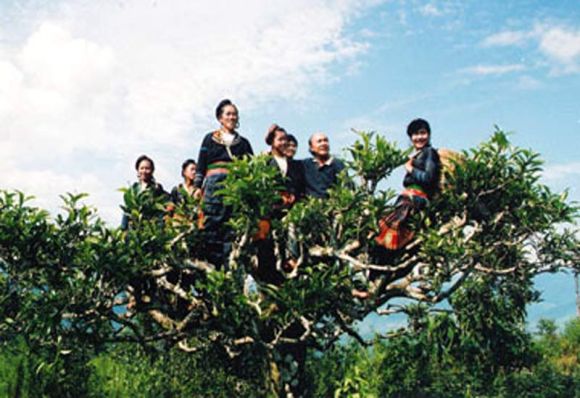
Cultural Sensitivity: Yen Bai is home to diverse ethnic groups, such as the Hmong, Thai, and Dao people. Each group has its own customs, dress, and language. Respecting these customs, seeking permission before taking photos, and being mindful of local etiquette can enhance your interactions.
Accommodation: Homestays in Yen Bai offer a chance to experience local life and cuisine. Options vary from simple accommodations in Mu Cang Chai to more developed homestays in places like Nghia Lo. The number of hotels is limited, especially in more remote areas, so booking in advance is recommended during the peak harvest season.

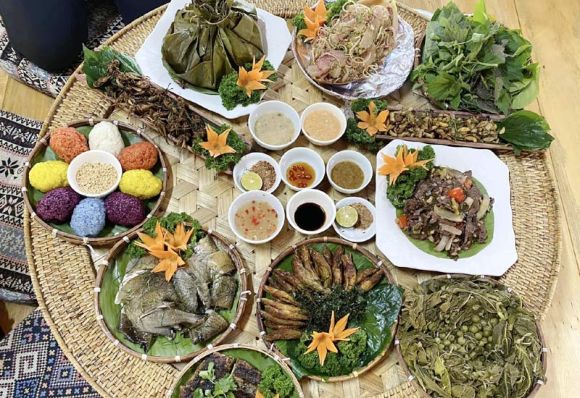
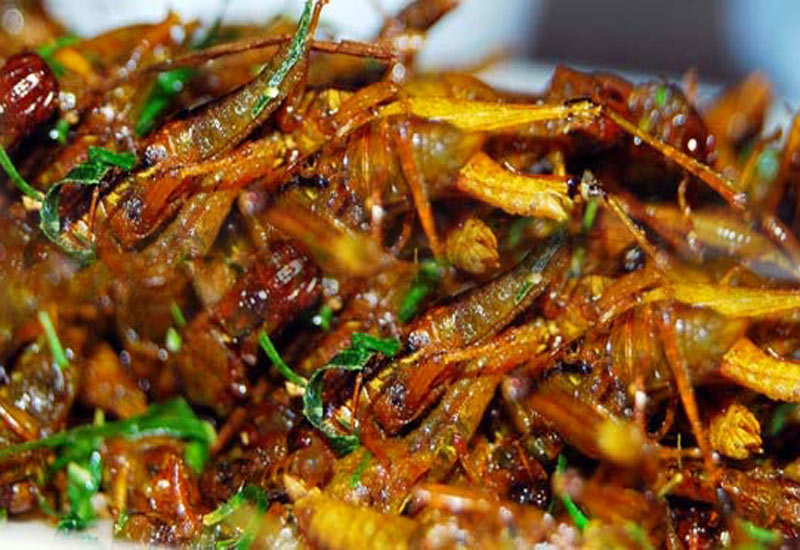
Local Cuisine: Yen Bai offers unique culinary experiences, such as five-color sticky rice, a dish made with natural plant dyes, or grilled stream fish. The Hmong and Thai people in the region are known for their cooking techniques, often using fresh, locally sourced ingredients. In more remote areas, food options may be limited, so it’s a good idea to carry some snacks or light food if you’re planning a full day of trekking.
Health and Safety: The terrain is mountainous, with varying elevations that can be demanding for some travelers. If you plan on hiking, especially up to scenic viewpoints or through terraced fields, good physical fitness is a plus. Mosquitoes are more prevalent during the rainy season, so bring insect repellent and wear long sleeves if trekking in forested areas.
Plan your trip to Yen Bai at the perfect time with guidance from Asia Eyes Travel DMC Vietnam. Our Vietnam Small Group Tours ensure you experience the terraced rice fields, mountains, and vibrant local culture under ideal seasonal conditions for an unforgettable northern Vietnam adventure.

Best Of Vietnam Package Tour in 14 Days
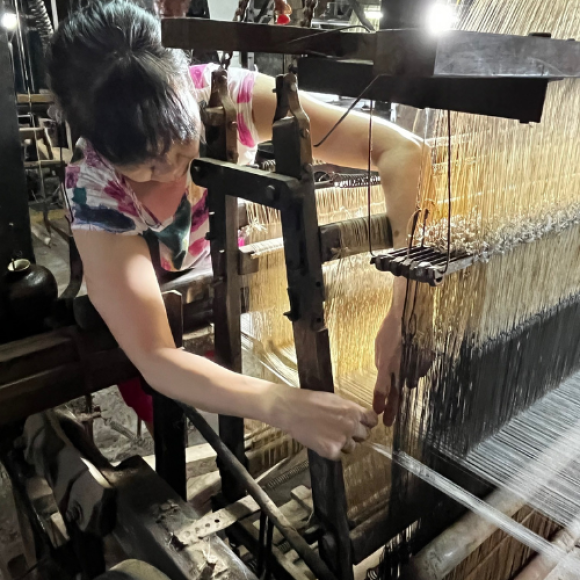

7-Day Ethnic Culture & Mountain Adventure