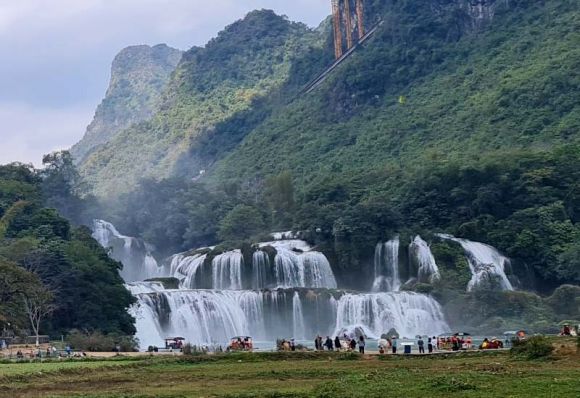
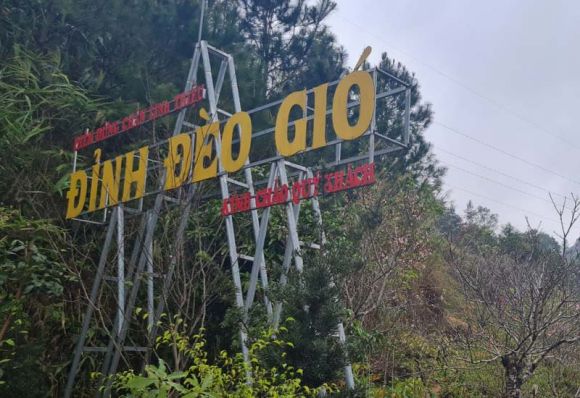
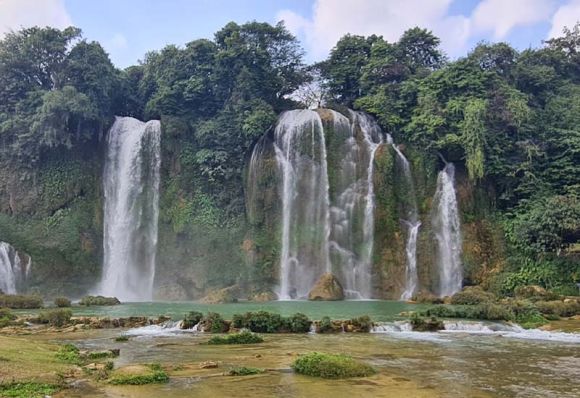
Cao Bang, located in the northeastern region of Vietnam, boasts a unique culinary landscape shaped by its ethnic diversity, geography, and cool climate. With insights from Asia Eyes Travel DMC Vietnam, travelers can discover the food traditions of ethnic minority groups such as the Tay, Nung, and Dao, enjoying hearty soups, fragrant grilled meats, and distinctive rice dishes. Here are some of the must-try dishes when visiting Cao Bang:
What to Eat in Cao Bang: Cao Bang offers a culinary experience rich in local flavors, ingredients, and traditions. The influence of the ethnic minorities in the region makes the cuisine distinct from other parts of Vietnam, providing an array of unique dishes that are both flavorful and deeply connected to the land. Whether you’re savoring roast duck infused with mac mat leaves or trying the adventurous bánh trứng kiến, a culinary journey in Cao Bang is sure to leave a lasting impression.
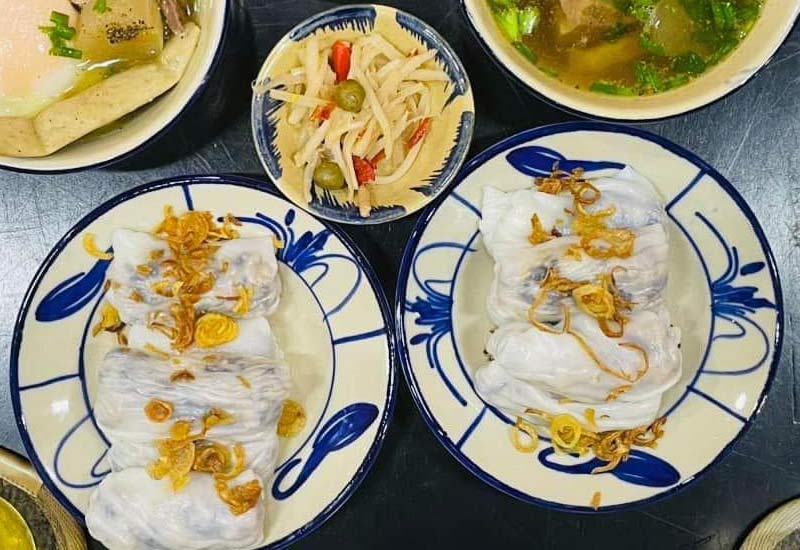
Banh cuon is a Vietnamese dish made of thin sheets of steamed rice batter filled with minced pork and mushrooms, commonly served in other parts of Vietnam. However, Cao Bằng’s version has a unique twist — it is served with a bowl of savory, hot broth instead of the traditional dipping sauce (nuoc cham). The broth is typically made from pork bones, giving it a rich and hearty flavor, which pairs perfectly with the delicate bánh cuốn rolls. Some versions also include eggs or fried shallots. The combination of warm broth and soft rice rolls makes this dish especially comforting in Cao Bằng’s cooler climate.
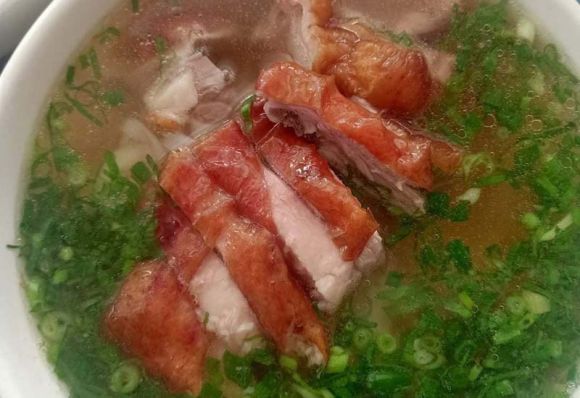
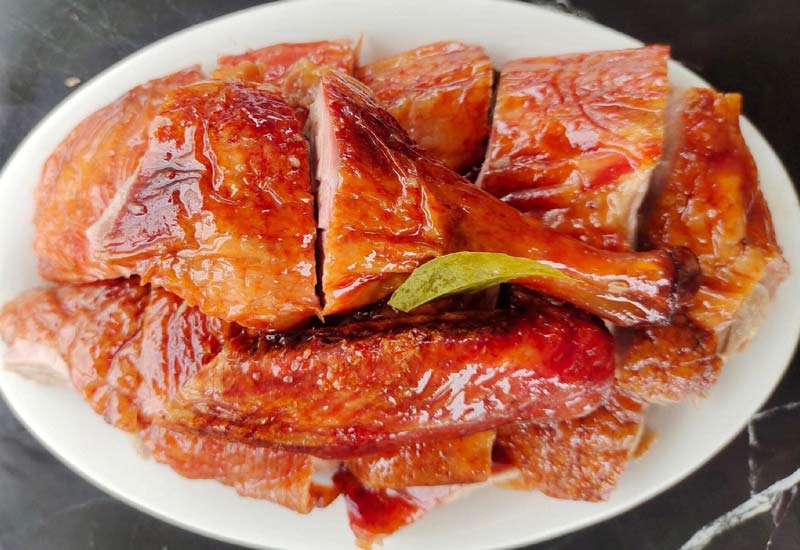
This dish is a specialty of the Tay people in Cao Bang. The duck is marinated with a mix of spices, including star anise, cardamom, honey, and herbs, and then roasted to perfection. The seven different styles include variations like grilled duck, duck salad, or duck in bamboo tubes. The duck is typically prepared with a fragrant herb called "mắc mật" (Clausena indica), which grows in the region and gives the dish its unique flavor. The complex flavors from the spices and herbs, combined with the crispy skin and tender meat, make this roast duck a memorable experience. Each preparation method highlights different aspects of the duck’s flavor.
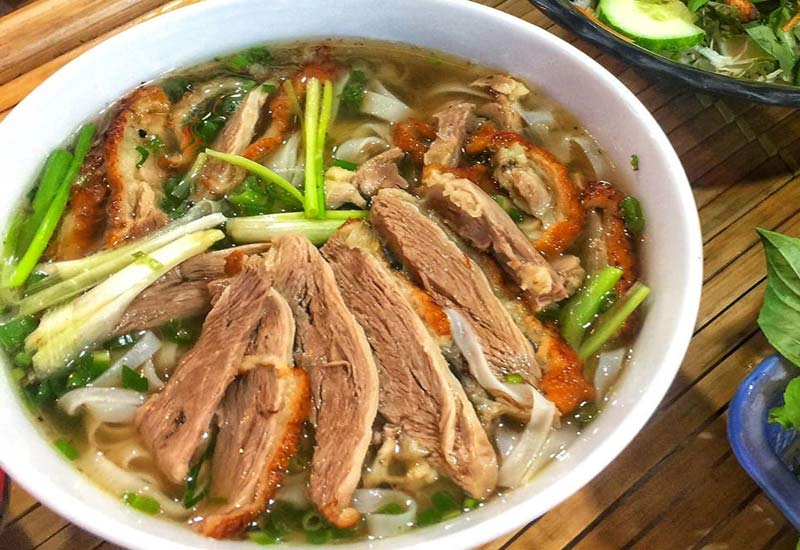
Pho Chua is a unique and refreshing take on the classic Vietnamese noodle dish, typically served cold or at room temperature. It consists of rice noodles topped with a tangy, sour sauce made from vinegar and mixed with ingredients like roast pork, fried potatoes, peanuts, pork liver, and herbs. The noodles are served with a rich array of textures and flavors, including sourness from the sauce, crispiness from fried ingredients, and the savory flavor of roast pork. This dish is a perfect option for those looking for something different from the typical phở, offering a refreshing, tangy flavor that contrasts beautifully with the rich, hearty ingredients.

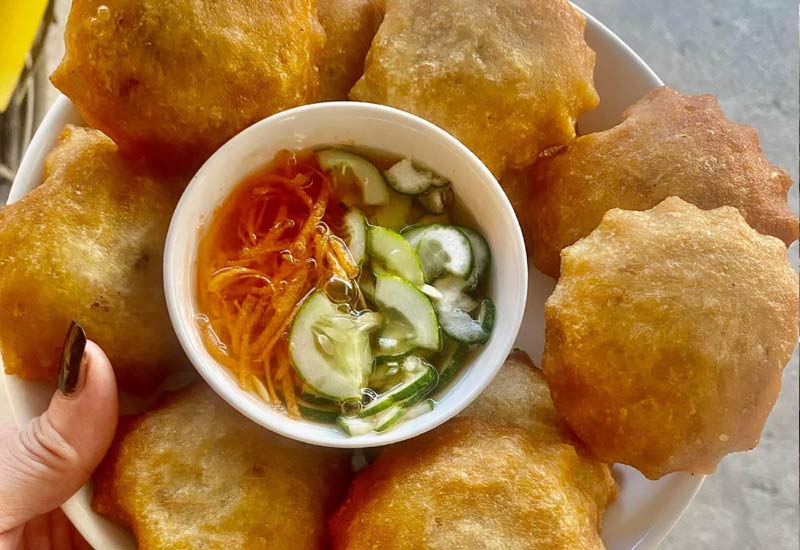
A popular street food snack in Cao Bang, banh ap chao consists of deep-fried rice cakes filled with minced pork or duck. The outer layer is made from sticky rice, resulting in a crispy outside and chewy, soft inside. The filling is often seasoned with local spices, giving the dish a fragrant and slightly smoky flavor. It’s a crunchy, delicious street food, especially popular during colder months, and makes for a satisfying snack or light meal.
Lap suon is a traditional dish of the ethnic minority groups in Cao Bằng, particularly the Tay and Nung people. It’s made from pork marinated with spices, including garlic, mac mat leaves, and other herbs, then smoked over wood or hung to air-dry. The sausages have a deep smoky flavor, with a slightly sweet and salty taste. The mắc mật leaves impart a unique aroma that you won’t find in other types of Vietnamese sausages. Often enjoyed during the Tet (Lunar New Year) holiday, this savory and smoky sausage pairs well with sticky rice or as a snack on its own.
One of the most unique dishes you can try in Cao Bang is banh trung kien, or ant egg cake. Made from glutinous rice flour and the eggs of black ants, this dish is typically prepared during spring when ant eggs are in season. The rice cakes are steamed with a topping of sautéed ant eggs and sprinkled with peanut oil and herbs. The ant eggs have a slightly crunchy texture and a subtle, nutty flavor. While it might sound unusual to outsiders, this dish is considered a delicacy by the Tay people, and it’s a rare opportunity to try something truly unique to the region.
Banh khao is a traditional cake made during the Lunar New Year in Cao Bằng. It’s made from glutinous rice flour, sugar, and sometimes filled with peanut or sesame seeds. The cake is pressed into molds to form beautiful patterns and shapes, and its slightly sweet, crumbly texture makes it a popular holiday treat. If you visit Cao Bằng during Tet, this cake is a must-try, as it represents the local culture and traditions of the region’s festivals.

This dish consists of buffalo meat that has been marinated with spices, including mắc khén (Sichuan pepper), garlic, and chili, and then dried and smoked over the kitchen fire. It is a specialty of the Tay and Nung people. The smoking process gives the meat a rich, smoky flavor, and it has a chewy, jerky-like texture. Thit trau gac bep is a quintessential ethnic dish in the mountainous regions of Vietnam, offering a taste of local food preservation techniques and robust, earthy flavors.
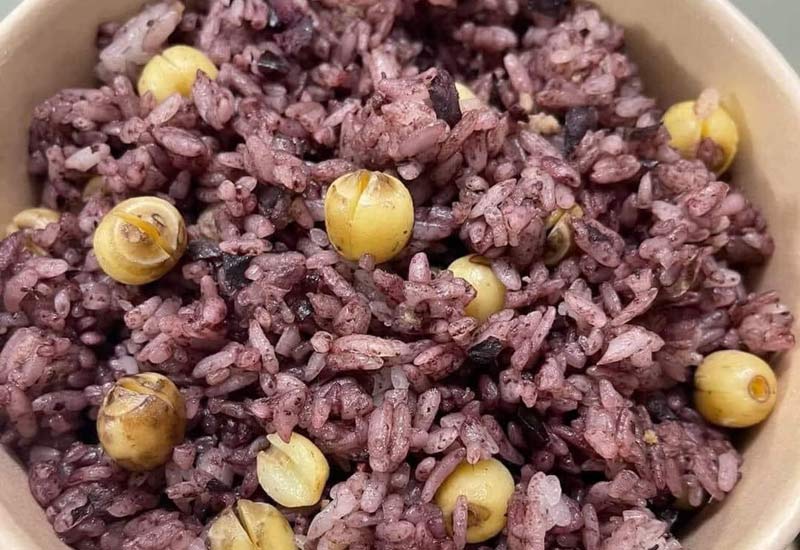
Xoi tram is sticky rice cooked with black tram fruit (Canarium odontophyllum), which is abundant in northern Vietnam during autumn. The tram fruit imparts a distinct purple color and a sweet, fragrant taste to the rice. This dish is often enjoyed during the harvest season, and the black tram fruit adds both flavor and color to the sticky rice, creating a visually appealing dish. It’s a unique dish that highlights the use of regional fruits and ingredients you’re unlikely to find elsewhere in Vietnam.
Taste the authentic flavors of Cao Bang with Asia Eyes Travel DMC Vietnam. From traditional ethnic dishes to locally sourced specialties, our Vietnam Small Group Tours guide you through the province’s unique culinary heritage for a truly unforgettable gastronomic experience.
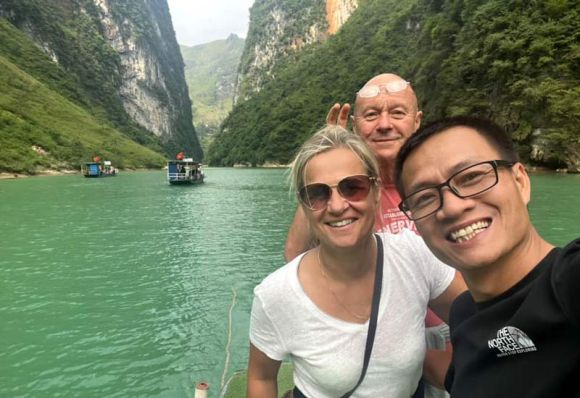
7-Day Ethnic Culture & Mountain Adventure
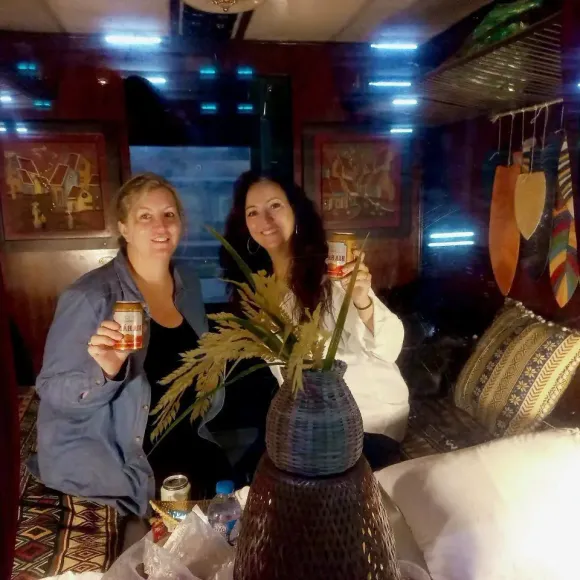
Vietnam Travel by Train from North to Central 15 Days
Discover Northern Vietnam 10 Days