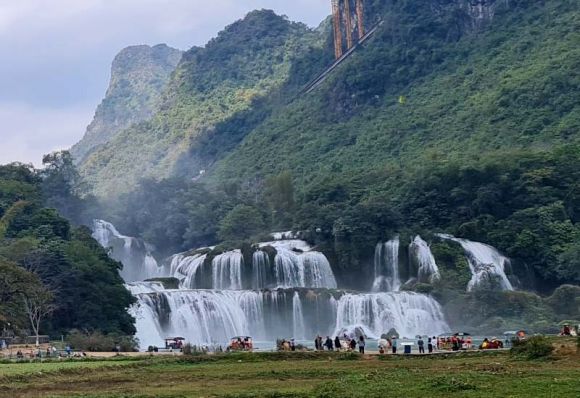
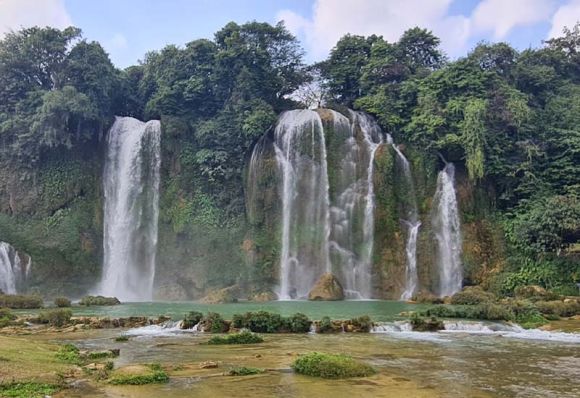
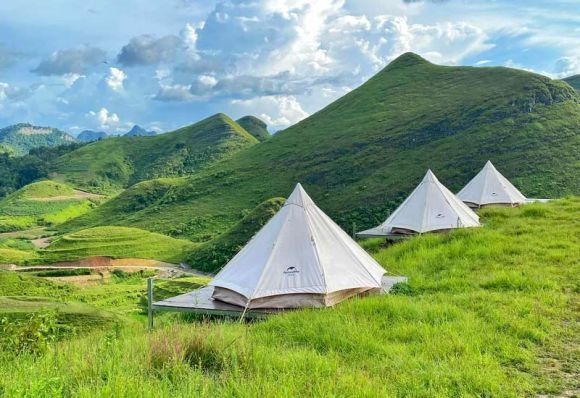
Cao Bang, located in northeastern Vietnam, is a remarkable destination known for its towering limestone mountains, pristine rivers, and deep historical significance. With its remote location and unspoiled landscapes, the province is ideal for travelers seeking authentic, off-the-beaten-path experiences. Asia Eyes Travel offers curated journeys that highlight Cao Bang’s natural beauty and cultural richness, ensuring visitors enjoy meaningful and well-planned adventures in this unique region.
Cao Bang Travel Tips: Cao Bang offers a mix of breathtaking natural beauty, cultural experiences, and historical sites. With its remote location and off-the-beaten-path charm, it requires a bit of extra planning, but the rewards are well worth it. Whether you're trekking to waterfalls, exploring caves, or immersing yourself in local ethnic culture, following these tips will help ensure you have a safe, enjoyable, and memorable trip.
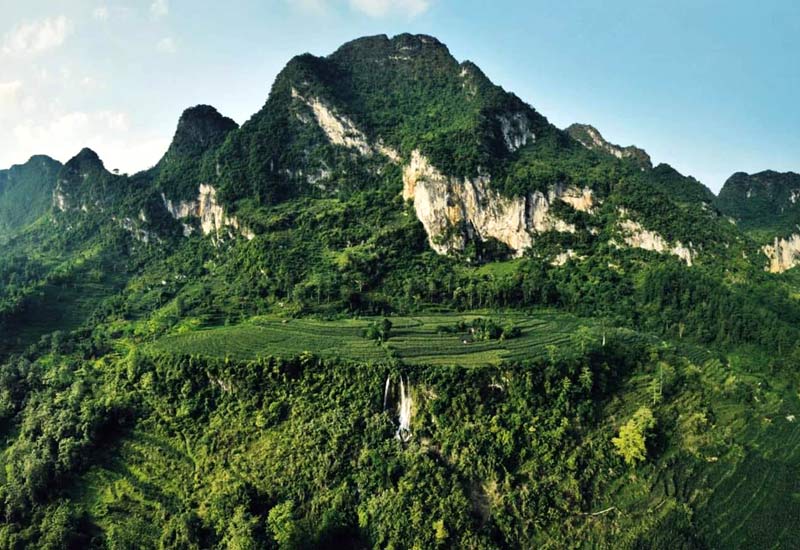
The climate in Cao Bang can be divided into two main seasons: the rainy season (April to October) and the dry season (November to March). However, the best times to visit are:
Avoid: It’s best to avoid the peak rainy season (June to August), as heavy rain can cause flooding, landslides, and make roads difficult to navigate.
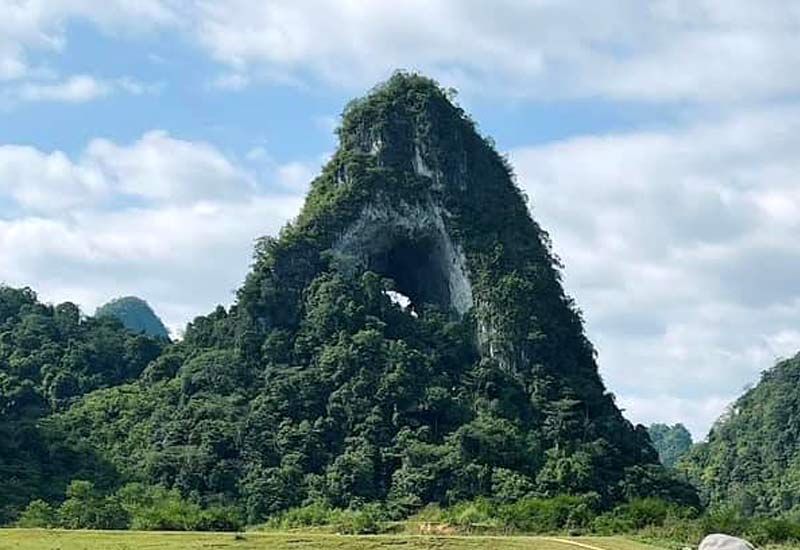
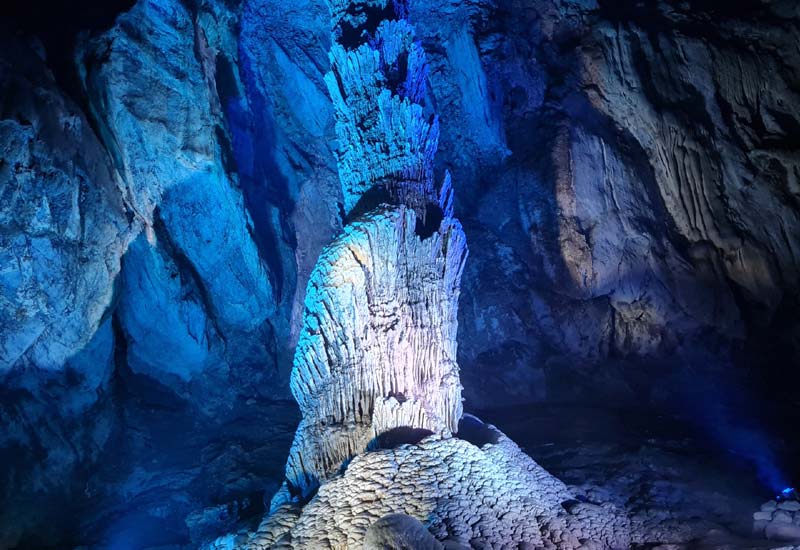
Traveling from Hanoi to Cao Bang takes approximately 6–8 hours by road, covering around 280–300 km. You can choose a sleeper bus or limousine van for an affordable journey, a private car for greater comfort and flexibility, or a motorbike for an adventurous trip through northern Vietnam's mountains. For the best experience, spend at least 3 days exploring Cao Bang, including Ban Gioc Waterfall, Nguom Ngao Cave, and the beautiful surrounding countryside. Contact Asia Eyes Travel for personalized itineraries and the latest tour prices.
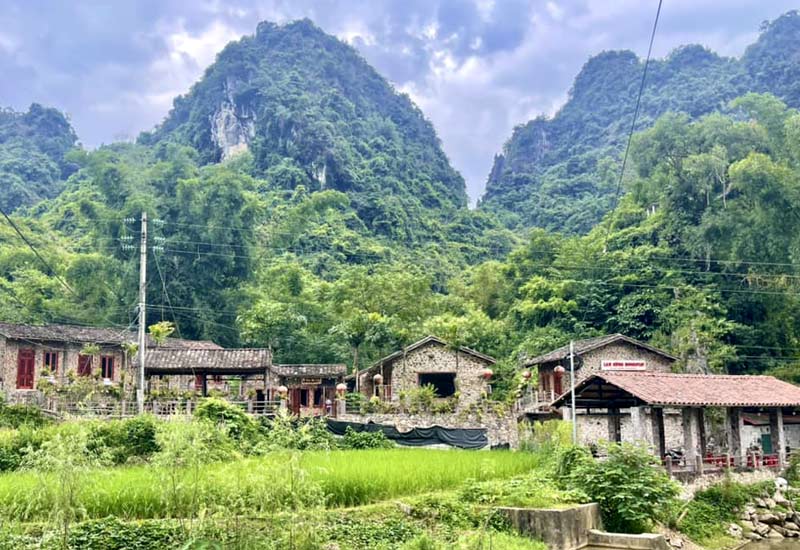
Getting around Cao Bang is easiest by motorbike, private car, or guided tour. Motorbikes offer flexibility for experienced riders, while private cars provide greater comfort for families and small groups. Local attractions such as Ban Gioc Waterfall, Nguom Ngao Cave, and Thang Hen Lake are spread across the province, so plan your route carefully. For a hassle-free experience, choose a private tour with a local driver and guide to explore Cao Bang's beautiful landscapes and ethnic villages.
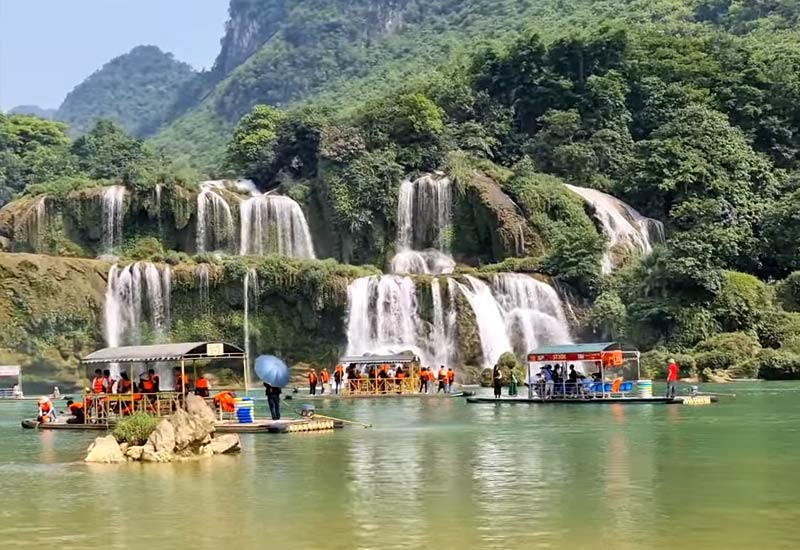
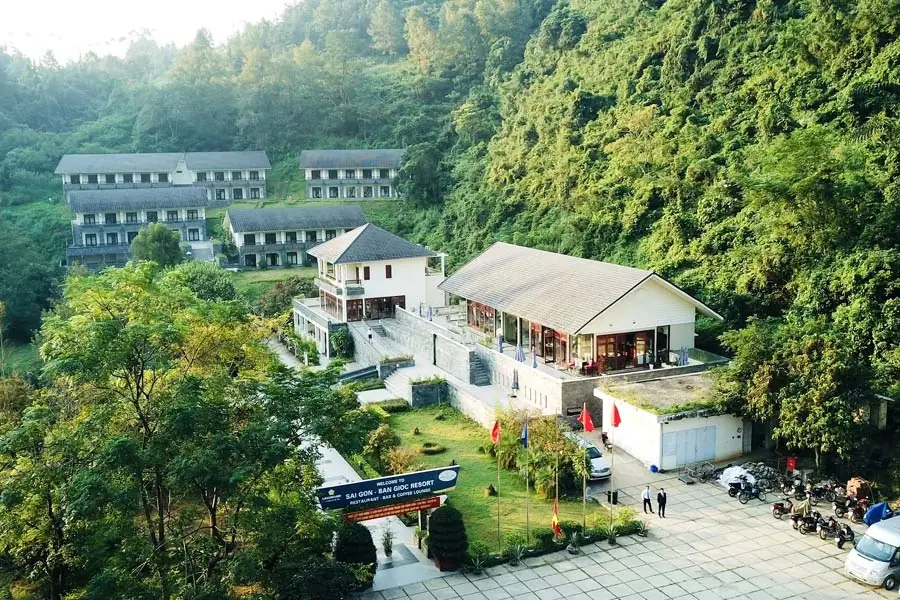
Cao Bang offers a range of accommodation, from budget guesthouses and comfortable hotels to traditional homestays in ethnic villages. Staying in Cao Bang City is convenient for restaurants and transport, while homestays near Ban Gioc Waterfall provide a more peaceful countryside experience. Book early during weekends and peak travel seasons, especially if you prefer accommodation with mountain views. For the best experience, choose a location that matches your itinerary and allows enough time to explore Cao Bang's natural attractions.
When visiting Cao Bang, pack comfortable walking shoes, lightweight clothing, a waterproof jacket, sunscreen, insect repellent, and a reusable water bottle. Bring warm layers if traveling in winter, as temperatures can drop significantly in the mountains. If you plan to explore Ban Gioc Waterfall, Nguom Ngao Cave, or remote villages, carry cash, personal medication, and a power bank. A small backpack is useful for day trips, especially when traveling by motorbike or exploring Cao Bang's scenic countryside.
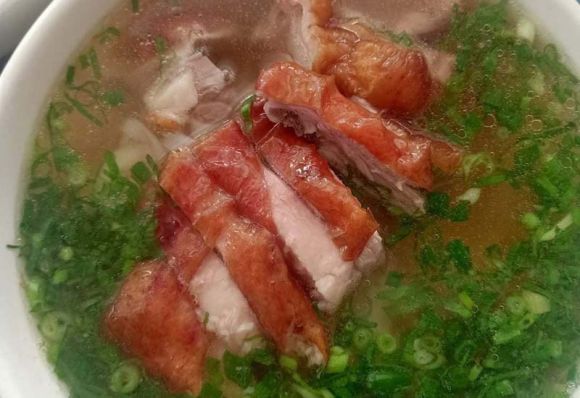
Cao Bang is known for its delicious and distinctive regional food, often influenced by the local ethnic groups. Must-try dishes include:
Local restaurants and street food stalls can be found in Cao Bang City and near major tourist spots. Homestays often provide meals that showcase traditional dishes.
Always drink bottled or filtered water. Tap water in rural areas may not be safe to drink.

The Vietnamese Dong (VND) is the local currency. ATMs are available in Cao Bang City but are scarce in rural areas, so make sure to carry enough cash, especially if you plan on staying in homestays or visiting remote areas. Cao Bang is generally a budget-friendly destination. Homestays and local food are inexpensive, and entrance fees to attractions are minimal. Budget travelers can expect to spend around $40 - 50USD per day.
If you would like to book a Cao Bang tour, including a visit to Ban Gioc Waterfall or other destinations in Northeast or Northwest Vietnam, please contact us for the latest prices and detailed itineraries. We will be happy to customize your trip to suit your preferences.
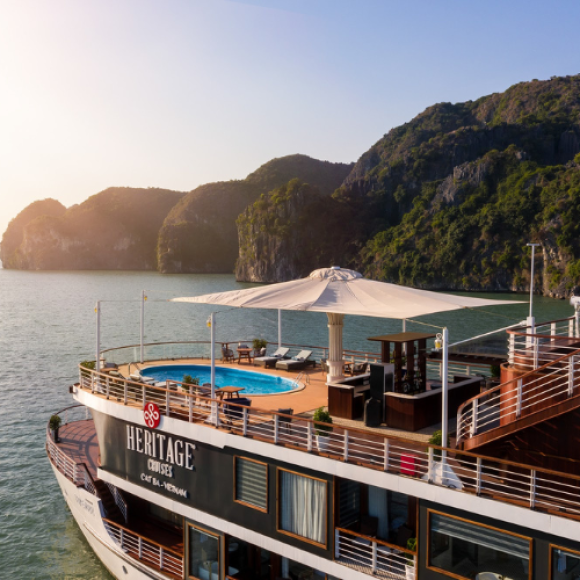

Discover Northern Vietnam 10 Days
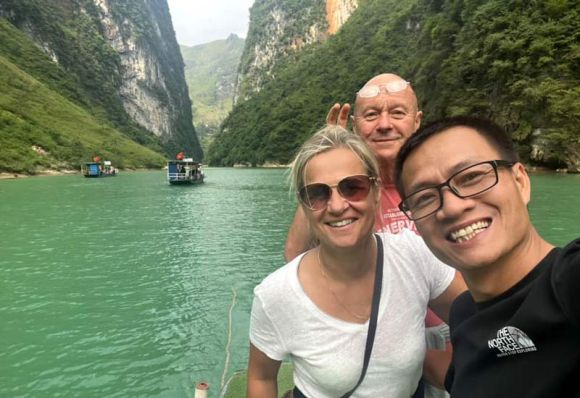
7-Day Ethnic Culture & Mountain Adventure
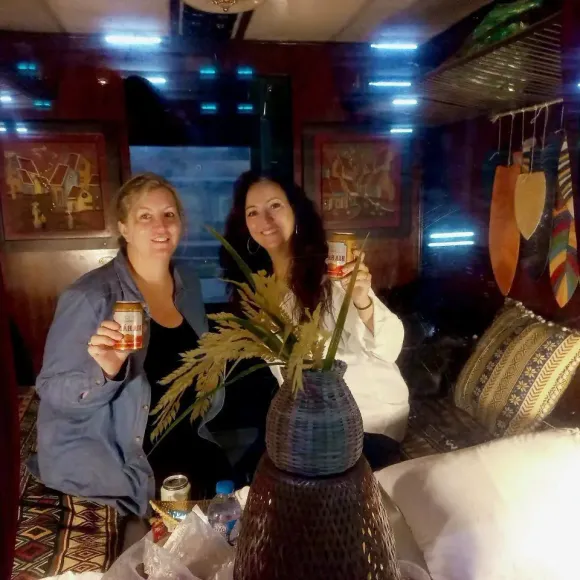
Vietnam Travel by Train from North to Central 15 Days