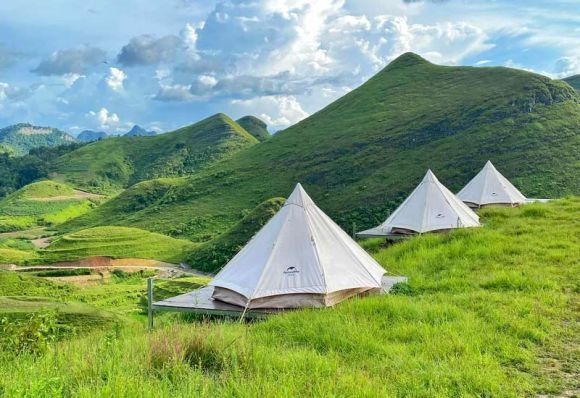
The best time to visit Cao Bang depends on the experiences you seek, as the region’s distinct seasons offer varying activities and landscapes. With guidance from Asia Eyes Travel DMC Vietnam, travelers can plan their trip for the most pleasant periods—typically September to November and March to May-when the weather is favorable and the scenery is at its peak. Here’s a breakdown of the best times to visit Cao Bang based on weather, festivals, and attractions:
Best Time to Visit Cao Bang : The best time to visit Cao Bang is September to November (autumn) or March to May (spring), when the weather is pleasant, and the scenery is at its most beautiful. Autumn is perfect for photography and sightseeing, while spring offers blooming landscapes and local festivals. If you don’t mind cooler temperatures, winter can be a peaceful time to explore, while summer is ideal for adventurers willing to brave the rain to see Cao Bang’s waterfalls at their peak.
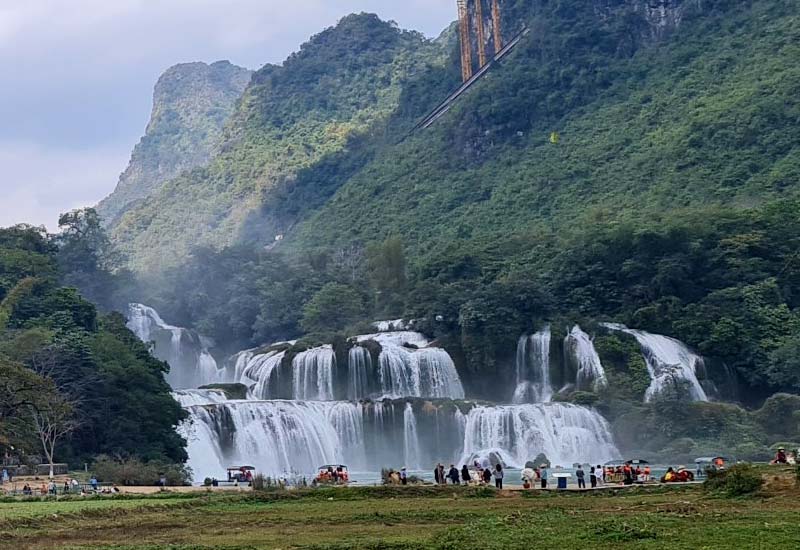
The temperature during autumn is mild, ranging from 20°C to 25°C (68°F to 77°F). The air is fresh, and the skies are often clear, making it perfect for outdoor activities.
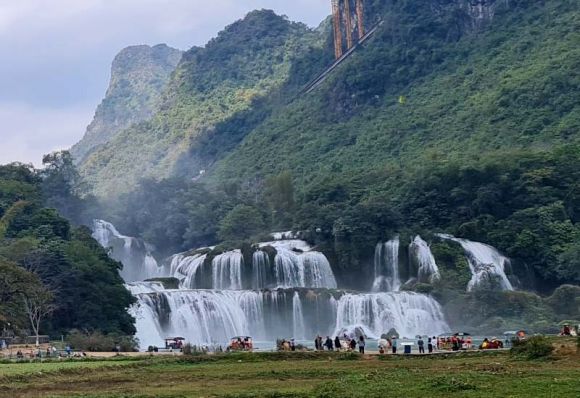
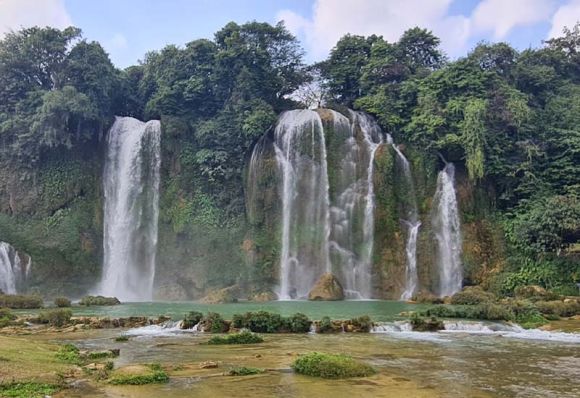
Why Visit: The Ban Gioc Waterfall is still at a high flow from the summer rains, making it a spectacular sight, but the weather is cooler and more comfortable than during the rainy season. The rice terraces are golden and ready for harvest, providing stunning views and excellent photo opportunities. Trekking and exploring the countryside are enjoyable as the humidity is lower, and the trails are dry.
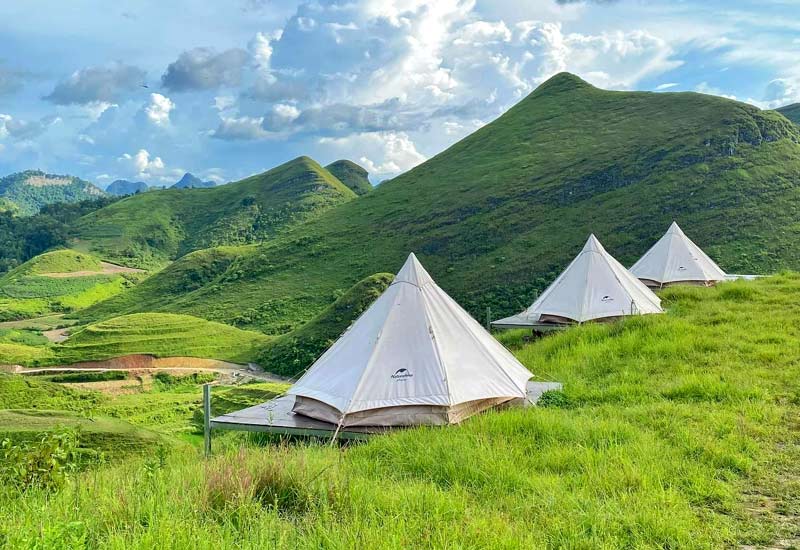
Spring is also a pleasant time, with temperatures between 18°C and 25°C (64°F to 77°F). The landscape is lush, and flowers begin to bloom, especially peach blossoms and plum blossoms in the mountains.
Why Visit: The Long Tong Festival, celebrated by the Tay ethnic group in February or March, is a vibrant agricultural festival where locals pray for a good harvest and enjoy traditional games and performances. The forests and hills around Cao Bằng are lush and green, with flowers blooming in the villages and fields. Water levels in the rivers are steady, making this an ideal time for activities around the rivers, such as rafting near Ban Gioc Waterfall.
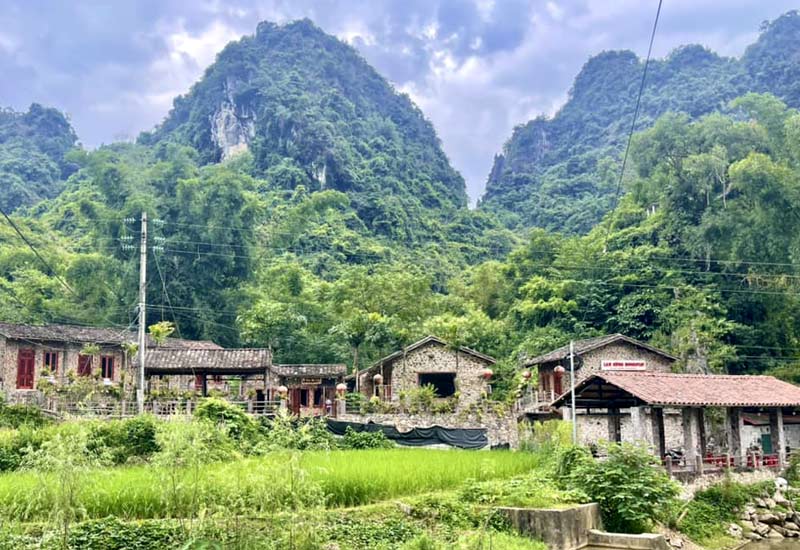
Winter in Cao Bằng can get quite cold, especially in the highland areas. Temperatures can drop as low as 5°C (41°F), especially at night. While it’s not as cold as northern Vietnam’s higher elevations like Sapa, it can be chilly.
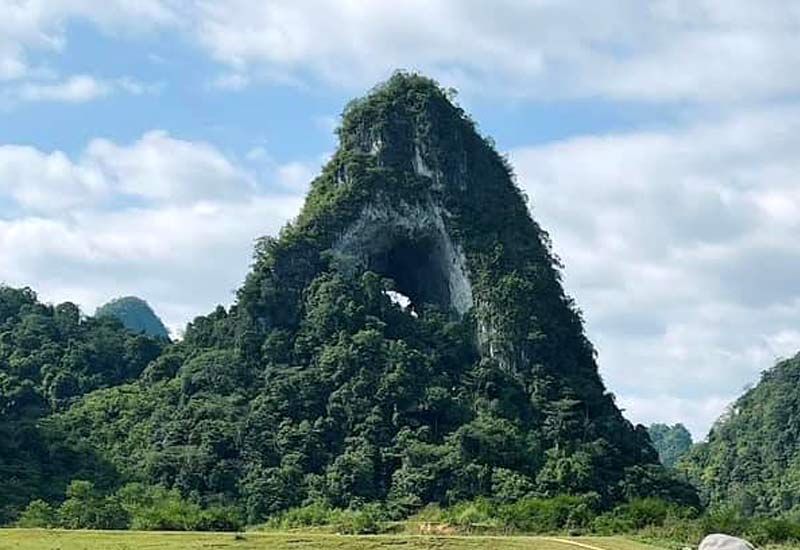
Why Visit: The misty mountains and cool temperatures give the region a mysterious, peaceful atmosphere. If you enjoy quiet travel, this is a less crowded season, perfect for a peaceful retreat with fewer tourists. Be prepared for cold and possibly wet conditions, which may make trekking and outdoor activities more challenging. Some of the waterfalls may not be as full, but the overall scenery is still beautiful.
Summer in Cao Bang is hot and humid, with temperatures reaching 28°C to 32°C (82°F to 90°F). This is also the rainy season, especially in July and August, when heavy rains can make travel more difficult.
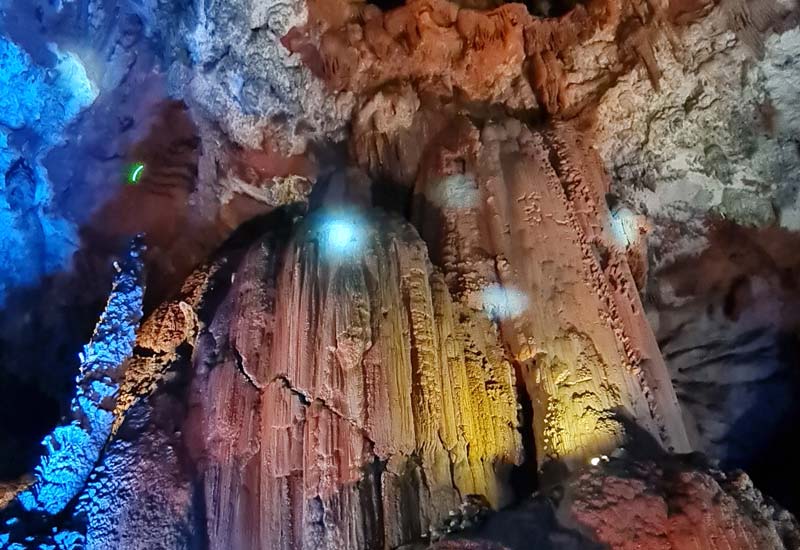
Why Visit: The Ban Gioc Waterfall is at its most powerful, fed by the summer rains, creating an awe-inspiring natural spectacle. If you enjoy adventure and don’t mind occasional downpours, summer is a good time for rafting and exploring the dramatic landscapes, though trails may be muddy. The region is lush and green due to the rains, offering some of the most vibrant natural scenery. Roads can be slippery, and heavy rain may cause delays in travel. Humidity and occasional heat can be uncomfortable for some travelers.
Plan your trip to Cao Bang at the perfect time with Asia Eyes Travel DMC Vietnam. Our Vietnam Small Group Tours help you experience the province’s stunning landscapes, cultural festivals, and natural attractions during the best seasons for weather and sightseeing.


Vietnam Family Tour 16 Days from North to South

Discover Northern Vietnam 10 Days

Vietnam Travel by Train from North to Central 15 Days

7-Day Ethnic Culture & Mountain Adventure