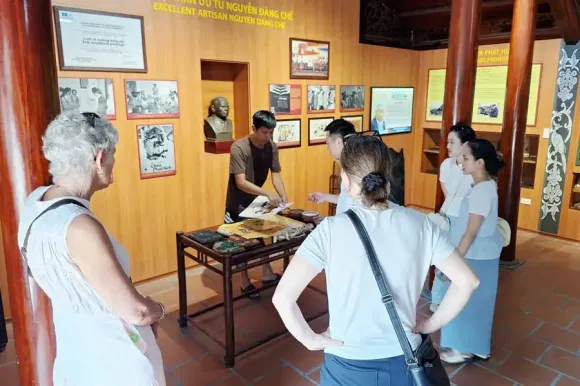
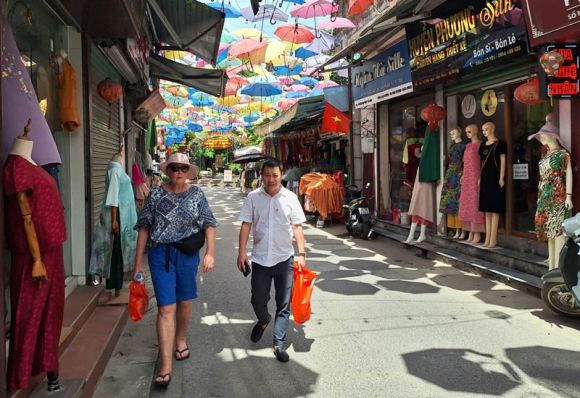
Traditional Craft Villages in Vietnam offer a unique way to experience the country's culture, heritage, and local way of life beyond the main tourist attractions. For generations, Vietnamese artisans have preserved traditional skills such as pottery making, silk weaving, lacquerware, bamboo crafts, incense making, and other handmade products.
Visiting these villages allows you to see traditional products being made, meet local artisans, learn about time-honored techniques, and understand how these crafts remain part of everyday Vietnamese life. Many villages are located near major cities, making them easy to visit as part of Vietnam cultural tours and private day trips.
From North to Central and South Vietnam, each region has its own distinctive craft traditions. From Hanoi, you can discover Bat Trang pottery village, Van Phuc silk village, Ha Thai Lacquerware Village, and incense villages. Central Vietnam is known for traditional pottery, lantern making, and other handmade crafts, while Southern Vietnam offers villages specializing in coconut products, ceramics, rice paper, and local handicrafts.
Exploring traditional craft villages in Vietnam is an excellent choice for those who want a more authentic cultural experience. These visits can also be combined with local markets, countryside tours, cooking experiences, and visits to historic attractions, creating a richer and more meaningful Vietnam travel experience.
Traditional Craft Villages in Northern Vietnam offer a fascinating glimpse into the region's rich culture, history, and traditional way of life. Many villages are located around Hanoi and can be visited on a private day trip. Visitors can discover pottery, silk weaving, lacquerware, bamboo crafts, and incense making while meeting local artisans and learning about traditional techniques.
For those who want to experience authentic local culture beyond Hanoi's main attractions, visiting traditional craft villages is an excellent choice. These cultural experiences can easily be combined with Hanoi City Tours, allowing visitors to explore the capital's historic landmarks while discovering the traditional crafts and rural communities surrounding Hanoi.
Fifteen kilometres southeast of Hanoi, Bat Trang has been making ceramics for around seven hundred years and shows no sign of slowing down. It is a sprawling, slightly chaotic working village of kilns, courtyards stacked with drying pots, and showrooms selling everything from tea sets to enormous decorative vases. The pottery class here is the most accessible hands-on craft experience in northern Vietnam: you throw a piece on the wheel, glaze it, and can have it fired and shipped home. Come on a weekday morning, when production is in full swing and the tour groups have not yet arrived.

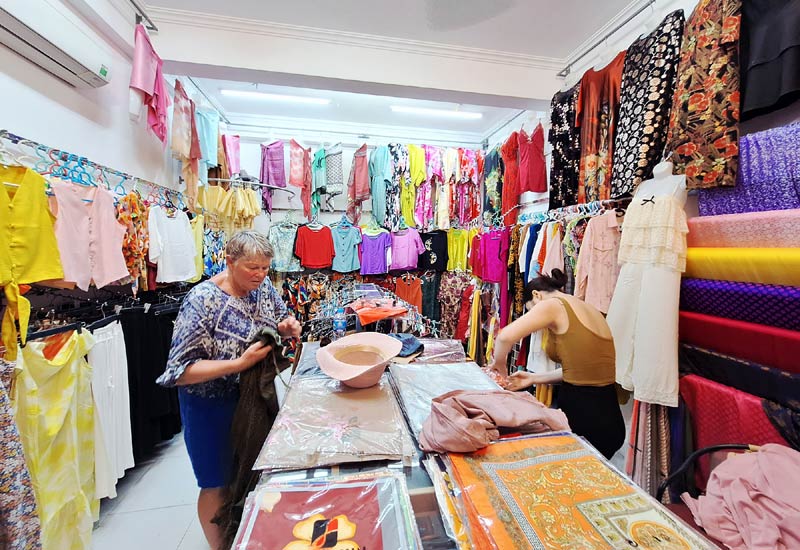
Van Phuc Silk Village, located near Hanoi, is one of Vietnam's best-known traditional silk-making villages. The village has a long history of silk weaving and is famous for its colorful fabrics, traditional looms, and skilled local artisans. Visitors can explore local workshops, see how silk is produced, and shop for scarves, clothing, and other handmade silk products. A visit to Van Phuc is a great addition to Hanoi Craft Village Tours for anyone interested in Vietnamese culture, traditional crafts, and authentic local village life.
Dong Ho Folk Painting Village, located in Bac Ninh Province near Hanoi, is famous for its traditional Vietnamese woodblock paintings. These colorful artworks often depict Vietnamese daily life, folk stories, festivals, and cultural traditions. Visitors can learn about the traditional printing process, see local artisans at work, and discover the cultural meaning behind each painting. A visit to Dong Ho is an excellent addition to Hanoi Countryside Tours for travelers interested in Vietnamese art, heritage, and traditional crafts.
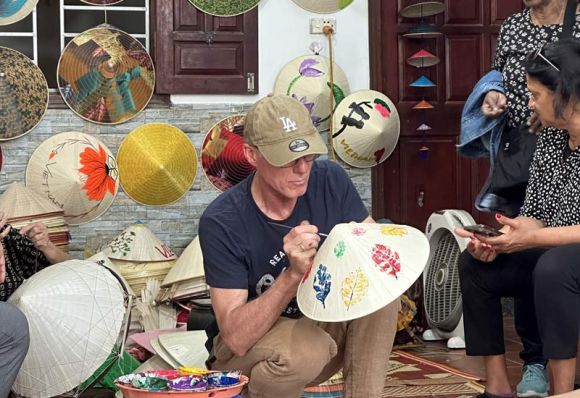
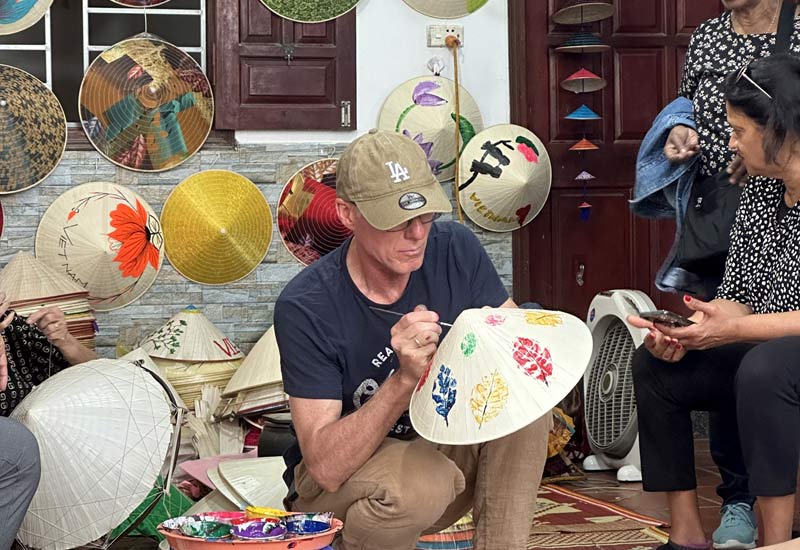
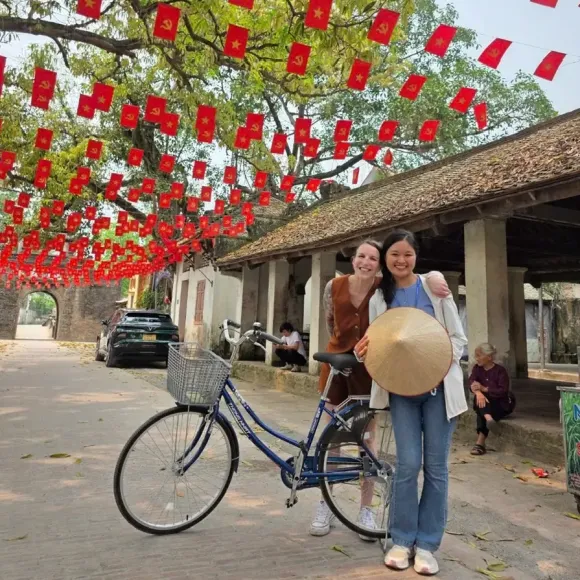
Located about 30 kilometers south of Hanoi, Chuong Conical Hat Village is one of Vietnam’s traditional craft villages and has been making the iconic nón lá (Vietnamese conical hat) for generations. The craft remains an important part of local life, with thousands of handmade hats produced each month.
Watching the artisans make a conical hat is a fascinating experience. Palm leaves are carefully dried and flattened, then placed over a bamboo frame and stitched into neat concentric circles. The work requires great patience and skill, and local artisans can often complete a hat within just a few hours.
You can observe the traditional process, meet local craftspeople, and even try making a conical hat themselves. The village is especially lively on early-morning market days, when the area around the communal house fills with stacks of white hats, palm leaves, and local products.
A visit to Chuong Conical Hat Village offers an authentic glimpse into Vietnam’s traditional craftsmanship and rural life.
About forty kilometres west of Hanoi, Chang Son Fan Village makes hand fans from split bamboo and mulberry paper, a trade the village has practised for more than two hundred years. The fans once travelled as far as the French colonial expositions in Paris, and the older artisans still remember the export boom. Alongside fan making, Chang Son also has a long tradition of carpentry and woodcarving, adding another layer of craftsmanship to the village.
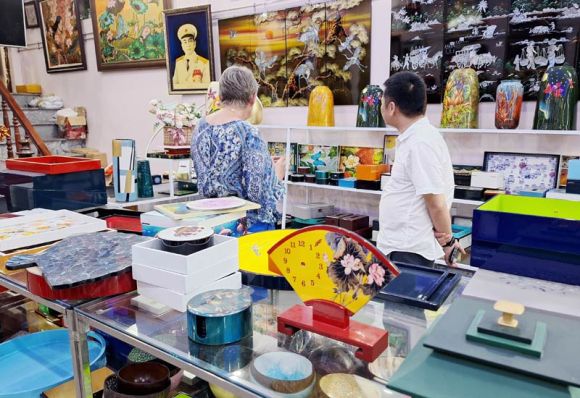
Located about 17 kilometers southwest of Hanoi, Ha Thai Lacquerware Village is one of the best places to discover Vietnam’s traditional lacquer craftsmanship. The village has a long history of producing beautifully decorated lacquerware, with local artisans passing their skills from one generation to the next.
The process is fascinating and requires considerable patience. Artisans carefully prepare wooden or bamboo objects before applying multiple layers of lacquer. They may then add eggshell, mother-of-pearl, gold leaf, or hand-painted details to create intricate patterns and polished finishes. Depending on the product, the work can take several weeks or even longer to complete.
Visitors can explore family-run workshops, watch artisans at work, and learn more about the techniques behind Vietnam’s distinctive lacquerware. There are also opportunities to purchase handmade trays, boxes, bowls, paintings, and decorative items directly from local workshops.

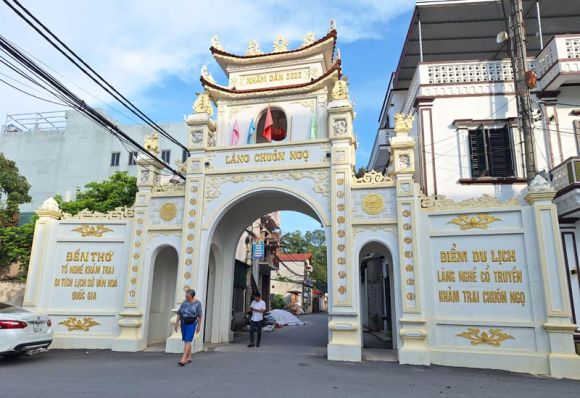
Located in the Red River Delta south of Hanoi, Chuon Ngo Mother-of-Pearl Inlay Village is one of Vietnam’s oldest traditional craft villages, with a history of mother-of-pearl inlay dating back around a thousand years. The craft is remarkably detailed and requires exceptional patience and precision.
Local artisans carefully cut mother-of-pearl shells into tiny pieces, sometimes only a few millimeters wide, before shaping each fragment and fitting it into carefully carved recesses in wooden surfaces. The pieces are then polished to create intricate patterns that seem to change in color and brightness as the light moves across them.
Traditional products include decorative panels, cabinets, furniture, trays, and beautiful household items. Visitors can visit local workshops, watch skilled craftsmen at work, and learn about the techniques that have been passed down through generations.
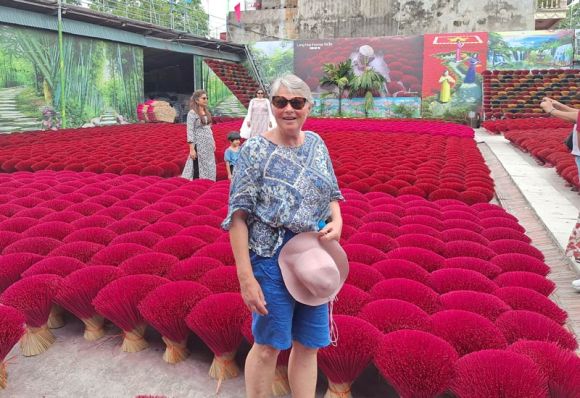
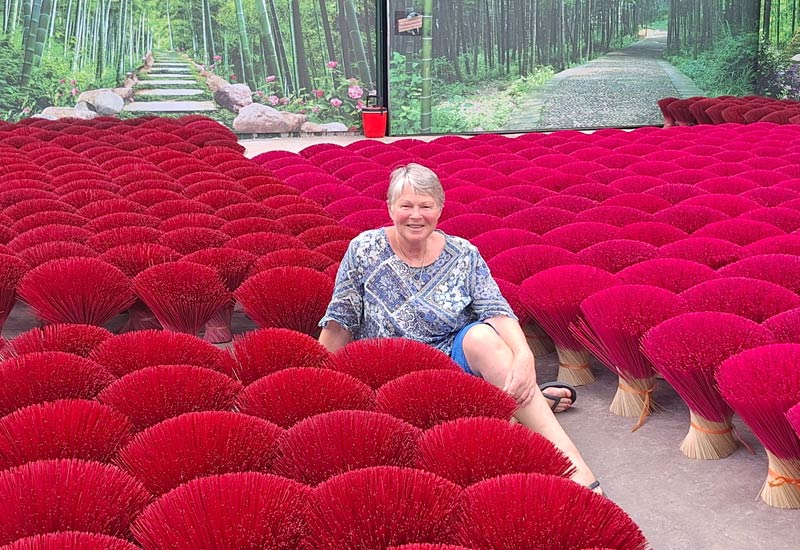
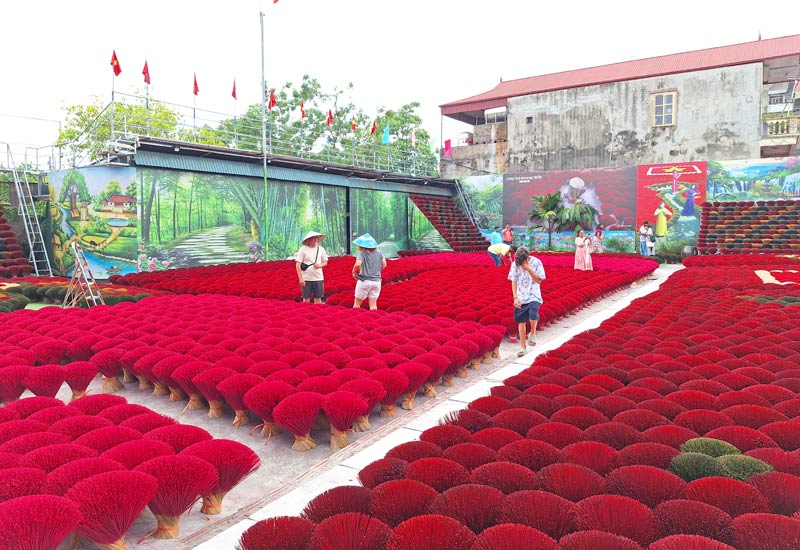
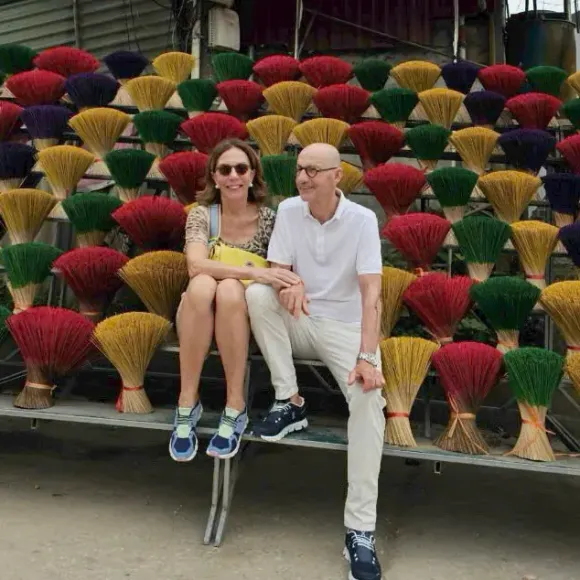
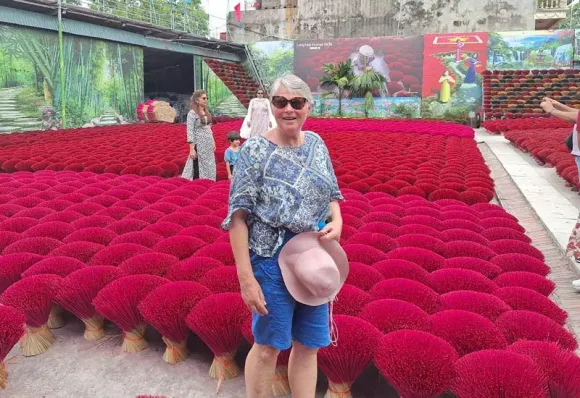
Located about 35 kilometers southwest of Hanoi, Quang Phu Cau Incense Village is one of the most colorful traditional craft villages in Vietnam. The village has been making incense for generations, and the craft remains an important part of local life and culture.
The village is especially famous for its striking bundles of brightly colored incense sticks, which are carefully arranged in large displays to dry in the sun. The vivid red, pink, and yellow colors create beautiful patterns and make Quang Phu Cau Incense Village a popular destination for photographers and travelers interested in authentic Vietnamese crafts.
During a visit, you can see how local artisans split bamboo sticks, dye them, dry them, and prepare them before the incense powder is added. You can also visit family-run workshops and learn how this traditional craft has been preserved over generations.
A trip to Quang Phu Cau Incense Village is an excellent addition to a Hanoi countryside tour, offering a memorable combination of traditional craftsmanship, local culture, and rural Vietnamese life.
Located about 25 kilometers southwest of Hanoi, Phu Vinh Bamboo and Rattan Village has been preserving the art of bamboo and rattan weaving for around 400 years. The village is known for its beautifully crafted products, including baskets, lampshades, furniture, decorative items, and even intricate woven portraits.
Local artisans use a wide variety of traditional weaving techniques, with more than a hundred different patterns passed down through generations. Their skill and attention to detail can turn simple bamboo and rattan into delicate designs that sometimes look almost machine-made.
Visitors can explore local workshops, watch artisans demonstrate their techniques, and learn more about the traditional craft. Some workshops also offer simple hands-on activities, making it possible to try weaving under the guidance of experienced craftsmen.
Because Phu Vinh is relatively close to Chuong Conical Hat Village, the two villages can easily be combined into a relaxing Hanoi countryside tour. Together, they offer an excellent opportunity to experience traditional Vietnamese craftsmanship and rural life in a single half-day trip.
The craft villages of Central Vietnam reflect the region’s long and fascinating history. Around Hue, many traditional crafts developed in connection with the former imperial court, religious traditions, and local culture. Around Hoi An, craftsmanship was influenced by centuries of international trade, creating strong traditions in pottery, woodworking, silk, and other handicrafts.
A visit to a craft village is also an opportunity to meet local people and see how traditional skills continue to play a role in everyday life. Many workshops are family-run, with techniques passed from parents and grandparents to younger generations.
For travelers looking for authentic cultural experiences, these villages can be easily included in a Central Vietnam tour or private day trip. A Hue Countryside Scooter Tour is a great way to reach traditional villages, rice fields, and local communities while enjoying the peaceful rural scenery. Alternatively, Jeep Tours offer a fun and comfortable way to explore the countryside and combine craft villages with other cultural and scenic attractions.
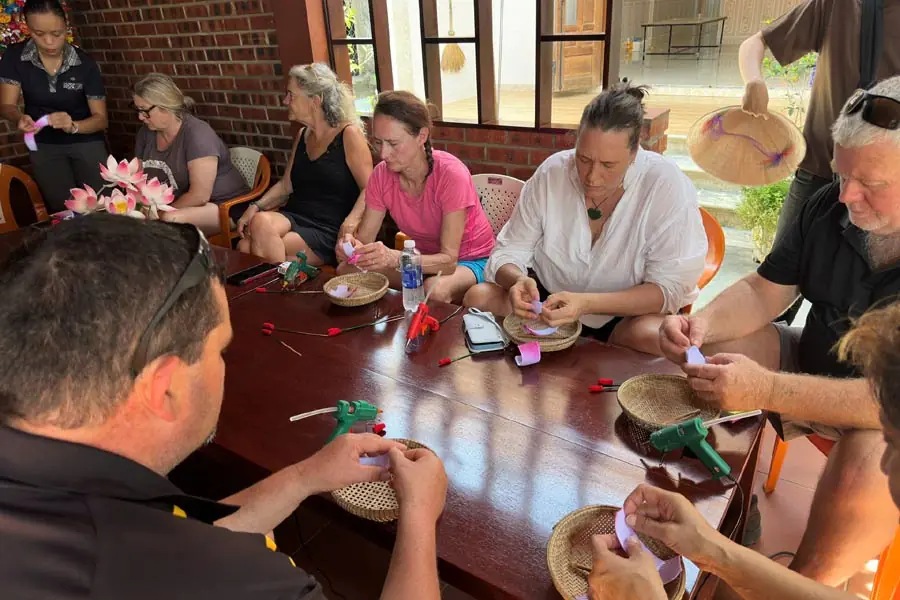
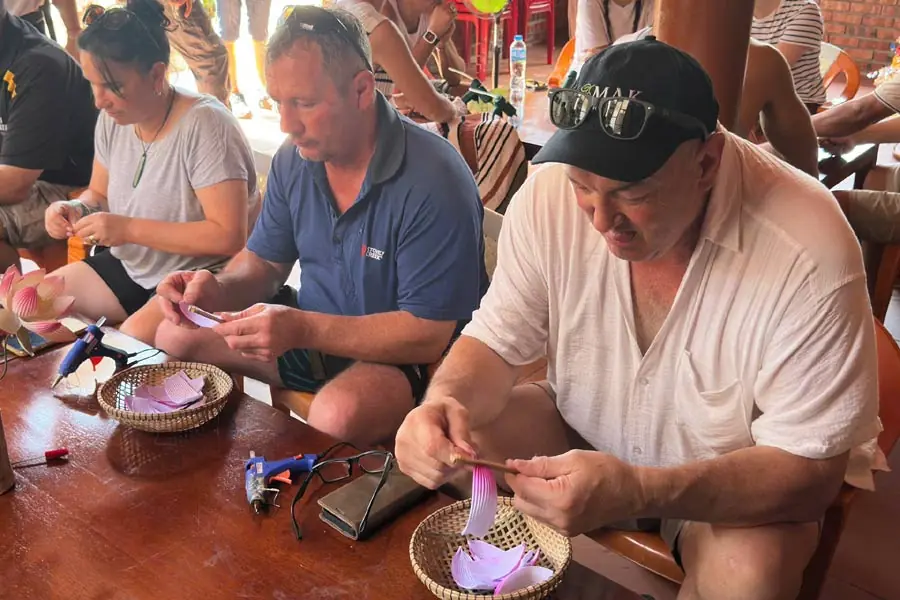
Located along the peaceful banks of the Huong River near Hue, Thanh Tien Paper Flower Village is a traditional craft village famous for its delicate handmade paper flowers. The craft has been preserved by local families for generations and remains closely connected with Hue’s cultural and spiritual traditions.
Local artisans carefully shape colored paper and bamboo into flowers inspired by lotus, chrysanthemums, orchids, and other traditional designs. Each flower is handmade with great attention to its shape, colors, and intricate details. These beautiful flowers are traditionally used for festivals, worship ceremonies, and special occasions.
Visiting Thanh Tien gives travelers the opportunity to meet local artisans, watch the flower-making process, and learn about the cultural meaning behind this unique craft. The village can be particularly lively during Tet and other traditional celebrations.
A visit to Thanh Tien Paper Flower Village is a wonderful addition to a Hue countryside scooter tour, offering a peaceful and authentic way to experience local culture, traditional craftsmanship, and rural life around Hue.
Across the Thu Bon River from Hoi An on Cam Kim Island, Kim Bong Carpentry Village produced the intricate woodwork you see throughout Hoi An Ancient Town, and its carvers still work in open riverside sheds where the floor is ankle-deep in shavings. The short boat crossing is half the pleasure, and the island's quiet lanes are ideal for cycling afterwards.
Thanh Ha Pottery Village
Located just a few kilometers from Hoi An Ancient Town, Thanh Ha Pottery Village is one of Vietnam’s most charming traditional craft villages. The village has a history of pottery making spanning several centuries, with local artisans continuing to preserve traditional techniques passed down through generations.
During a visit, you can watch skilled craftsmen shape clay by hand and use traditional pottery wheels to create bowls, vases, plates, figurines, and other everyday objects. The process is simple but fascinating, especially when you see how quickly experienced artisans can transform a piece of clay into a finished product.
One of the highlights is the opportunity to try making your own pottery. With guidance from local craftsmen, visitors can sit at the pottery wheel and create a small handmade souvenir to take home.
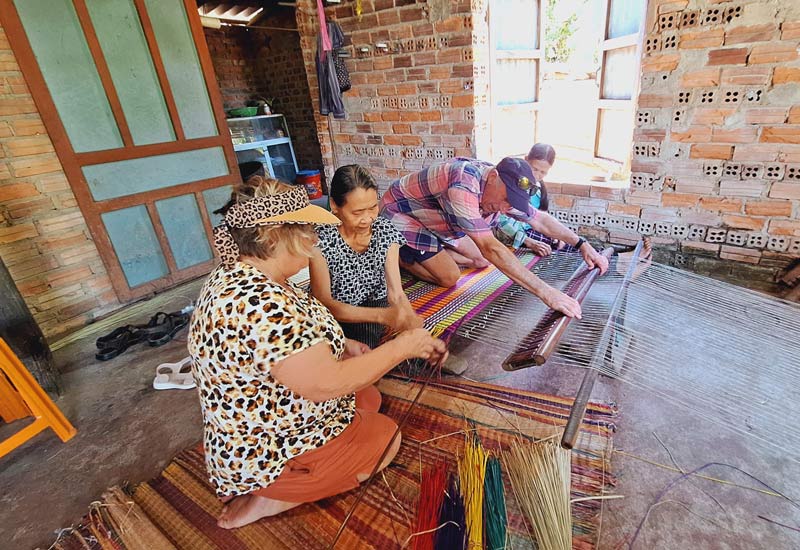
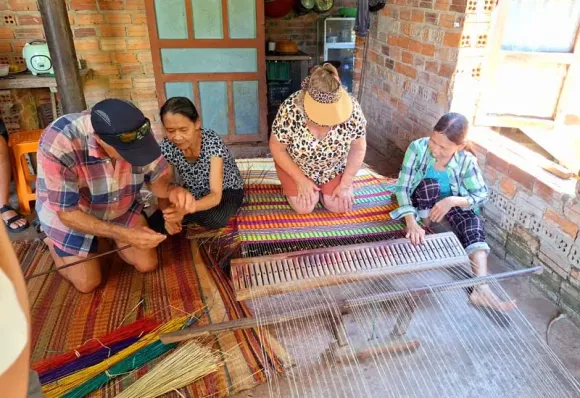
Located in Danang City near Hoi An, Ban Thach Sedge Mat Village is a traditional craft village known for its colorful handmade sedge mats. The craft has been part of local life for generations, with artisans carefully weaving natural sedge into durable mats used in Vietnamese homes.
The process begins with harvesting and drying the sedge before it is dyed in bright colors. Skilled artisans then weave the strands together by hand, creating traditional patterns as well as more modern designs. Watching the colorful threads come together on a simple weaving loom offers a fascinating glimpse into the patience and craftsmanship behind these everyday products.
Visitors can walk through the village, meet local artisans, observe the weaving process, and learn more about this traditional craft. The experience also provides an opportunity to see a quieter side of rural life in central Vietnam.
Traditional Craft Villages in Southern Vietnam offer a fascinating glimpse into the region’s local culture, craftsmanship, and rural way of life. From the Mekong Delta to the areas surrounding Ho Chi Minh City, visitors can discover villages specializing in coconut products, rice paper, ceramics, handicrafts, and other traditional goods.
Visiting these villages allows you to meet local artisans, observe traditional production methods, and learn how generations of families have preserved their skills. These experiences can easily be combined with Mekong Delta Tours and Ho Chi Minh City Tours, offering a more authentic way to explore Southern Vietnam beyond its main tourist attractions. Contact us for more details and let us help you arrange a customized craft village tour in Southern Vietnam.
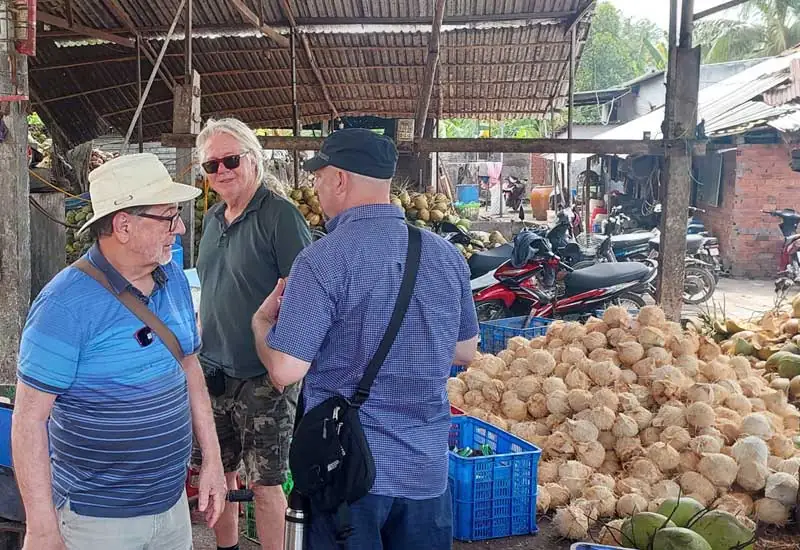
Located in the heart of the Mekong Delta, Ben Tre Coconut Candy and Handicraft Village offers a fascinating glimpse into the region’s traditional way of life. Known as the “land of coconut,” Ben Tre has developed a strong local craft tradition based on the abundant coconut trees that grow throughout the province.
Visitors can learn how fresh coconut milk is cooked with sugar and other ingredients before being cut and wrapped into the famous Ben Tre coconut candy. Local workshops often demonstrate the entire process, allowing travelers to see how this popular Vietnamese sweet is traditionally made.
Beyond coconut candy, local artisans also create a variety of useful and decorative products from coconut shells, leaves, and other natural materials. You can visit family-run workshops, meet local craftspeople, sample freshly made coconut products, and purchase handmade souvenirs.
A visit to a Ben Tre coconut candy and handicraft village is an enjoyable addition to a Mekong Delta tour, combining local food, traditional craftsmanship, and authentic rural experiences. It is an excellent way to discover the everyday culture and creativity of the people living along the Mekong River.
Located in Can Tho, Thuan Hung Rice Paper Village is a traditional craft village in the heart of the Mekong Delta. For generations, local families have preserved the art of making Vietnamese rice paper by hand.
The process usually begins early in the morning. Artisans prepare rice batter, spread it into a thin layer over a steaming cloth, then carefully lift each sheet and place it on bamboo racks to dry naturally in the sun. Visitors can walk through the village, watch the traditional production process, meet local makers, and sometimes try making rice paper themselves.
Morning is the best time to visit when the village is most active. The experience is a great addition to a Mekong Delta 2 Days tour, especially when combined with Can Tho’s floating markets, waterways, and local villages.
Contact Asia Eyes Travel to customize your Mekong Delta tours with a flexible itinerary and authentic local experiences.
Also in Dong Thap, Dinh Yen has been known for traditional sedge mat weaving for around two centuries, and it comes with the delta's best piece of folklore. The village's mat market traditionally ran in the dead of night, lit by oil lamps, with buyers and sellers moving quietly among stacks of mats - earning it the local nickname "the ghost market." The trade is quieter now and largely daytime, but the weaving continues in family homes: sedge cut from the riverbanks, dyed in bright vats, then worked on two-person looms in a fast back-and-forth rhythm. Visitors are usually invited to take the reed and try a few rows.
Located in Binh Duong Province near Ho Chi Minh City, Lai Thieu Pottery Village is a traditional craft village with a long history of pottery making. Local artisans have preserved traditional techniques for generations, producing a variety of practical and decorative ceramic products.
Visitors can explore local workshops and see how clay is shaped, dried, glazed, and fired to create bowls, pots, vases, and other handmade items. Watching skilled craftsmen at work offers an interesting insight into the patience and precision behind traditional Vietnamese pottery.
For a more comfortable experience, you can visit the village by private car with a tour guide. Your local guide can explain the history of the craft, introduce you to local artisans, and help you explore the village at a relaxed pace.
Contact Asia Eyes Travel to arrange a private car with a tour guide and customize your Vietnam tour.
The best time to visit Vietnam’s traditional craft villages depends on the region and the type of experience you want. In general, the cooler and drier months from October to April are comfortable for exploring villages, especially in Northern and Central Vietnam
However, the best time to visit Vietnam’s craft villages is in the morning. Most local workshops start working early, so visitors have a better chance of seeing artisans actively making pottery, conical hats, incense, silk, bamboo products, and other traditional crafts. Morning temperatures are also cooler and more comfortable for walking around the villages.
For craft villages around Hanoi, an early morning visit is particularly recommended. In Central Vietnam and the Mekong Delta, morning tours also provide a pleasant way to explore local workshops and rural communities before the weather becomes hotter.
Asia Eyes Travel can arrange private transportation and experienced local guides, helping you visit Vietnam’s craft villages comfortably and enjoy authentic cultural experiences.
To book a private Craft Village Day Trip, Contact Asia Eyes Travel to plan a personalized Vietnam itinerary featuring traditional craft villages, local artisans, and authentic cultural experiences tailored to your interests and travel schedule.
Authentic Chuong Conical Hat Village Half Day Tour
Hoi An Craft Villages Tour: Pottery, Carpentry & Farming
Hanoi Rural Craft Villages Tour
Hanoi Traditional Craft Villages Day Trip