Kim Bong Carpentry Village is one of the oldest and most respected traditional craft villages in central Vietnam. Located on Cam Kim Island, on the peaceful southern bank of the Thu Bon River, the village is just 2 km across the river from Hoi An Ancient Town and about 5 km by road via the Cam Kim Bridge. For more than 500 years, generations of skilled carpenters have crafted elegant furniture, fishing boats, temples, ancestral houses, and the intricate wooden details that define Hoi An's unique architectural heritage. Today, the village remains a living craft community where visitors can explore family-run workshops, watch master craftsmen at work, learn traditional woodworking techniques, and even try wood carving with guidance from a local artisan.
Many Hoi An Tours combine Kim Bong Carpentry Village with other traditional craft villages, offering an easy way to explore the living cultural heritage beyond Hoi An Ancient Town. This guide covers where Kim Bong is, how to get there, what its artisans create, the best things to do, entrance fees, opening hours, the best time to visit, and practical travel tips before you cross the Thu Bon River.
Kim Bong's woodworking tradition goes back around 500 years, to clans who migrated from Thanh Hoa and settled this bend of the Thu Bon River, with hardwood forests upstream and Hoi An's trading port directly across the water. During the port's golden era, its carpenters built the merchant houses, temples and trading ships that impressed Japanese, Chinese and European merchants. Trade collapsed in the 19th century, but Hoi An's UNESCO listing in 1999 revived demand for traditional joinery, and the craft became national intangible heritage in 2016.
The village became known for three main specialties:
The most visible work in the village is sculptural: Buddha figures, dragons, temple guardians, relief panels, calligraphy boards and small carved animals. Artisans work mostly in jackfruit wood and imported hardwoods, using hand chisels, mallets and adzes rather than power tools, and a mid-sized statue can take weeks. Detail is where reputations are made here, particularly in faces and scales. If you have bought a wooden souvenir anywhere in Hoi An, there is a strong chance it was carved in this village.
Kim Bong has built boats for as long as it has built houses, and the shipyards along the riverbank are the village's most photogenic sight. Fishing boats and river craft are assembled outdoors on wooden cradles, planks steamed and bent by hand, hulls caulked and painted in the open air. The yards are unfenced, so you can walk in, watch, and photograph without a ticket. Ask first and builders will usually wave you through, sometimes with a grin and a joke you will not understand.
The village's most prestigious work is invisible to most tourists, because it happens inside Hoi An's protected buildings. Kim Bong teams restore timber frames, roof structures, carved doors and altar screens across the Old Town, assembly halls and outlying pagodas, using traditional joinery rather than nails or modern fixings. This restoration work is what pulled the craft back from the edge after 1999, and it remains the steadiest income for the village's most experienced master carpenters today.
Today, while modern machinery supports some production, many artisans still preserve hand-carving techniques that have been passed down through generations.
The riverside workshops are open-sided and welcoming, and artisans genuinely do not mind an audience. Many will demonstrate how a traditional chisel is held, and some will carve your name into a scrap of wood to show you the technique. Time your visit for mid-morning or mid-afternoon, since carvers often go home to eat and rest around midday. In the rainy season the workshops open less predictably, so a morning visit is the safer bet.
Between the boat landing and Cam Kim Market sits the workshop of Huynh Ri, born in 1940 and the most decorated carpenter the village has produced. His team restored the carvings at Trung Hoa and Fujian Assembly Halls, Quan Cong Temple, and the god statue at the Japanese Covered Bridge, and he recreated the lost ghe bau trade boat. Founded with UNESCO support in 1997 to train successors, the workshop has since taught more than 150 carpenters. Young artisans still work here daily.
Follow the riverbank a few minutes from the ferry landing and you reach open boat yards where hulls sit half-finished on the mud. There is no barrier, no guide and no set route, just sawdust, coconut fibre caulking, the smell of resin and the sound of mallets. Early morning light on the river makes this the best photography spot in the village. Wear closed shoes, watch where you step, and stay clear of anything being lifted or braced.
The village works best as the first stop on a wider ride. Beyond Kim Bong, Cam Kim opens into flat lanes through rice paddies, mat-weaving hamlets, small family shrines and riverside cafés with almost no traffic. Bring a bicycle across on the ferry, as many visitors do, and give yourself two or three hours to loop the island. This is the version of Hoi An that existed before the Old Town filled with tailors and tour groups.
Prices here are usually lower than in the Old Town, for the simple reason that the people selling are the people who carved. Shops line the riverside path, and the galleries of respected artisans such as Huynh Ri and his son Huynh Suong hold the finest pieces. Expect everything from small keyrings and chopsticks to large statues that need shipping. Bring cash in small notes, since cards are rarely accepted anywhere on the island.
Ferry: the classic route. Local boats leave from the quay on Bach Dang Street near Hoi An Central Market and cross to Kim Bong in about 10 minutes for a few thousand dong, dropping you at the village landing. Services are frequent but not fixed, so check return times. Bicycle or motorbike: ride out via Hung Vuong Street and the Cam Kim bridge, roughly 20 minutes, and you can bring a bike onto the ferry too. Private boat: worth arranging if you want flexible timings. Guided tour: the easiest option for an English-speaking guide and combined village stops.
Entrance is 35,000 VND per adult, collected at the ticket counter near the new boat station; when the counter is closed you can simply walk in. The village is open from sunrise to sunset, and mid-morning or mid-afternoon is the best time to arrive, as this is when the workshops are actually busy. February to August is dry and reliable but hot, so bring sun protection, a hat and water, since there is little shade along the river. From September to January expect rain, pack a poncho and waterproof shoes, and be aware that workshops and shipyards may close on wet days.
To make the most of your visit, keep these practical tips in mind:
Explore more with Asia Eyes Travel's Hoi An Tours beyond Kim Bong Carpentry Village. Join our Hoi An Countryside Jeep Tour or experience the scenic countryside on the Hoi An Countryside by Vespa, where you'll ride through peaceful rice fields, traditional villages, local markets, and riverside landscapes. You can also explore Hoi An Ancient Town, join authentic Hoi An cooking classes, cruise along the Thu Bon River, and visit other local craft villages such as Thanh Ha Pottery Village. Every tour offers a perfect blend of culture, local cuisine, and unforgettable experiences in this UNESCO World Heritage destination.
Kim Bong opens up completely when someone can translate for you. Asia Eyes Travel arranges private visits that go beyond a quick look, with a boat crossing of the Thu Bon River, time inside the carving workshops and riverside boat yards, and an introduction to the master carpenters who restore Hoi An's heritage houses.
We also create tailor-made Hoi An Tours around whatever interests you most, with knowledgeable English-speaking guides, private transportation and flexible itineraries from start to finish. Contact us at info@asiaeyestravel.com or WhatsApp +84 935 946 688 (Mr. Thuc Nguyen) for more details.

Discover the Hoi An Countryside by Vespa


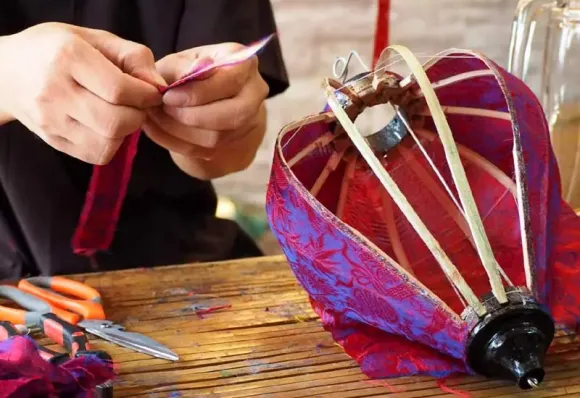
Hoi An Lantern Making & Tra Que Farming Bike Half Tour
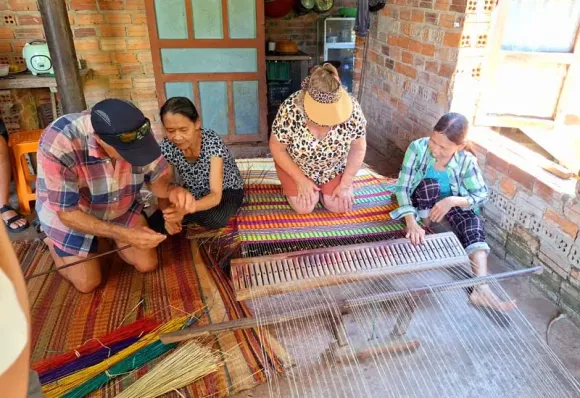
Hoi An Craft Villages Tour: Pottery, Carpentry & Farming