


Chuon Ngo Village
Mother-of-Pearl Craft Village
- Home /
- Blog /
- Vietnam Travel Guide /
- Chuon Ngo Village - The Shimmering Soul of Vietnam’s Inlay Art
Chuon Ngo Village embodies the delicate beauty and emotional depth of Vietnam’s mother-of-pearl inlay tradition. More than a destination to observe, it is a place to truly feel - where the quiet focus of artisans, the iridescent shimmer of shell under soft light, and generations of pride come together. This centuries-old craft tells a story of patience, precision, and cultural continuity. Curated by Asia Eyes Travel DMC Vietnam, this guide highlights immersive Chuon Ngo Village tours and meaningful Vietnam craft village experiences that reveal the artistic soul of northern Vietnam.
About 25 kilometers southeast of Hanoi lies a quiet yet extraordinary place — Chuon Ngo Village, the cradle of Vietnam’s mother-of-pearl inlay craft. Here, artisans turn simple wood into dazzling works of art using techniques passed down for over a thousand years. For travelers who want to go beyond Hanoi’s bustling streets and experience authentic craftsmanship, Chuon Ngo is a jewel worth discovering.
The history of Chuon Ngo’s inlay craft dates back to the 11th century, during the reign of King Ly Nhan Tong. Legend speaks of a man named Nguyen Kim Luong, who traveled to China, learned the mother-of-pearl inlay technique, and brought it back to his homeland. Since then, the village has been devoted to perfecting this delicate art form.
In the centuries that followed, Chuon Ngo’s works adorned royal palaces, temples, and the homes of Vietnam’s elite. Today, while machinery can imitate the look of inlay, the hand-crafted pieces from Chuon Ngo remain unmatched in detail and soul.
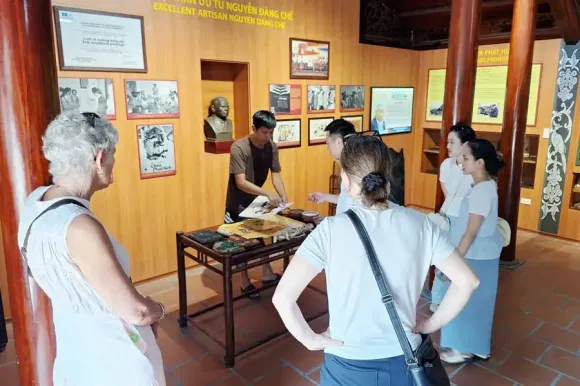
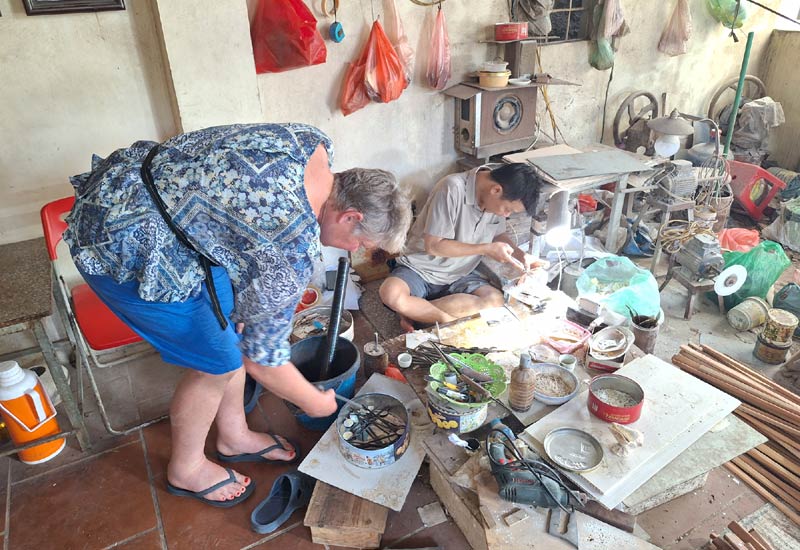
Mother-of-pearl inlay is the meticulous process of embedding iridescent shell pieces into wood surfaces to create intricate patterns and images. Visiting Chuon Ngo, you’ll witness artisans hunched over their workbenches, their hands steady as they carve delicate grooves into wood, fit shimmering shell pieces, and polish the surface to perfection.
The final result is breathtaking - a shimmering contrast between dark wood and the rainbow luster of the shell.
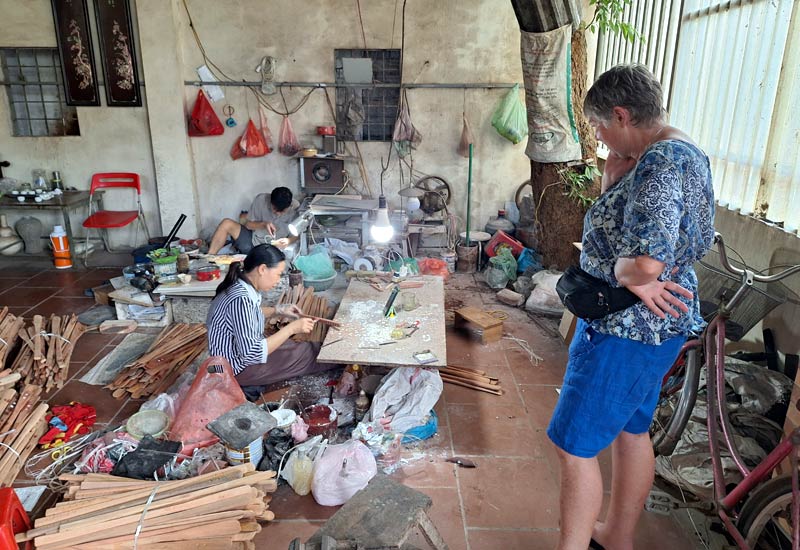
Step into family workshops where every generation works side-by-side. The patience, precision, and artistry you’ll see is humbling.
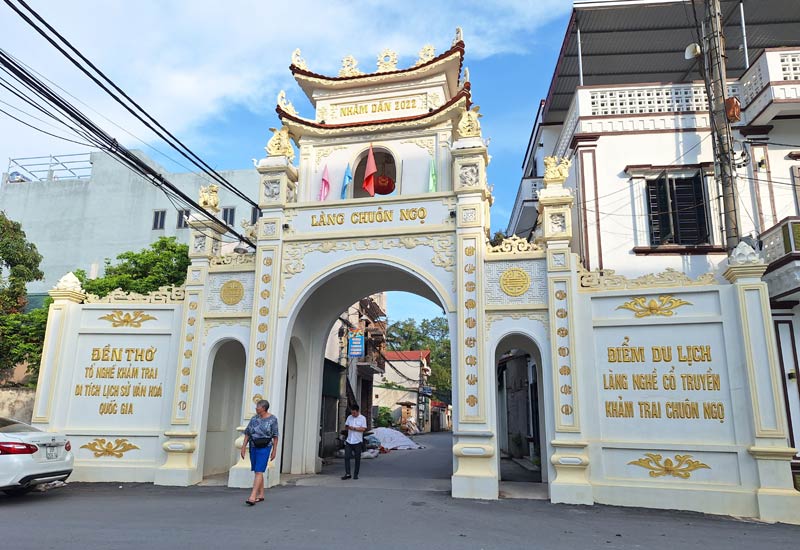
The communal house and temple honor Nguyen Kim Luong, the craft’s founding figure. Their architecture reflects both Confucian tradition and local craftsmanship.
From small jewelry boxes to elaborate furniture pieces, every item is a work of art. Smaller pieces are surprisingly affordable and make meaningful keepsakes.
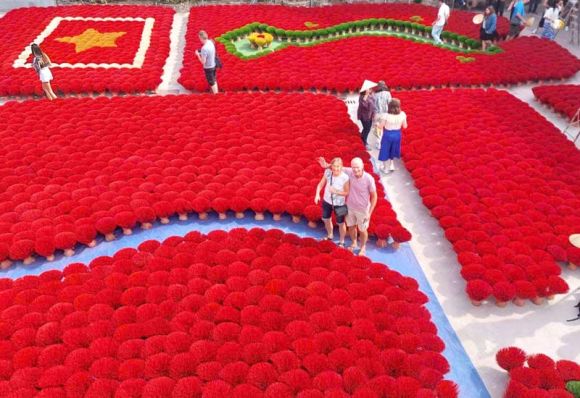
While Chuon Ngo lacks the vibrant color explosion of Quang Phu Cau, the play of light on polished inlay pieces creates a beauty of its own.
Some artisans welcome visitors to try cutting and inlaying mother-of-pearl — a memorable way to connect with Vietnam’s artistry.
Getting There:
Located in Thuong Tin District, Chuon Ngo is about a 40–50 minute drive from Hanoi. Private car hire or inclusion in Hanoi tours is recommended, as public transport options are limited.
Best Time to Visit:
Anytime of year works, as inlay work is done indoors. Mornings allow you to catch artisans early in their workday.
What to Buy:
Small trays, pen holders, and jewelry boxes are great for travelers. Larger furniture pieces can be shipped internationally.
Price Range:
Small items start around $10–15, while intricate furniture can run into the hundreds or thousands of dollars.
While many visitors to Hanoi focus on food, temples, and street life, Chuon Ngo offers something different — an intimate look at one of Vietnam’s rarest and most intricate traditional arts. It’s a chance to slow down, engage directly with artisans, and witness a heritage craft that is increasingly endangered in the modern age.
By visiting, you not only take home a beautiful piece of Vietnam, but you also help sustain the livelihoods of those keeping this tradition alive.
Chuon Ngo can be combined with trips to Van Phuc Silk Village, Bat Trang Pottery Village, or Quang Phu Cau Incense Village. Together, these create a mosaic of rural artistry that lets you truly Experience the Beauty of Hanoi’s Rural Craft Villages. Many Hanoi tours specialize in these combinations, providing a convenient and immersive way to explore the region.
Let Asia Eyes Travel guide you to Chuon Ngo Village, where artistry is measured in patience and perfection. Our bespoke Hanoi tours immerse you in Vietnam’s cultural heart, from the scent-filled fields of Quang Phu Cau to the silk looms of Van Phuc. Contact us today and step into the shimmering world of Chuon Ngo’s inlay craft.
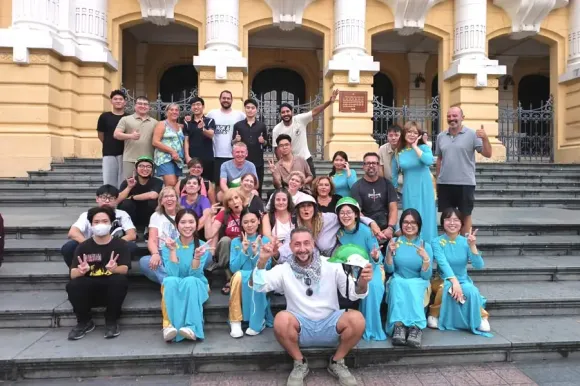
Hanoi Fabulous Food and Sights Tour by Scooter

Private trip to Ninh Binh from Hanoi

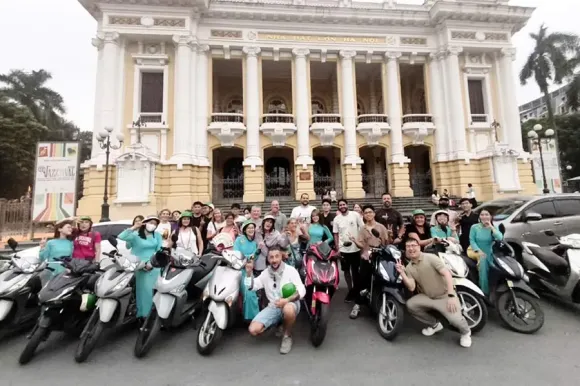
Hanoi Night Lights and Food Tour by Scooter with Female Drivers
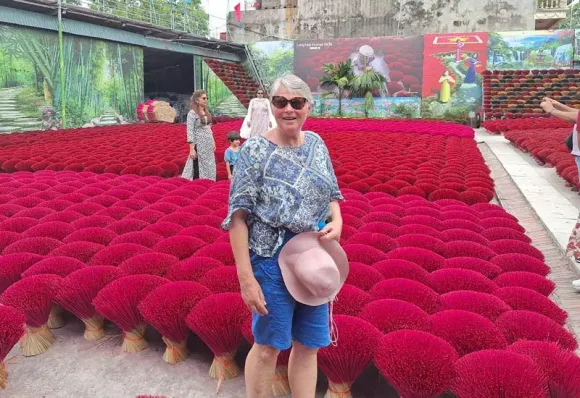
Hanoi Rural Craft Villages Tour