


Sapa Homestay: Sleeping Among the Rice Terraces

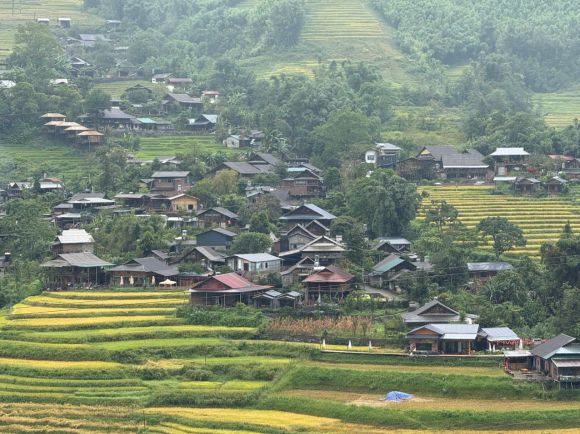
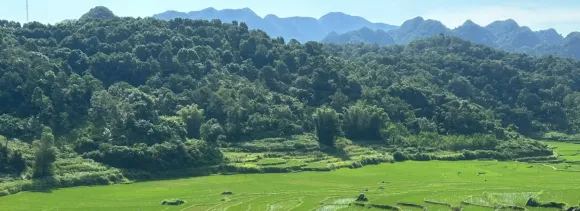
Staying at a Sapa Homestay is one of the best ways to experience the authentic culture, breathtaking landscapes, and warm hospitality of Northern Vietnam. Nestled in picturesque villages such as Ta Van village, Lao Chai village, and Ban Ho in Muong Hoa Valley, just a few kilometers from Sapa Town in Lao Cai Province, these traditional homestays offer a peaceful escape surrounded by spectacular rice terraces and mountain scenery.

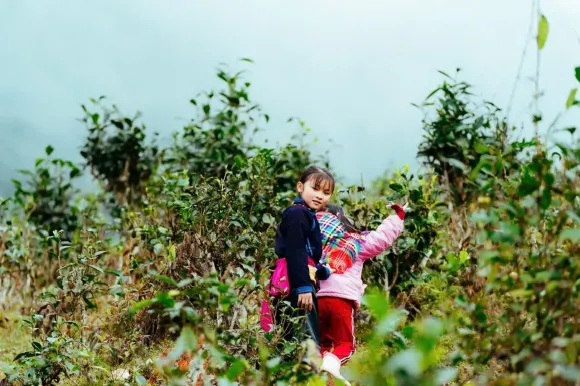
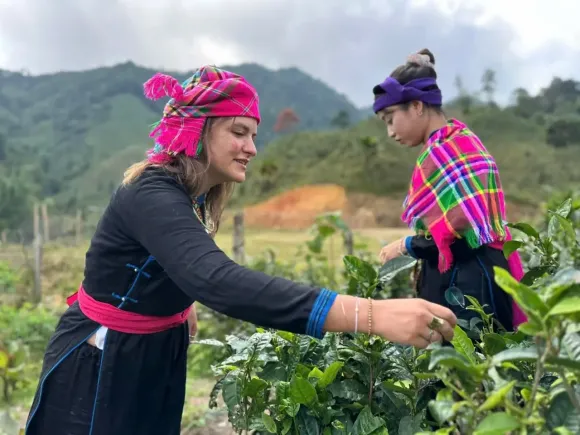
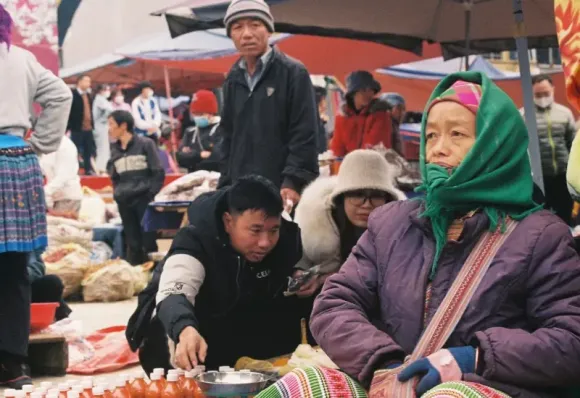
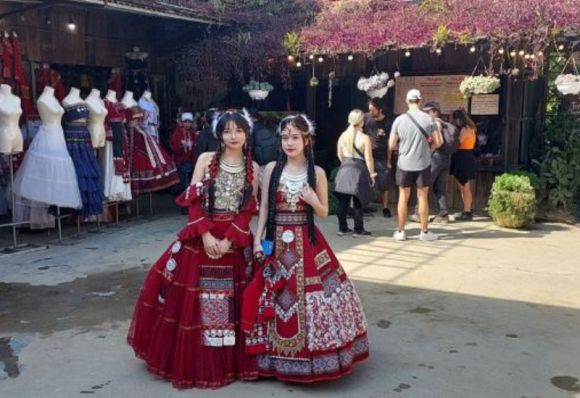
Unlike a day trip, an overnight stay allows you to wake up to panoramic views of the terraced fields, enjoy home-cooked local meals, meet ethnic minority families, and experience the daily life of the H'Mong, Giay, Red Dao, and Tay communities. Whether you prefer a simple family-run homestay or a comfortable lodge with modern amenities, there are options to suit every travel style and budget.

At Asia Eyes Travel, our carefully designed Sapa Homestay Tours can start from Hanoi or Sapa and can be combined with trekking adventures, cultural experiences, and visits to the region's most beautiful villages. An overnight homestay is the perfect way to discover the true beauty of Sapa.

Best Villages for a Homestay Experience

Ta Van Village is one of the most popular choices, known for its mix of Giay and Dao families and easy access to rice terrace viewpoints. Lao Chai Village, home to a large H'mong community, offers a slightly more traditional setting with terraced fields visible from most guesthouse porches. Further along the valley, Ban Ho Village and Nam Cang offer a quieter alternative, with fewer tourists and closer contact with everyday village life.

Sapa Homestay Types: From Traditional to Luxury

A homestay in Sapa doesn't mean just one type of experience anymore. The term now covers everything from basic village stays to boutique eco-retreats, and understanding the differences helps you pick the right fit, whether you're traveling on a budget or looking for something a bit more comfortable. Here are the three main styles you'll come across.

Traditional Ethnic Homestays

Traditional ethnic homestays offer an authentic opportunity to experience everyday life in Sapa's mountain villages. Most are traditional wooden stilt houses owned by H'Mong, Red Dao, Giay, or Tay families, where guests can choose between private rooms or shared accommodation. While the architecture preserves its local character, many homestays now provide modern comforts such as hot showers, Wi-Fi, and comfortable bedding. During your stay, you will enjoy freshly prepared home-style meals made with local ingredients, learn about village traditions through conversations with your hosts, or simply relax while overlooking the surrounding rice terraces. Waking up to mist-covered mountains, hearing the sounds of village life, and watching farmers begin their day at sunrise are often the moments travelers remember long after leaving Sapa.

Eco-Bungalow Homestays

For travelers wanting more privacy without losing the natural setting, eco-bungalow homestays offer standalone units built from wood, stone, bamboo, and thatched roofing, blended into the hillside landscape. Inside, though, they come with private en-suite bathrooms, comfortable beds, and modern touches that traditional stilt houses usually lack. These are geared toward quiet, nature-immersed relaxation - a good middle ground between rustic charm and everyday comfort.

Cloud-Hunting Homestays

A newer trend in Sapa, cloud-hunting homestays are built specifically to capture the region's famous sea-of-clouds views, with open-plan layouts, large glass doors, and wide balconies facing the valley. Guests often book these for sunrise, when clouds roll through the terraces below, making them especially popular with photographers and couples looking for a more scenic, upscale stay.

Best Sapa Homestays Recommended by Asia Eyes Travel

Whether you're after the traditional village feel, an eco-retreat surrounded by terraces, or something a little more upscale, here are a few homestays our team at Asia Eyes Travel regularly recommends to guests.

  • Hmong Sister House (Lao Chai / Hau Thao Village) - a traditional homestay run by local H'mong women, well known for its warm hospitality and guided trekking routes straight from the doorstep into the surrounding terraces.
  • La Dao Spa (Ta Van Village) - beyond a place to sleep, this homestay is known for its traditional Red Dao herbal bath, a relaxing way to soothe tired legs after a day of trekking.
  • Eco Palms House (Lao Chai Village) - a well-established eco-retreat blending timber architecture with modern comforts, popular for its terrace views and relaxed garden setting.
  • Sapa Clay House (Y Linh Ho Village) - a rustic-luxury stay built with natural clay and wood, offering understated comfort with a refined touch, a quieter, more design-forward take on the traditional homestay.
  • Laxsik Ecolodge (Lao Chai Village) - an affordable luxury option nestled among the terraces, giving travelers an upscale, elevated experience without the high-end price tag.

How Long to Stay and What It Costs

Most travelers spend one to two nights in a homestay, enough time to settle in, join an evening meal, and take a morning walk through the surrounding fields before heading back to Sapa town or continuing to the next stop on their trip. Prices vary by type: traditional homestays generally run 150,000-300,000 VND per person per night including basic meals, while eco-bungalow and cloud-hunting homestays typically cost more, ranging from 500,000 VND to over 1,500,000 VND per night depending on the level of comfort and view.

Tips for Choosing a Sapa Homestay

Booking through a trusted local operator helps avoid overcrowded, overly commercialized options and ensures the fee actually supports the host family. Packing a headlamp, warm layers for the evening, and cash for tips or small purchases goes a long way, since most homestays don't accept cards. Being respectful of local customs, especially around meals and photography, makes for a smoother and more meaningful stay.

Ready to add an overnight homestay to your Sapa trip? Contact Asia Eyes Travel to match you with the right style of homestay, whether traditional, eco-bungalow, or cloud-hunting, and build the rest of your itinerary around it. Contact us at info@asiaeyestravel.com or WhatsApp +84 935 946 688 (Mr. Thuc Nguyen) for a free personalized quotation.
Best Sapa Tours | Discover Top Attractions & Experiences

Related Posts

Sapa 3 Days 2 Nights Tour

A Sapa 3 days 2 nights tour is the perfect way to immerse yourself in northern Vietnam’s spectacular mountain scenery and vibrant ethnic culture. From trekking through misty valleys and terraced rice fields to visiting authentic villages and enjoying cozy homestay experiences, this journey lets you discover Sapa beyond the usual tourist paths. With well-paced itineraries, local insights, and scenic adventures, Asia Eyes Travel DMC Vietnam brings you a genuine Sapa experience that blends nature, culture, and unforgettable moments.
Read more

Sapa Fansipan Tour

This complete Sapa Fansipan tour guide takes you on an unforgettable journey to the Roof of Indochina, where dramatic mountain scenery meets thrilling adventure. From scenic trekking routes and lush valleys to panoramic views from Fansipan’s summit, the experience is a perfect blend of nature, challenge, and discovery. With carefully designed itineraries and local expertise, Asia Eyes Travel DMC Vietnam helps you explore Fansipan in comfort and safety, ensuring a truly memorable highlight of your Sapa adventure.
Read more

Sapa Travel Guide

Nestled among the breathtaking mountains of Northern Vietnam, Sapa captivates travellers with its spectacular rice terraces, colourful ethnic villages, cool mountain climate, and unforgettable trekking experiences. As one of the highlights of many North Vietnam Tours, Sapa combines dramatic mountain scenery with rich cultural traditions, making it an essential stop for visitors exploring the region. From conquering Fansipan, the highest peak in Indochina, to wandering through the picturesque Muong Hoa Valley and meeting the Hmong, Dao, and Giay communities, every journey reveals a different side of this remarkable destination. In this Sapa Travel Guide, Asia Eyes Travel shares practical local insights, including the best places to visit, where to stay, what local food to try, and essential travel tips to help you plan an unforgettable mountain adventure.
Read more

Top 10 Things to Do in Sapa

Set amid the breathtaking mountains of northern Vietnam, Sapa is one of the country's most spectacular destinations, where dramatic landscapes and vibrant ethnic cultures come together. Famous for its misty valleys, cascading rice terraces, and traditional hill tribe villages, Sapa offers unforgettable experiences for every traveler. Whether you're looking for scenic trekking routes, authentic homestays, or cultural encounters with the H'Mong, Red Dao, Giay, and Tay communities, this mountain retreat has something for everyone. This guide by Asia Eyes Travel DMC Vietnam features the Top 10 Things to Do in Sapa, from exploring the stunning Muong Hoa Valley and conquering Fansipan Peak to discovering local markets and hidden villages. You'll also find our carefully curated Sapa Trekking Tours and immersive Vietnam trekking adventures, designed to help you experience the very best of Sapa at your own pace.
Read more

Best Sapa Tours from Hanoi

Sapa is one of the most rewarding mountain destinations to visit from Hanoi, offering spectacular valleys, terraced rice fields, traditional villages, and distinctive northern Vietnamese cuisine. The best Sapa tours from Hanoi depend on how much time you have and the type of experience you want, from a balanced first visit to deeper trekking, local life, or a more comfortable mountain retreat. Sapa 2 Day Tour is a popular choice for first time visitors who want to see the main highlights without spending too long away from Hanoi. A well planned itinerary can include Muong Hoa Valley, Lao Chai, and Ta Van, with trekking through rice terraces and village landscapes. You can also enjoy local specialties such as grilled dishes, fresh vegetables, salmon, sturgeon, and bamboo cooked rice. For most travelers, two days provide a good balance of sightseeing, trekking, culture, and relaxation. If you have more time, a Sapa 3 Day Tour allows you to enjoy the mountains at a slower pace. The extra day gives you more time for trekking, visiting villages, enjoying local meals, taking photographs, or including Fansipan by cable car. This is a better option if nature, walking, and cultural experiences are priorities rather than simply seeing the main sights. For a more personal experience of village life, a Sapa Homestay Tour allows you to stay with a local family, enjoy home cooked meals, and experience the quieter side of the mountains. If relaxation and comfort are more important, you can instead choose a Sapa tour that includes accommodation at a quality hotel or luxury resort, with comfortable rooms, mountain views, and time to enjoy the scenery at your own pace. This combination works particularly well for couples, families, or travelers who want to balance sightseeing with a relaxing stay. From Hanoi, buses and limousine services are convenient for direct travel to Sapa, while private cars provide more flexibility. An overnight train to Lao Cai is another option, followed by a transfer to Sapa. Bus to Sapa from Hanoi can also be arranged as part of your itinerary.
Read more

Northern Vietnam Adventure: Pu Luong and Sapa Compared

Northern Vietnam is famous for its spectacular mountain landscapes, ethnic cultures, and breathtaking rice terraces. Among the most popular destinations for adventure lovers are Pu Luong Nature Reserve, Sapa, and Northern Vietnam Adventure Tours. Both offer unforgettable trekking experiences and authentic cultural encounters, but they provide very different atmospheres and travel styles. If you are planning a Northern Vietnam adventure, this guide will help you compare Pu Luong and Sapa to decide which destination best matches your travel interests.
Read more
share
CHAT WITH US