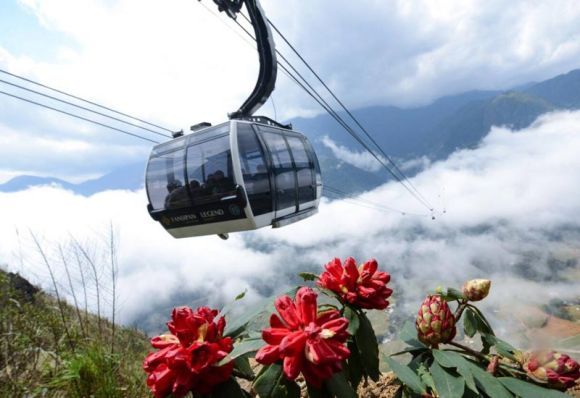
Ban Ho Village Sapa

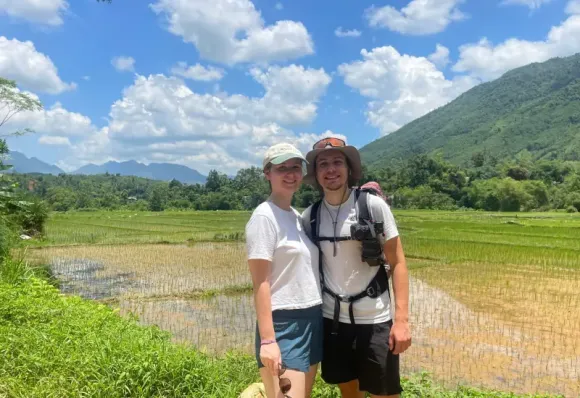
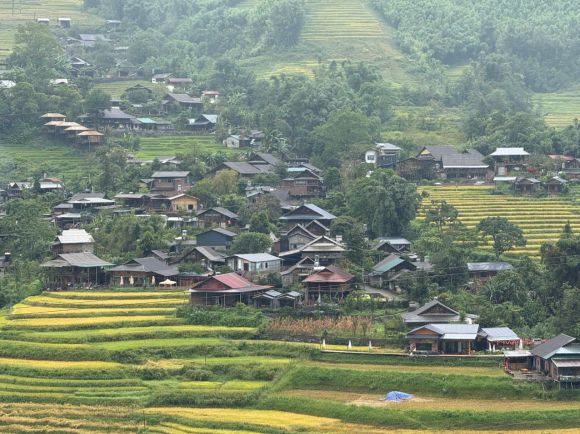
Tucked away from Sapa’s busy center, Ban Ho Village is an ideal destination for travelers seeking authentic culture and unspoiled nature. Surrounded by lush rice paddies, gentle rivers, and scenic waterfalls, the village offers a rare chance to experience Tay ethnic traditions through local homestays, daily life, and peaceful countryside walks. As part of immersive Sapa tours, Asia Eyes Travel DMC Vietnam helps travelers discover the true charm of Ban Ho Village in a relaxed, meaningful way, connecting deeply with local culture and the highland landscape.

Deep in the Muong Hoa Valley, far from the busy streets of Sapa Town, lies Ban Ho Village-a tranquil haven where stunning landscapes, ethnic traditions, and warm hospitality create an unforgettable experience. This village, home to the Tay ethnic minority, offers a peaceful retreat surrounded by rice terraces, waterfalls, and lush forests. Whether you are seeking adventure, cultural immersion, or relaxation, Ban Ho is the perfect place to experience the authentic beauty of rural Sapa.

1. Where is Ban Ho Village?

Ban Ho Village is located approximately 25 kilometers southwest of Sapa, making it one of the furthest villages in the region. Due to its lower altitude compared to other Sapa villages, Ban Ho enjoys a warmer climate, making it an excellent year-round destination.

  • Distance from Sapa Town: ~25 km
  • Trekking duration from Sapa: ~5-6 hours (challenging trek)
  • Best time to visit: September to April (cool weather and golden rice fields)

The journey to Ban Ho is an adventure in itself. You can reach the village by motorbike, private car, or trekking, each offering its own unique experience through winding mountain roads and breathtaking scenery.
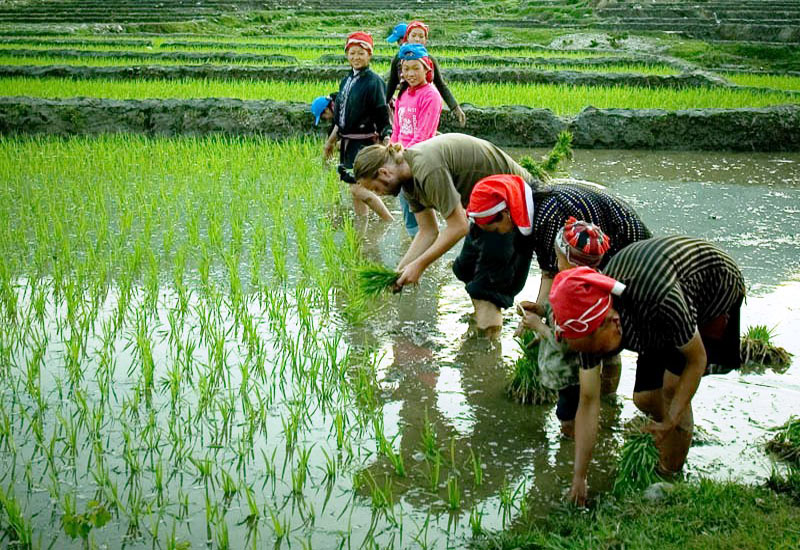
 

Ban Ho Village Sapa

2. The Tay Ethnic Culture in Ban Ho Village

Unlike other villages in Sapa that are home to the H’Mong or Red Dao people, Ban Ho is primarily inhabited by the Tay ethnic minority-one of the oldest ethnic groups in Vietnam. The Tay people are known for their stilt houses, traditional farming techniques, and warm hospitality.

Traditional Stilt Houses

The Tay people live in wooden stilt houses, designed to withstand the humid environment while providing protection from flooding. Visitors can stay in one of these homestays, offering an authentic and immersive cultural experience.

Farming and Daily Life

Ban Ho is one of the few villages in Sapa where rice farming is practiced year-round, thanks to its fertile land and warmer climate. Villagers also grow corn, vegetables, and raise livestock, maintaining a self-sufficient lifestyle deeply connected to nature.

Folk Music and Dance

The Tay people have a rich tradition of folk music, often performed during festivals and special gatherings. If you visit during a local celebration, you might be lucky enough to witness traditional dances and musical performances played on unique instruments.

3. Best Things to Do in Ban Ho Village

Ban Ho offers a mix of adventure, cultural experiences, and relaxation, making it an ideal destination for all types of travelers.

Trekking to Ban Ho Village

One of the best ways to experience Ban Ho is by trekking from Sapa. The journey takes you through lush forests, rice terraces, and small ethnic villages, offering some of the most scenic views in northern Vietnam.

  • Trekking distance: ~25 km
  • Difficulty level: Challenging (requires good fitness)
  • Highlights: Muong Hoa Valley, rice fields, ethnic minority villages

For those who prefer a shorter trek, you can start from Thanh Phu Village, which is closer to Ban Ho and offers equally stunning scenery.

Visit the Stunning Waterfalls

Ban Ho is home to two famous waterfalls, providing refreshing swimming spots and breathtaking views.

  • Lavie Waterfall – A hidden gem surrounded by dense jungle, perfect for nature lovers.
  • Nam Toong Waterfall – A larger and more powerful waterfall, great for cooling off after a long trek.

Both waterfalls are best visited during the rainy season (June to August), when the water flow is at its strongest.

Stay in a Local Homestay

Staying in a traditional Tay homestay is one of the best ways to experience the local lifestyle. Unlike hotels in Sapa Town, these stilt houses offer a peaceful escape into nature, with delicious home-cooked meals, stunning valley views, and friendly hosts.

Enjoy traditional Tay cuisine, including grilled fish, bamboo-cooked rice, and local vegetables.

Learn about Tay culture and customs from your host family.

Relax on a balcony overlooking rice terraces, surrounded by fresh mountain air.

Explore the Surrounding Villages

Ban Ho is close to several other ethnic villages, each with its own unique charm.

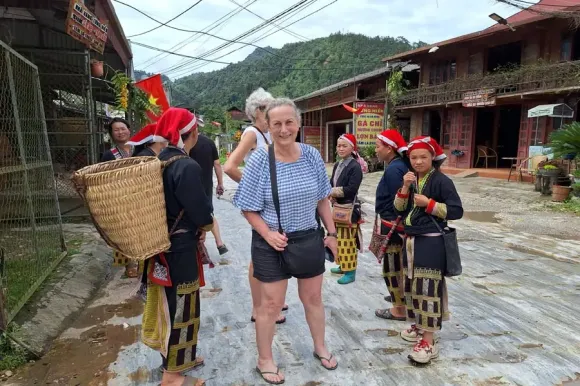
  • Thanh Phu Village – Home to the Tay and Red Dao people, offering another cultural insight into local life.
  • Nam Cang Village – Known for its bamboo forests and herbal medicine practices.
  • My Son Village – A remote village perfect for those looking to disconnect from modern life.

Experience the Local Market

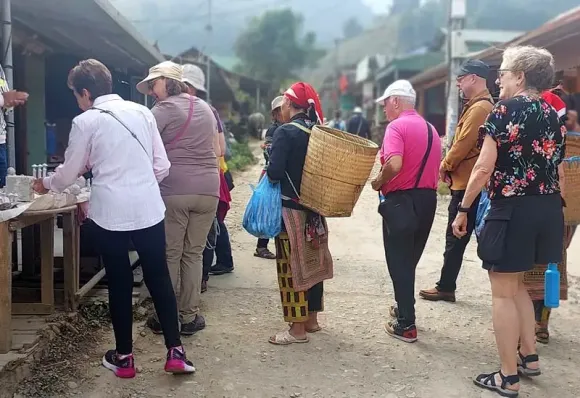
Ban Ho has a small local market, where villagers trade goods, fresh produce, and handmade crafts. While it is not as large as Bac Ha Market, it offers an authentic glimpse into daily rural life.

4. How to Get to Ban Ho Village

There are several ways to reach Ban Ho Village from Sapa Town:

  • Trekking (Recommended for adventure seekers) – A long but rewarding hike through scenic landscapes.
  • Motorbike Rental – A great option for those who enjoy exploring independently (requires experience with mountain roads).
  • Private Car – The most comfortable option, ideal for families or those short on time.

Tip: If trekking, wear sturdy hiking shoes and bring a rain jacket during the wet season.

5. Plan Your Ban Ho Village Tour with Asia Eyes Travel

If you're looking for an authentic and unforgettable experience in Sapa, let Asia Eyes Travel design the perfect Ban Ho Village Tour for you. Our personalized itineraries include guided trekking routes, cultural encounters, and immersive homestay experiences, allowing you to explore the breathtaking Muong Hoa Valley and connect with local Tay communities. With expert local guides and seamless travel arrangements, every moment is designed to help you experience the true charm of Ban Ho Village. Contact Asia Eyes Travel today to start planning your adventure.
Related Tours

Related Posts

Sapa Travel Experiences

Few destinations in Northern Vietnam offer such a remarkable combination of spectacular landscapes, authentic cultural encounters, and outdoor adventures as Sapa. Best known for its breathtaking rice terraces, colourful ethnic minority villages, and the majestic Fansipan Mountain, Sapa is one of the highlights of many North Vietnam Tours. From trekking through Muong Hoa Valley and staying in a traditional homestay to relaxing with a Red Dao herbal bath, every experience brings you closer to the unique character of Vietnam's northern highlands. This Sapa Travel Experiences guide by Asia Eyes Travel shares practical local advice on where to stay, the best experiences, must-visit attractions, the ideal time to visit, transportation from Hanoi, local cuisine, and recommended Sapa tours, helping you plan an unforgettable mountain adventure.
Read more

Sapa Travel Tips

Planning a trip to Northern Vietnam? These Sapa Travel Tips will help you prepare for an unforgettable adventure in one of Vietnam's most spectacular mountain destinations. From choosing the best time to visit Sapa, understanding the local weather, planning transportation, packing wisely, and discovering the best trekking routes, this guide covers everything you need to know before you go. As one of the most popular destinations on many North Vietnam Tours, Sapa is famous for its breathtaking rice terraces, colorful ethnic minority villages, majestic mountain scenery, and rich cultural heritage. Whether you're hiking through Muong Hoa Valley, conquering Fansipan Mountain, or staying in a traditional homestay, good preparation will help you enjoy a smoother, safer, and more rewarding journey. First time visitors are often surprised by Sapa's rapidly changing mountain weather, the variety of travel options from Hanoi, and the wide range of accommodation available, from budget hostels and charming homestays to luxury mountain resorts. Understanding these local details in advance can help you avoid common travel mistakes and make the most of your time in this beautiful region. In this complete Sapa Travel Guide, Asia Eyes Travel shares expert local advice, practical travel tips, and insider recommendations based on years of experience organizing customized Sapa Tours and North Vietnam Tour Packages. Whether you're planning a short getaway or a longer Vietnam holiday, these travel tips will help you experience the very best of Sapa with confidence.
Read more

Top 12 Attractions in Sapa

Sapa is a captivating destination that brings together dramatic mountain landscapes, colorful ethnic cultures, and a deep sense of history. From trekking through misty valleys and terraced rice fields to visiting traditional villages and enjoying panoramic views from high mountain passes, every experience feels immersive and authentic. These highlights form the core of many unforgettable Sapa tours, designed for travelers seeking both nature and culture. With Asia Eyes Travel DMC Vietnam, visitors can explore the top attractions in Sapa through well-curated itineraries that showcase the region’s beauty, heritage, and local life at its finest.
Read more

Best Time to Visit Sapa

The best time to visit Sapa depends on the experience you're looking for. Renowned as one of Vietnam's premier trekking destinations, Sapa is famous for its breathtaking rice terraces, colourful ethnic villages, and ever-changing mountain weather, where locals often say you can experience "four seasons in a single day." Although this remarkable destination can be visited throughout the year, March to May and September to November generally offer the most comfortable weather for trekking, sightseeing, and photography. Many travellers choose Sapa tours during these months to enjoy the region's spectacular landscapes under ideal weather conditions. In this guide, Asia Eyes Travel shares practical local advice to help you plan your visit, as Sapa remains one of the highlights of many North Vietnam Tours.
Read more
share
CHAT WITH US