


Sapa Travel Guide
Everything You Need to Know About Sapa
- Home /
- Blog /
- Vietnam Travel Guide /
- Sapa, Vietnam /
- Sapa Travel Guide
Nestled among the breathtaking mountains of Northern Vietnam, Sapa captivates travellers with its spectacular rice terraces, colourful ethnic villages, cool mountain climate, and unforgettable trekking experiences. As one of the highlights of many North Vietnam Tours, Sapa combines dramatic mountain scenery with rich cultural traditions, making it an essential stop for visitors exploring the region. From conquering Fansipan, the highest peak in Indochina, to wandering through the picturesque Muong Hoa Valley and meeting the Hmong, Dao, and Giay communities, every journey reveals a different side of this remarkable destination. In this Sapa Travel Guide, Asia Eyes Travel shares practical local insights, including the best places to visit, where to stay, what local food to try, and essential travel tips to help you plan an unforgettable mountain adventure.
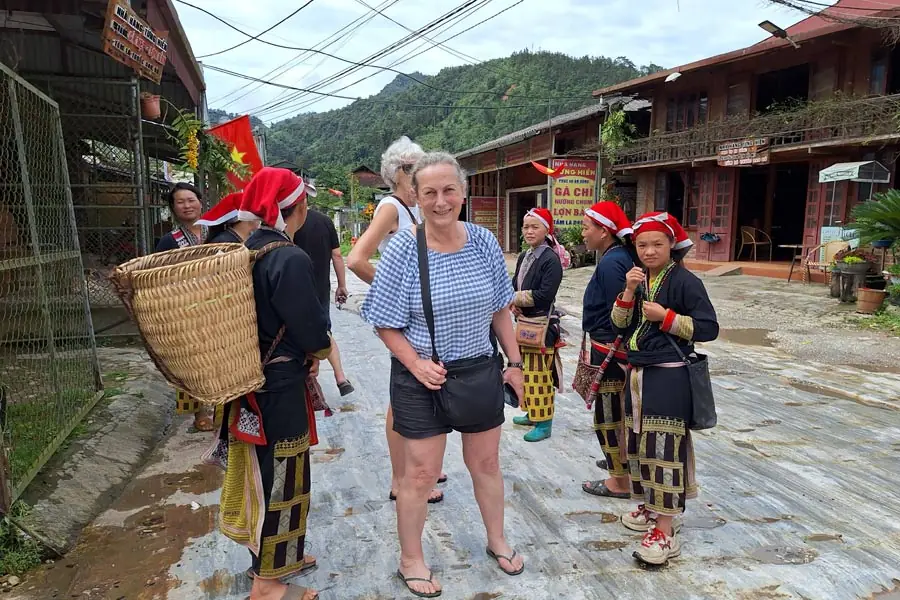
For most first-time visitors, Sapa Town is the best place to stay, offering convenient access to restaurants, cafés, local markets, the Fansipan Cable Car, and the region's top attractions. Asia Eyes Travel regularly recommends hotels such as Bamboo Sapa Hotel, Sapa Catcat Hills Resort & Spa, Silk Path Grand Sapa Resort & Spa, and Topas Ecolodge, all known for their excellent service and spectacular mountain views. For a more authentic experience, consider spending a night at a traditional homestay in Ta Van Village, where you can experience the daily life of local ethnic communities, admire breathtaking rice terraces, and enjoy the peaceful beauty of the Muong Hoa Valley.
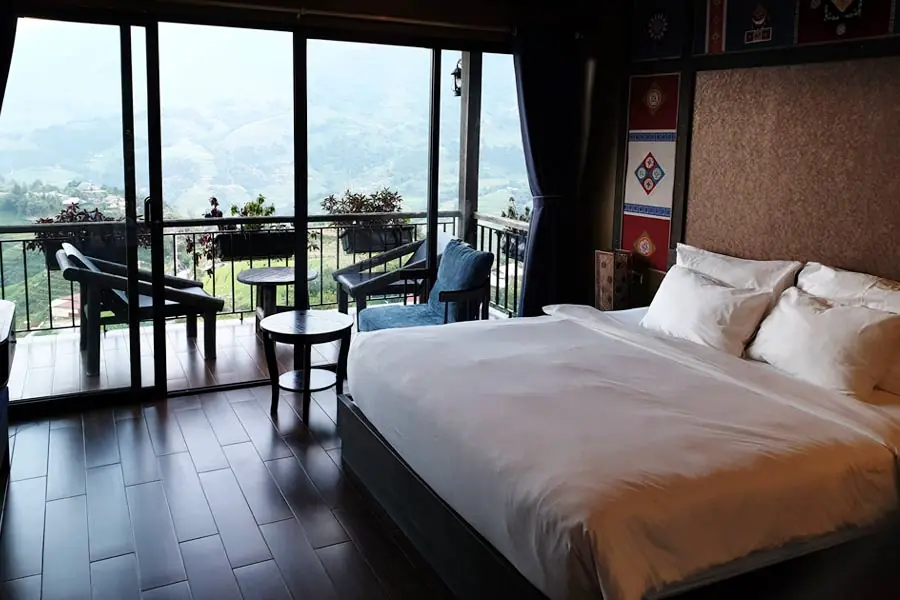
From breathtaking rice terraces and traditional ethnic villages to Vietnam's highest mountain, Sapa offers a remarkable blend of natural beauty and cultural experiences. Below are some of the best places to visit, each showcasing a different side of this unforgettable mountain destination.
The Muong Hoa Valley is the highlight of any trip to Sapa and one of the most spectacular landscapes in Northern Vietnam. Famous for its endless terraced rice fields, peaceful mountain scenery, and traditional villages, the valley offers an unforgettable trekking experience through the heart of Sapa's countryside. Visitors can walk along scenic trails connecting Lao Chai, Ta Van, and other ethnic villages while meeting local families and learning about the traditions of the Hmong, Giay, and Dao communities. During the rice-growing and harvest seasons, the valley transforms into one of Vietnam's most photogenic destinations, attracting nature lovers and photographers from around the world.

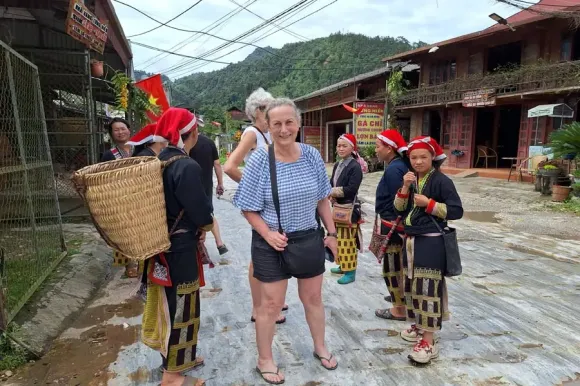
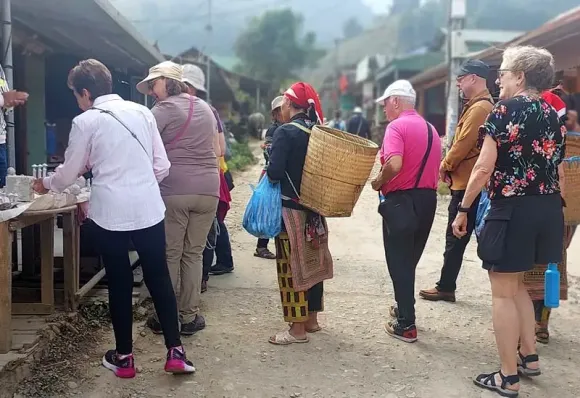
A walk through Lao Chai and Ta Van offers one of the most rewarding cultural experiences in Sapa. Connected by scenic trekking routes through the Muong Hoa Valley, these villages are home to the Black Hmong and Giay communities, where traditional wooden houses, terraced rice fields, and everyday farming activities create an authentic glimpse into mountain life. Many travellers choose to spend a night in a local homestay, enjoying home-cooked meals and waking up to breathtaking valley views surrounded by mist-covered mountains. Visiting these villages is not about rushing from one attraction to another, but about slowing down, connecting with local culture, and appreciating the peaceful rhythm of life in Northern Vietnam.
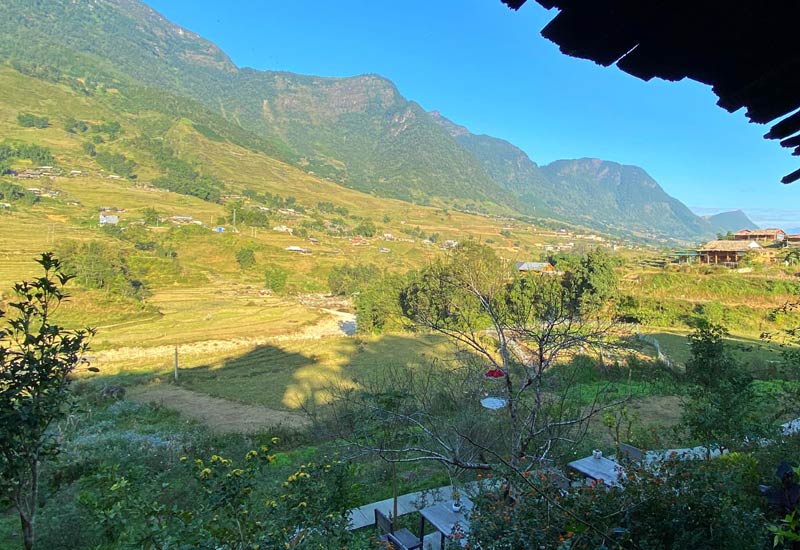
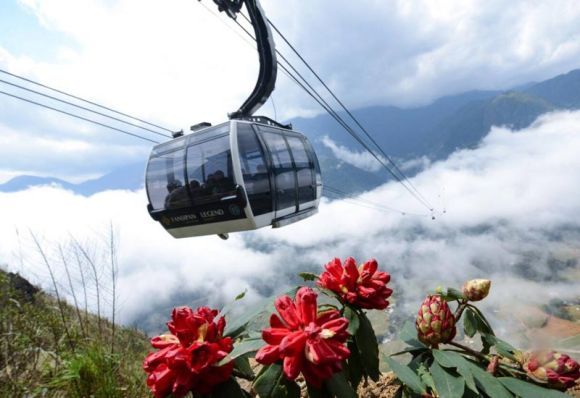
Standing at 3,143 metres above sea level, Fansipan Mountain is the highest peak in Vietnam and one of the country's most iconic natural attractions. The easiest way to reach the summit is by taking the modern Fansipan Cable Car, which offers spectacular panoramic views over the Hoang Lien Son mountain range during the 15-minute journey. Once at the upper station, visitors can explore impressive Buddhist temples before climbing the final steps to the summit. On clear days, the views stretch across endless mountain ranges, while early mornings often provide the best chance to enjoy blue skies above the clouds. Combining Fansipan with a visit to Sapa Town makes for an unforgettable full-day experience.

Located just a short walk from Sapa Town, Cat Cat Village is one of the easiest places to experience the traditions of the Black Hmong people without travelling far into the mountains. Stone pathways wind through traditional wooden houses, handicraft workshops, terraced fields, and small streams, creating a picturesque setting that appeals to first-time visitors. The village also features cultural performances, local craft demonstrations, and several viewpoints overlooking the surrounding valley. While it is more developed for tourism than Lao Chai or Ta Van, Cat Cat Village remains an excellent choice for travellers with limited time or those looking for an easy walk that combines mountain scenery with local culture before continuing their journey through Sapa.

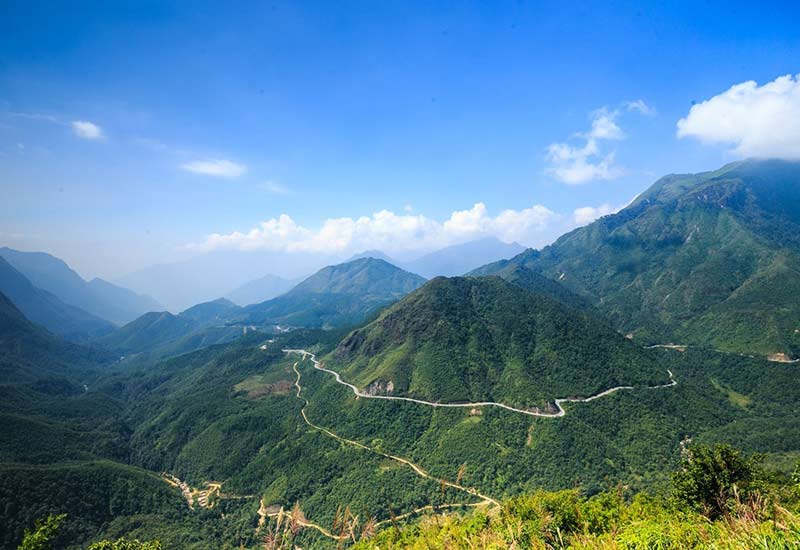
A short drive from Sapa Town leads to some of the region's most impressive natural attractions. O Quy Ho Pass, one of Vietnam's legendary mountain passes, rewards visitors with sweeping views of towering peaks, deep valleys, and dramatic mountain roads that attract photographers throughout the year. Nearby, Silver Waterfall cascades down the mountainside from a height of nearly 200 metres, while Love Waterfall offers a more peaceful forest walk ending at a beautiful natural waterfall hidden among ancient trees. Many visitors combine all three destinations into a half-day excursion, making this one of the most scenic routes around Sapa, especially during the clear autumn months.
Located in the heart of town, the Sapa Stone Church remains one of Sapa's best-known landmarks and a convenient starting point for exploring the town centre. Built during the French colonial period, the church sits beside a lively square surrounded by cafés, restaurants, local markets, and boutique shops. In the evenings, the area becomes particularly vibrant as both visitors and local communities gather to enjoy the cool mountain atmosphere. Spending time around the town centre also makes it easy to sample regional cuisine, browse local handicrafts, or simply relax with a cup of Vietnamese coffee while taking in views of the surrounding mountains before continuing your journey.
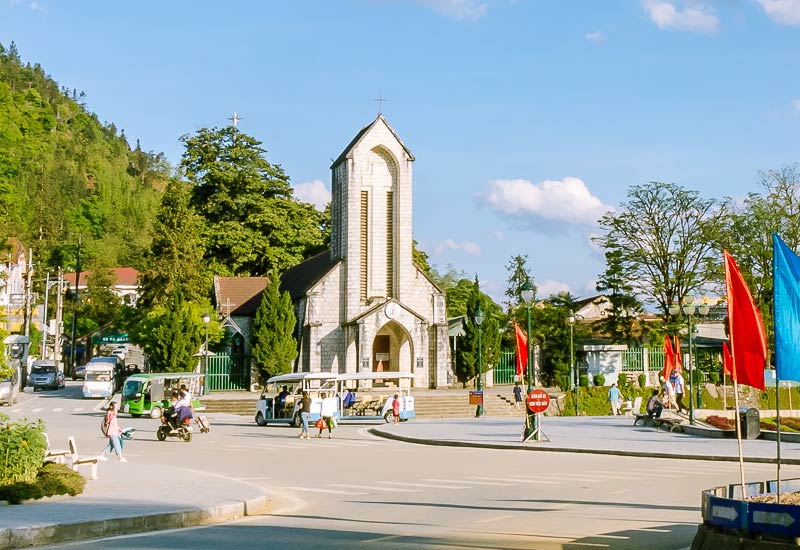
Just a short walk from Sapa Stone Church, Ham Rong Mountain offers one of the best viewpoints overlooking Sapa Town and the surrounding valleys. The mountain features beautifully landscaped flower gardens, stone paths, orchid displays, and several panoramic viewing platforms. On clear mornings, visitors can enjoy spectacular sunrise views and occasionally witness clouds drifting across the town below.
Choosing the best time to visit Sapa depends on the type of experience you are looking for. Nestled in the Hoang Lien Son Mountains at an altitude of approximately 1,500 metres, Sapa enjoys a cool climate throughout the year, making it one of the most popular destinations in northern Vietnam. Every season offers its own unique charm, from vibrant green rice terraces in spring and summer to golden harvest landscapes in autumn and misty mountain scenery during winter. Overall, the best time to visit Sapa is from March to May and September to November, when the weather is mild, rainfall is low, and the mountain views are at their most spectacular. These months provide ideal conditions for trekking, exploring ethnic minority villages, photographing terraced rice fields, and enjoying Sapa's breathtaking natural beauty.
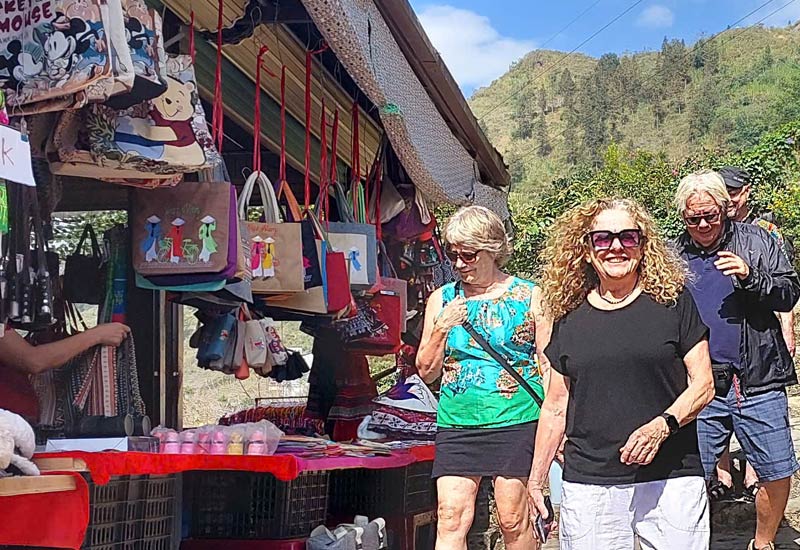
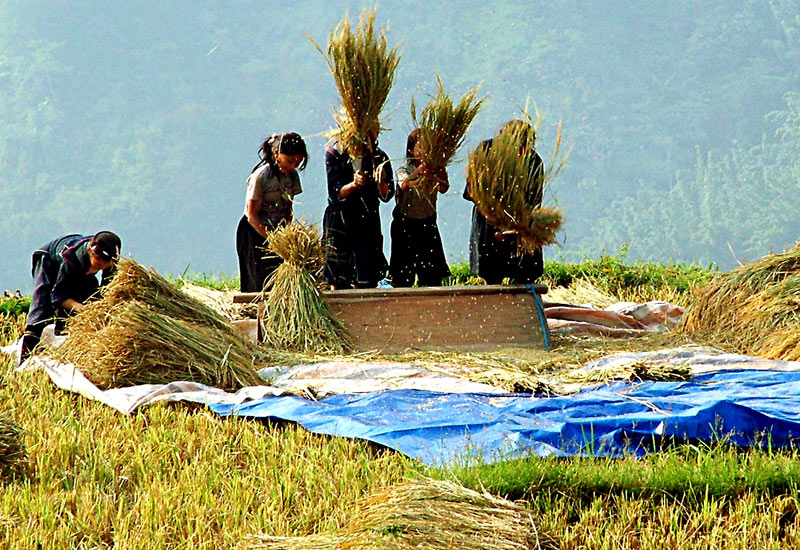
If you're hoping to see Sapa's iconic rice terraces at their most spectacular, plan your visit between late August and early October. During this period, the fields throughout Muong Hoa Valley, Lao Chai, Ta Van, and Hau Thao gradually turn from vibrant green to brilliant shades of gold before the annual harvest. Pleasant temperatures and relatively dry weather also create ideal conditions for trekking and photography. As this is one of Sapa's busiest travel seasons, reserving accommodation well in advance is recommended, especially if you plan to stay at a mountain resort or a traditional homestay overlooking the rice terraces.
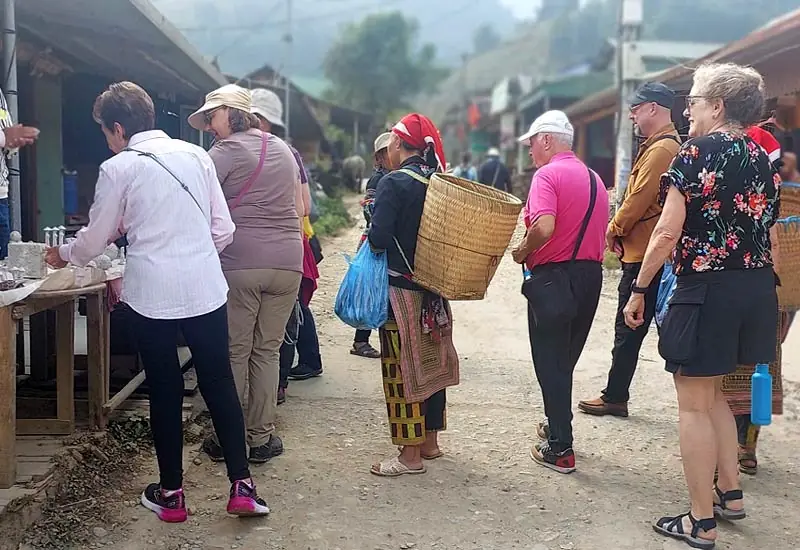
Spring and autumn are generally considered the best seasons for trekking in Sapa. Comfortable temperatures, lower humidity, and clearer skies make walking through Muong Hoa Valley and the surrounding villages far more enjoyable than during the wetter summer months. These seasons are perfect for exploring Lao Chai, Ta Van, and nearby communities while enjoying panoramic mountain views along the way. If you're planning a multi-day trek or an overnight homestay, these months usually offer the most comfortable weather and the best overall hiking conditions.
Travellers planning to visit Fansipan Mountain often enjoy the clearest views between October and April, when cooler weather can bring excellent visibility across the Hoang Lien Son Mountains. Early morning cable car departures usually provide the best chance of seeing the surrounding peaks before clouds gather later in the day. Even when mist rolls across the mountains, the changing scenery creates a magical atmosphere that many visitors find just as memorable. Checking the local weather forecast before your visit can help you choose the best day for reaching Vietnam's highest summit.
The ideal length of your Sapa holiday depends on the experiences you want to enjoy. While it's possible to visit Sapa on a short trip from Hanoi, spending two or three days allows you to fully appreciate the region's breathtaking landscapes, local culture, and mountain atmosphere. Most international travellers choose 2-day or 3-day Sapa tours, providing enough time to explore the Muong Hoa Valley, visit Fansipan Mountain, experience a traditional homestay, and enjoy the slower pace that makes Sapa one of Northern Vietnam's most rewarding destinations.
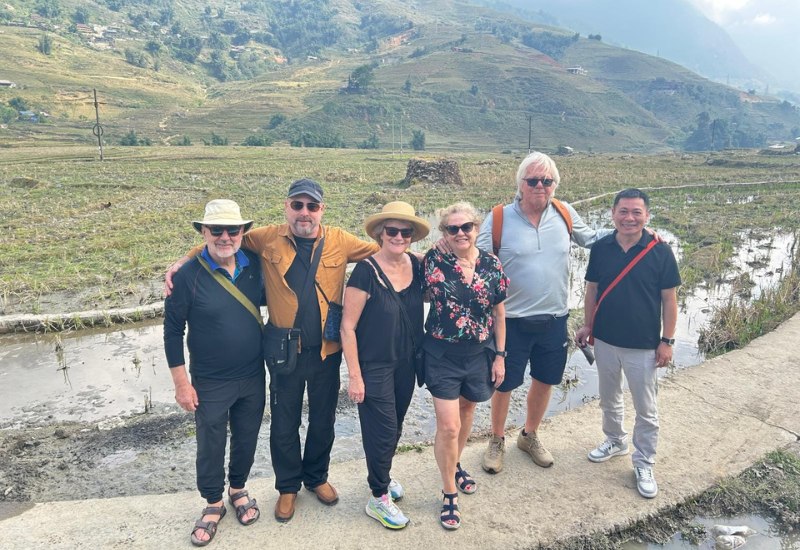
Reaching Sapa is easier than ever, with several transportation options available from Hanoi. Depending on your budget, travel style, and schedule, you can choose between an overnight train, a modern sleeper bus, a limousine bus, or a private transfer. Most international travellers prefer overnight transportation, allowing them to arrive in Sapa early in the morning and maximise their time exploring the mountains. Each option offers different levels of comfort, making it easy to find the best choice for your Sapa Tours.
Travelling by overnight train is a classic way to reach Sapa, especially for visitors who enjoy scenic rail journeys. Trains depart from Hanoi Railway Station and arrive at Lao Cai Station after around eight hours, followed by a one-hour drive to Sapa Town. Standard sleeper berths typically cost USD 18–30 per person, while premium tourist trains range from USD 35–60, depending on the cabin type. Booking a private cabin is recommended for couples and travellers looking for a quieter, more comfortable overnight journey.
For many travellers, taking a Bus to Sapa from Hanoi is the easiest and most convenient option. Modern sleeper buses and limousine buses travel via the expressway, with journeys taking around five and a half to six hours. Sleeper bus tickets generally cost USD 12–20 per person, while limousine buses range from USD 18–30. If you prefer greater comfort and flexibility, a private transfer starts from approximately USD 140–180 per vehicle and offers direct hotel pick-up with flexible departure times.

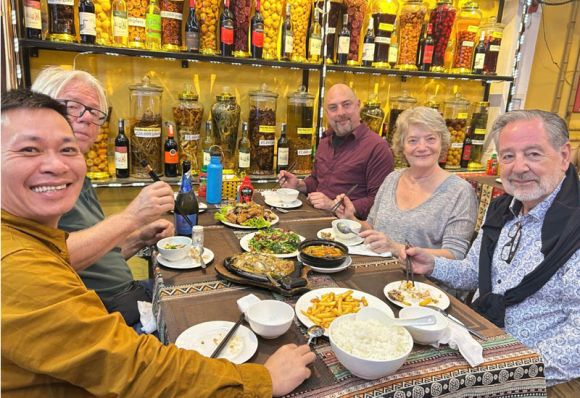
Exploring Sapa is not only about breathtaking mountain scenery but also an opportunity to enjoy the distinctive flavours of the northern highlands. From hearty hotpots and grilled mountain specialties to traditional dishes prepared by local ethnic communities, the region's cuisine reflects both its cool climate and rich cultural heritage. Popular favourites include Salmon Hotpot, Sturgeon Hotpot, Black Chicken, Com Lam, Grilled Pork, and Five-Coloured Sticky Rice. For more dining recommendations and local specialties, read our complete Best Food in Sapa You Should Not Miss guide.
Looking for the perfect Sapa tour? Contact Asia Eyes Travel for personalized itineraries, expert local advice, and competitive travel prices. Our experienced team is ready to help you explore the breathtaking rice terraces, traditional ethnic villages, and spectacular mountain landscapes that make Sapa one of Vietnam's most unforgettable destinations.
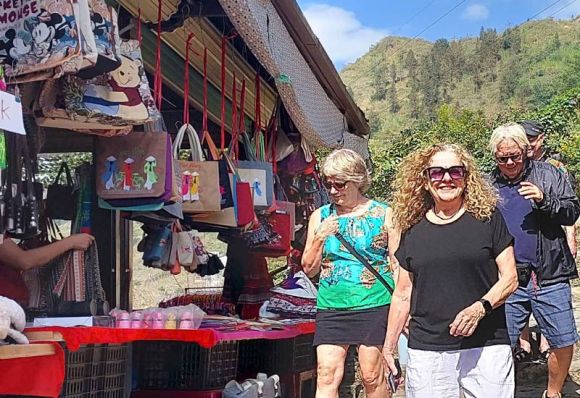
2-Day Sapa Adventure with Bac Ha Market (On Sunday only)
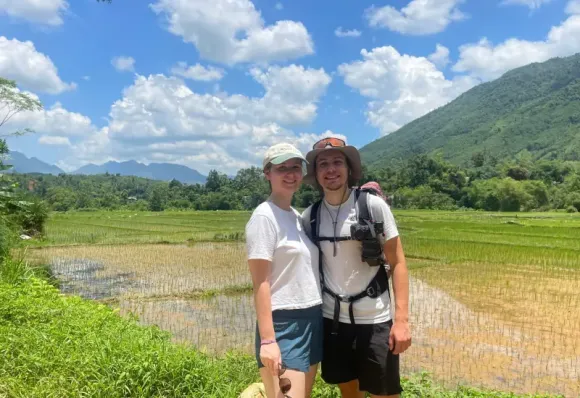
Sapa Homestay Tour 2 Days - Tour starts from Sapa
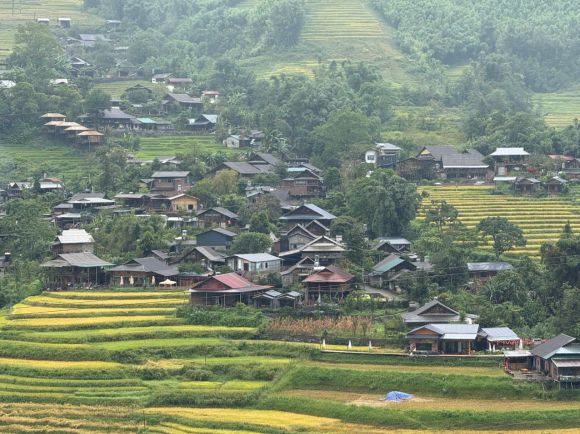
Sapa Highlights in 2 Days and 2 Nights from Hanoi