Hoi An Photography Tours offer a memorable way to experience the charm of Hoi An Ancient Town through its golden walls, colorful lanterns, historic architecture and everyday local life. Whether you enjoy travel photography, want professional portraits or simply hope to capture beautiful holiday memories, the town provides plenty of opportunities throughout the day. Walking through narrow alleys, photographing the Hoai River or posing beneath traditional lanterns allows you to experience Hoi An at a relaxed pace. Contact Asia Eyes Travel for advice on arranging photography experiences as part of your Hoi An itinerary.
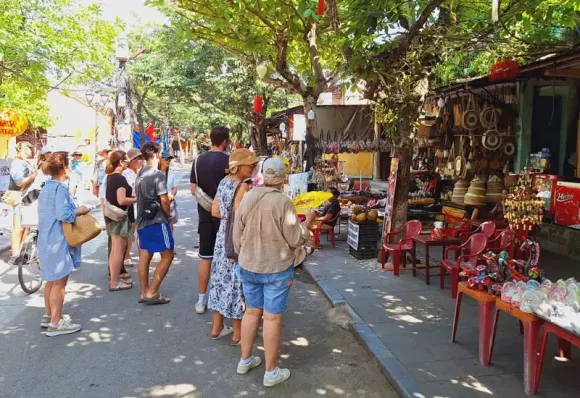
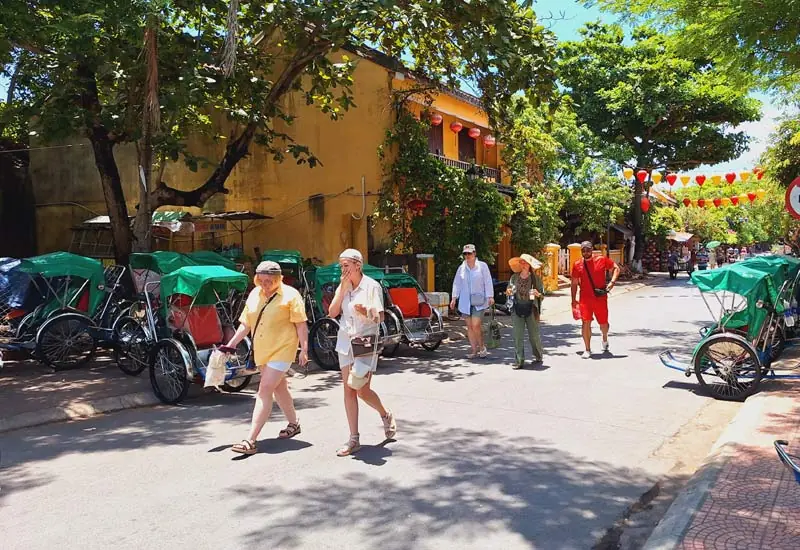
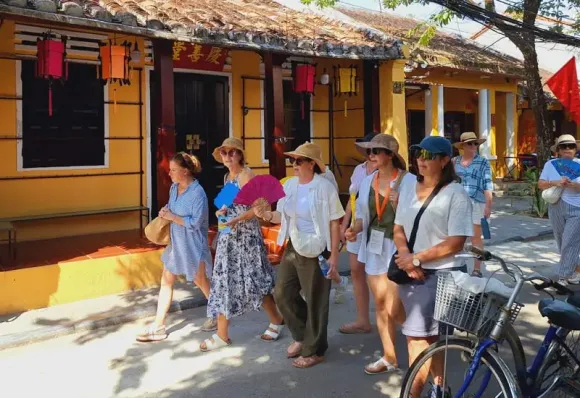
Hoi An Ancient Town is the heart of most photography experiences, with mustard-yellow buildings, wooden shopfronts, tiled roofs and narrow streets full of character. Early morning is ideal for capturing architectural details and quieter street scenes before visitor numbers increase. Look for traditional doorways, flowering balconies and small alleys that reveal the town’s historic charm. Respect residents and shop owners when photographing private properties, and follow local access rules around heritage buildings.
The Japanese Covered Bridge is one of Hoi An’s most recognizable landmarks and an excellent subject for architectural photography. Its traditional design, dark wooden details and surrounding historic streets create a distinctive setting for travel portraits and cultural photographs. Visit early in the morning for softer natural light and fewer people in your frame. Access arrangements around the bridge may change during restoration or local events, so check current conditions before planning a specific shot.
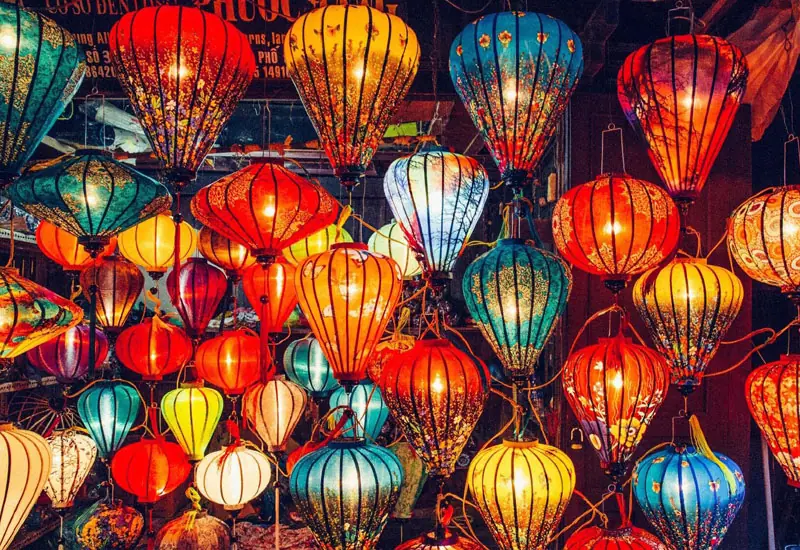
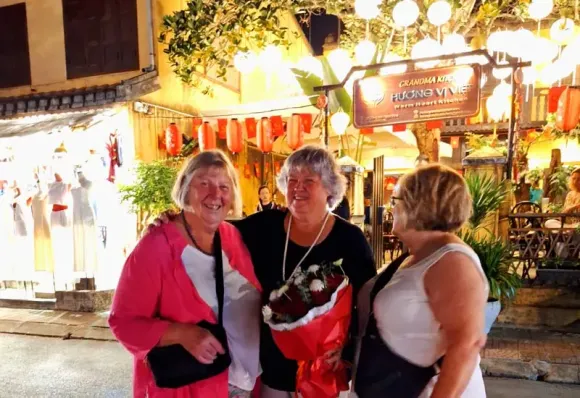
Colorful lanterns are among the most iconic visual features of Hoi An. During the day, their varied shapes and colors stand out against yellow walls and traditional shopfronts. After sunset, illuminated lanterns create a warm atmosphere that works particularly well for couples’ portraits, family photographs and night photography. For balanced images, arrive around dusk when some natural light remains in the sky. Be patient in crowded areas and avoid blocking narrow streets while taking photographs.
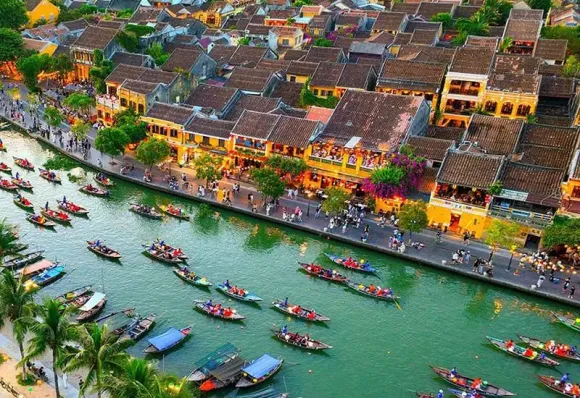
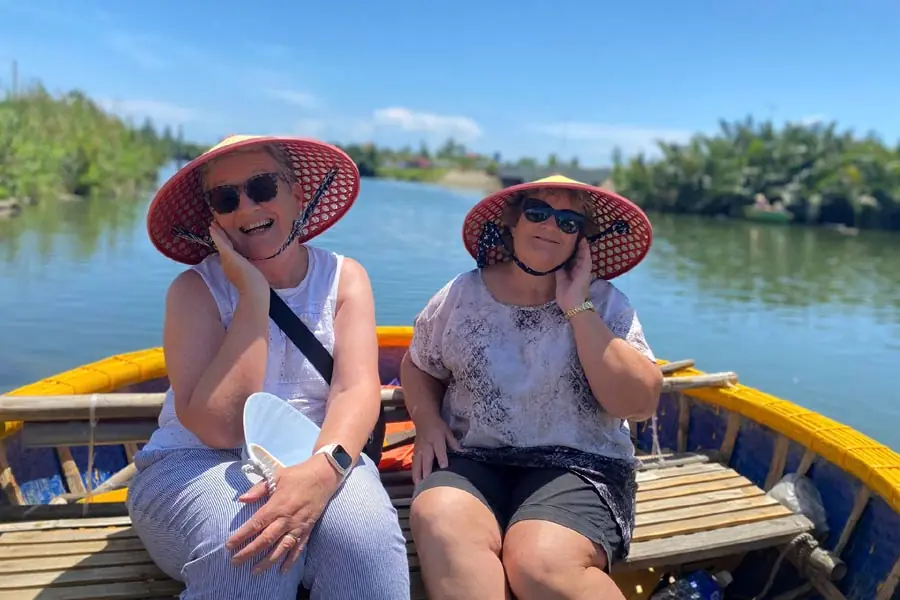
The Hoai River offers a different perspective on Hoi An, with wooden boats, reflections and views of the historic waterfront. Late afternoon is suitable for warm-toned photographs, while blue hour after sunset creates opportunities for capturing illuminated buildings and lantern reflections. You can photograph the river from public riverside areas or arrange a boat experience where available. If taking pictures from a boat, protect your camera or phone from splashes and follow the operator’s safety instructions.
The narrow alleys between the town’s historic streets provide intimate settings for portraits and street photography. Their weathered yellow walls, wooden doors and contrasting greenery create simple but attractive compositions. Early morning is particularly useful when fewer people are passing through these small spaces. Instead of relying only on popular photo spots, explore nearby lanes respectfully and look for interesting light, textures and architectural details. Remember that these alleys are also used by residents and local businesses.
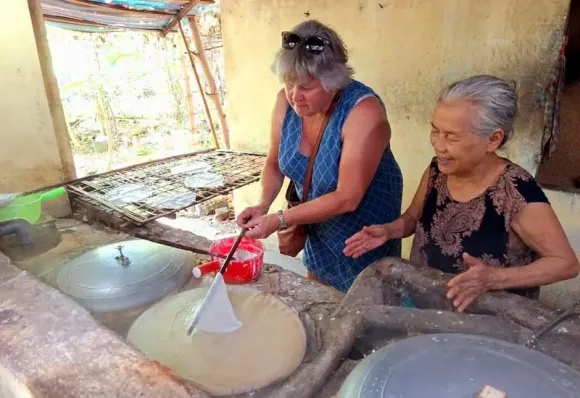
A photography tour may include a guided walking route, a local photographer, portrait sessions or a combination of sightseeing and photo stops. Some experiences focus on candid street photography, while others arrange posed portraits, traditional outfits or couple and family photoshoots. For more authentic images, consider combining your photography experience with a Hoi An Craft Villages Tour, where traditional pottery, carpentry and farming activities provide opportunities to capture local craftsmanship and everyday life. Before booking, check whether photography services, edited images and entrance fees are included.
Early morning, generally around 6:00–8:00 AM, is a good time for photographing quiet streets and soft light. Late afternoon offers warmer tones, while dusk and evening are ideal for lantern photography along the historic streets and riverfront. The dry months, especially February to April, often provide comfortable conditions for walking and outdoor photoshoots, although weather varies each year. Rainy days can also create atmospheric reflections, but bring protection for your equipment and remain flexible if conditions change.
Wear comfortable shoes because most photography routes through Hoi An Ancient Town involve walking. Bring a fully charged phone or camera, spare batteries if needed, and a small cloth to clean your lens. Ask permission before photographing residents at close range, and check whether additional fees or restrictions apply when taking pictures inside heritage buildings or private businesses. For professional portraits, confirm the session duration, number of edited images, delivery time and cancellation policy before paying.
Make your trip memorable with photography experiences included in your Hoi An tours itinerary. Contact Asia Eyes Travel for travel advice and arrangements at info@asiaeyestravel.com or via WhatsApp +84 935 946 688 (Mr. Thuc Nguyen).
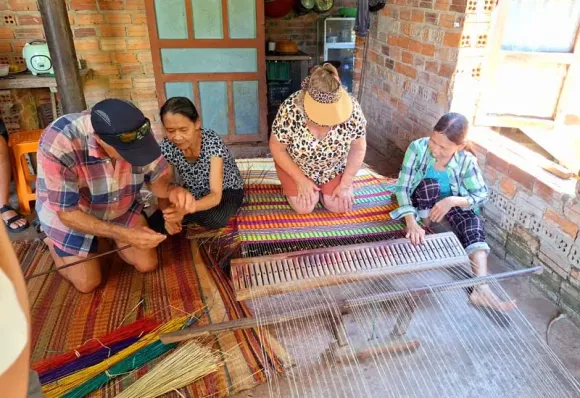
Hoi An Craft Villages Tour: Pottery, Carpentry & Farming
Discover the Hoi An Countryside by Vespa


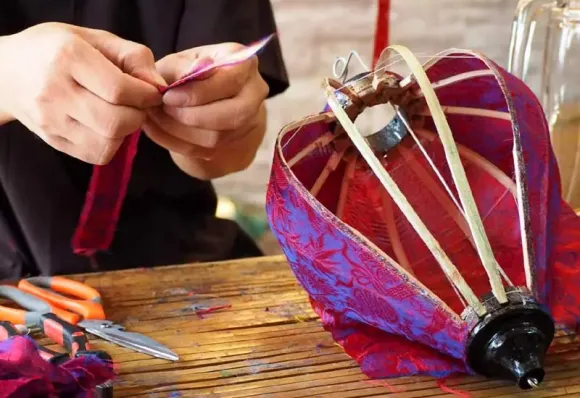
Hoi An Lantern Making & Tra Que Farming Bike Half Tour