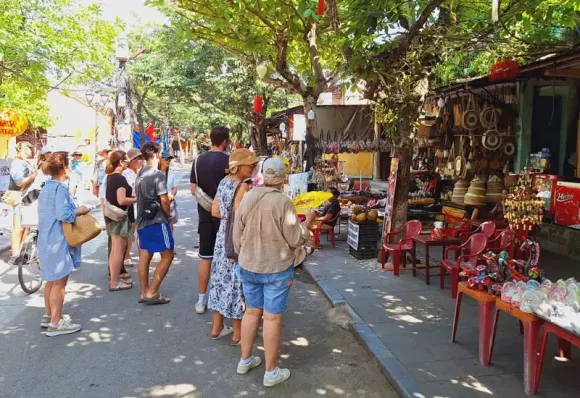
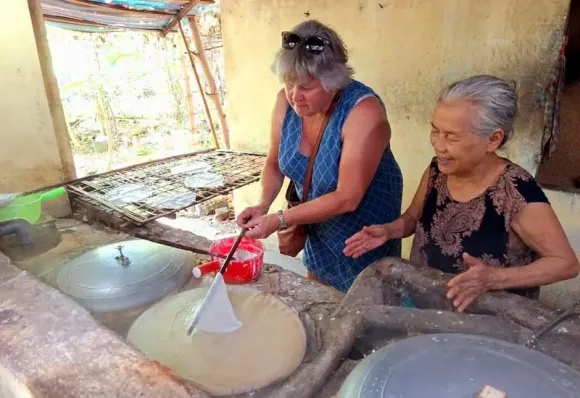
Hoi An is one of Vietnam's most enchanting destinations, famous for its lantern-lit Ancient Town, rich cultural heritage, riverside scenery, and nearby beaches. Although it can be visited year-round, understanding the best time to visit Hoi An will help you experience the town at its most beautiful and comfortable. Whether you're planning to stroll through the Ancient Town, relax at An Bang Beach, join a cooking class, or explore the surrounding countryside, choosing the right season will make your visit even more enjoyable. In this guide, Asia Eyes Travel shares practical local insights to help you plan the perfect time for your Hoi An holiday.
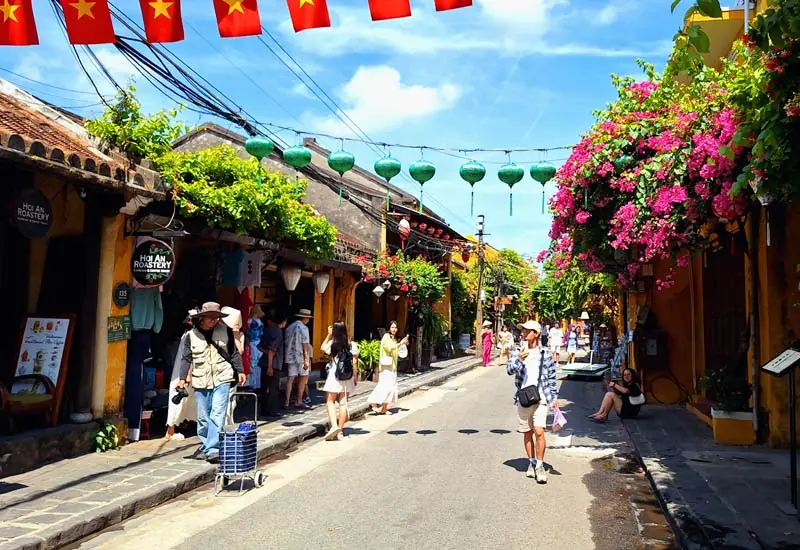
Hoi An has a tropical climate with two distinct seasons: the dry season from February to August and the rainy season from September to January. Temperatures remain warm throughout the year, averaging between 24°C and 33°C (75°F–91°F). The dry season is ideal for exploring the Ancient Town, relaxing at nearby beaches, and enjoying outdoor activities, while the rainy season brings cooler temperatures and a quieter atmosphere. Understanding these seasonal patterns will help you choose the best time for sightseeing, cultural experiences, and popular Hoi An Tours.

The period from February to April is widely considered one of the best times to visit Hoi An. During these months, the weather is generally warm, dry, and pleasant, with temperatures ranging from around 22°C to 28°C. The comfortable conditions are ideal for exploring Hoi An Ancient Town, cycling through the countryside and rice fields, and enjoying outdoor and cultural activities. With less rain and milder temperatures, February to April is also a great time to combine sightseeing with a Hoi An beach holiday and discover the beautiful beaches of Central Vietnam.
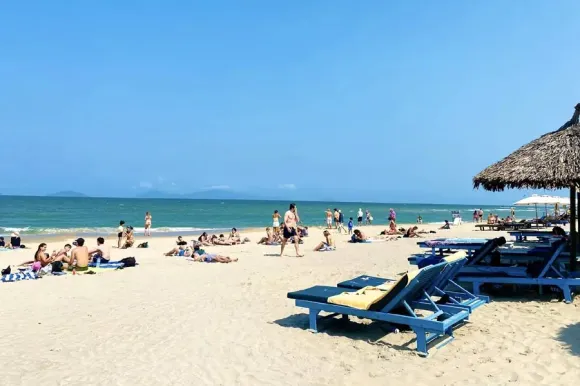
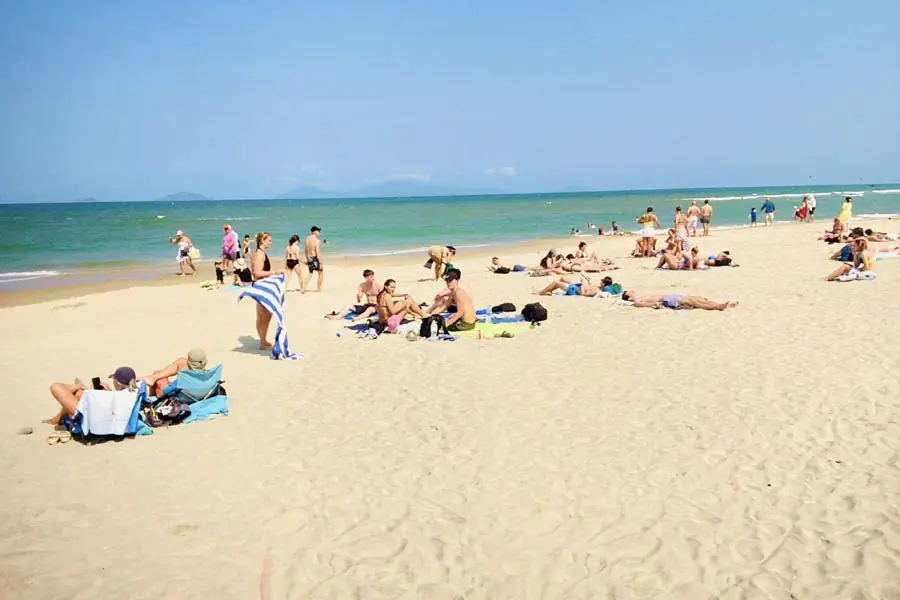
From May to August, Hoi An experiences hot and sunny weather, with temperatures often reaching around 35°C. Although the midday heat can make sightseeing less comfortable, this is one of the best times to enjoy a Vietnam beach holiday, particularly in Central Vietnam.
Nearby An Bang Beach, Cua Dai Beach, and the Cham Islands offer warm weather, sunny skies, and good conditions for swimming, relaxing, and enjoying water activities. Travelers can also combine a Hoi An beach holiday with visits to Hoi An Ancient Town, local food experiences, and day trips around Central Vietnam.
This period is also popular with domestic travelers visiting Hoi An and Da Nang, especially during summer holidays. If you are planning Vietnam beach holidays between May and September, booking your hotels, beach resorts, and tours in advance is recommended to secure better rates and your preferred accommodation.
Contact Asia Eyes Travel for Vietnam beach holidays, beach resorts, hotels, and Central Vietnam Tours
September to October is the rainy season in Hoi An, with higher humidity, frequent rainfall, and occasional storms. Although the weather can be wet, this period offers a quieter and more peaceful travel experience with fewer tourists. Visitors can explore Hoi An Ancient Town, enjoy local cuisine, join cooking classes, and discover nearby attractions between rain showers. If you plan to visit Hoi An from September to October, bring a lightweight raincoat or umbrella and check the weather forecast before booking outdoor activities. Contact Asia Eyes Travel for more information about Central Vietnam weather and travel conditions.

The Hoi An Lantern Festival is one of the city's most famous cultural experiences. It usually takes place on the 14th day of each lunar month, when the Old Town becomes especially atmospheric after dark.
During the festival, colorful lanterns illuminate the streets and riverside areas, creating excellent opportunities for photography and cultural experiences. If seeing the lantern festival is important to you, check the lunar calendar when planning your trip.

If you want to explore the countryside around Hoi An by bicycle, February to April is one of the most comfortable periods. The pleasant temperatures make it easier to cycle through rice fields and visit traditional villages.
Morning and late-afternoon cycling tours are also recommended during the hotter months from May to August. During the rainy season, check the forecast before setting out because heavy rain can make rural roads wet and muddy.

Plan Your Hoi An Trip at the Right Time


Hoi An Lantern Making & Tra Que Farming Bike Half Tour
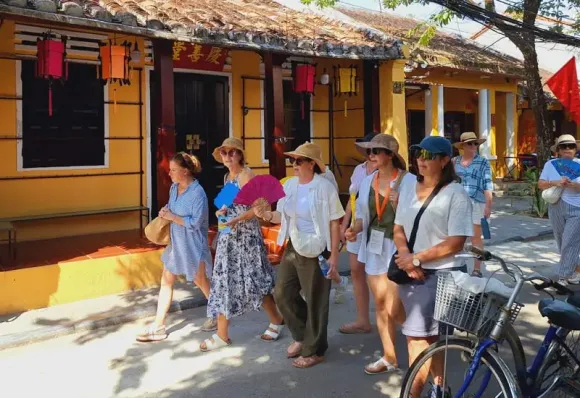

Discover the Hoi An Countryside by Vespa

Hoi An Craft Villages Tour: Pottery, Carpentry & Farming