The Japanese Covered Bridge in Hoi An, locally known as Chùa Cầu or Lai Vien Kieu, is one of the most recognizable landmarks in Hoi An Ancient Town. Built centuries ago, the bridge reflects the historic connection between the Japanese, Chinese, and Vietnamese communities that shaped Hoi An into an important trading port. With its distinctive covered design, small shrine, and fascinating cultural history, the Japanese Bridge is a must-see for travelers exploring Hoi An. This guide covers its history, architecture, location, visiting tips, and what to expect. For more local travel advice or to visit the bridge as part of Hoi An tours, Contact Asia Eyes Travel.
The Japanese Bridge in Hoi An was built in the early 17th century by Japanese merchants who lived and traded in Hoi An. At that time, Hoi An was a prosperous international trading port where Vietnamese, Japanese, Chinese, and European merchants exchanged goods and cultural traditions. The bridge connected the Japanese residential area with other parts of the ancient trading town.
The bridge is approximately 18 meters long and features a distinctive wooden structure covered by a traditional tiled roof. In 1653, a small temple was added to the northern side of the bridge, giving it the Vietnamese name Chùa Cầu, meaning "Bridge Pagoda." Unlike a conventional Buddhist temple, the shrine inside the bridge is dedicated to Tran Vu Bac De, a Taoist deity traditionally associated with protection and control over natural disasters.
In 1719, Lord Nguyen Phuc Chu visited Hoi An and gave the bridge the name Lai Vien Kieu, meaning "Bridge for Passengers from Afar." This name reflects Hoi An's historical role as a welcoming international trading port and meeting place for people from different cultures.
Over the centuries, the Japanese Covered Bridge has undergone several restorations to preserve its structure and architectural character. Its connection with Japan remains an important part of Hoi An's cultural identity, with recent restoration work also involving cooperation between Vietnamese and Japanese specialists.
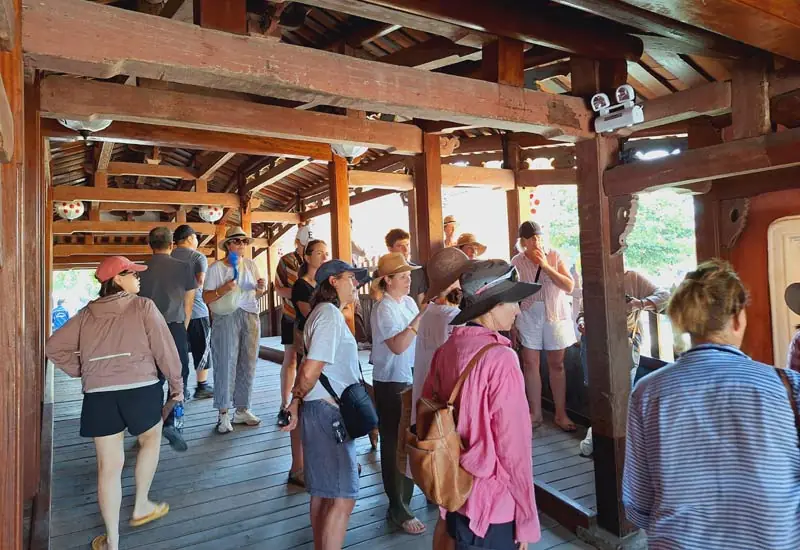
One of the most fascinating features of the Japanese Covered Bridge is the combination of Japanese, Chinese, and Vietnamese architectural influences. The wooden bridge is protected by a curved tiled roof, while traditional decorative details reflect the multicultural character of historic Hoi An.
Stone statues of dogs and monkeys stand at either end of the bridge. These figures are traditionally associated with the years in which the bridge's construction and later restoration took place. The covered design also provides shade and shelter, making the bridge both a practical structure and an important religious and cultural site.
The Japanese Bridge has become so closely associated with Hoi An that it was once featured on the 20,000 Vietnamese dong banknote, highlighting its importance as a national cultural symbol.
The Japanese Covered Bridge is located within Hoi An Ancient Town, where visitors need an entrance ticket to visit the town’s historic attractions. An 80,000 VND ticket includes access to the general Ancient Town area, the Japanese Covered Bridge or Quan Cong Temple, plus two additional cultural heritage sites. A 120,000 VND ticket includes the general Ancient Town area, the Japanese Covered Bridge or Quan Cong Temple, one museum, and three additional heritage sites.
The entrance fee helps support the preservation of Hoi An’s historic buildings, cultural activities, and heritage sites. Buying a ticket therefore contributes to maintaining the town’s unique character and protecting its cultural heritage for future visitors.
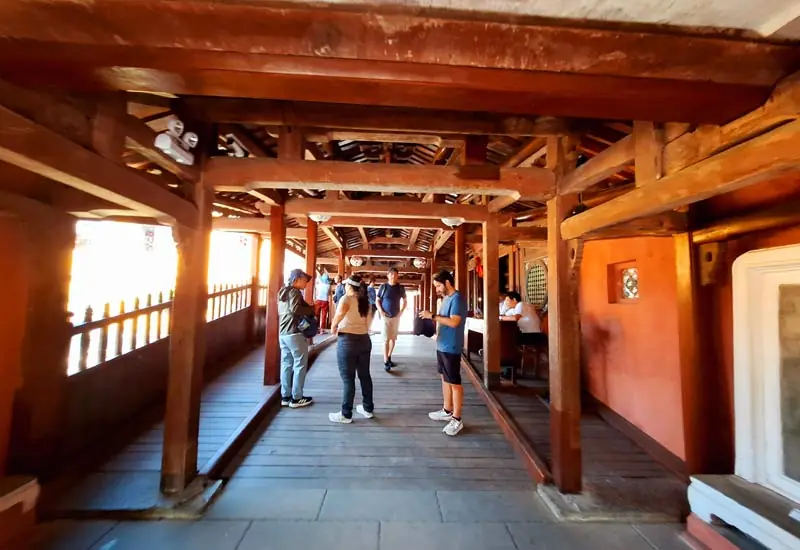
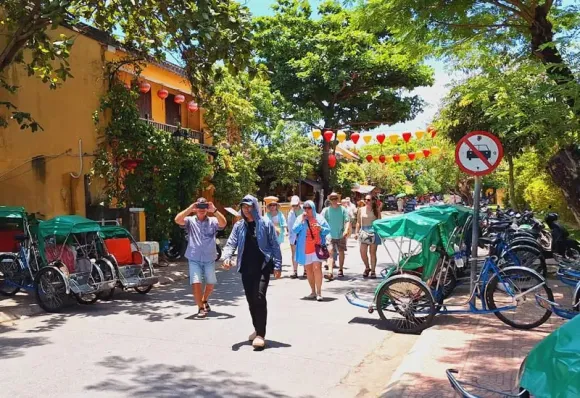
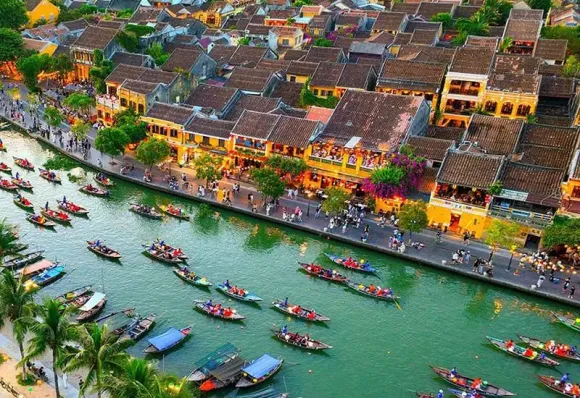
The Japanese Bridge in Hoi An can be visited throughout the day, but early morning is ideal for travelers who prefer a quieter atmosphere and better opportunities for photography. In the evening, the surrounding Ancient Town becomes especially atmospheric as colorful lanterns illuminate the streets and the Thu Bon River.
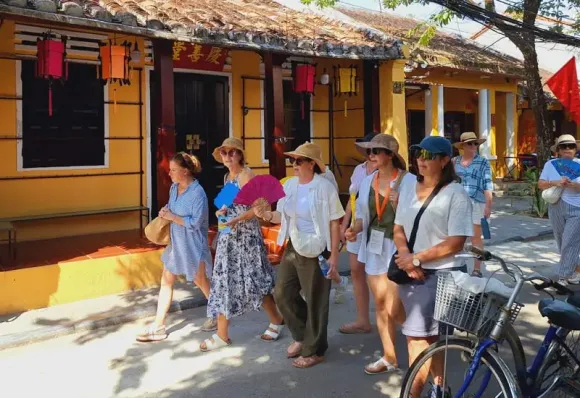
For a more complete cultural experience, combine your visit with nearby Hoi An Ancient Houses, traditional assembly halls, museums, local markets, and craft villages. A walking tour of the Old Town is also an excellent way to discover the history behind Hoi An's distinctive architecture.
The Japanese Bridge is one of the best places to experience the history and character of Hoi An Ancient Town. If you would like to visit this iconic landmark together with Hoi An’s heritage sites, local food, and traditional villages, Contact Asia Eyes Travel for Hoi An tours and travel arrangements. Our team can help you plan a memorable Hoi An experience based on your travel interests. Reach us at info@asiaeyestravel.com or via WhatsApp +84 935 946 688 (Mr. Thuc Nguyen).

Discover the Hoi An Countryside by Vespa

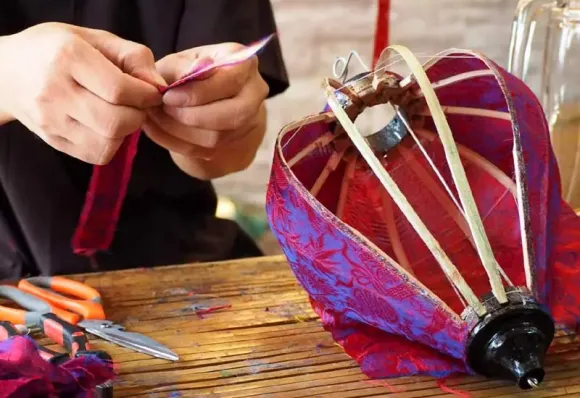
Hoi An Lantern Making & Tra Que Farming Bike Half Tour


Hoi An Craft Villages Tour: Pottery, Carpentry & Farming