


Hoi An Travel Tips
Practical Advice, Local Insights & Travel Planning
- Home /
- Blog /
- Vietnam Travel Guide /
- Hoian, Vietnam /
- Hoi An Travel Tips
Hoi An offers more than its famous lantern-lit streets. Visitors can explore historic merchant houses, sample regional dishes, cycle through rice fields, join cooking classes, and relax on nearby beaches. However, choosing the right time to visit, understanding local transport restrictions, and allowing enough time for activities can make a big difference. These Hoi An travel tips focus on practical details for international visitors, helping you plan a smoother trip. Contact Asia Eyes Travel DMC Vietnam for advice on Hoi An tours and local experiences that suit your interests.
February to April is generally a comfortable period for walking around the Hoi An Ancient Town, with less rain than during the wettest months. May to August is hotter but suitable for beach days. September to January brings a greater chance of rain, while October and November are particularly prone to heavy rainfall, storms, and flooding.
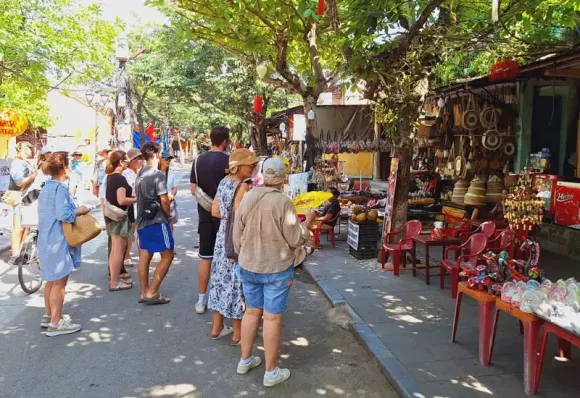
If you visit during the rainy season, check the forecast before booking boat trips or countryside excursions. During hot weather, explore the Ancient Town early in the morning and return in the late afternoon. The monthly lantern celebrations around the 14th day of the lunar calendar can be especially atmospheric, but expect larger crowds in the evening.

Hoi An Ancient Town is best explored on foot, but visitors planning to enter historic houses, assembly halls, and other heritage attractions should check the official ticket arrangements. The visitor information lists tickets at VND 80,000 and VND 120,000, with different combinations of heritage-site access. Confirm the current options at an official ticket counter before visiting.
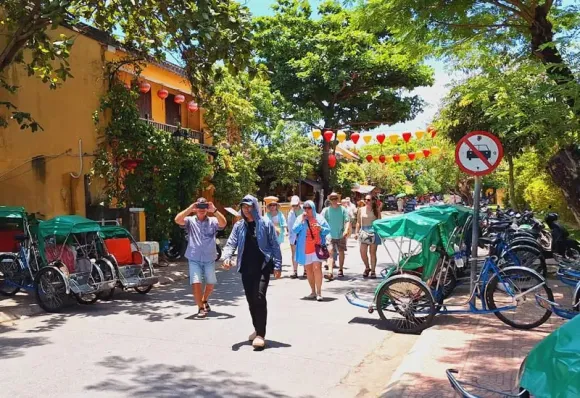
Motorized vehicles are restricted in designated pedestrian areas during scheduled hours. The Ancient Town generally has pedestrian periods from 9:00 to 11:00 and from 15:00 until the evening closing time, which varies by season. Phan Chau Trinh Street has its own pedestrian schedule. If your hotel is inside the restricted zone, ask about luggage access and the nearest vehicle drop-off point.
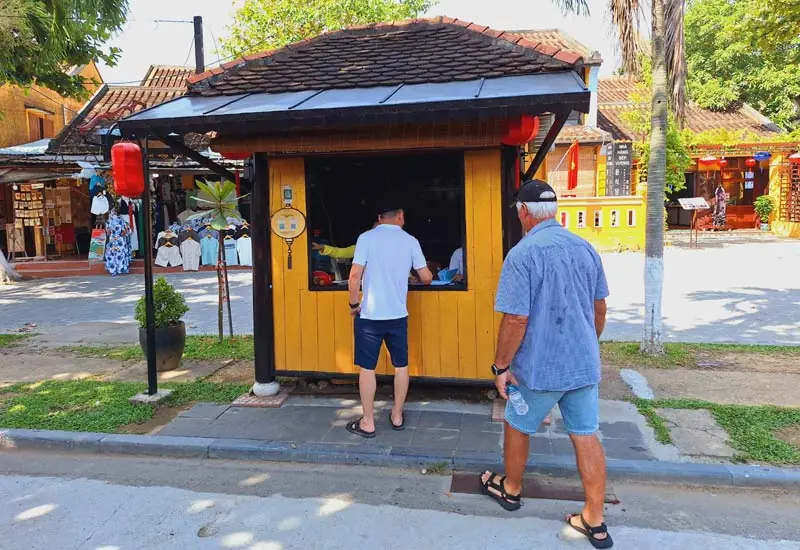
Accommodation near the Ancient Town is convenient for visiting heritage sites, shopping, dining, and enjoying the riverside atmosphere after sunset. Staying within walking distance also means you can return to your room without arranging transport late at night.
An Bang Beach is a better choice if you want beach time, seafood restaurants, and a more relaxed setting. The beach and Ancient Town can be combined in one day, but they are not immediately next to each other. Check the exact location of your hotel and allow time for transfers by taxi, ride-hailing service, or bicycle.

Da Nang International Airport is the main arrival point for most visitors to Hoi An. The drive usually takes around 45–60 minutes, depending on traffic. A pre-booked private transfer is convenient for families, groups, or travelers arriving with several bags. Taxis and ride-hailing services are other options.
If you arrive by bus or train in Da Nang, check the pickup location carefully because the station or bus stop may be some distance from your accommodation. When booking transport, confirm the total fare, luggage arrangements, and final drop-off point. Drivers may need to stop outside pedestrian-only streets.
Hoi An's countryside offers rice fields, farming communities, waterways, and quieter roads away from the busiest streets. A Hoi An Countryside Vespa Tour is suited to travelers who want a guided ride through rural areas, while a Hoi An Countryside Jeep Tour provides another way to visit places beyond the town center. Check the route, duration, inclusions, and departure point before booking.
For a slower experience, rent a bicycle and explore nearby villages in the cooler hours. Wear sun protection, carry water, and respect residents' privacy when taking photographs. If you visit working farms or fishing communities, follow your guide's instructions and avoid entering private areas without permission.
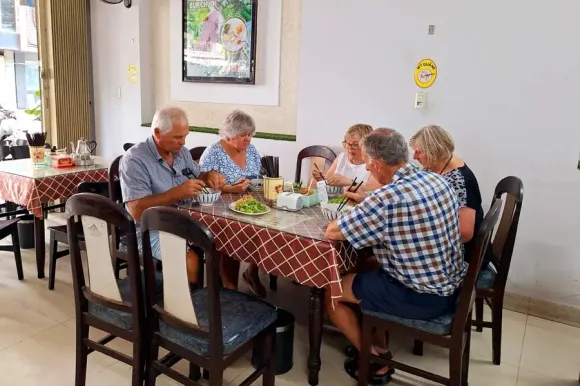
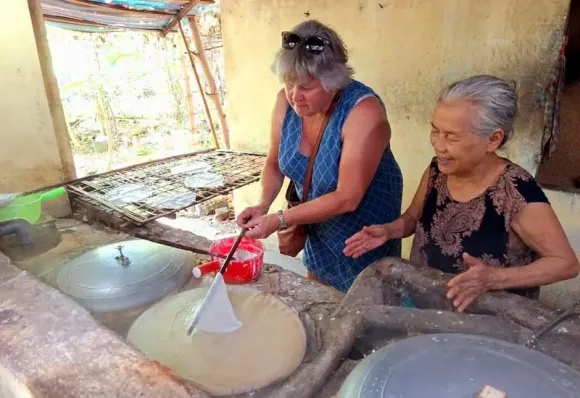
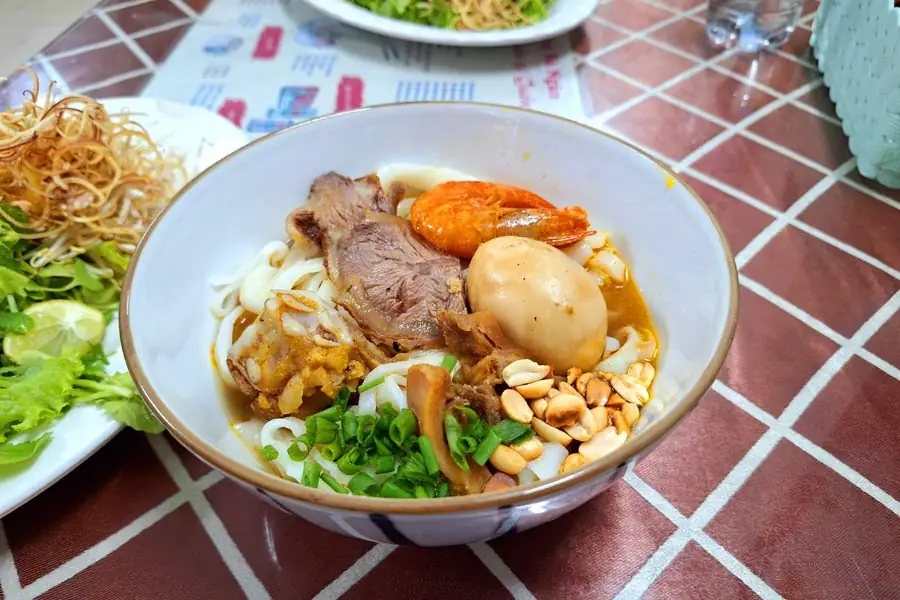
Hoi An is known for Cao Lau noodles, Mi Quang, white rose dumplings, chicken rice, and its distinctive Banh Mi. A Hoi An Street Food Walking Tour lets visitors sample local specialties while learning about the dishes and the places where residents eat. A Hoi An Cooking Class is a good option if you want hands-on experience preparing Vietnamese food, often with an introduction to local ingredients.
Vegetarian and vegan travelers should ask about fish sauce, meat stock, and other animal products, which may not be obvious from a menu description. If you have a serious allergy, explain it clearly before ordering. Choose busy food stalls with good food turnover and drink bottled or properly treated water.
Hoi An is well known for custom clothing, leather goods, lanterns, and handmade souvenirs. If you plan to visit a Hoi An Tailor for a custom-made suit, dress, or other clothing, choose a shop early in your stay rather than on your final day. Discuss the fabric, design, total price, fitting schedule, and collection date before placing an order. Allow enough time for fittings and alterations to ensure the finished garment fits properly, especially if you need it for an upcoming event.
At markets and souvenir shops, check prices before paying and confirm whether the quoted amount is per item or for a set. For boat rides and other activities, ask whether the price covers the whole boat or each passenger and what is included.

Lightweight clothes, comfortable walking shoes, sunscreen, and a hat are useful in warm weather. Bring a rain jacket or umbrella during wetter months, and shoes with good grip for slippery streets. A waterproof bag can help protect your phone and camera if rain arrives unexpectedly.
When visiting temples, pagodas, and religious sites, cover your shoulders and knees and follow posted rules. Ask permission before photographing people at work or during religious ceremonies. If you plan to rent a motorbike, check that you meet Vietnam's licensing requirements and have appropriate insurance; otherwise, use a car, taxi, or guided tour.
Two or three days allow time to enjoy the Ancient Town, try regional food, explore the countryside, and relax at the beach without rushing. Contact Asia Eyes Travel to arrange Hoi An tours and local experiences around your schedule. For itinerary details and bookings, email info@asiaeyestravel.com or contact Mr. Thuc Nguyen via WhatsApp at +84 935 946 688.

Hoi An Craft Villages Tour: Pottery, Carpentry & Farming



Hoi An Lantern Making & Tra Que Farming Bike Half Tour