Asia Eyes Travel highly recommends exploring the top tourist attractions in Hanoi, the capital of Vietnam and one of Southeast Asia’s most fascinating cultural destinations. With more than a thousand years of history, Hanoi offers travelers a unique blend of ancient temples, French colonial architecture, traditional museums, peaceful lakes, and vibrant street life.
Visiting the most famous attractions in Hanoi is the best way to understand the city’s identity, culture, and daily rhythm. From historic landmarks in the Hanoi Old Quarter to iconic sites like Hoan Kiem Lake and the Temple of Literature, each destination tells a story about Hanoi’s rich past and dynamic present.
Whether you are visiting Hanoi for the first time or returning to explore more deeply, these must-see attractions will help you experience the true spirit of the city through its history, cuisine, and local traditions.
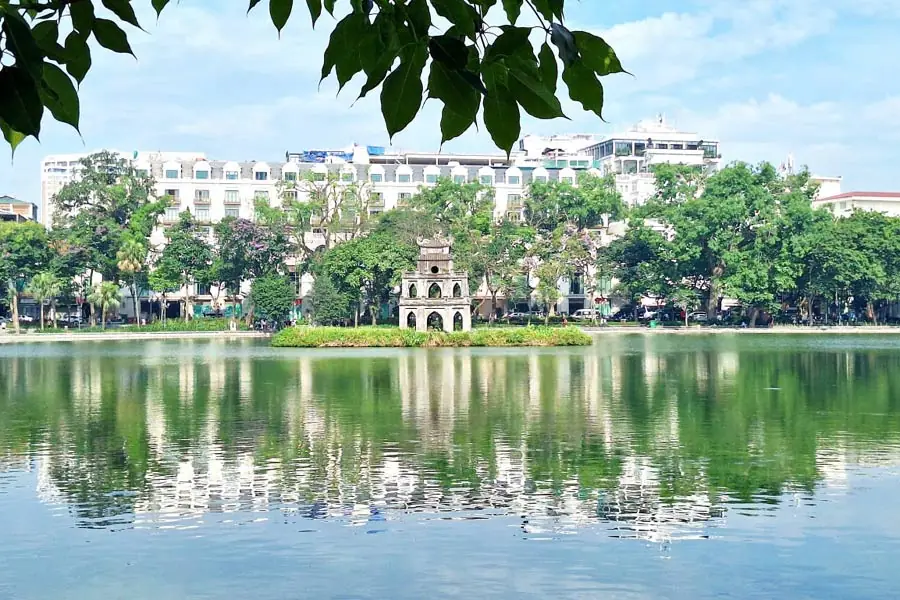
Hoan Kiem Lake is considered the heart of Hanoi and one of the city’s most iconic landmarks. Surrounded by trees, walking paths, and historic buildings, the lake offers a peaceful contrast to the busy streets nearby. Early mornings are especially lively, as locals practice tai chi, exercise, and gather with friends.
At the center of the lake stands Turtle Tower, while Ngoc Son Temple, connected by the red The Huc Bridge, is one of the most visited cultural sites in the area. The lake is also a great starting point for exploring the city.
Just a short walk from Hoan Kiem Lake, the Hanoi Old Quarter is famous for its network of narrow streets and traditional trade areas. Each street historically specialized in a particular craft or product, creating a unique cultural atmosphere that still exists today.
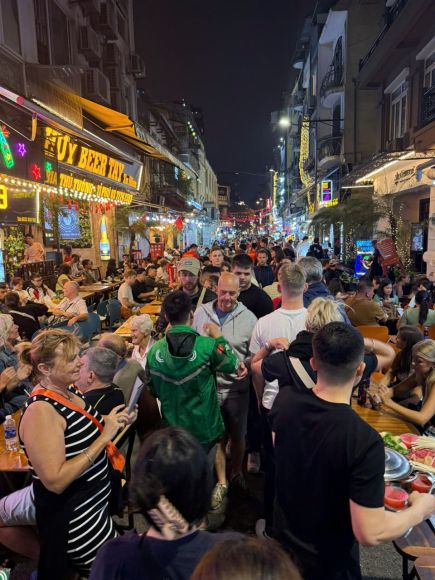
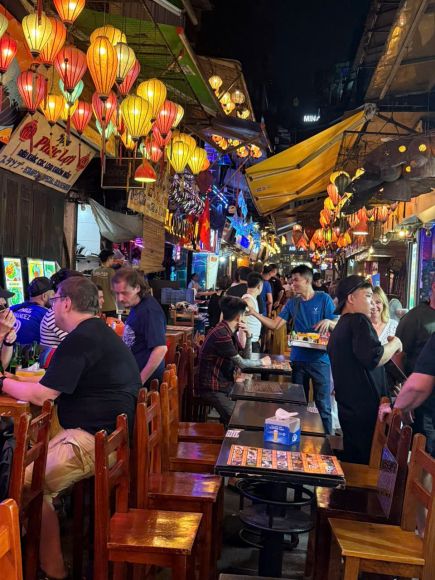
Visitors can explore local markets, try street food, enjoy coffee shops, and shop for handmade souvenirs. Popular dishes to try include pho, bun cha, and egg coffee, making the Old Quarter one of the best places to experience Hanoi’s food culture.
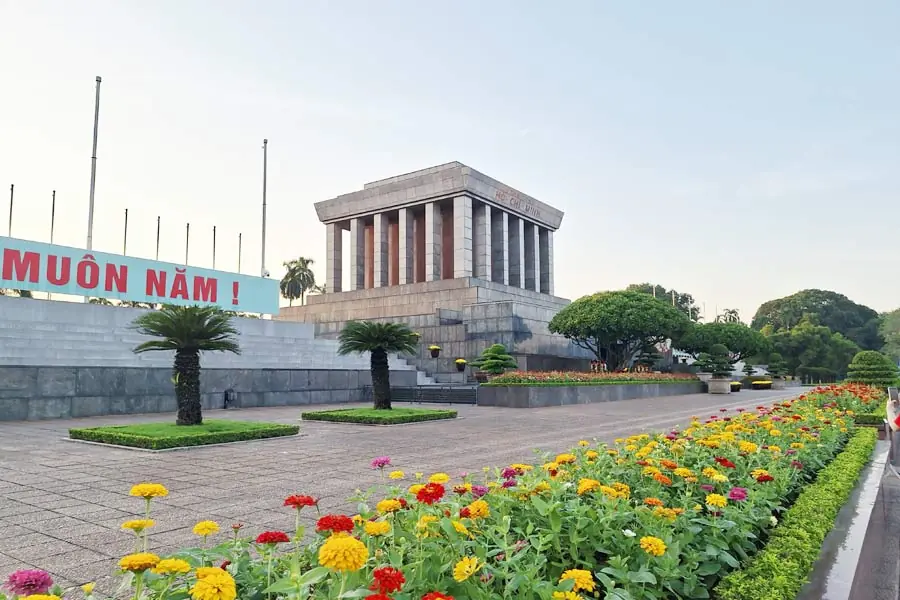
The Ho Chi Minh Mausoleum, located in Ba Dinh Square, is one of the most important historical landmarks in Vietnam. Visitors come here to learn about the life and legacy of President Ho Chi Minh. The surrounding complex includes gardens, monuments, and government buildings, creating a respectful and meaningful atmosphere.
Near the mausoleum stands the One Pillar Pagoda, a small but symbolic Buddhist temple built in 1049. Designed to resemble a lotus flower rising from the water, the pagoda represents purity and spiritual meaning in Vietnamese culture.
The Temple of Literature is one of Hanoi’s most beautiful cultural sites. Built in 1070 and dedicated to Confucius, it later became Vietnam’s first national university. The complex features traditional courtyards, ancient trees, stone steles, and well-preserved architecture, making it a peaceful place to learn about Vietnamese education and history.
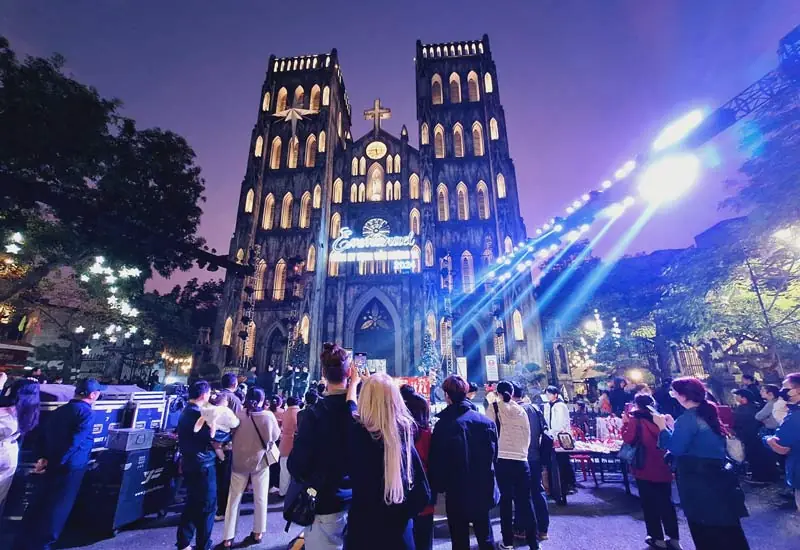
Built in the late 19th century, St. Joseph’s Cathedral is a striking example of French colonial Gothic architecture in Hanoi. The cathedral remains an active religious site and a popular meeting point for visitors. The surrounding area is known for cafés, bakeries, and small restaurants.
Located on a small island along West Lake, Tran Quoc Pagoda is considered one of the oldest Buddhist temples in Vietnam, with a history of more than 1,500 years. The pagoda’s tall red tower and lakeside setting make it a peaceful and scenic destination.
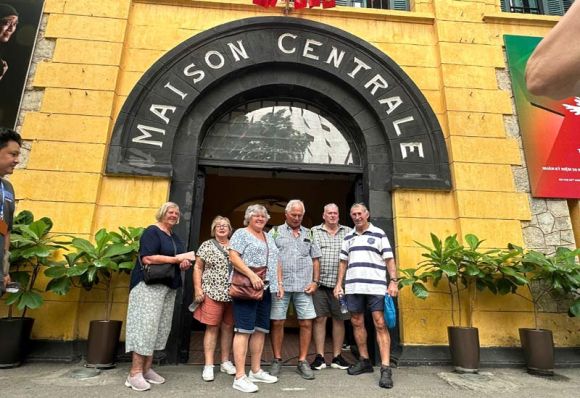
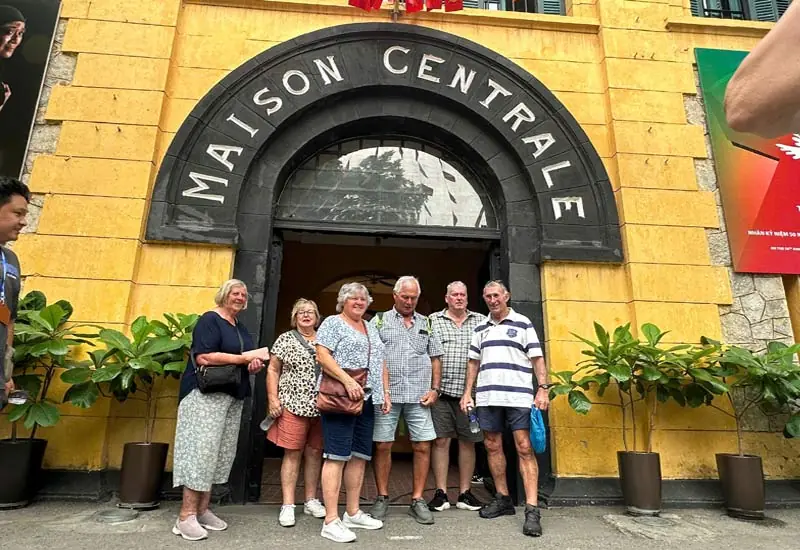
The Hoa Lo Prison Museum provides historical insight through preserved buildings and exhibitions. It is an important place for visitors who want to understand Vietnam’s past and the experiences connected to the site.
The Thang Long Imperial Citadel, recognized as a UNESCO World Heritage Site, reflects the political and cultural history of Vietnam over many centuries. Archaeological remains, ancient gates, and historical structures make it an important destination for history lovers.
West Lake is the largest lake in Hanoi and offers a calm and scenic environment away from the busy city center. The lakeside area features walking paths, temples, restaurants, and cafés. It is especially popular in the late afternoon and evening when visitors come to enjoy the sunset.
The historic Long Bien Bridge, built during the French colonial period, crosses the Red River and remains one of Hanoi’s most recognizable structures. Walking along the bridge provides views of the river, farmland, and local daily life.
Hanoi’s attractions reflect the city’s long history, cultural traditions, and vibrant community. From lakes and temples to museums and historic streets, these destinations offer travelers a deeper understanding of Vietnam’s capital. Visiting these top tourist attractions in Hanoi will make any trip to the city more meaningful and memorable.
A good Hanoi itinerary should balance historic attractions, local food, culture and free time rather than trying to visit too many places in one day. Consider the location of each attraction when planning your route and leave time to explore the Old Quarter, enjoy a coffee or try a local food experience.
Contact Asia Eyes Travel at info@asiaeyestravel.com or via WhatsApp +84 935 946 688 (Mr. Thuc Nguyen) for personalized consultation and detailed arrangements. Our team can help you build a practical Hanoi itinerary based on your travel dates and interests.
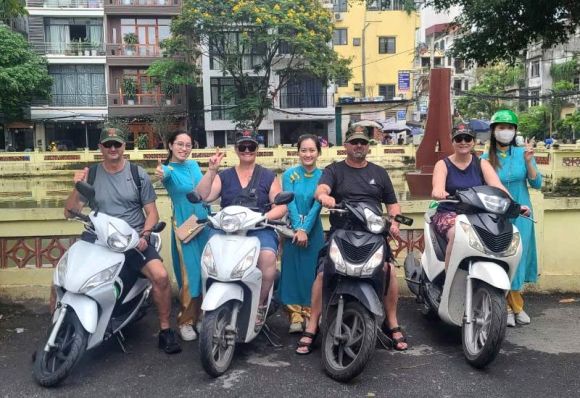
Hanoi Fabulous Food and Sights Tour by Scooter

Hanoi Night Lights and Food Tour by Scooter with Female Drivers

Hanoi Rural Craft Villages Tour

Duong Lam & Ba Vi Jeep Tour - Full Day