The Ho Chi Minh Mausoleum is one of the most important historical landmarks in Hanoi and a must-visit attraction for travelers interested in Vietnam's history and culture. Located in Ba Dinh Square, the mausoleum preserves the embalmed body of President Ho Chi Minh and is part of the Ho Chi Minh Complex, which also includes the Presidential Palace, Ho Chi Minh's Stilt House, the One Pillar Pagoda, and the Ho Chi Minh Museum. In this Ho Chi Minh Mausoleum Guide, Asia Eyes Travel provides everything you need to plan your visit, including the history of the mausoleum, opening hours (Tuesday to Thursday and weekends, from 7:30 AM to 10:30 AM in summer and 8:00 AM to 11:00 AM in winter), free admission, dress code, visitor regulations, how to get there, the best time to visit, nearby attractions, and practical travel tips.
Following the passing of President Ho Chi Minh on 2 September 1969, the Vietnamese government decided to preserve his body and build a permanent mausoleum where people from across the country and around the world could pay their respects.
Construction of the Ho Chi Minh Mausoleum began in 1973 and was completed in 1975 with technical assistance from the former Soviet Union. The building was officially inaugurated on 29 August 1975, becoming one of Vietnam's most significant political and historical monuments.
The architecture of the mausoleum reflects both Vietnamese cultural traditions and monumental Soviet-style design. Built primarily with granite and precious materials collected from different provinces throughout Vietnam, the mausoleum symbolizes national unity and respect for the country's beloved leader.
Today, millions of domestic and international visitors visit the mausoleum every year, making it one of the most popular attractions in Hanoi.
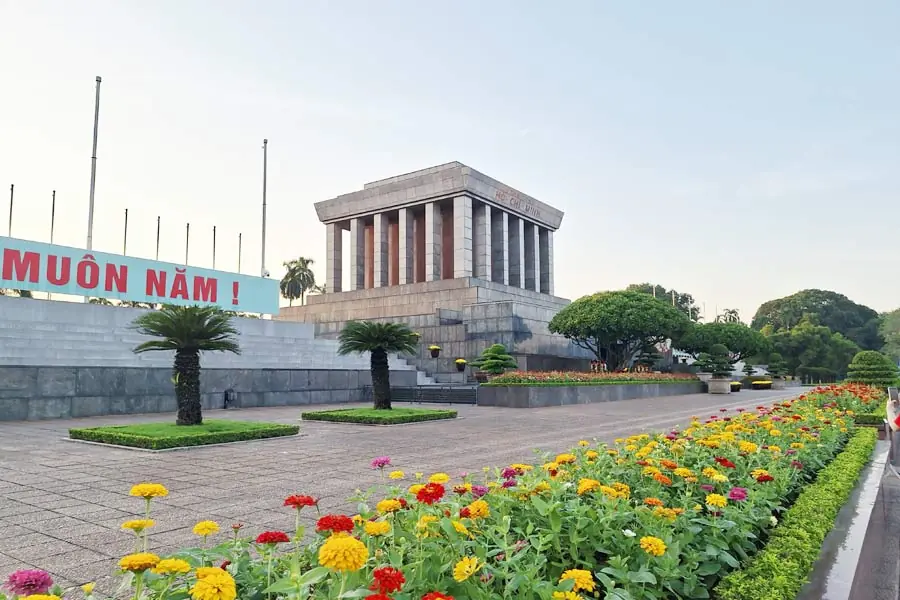
The Ho Chi Minh Mausoleum is located in Ba Dinh Square, about 2.5 km west of Hoan Kiem Lake in the Hanoi Old Quarter area. From the Old Quarter, it takes roughly 10–15 minutes by car or about 25–30 minutes on foot, depending on traffic and walking pace.
The Ho Chi Minh Mausoleum is open Tuesday, Wednesday, Thursday, Saturday, and Sunday.
Opening hours are:
The Ho Chi Minh Mausoleum is closed every Monday and Friday, and it also shuts down annually for several weeks, usually from September to early November, for routine preservation of President Ho Chi Minh’s body.
Opening hours may change during national holidays or maintenance periods, so visitors are advised to arrive early. If you plan to visit, you should be there around 8:00 AM to ensure you have enough time to enter and explore before it closes for the day.
The entrance to the Ho Chi Minh Mausoleum is completely free of charge. Visitors can enter without purchasing a ticket, making it one of the most accessible and important historical landmarks in Hanoi.
However, some attractions within the broader Ho Chi Minh Complex do require an admission fee:
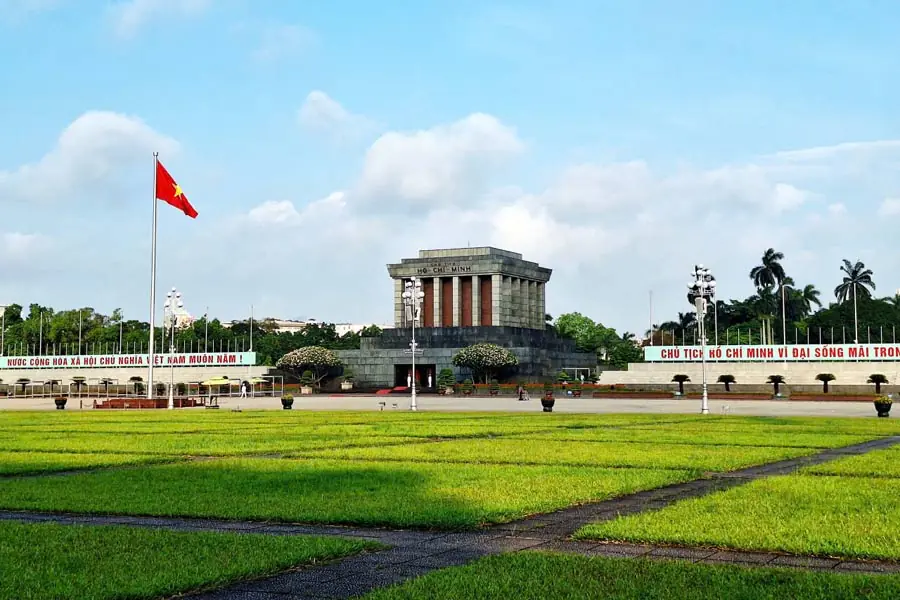
Visitors to the Ho Chi Minh Mausoleum are expected to dress respectfully, with clothing covering the shoulders and knees. Sleeveless tops, short shorts, and revealing outfits are not permitted. Photography and video recording are prohibited inside the mausoleum, and visitors must walk quietly in a single line. Large bags may need to be checked before entry. Following these simple guidelines helps maintain the respectful atmosphere of one of Vietnam's most important national monuments.
Although the Ho Chi Minh Mausoleum is the main highlight, the surrounding Ho Chi Minh Complex offers several important historical and cultural attractions that reflect Vietnam’s modern history.
One of the most interesting places within the complex is Ho Chi Minh's Stilt House, where President Ho Chi Minh lived and worked from 1958 until 1969. Instead of living in the nearby Presidential Palace, he chose this simple wooden house surrounded by gardens and fish ponds, reflecting his modest lifestyle. Visitors can see his living quarters, study room, and peaceful surroundings while learning more about his daily life.
Built during the French colonial period, the Presidential Palace is one of the most beautiful colonial buildings in Hanoi. Although the interior is not open to the public, visitors can admire its elegant yellow façade and stroll through the well-maintained gardens surrounding the palace.
Located just a few minutes' walk from the mausoleum, the One Pillar Pagoda is one of Hanoi's oldest and most iconic Buddhist temples. Originally built in 1049, the pagoda is famous for its unique architecture, standing on a single stone pillar above a lotus pond. It remains one of the city's most photographed landmarks.
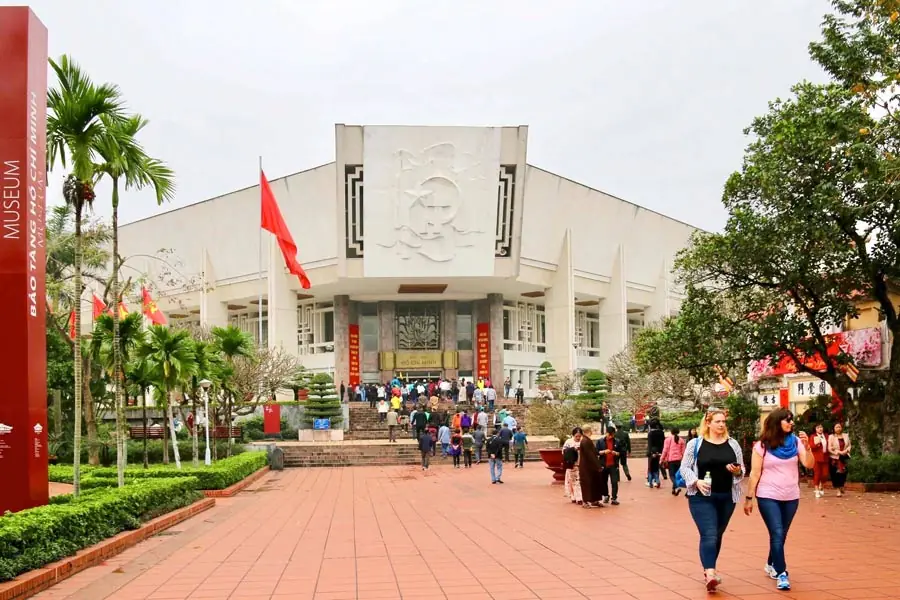
The Ho Chi Minh Museum offers a deeper understanding of President Ho Chi Minh's life, revolutionary career, and the history of modern Vietnam. Through photographs, personal belongings, historical documents, and interactive exhibitions, visitors can gain valuable insights into the country's journey toward independence.

Sapa Highlights in 2 Days and 2 Nights from Hanoi



Ninh Binh Full Day Trip with Small Tour Group
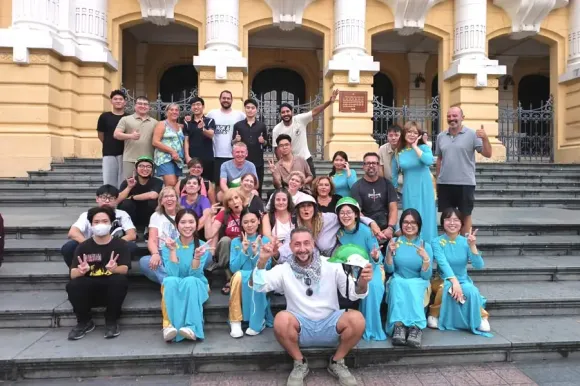
Hanoi Fabulous Food and Sights Tour by Scooter

Hanoi Night Lights and Food Tour by Scooter with Female Drivers
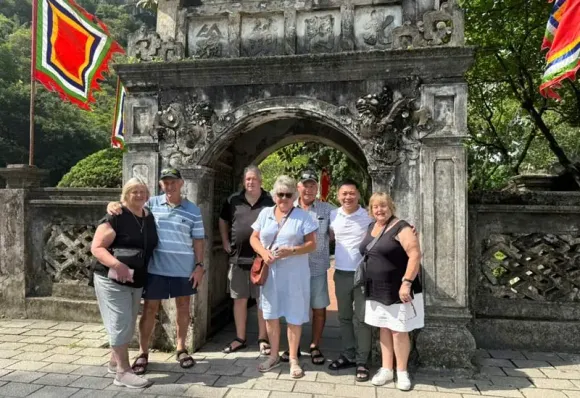
Experience Ninh Binh in 2 Days 1 Night

Hanoi Rural Craft Villages Tour
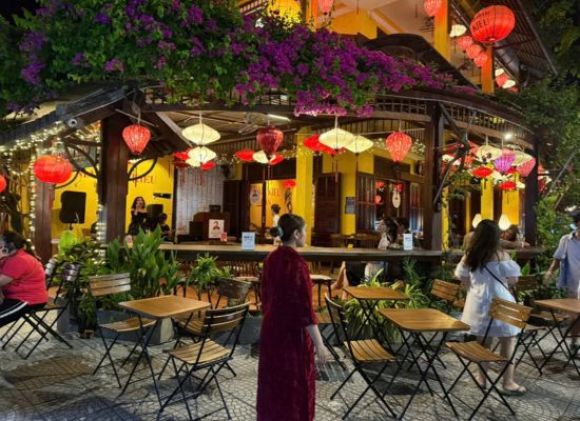
Vietnam Travel Deals 15 Days From Hanoi

Ninh Binh Day Trip (Tam Coc - Hoa Lu - Cycling)


Explore Cuc Phuong & Ninh Binh: 2-Day Private Tour







, free admission, dress code, visitor regulations, how to get there, the best time to visit, nearby attractions, and practical travel tips.&)