



Temple Of Literature
Everything You Need to Know Before Visiting
- Home /
- Blog /
- Vietnam Travel Guide /
- Hanoi Capital, Vietnam /
- Temple Of Literature: Vietnam's First National University
The Temple of Literature (Van Mieu – Quoc Tu Giam) is one of Hanoi's most treasured historical and cultural landmarks. Founded in 1070 during the Ly Dynasty, it was originally built to honor Confucius before becoming Vietnam's first national university, where generations of scholars and royal officials received their education. Today, the complex stands as a symbol of learning, wisdom, and the country's long-standing respect for education.
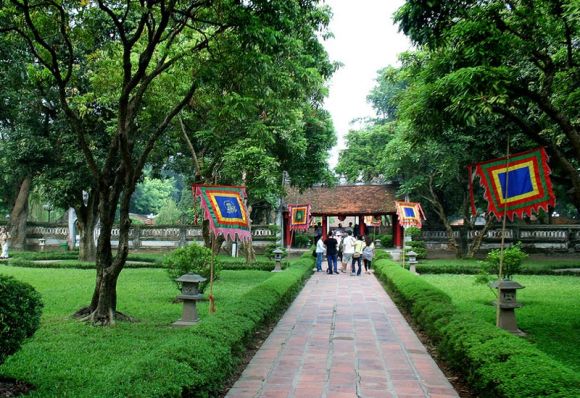
Located in Dong Da Ward, the Temple of Literature welcomes visitors with peaceful courtyards, ancient trees, traditional pavilions, and beautifully preserved Vietnamese architecture. Walking through its five courtyards offers a glimpse into Vietnam's educational traditions while showcasing elegant stone stelae, historic altars, and one of Hanoi's most photographed landmarks, the Khue Van Pavilion. It is also one of the cultural highlights featured in many Hanoi tours, offering visitors a deeper understanding of the capital's rich history beyond its bustling streets.
Today, the Temple of Literature is one of the city's most visited attractions, appealing to history enthusiasts, photographers, families, and anyone interested in Vietnam's cultural heritage. At Asia Eyes Travel, we recommend including this iconic landmark in your Hanoi itinerary to experience one of Vietnam's most significant historical and educational sites. This guide covers everything you need to know before visiting, including its history, the most important attractions inside the complex, opening hours, entrance fees, suggested visiting time, and practical travel tips for an enjoyable experience.
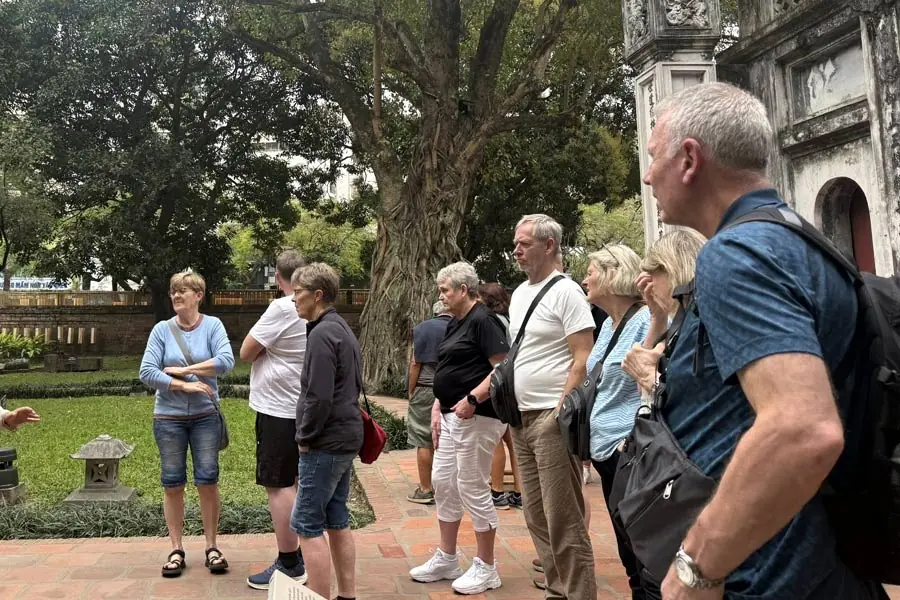
The Temple of Literature was founded in 1070 by Emperor Ly Thanh Tong as a temple dedicated to Confucius and the principles of Confucian learning. In 1076, Quoc Tu Giam was established within the complex by Emperor Ly Nhan Tong, becoming Vietnam's first national university. Initially reserved for members of the royal family, it later welcomed talented students from across the country, educating many of Vietnam's most respected scholars and government officials.
Throughout the Ly, Tran, Le, and Nguyen dynasties, the Temple of Literature remained the nation's leading center of education and scholarship. Today, it is one of Vietnam's best-preserved historical monuments and a powerful symbol of the country's long-standing respect for knowledge, education, and academic achievement.
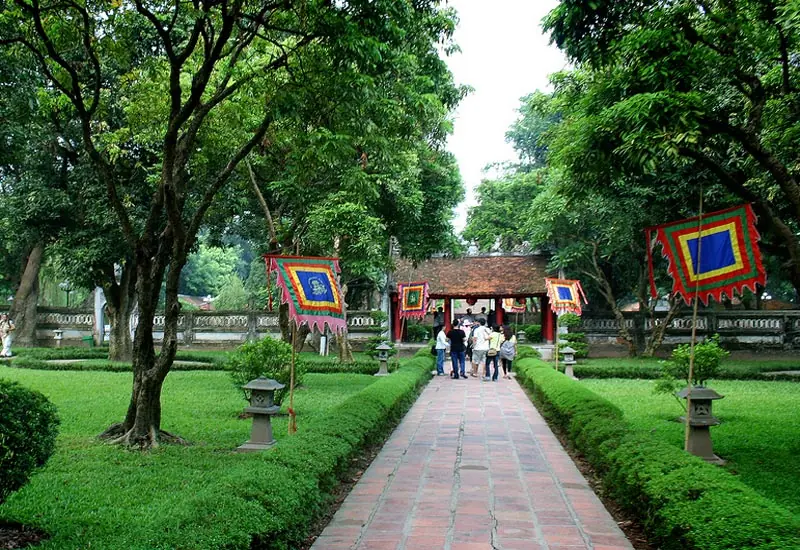
The Temple of Literature is divided into five beautiful courtyards, each representing a different stage of the journey toward knowledge and academic success. As you walk through the complex, you'll discover elegant architecture, peaceful gardens, historic monuments, and cultural treasures that have inspired generations of Vietnamese scholars.
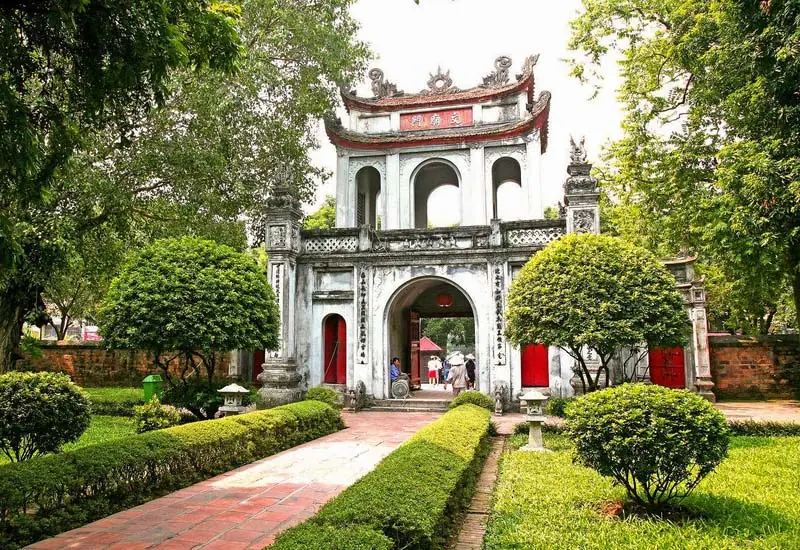
The impressive Van Mieu Gate is the main entrance to the Temple of Literature and welcomes visitors with its elegant traditional Vietnamese architecture. Featuring graceful tiled roofs and symmetrical design, the gate reflects the importance of the complex as Vietnam's first national university. Passing through this entrance marks the beginning of a journey into more than nine centuries of educational and cultural history.
Built in 1805, the Khue Van Pavilion is the most iconic structure inside the Temple of Literature and one of the official symbols of Hanoi. Its distinctive red wooden frame, circular windows, and elegant two-story design represent literature, wisdom, and intellectual achievement. The pavilion is also one of the most photographed landmarks in the complex and a favorite stop for visitors interested in architecture and cultural heritage.
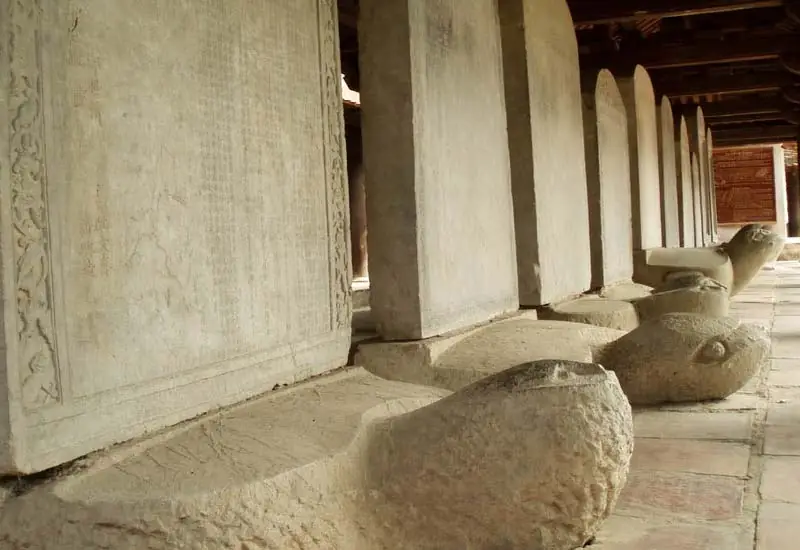
One of the highlights of the Temple of Literature is the collection of 82 Doctor's Stelae, each standing on the back of a stone turtle. These UNESCO-recognized stone tablets record the names of successful doctoral graduates from royal examinations held between 1442 and 1779. They honor the achievements of Vietnam's scholars while reflecting the country's deep respect for education, talent, and public service.
The Dai Thanh Sanctuary is the most sacred area within the Temple of Literature, dedicated to Confucius and his most distinguished disciples. Visitors can admire traditional wooden architecture, beautifully decorated altars, and ceremonial spaces that continue to reflect the influence of Confucian philosophy on Vietnamese education and culture. The peaceful atmosphere makes it one of the most meaningful places to pause and appreciate the site's historical significance.
The Thai Hoc Courtyard was reconstructed to commemorate Quoc Tu Giam, Vietnam's first national university. Today, it houses exhibitions about the history of education, famous scholars, and the royal examination system that shaped the country's intellectual traditions for centuries. The courtyard also features statues of Ly Thanh Tong, Ly Nhan Tong, and Chu Van An, honoring the rulers and educators who made lasting contributions to Vietnamese learning.
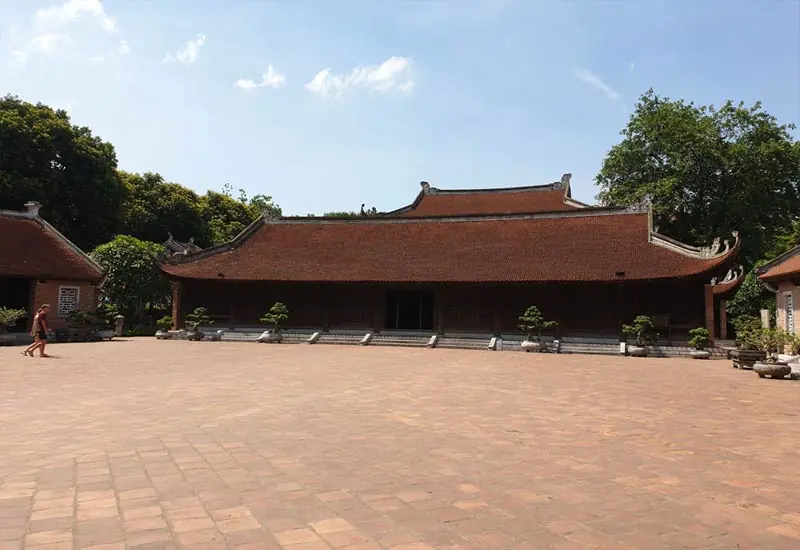
The Temple of Literature is open daily from 8:00 AM to 5:00 PM, including weekends and most public holidays. The best time to visit is in the morning or late afternoon, when the weather is cooler and the courtyards are more peaceful. Opening hours may vary during major holidays or special cultural events, so it's a good idea to check the latest schedule before your visit.
The standard entrance fee to the Temple of Literature is VND 70,000 per adult. Discounted tickets are available for children, students, senior citizens, and eligible visitors under current regulations. Admission includes access to all five courtyards, historic buildings, exhibitions, and the famous Doctor's Stelae, making it excellent value for anyone interested in Vietnam's history and culture.
Most visitors spend 1.5 to 2 hours exploring the Temple of Literature, allowing enough time to walk through the five courtyards, admire the historic architecture, visit the exhibitions, and take photographs. If you're interested in Vietnamese history or joining a guided tour, consider allowing up to 2.5 hours for a more in-depth experience. The peaceful surroundings also make it an ideal place to slow down and enjoy a quieter side of Hanoi.
Wear comfortable shoes, as you'll be walking through several courtyards connected by stone paths and gardens. Respect the site's cultural and religious significance by dressing modestly, especially when entering the sanctuary areas. Morning visits usually offer cooler temperatures and fewer crowds, while spring and autumn provide the most pleasant weather. Don't miss the Khue Van Pavilion and the Doctor's Stelae, two of the most iconic highlights of the complex.
The Temple of Literature is one of the best places to experience Vietnam's rich educational heritage and traditional architecture. A visit here offers a deeper understanding of the values that have shaped the country's culture for centuries.
Contact Asia Eyes Travel to include the Temple of Literature in your personalized Hanoi City Tour. Our experienced local guides and flexible itineraries will help you experience Hanoi's most iconic cultural landmarks in comfort and at your own pace.

Hanoi Fabulous Food and Sights Tour by Scooter
Hanoi Traditional Craft Villages Day Trip

Hanoi Night Lights and Food Tour by Scooter with Female Drivers

Hanoi Rural Craft Villages Tour


 is one of Hanoi's most treasured historical and cultural landmarks. Founded in 1070 during the Ly Dynasty, it was originally built to honor Confucius before becoming Vietnam's first national university, where generations of scholars and royal officials received their education. Today, the complex stands as a symbol of learning, wisdom, and the country's long-standing respect for education.
Located in Dong Da Ward, the Temple of Literature welcomes visitors with peaceful courtyards, ancient trees, traditional pavilions, and beautifully preserved Vietnamese architecture. Walking through its five courtyards offers a glimpse into Vietnam's educational traditions while showcasing elegant stone stelae, historic altars, and one of Hanoi's most photographed landmarks, the Khue Van Pavilion. It is also one of the cultural highlights featured in many Hanoi tours, offering visitors a deeper understanding of the capital's rich history beyond its bustling streets.
Today, the Temple of Literature is one of the city's most visited attractions, appealing to history enthusiasts, photographers, families, and anyone interested in Vietnam's cultural heritage. At Asia Eyes Travel, we recommend including this iconic landmark in your Hanoi itinerary to experience one of Vietnam's most significant historical and educational sites. This guide covers everything you need to know before visiting, including its history, the most important attractions inside the complex, opening hours, entrance fees, suggested visiting time, and practical travel tips for an enjoyable experience.
Explore Temple of Literature
&)