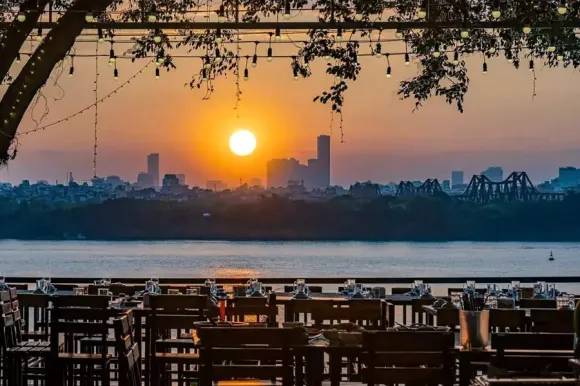
The Imperial Citadel of Thang Long is one of the most important historical and cultural landmarks in Hanoi, offering visitors an opportunity to step back through more than a thousand years of Vietnamese history. Recognized as a UNESCO World Heritage Site in 2010, the citadel served as the political heart of Vietnam for centuries and continues to preserve remarkable traces of royal architecture, archaeological treasures, and national heritage.
Located in the heart of Ba Dinh Ward, the Imperial Citadel of Thang Long covers an extensive area filled with ancient gates, palace foundations, archaeological excavation sites, military bunkers, and beautifully landscaped gardens. Unlike many historic monuments that focus on a single period, the citadel reflects the evolution of Vietnam through multiple dynasties and modern history, making it one of the country's most fascinating cultural attractions.
Today, visitors can walk through centuries-old ceremonial gates, admire the famous stone dragons of Kinh Thien Palace, explore archaeological remains dating back hundreds of years, and even enter underground command bunkers used during the Vietnam War. Every section of the complex tells a different chapter of Hanoi's long history, allowing travelers to experience far more than a typical museum visit.
This guide covers everything you need to know before visiting the Imperial Citadel of Thang Long, including its history, the most important attractions inside the complex, opening hours, entrance fees, suggested visiting time, and practical travel tips to help you make the most of your experience.

The Imperial Citadel of Thang Long has stood at the heart of Hanoi for more than 1,000 years, making it one of the oldest and most significant historical sites in Vietnam. In 1010, Emperor Ly Thai To moved the capital from Hoa Lu to Thang Long, marking the beginning of a new era for the country. From that time onward, the citadel became the political, cultural, and administrative center of successive Vietnamese dynasties, including the Ly, Tran, Le, and Nguyen dynasties.
Over the centuries, the complex was expanded, rebuilt, and adapted to meet the needs of each ruling dynasty. While many original palaces no longer survive, extensive archaeological excavations have uncovered royal foundations, ancient wells, ceramics, decorative tiles, and countless artifacts that reveal the scale and sophistication of the imperial capital. These discoveries provide valuable insights into Vietnam's royal history and daily life over many centuries.
Recognizing its outstanding cultural and historical value, UNESCO inscribed the Central Sector of the Imperial Citadel of Thang Long on the World Heritage List in 2010. Today, the site stands not only as one of Hanoi's most important attractions but also as a symbol of Vietnam's enduring history, resilience, and cultural identity.
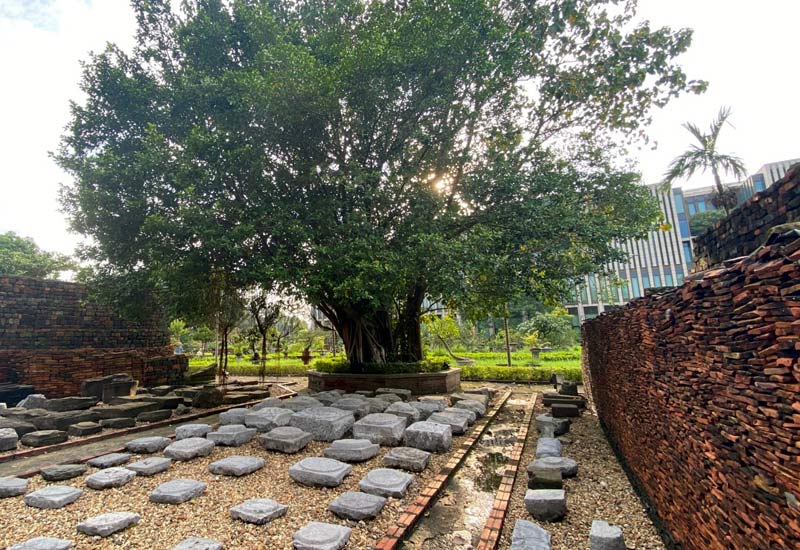
The Imperial Citadel of Thang Long covers a large area with numerous historical landmarks that represent different periods of Vietnam's history. While visitors are free to explore at their own pace, several sites are considered essential stops during any visit.
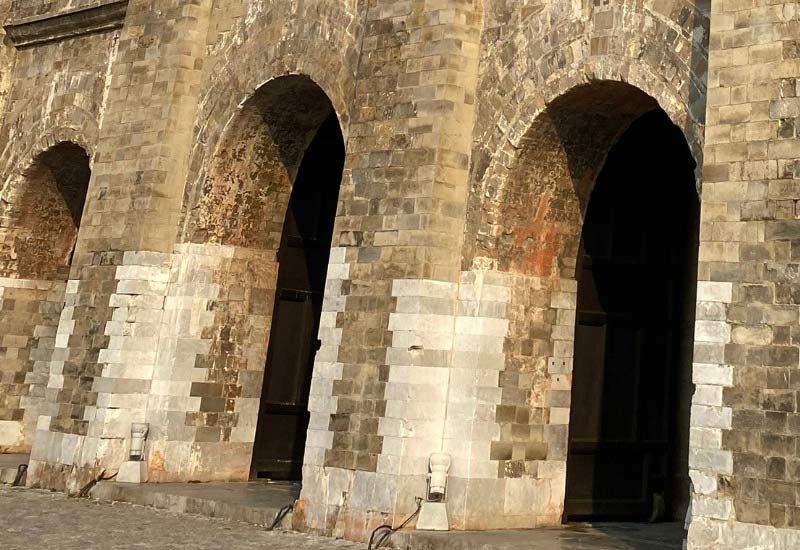
Doan Mon Gate served as the ceremonial entrance to the royal palace and remains one of the best-preserved structures within the citadel. Built with impressive stone arches and traditional Vietnamese architecture, the gate was once reserved for emperors and important royal ceremonies. Walking through Doan Mon offers visitors a glimpse into the grandeur of the former imperial capital while providing excellent photo opportunities overlooking the palace grounds.
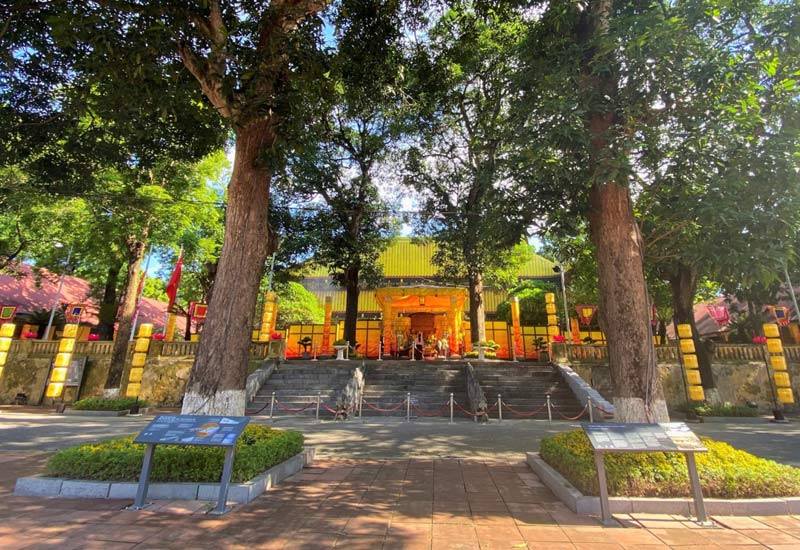
Although the original Kinh Thien Palace no longer exists, its impressive stone foundation remains one of the most important historical features of the complex. The beautifully carved stone dragon staircases, dating back to the 15th century, are regarded as masterpieces of Vietnamese royal architecture. This area once hosted important imperial ceremonies and state events, making it the symbolic center of the ancient capital.
One of the most fascinating parts of the Imperial Citadel of Thang Long is its extensive archaeological excavation area. Visitors can observe the foundations of ancient palaces, drainage systems, wells, roads, and thousands of artifacts uncovered by archaeologists. The site reveals continuous layers of occupation spanning several dynasties, offering a rare opportunity to see how the imperial capital evolved over the course of a millennium.
The D67 House and its underground bunker represent a much more recent chapter of Vietnamese history. Constructed during the 1960s, this command center played an important role during the Vietnam War and was used for strategic military meetings. Visitors can explore preserved meeting rooms, communication equipment, and the underground bunker, providing a unique contrast to the ancient royal structures found elsewhere in the citadel.
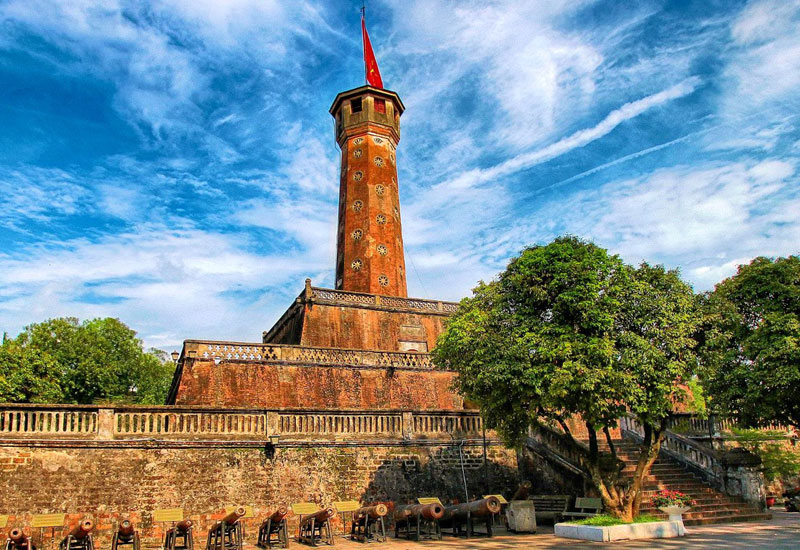
Standing proudly beside the citadel, the Hanoi Flag Tower is one of the city's best-known landmarks and one of the few historic structures to survive many periods of conflict. Rising approximately 33 meters high, the tower offers a striking example of early 19th-century military architecture. Today, it remains an enduring symbol of Hanoi and is one of the most photographed landmarks within the Imperial Citadel of Thang Long complex.
The Imperial Citadel of Thang Long is open daily from 8:00 AM to 5:00 PM, including weekends and most public holidays. Morning is the most comfortable time to visit, with cooler temperatures and fewer crowds. As opening hours may occasionally change for special events or maintenance, it's recommended to check the latest information before your visit.
The standard entrance fee to the Imperial Citadel of Thang Long is VND 100,000 per adult. Discounted tickets are available for eligible visitors, including students and children, under current regulations. Considering the size of the complex and the number of historical attractions included, the admission fee offers excellent value for anyone interested in Hanoi's history and cultural heritage.
Plan to spend 2–3 hours exploring the Imperial Citadel of Thang Long, which is enough time to visit the main landmarks, archaeological sites, and exhibitions at a relaxed pace. If you only want to see the highlights, around 90 minutes is sufficient. History enthusiasts or visitors joining a guided tour may prefer 3–4 hours to fully appreciate the site's rich heritage. The spacious layout and informative displays make it an enjoyable half-day cultural experience in Hanoi.
Wear comfortable walking shoes, as the Imperial Citadel of Thang Long covers a large area with outdoor pathways and historical sites. Bring a hat, sunscreen, and water if visiting during the warmer months. Take time to read the English information boards or consider hiring a local guide to better understand the history behind each landmark. Visiting in the morning offers cooler temperatures, fewer crowds, and better lighting for photography.
Step into over a thousand years of Vietnamese history with a visit to the Imperial Citadel of Thang Long, one of Hanoi's most remarkable UNESCO World Heritage Sites. Pair it with other iconic attractions to enjoy a deeper understanding of the capital's rich cultural heritage.
Contact Asia Eyes Travel to customize your Hanoi City Tour with experienced local guides, comfortable private transportation, and flexible itineraries designed around your travel style.

Hanoi Fabulous Food and Sights Tour by Scooter

Hanoi Night Lights and Food Tour by Scooter with Female Drivers

Private trip to Ninh Binh from Hanoi

Hanoi Rural Craft Villages Tour