Hue invites travelers into a gentle, poetic journey where history, culture, and cuisine unfold at a slower, more meaningful pace. From imperial citadels and ancient pagodas to riverside life and refined local dishes, the city reveals Vietnam’s heritage in its most elegant form. Whether you are a history enthusiast, culture seeker, or passionate foodie, Hue tours offer moments of reflection and discovery at every turn. With curated experiences by Asia Eyes Travel DMC Vietnam, exploring Hue becomes a dreamy journey of connection, where timeless traditions and quiet beauty leave a lasting impression.
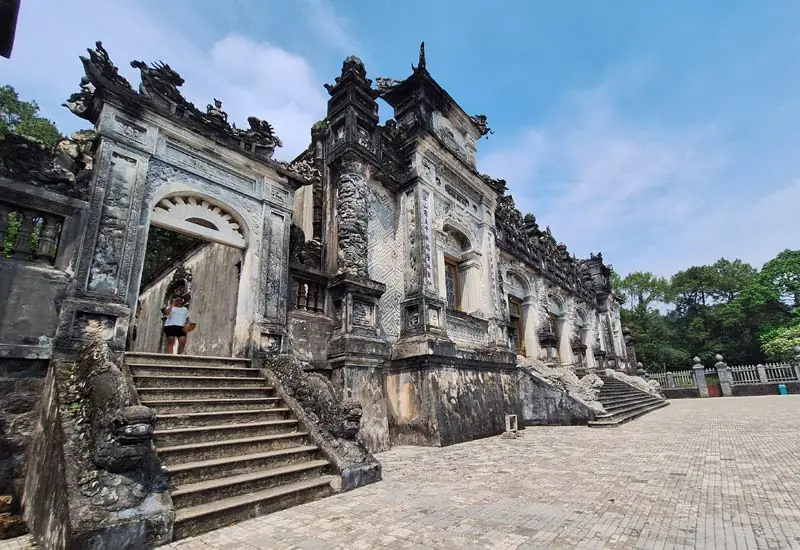
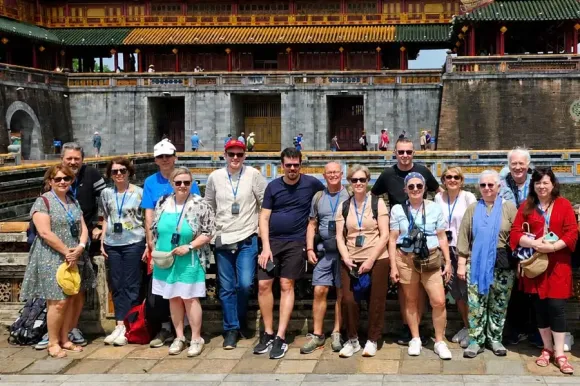
No visit to Hue is complete without exploring the Hue Imperial City, the historic heart of the Nguyen Dynasty. Built within the larger Hue Citadel, the Imperial City once served as an important center of imperial administration, royal ceremonies, and court life.
Walking through the historic gates, visitors can see impressive walls, traditional Vietnamese architecture, ornate decorations, and peaceful courtyards that offer a glimpse into Vietnam's royal past. The atmosphere is especially memorable in the early morning, when the site is quieter and the soft light brings out the details of the ancient architecture.
Some of the main highlights include:
The Complex of Hue Monuments was recognized by UNESCO as a World Heritage Site in 1993, highlighting the historical and cultural importance of the former imperial capital.
For history enthusiasts, photographers, and travelers interested in Vietnam's royal heritage, exploring the Imperial City is one of the essential experiences in Hue. Allow at least two to three hours to appreciate the main buildings and learn more about the Nguyen Dynasty's fascinating history.
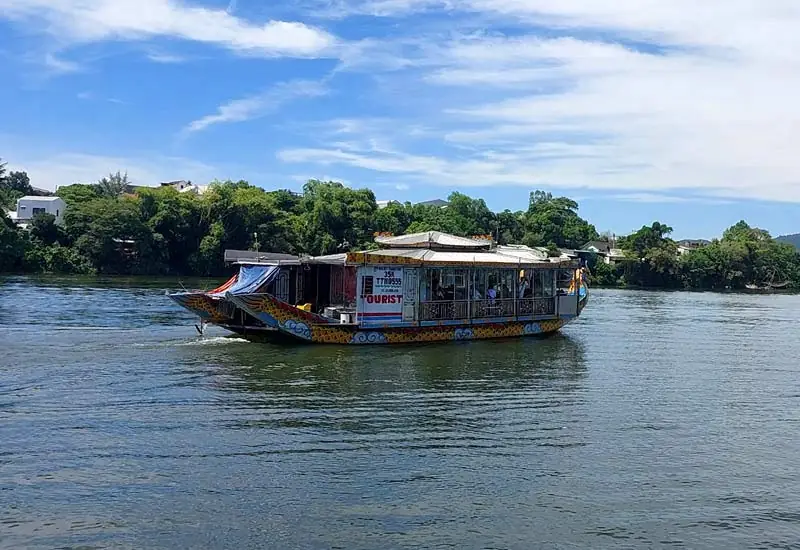
After exploring imperial landmarks, slow down with a dragon boat cruise on the Perfume River. The name itself sparks curiosity: in autumn, flowers from upriver orchards fall into the water, creating a subtle fragrance that inspired its name.
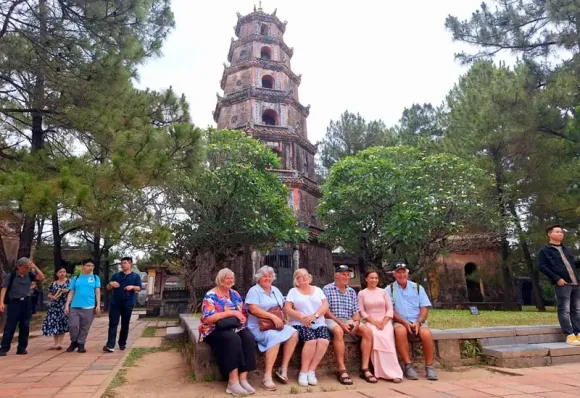
Along the riverbanks, you’ll spot fishermen, peaceful pagodas, and countryside scenery, with iconic stops such as Thien Mu Pagoda and Hon Chen Temple. It’s a tranquil ride that captures the poetic soul of Hue.
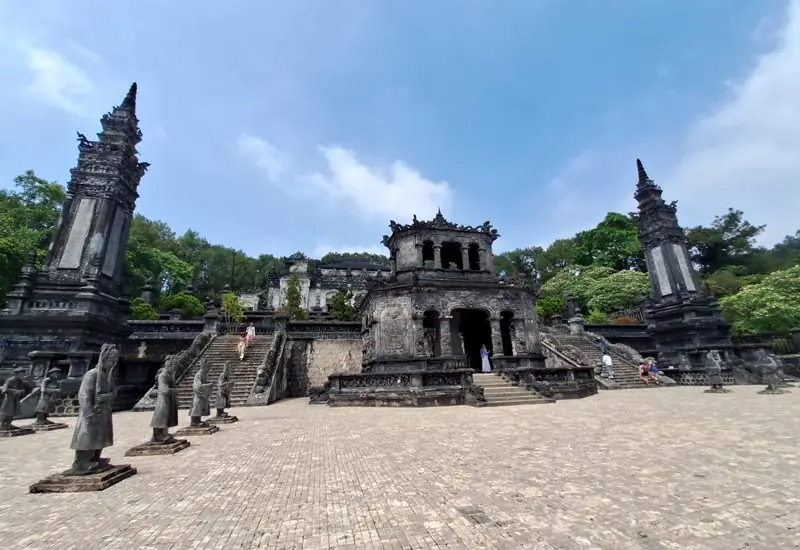
One of the highlights of visiting Hue is exploring the royal tombs built for the emperors of the Nguyen Dynasty. Located in the peaceful countryside around the city, these impressive complexes combine architecture, gardens, lakes, forests, and religious elements. Each tomb has its own design, reflecting the personality, beliefs, and vision of the emperor it was built for.
Three of the most important royal tombs to visit are:
Exploring Hue's royal tombs offers more than a history lesson. These sites reveal how the Nguyen emperors viewed nature, architecture, spirituality, and imperial power. Visiting two or three tombs with a knowledgeable local guide can provide a deeper understanding of Hue's royal heritage and make the experience much more meaningful.
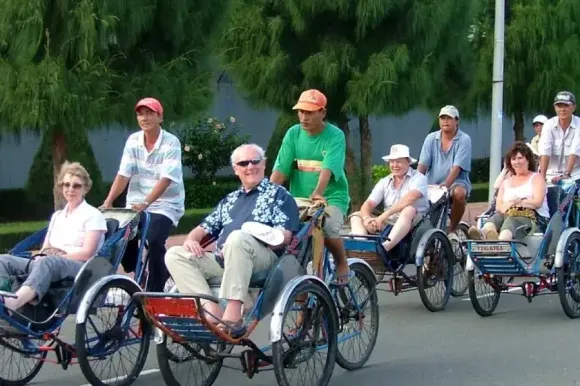
While Hue is best known for its Imperial City, royal tombs, and ancient pagodas, the city has much more to offer beyond its famous historical landmarks. Taking time to experience local life can give you a deeper understanding of Hue's culture and peaceful way of living.
These experiences allow travelers to see a more authentic side of Hue, where history, local traditions, nature, and everyday life come together. If you have enough time, leave a few hours free in your itinerary simply to walk, cycle, enjoy local food, or relax by the river.
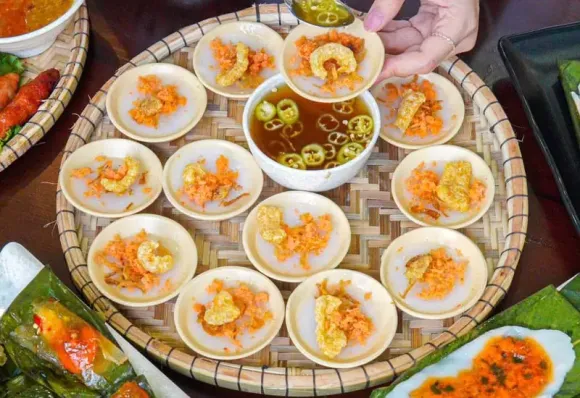
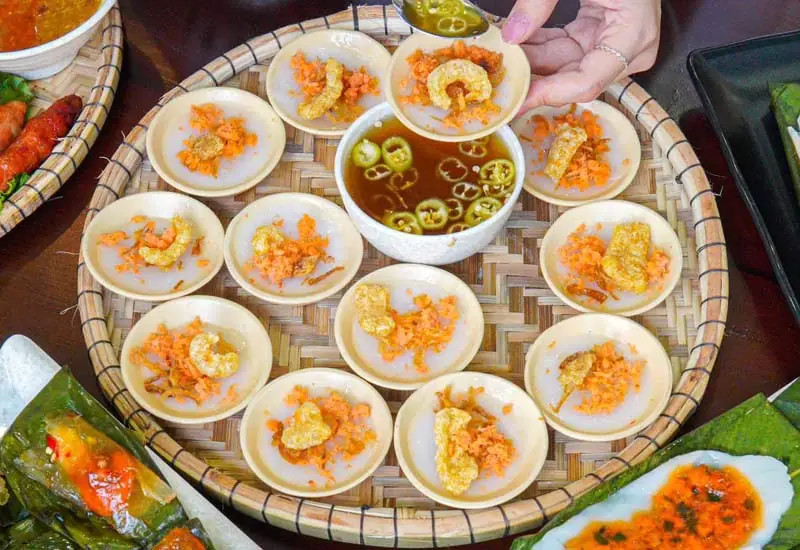
Hue is famous not only for its imperial history but also for its distinctive cuisine. Influenced by the city's royal heritage, Hue food is known for its delicate presentation, balanced flavors, and wide variety of dishes. From flavorful noodle soups to small traditional cakes and sweet desserts, trying local food is an essential part of visiting Hue.
Some of the most popular dishes to try include:
Hue cuisine is an important part of the city's cultural identity. Many dishes are carefully prepared and beautifully presented, reflecting the refined culinary traditions developed during the Nguyen Dynasty.
For food lovers, trying local specialties at traditional markets, family-run restaurants, and local eateries is a great way to experience a different side of Hue. Every meal offers an opportunity to discover the city's history, traditions, and everyday culture through its flavors.
Hue is one of Vietnam's most important cultural destinations, where imperial history, traditional arts, religion, and everyday life continue to shape the character of the city. Beyond its historic monuments, visitors can experience a slower and more traditional side of Vietnam through local food, music, architecture, and cultural activities.
One of Hue's most distinctive traditions is Nha Nhac, or Vietnamese royal court music. Developed and performed at the royal court during the Nguyen Dynasty, Nha Nhac was recognized by UNESCO as an Intangible Cultural Heritage of Humanity in 2003. Today, visitors can experience traditional performances at selected venues in Hue, including performances associated with the city's royal heritage.
Hue is also known for its calm atmosphere and strong connection to tradition. From quiet streets and garden houses to local markets and riverside cafés, everyday life often feels less hurried than in Vietnam's larger cities.
For travelers, this combination of history, music, cuisine, architecture, and local life makes Hue more than a destination for sightseeing. It is a place where Vietnam's cultural traditions can be experienced at a slower and more personal pace.
Hue is one of the most fascinating destinations in Central Vietnam, known for its imperial heritage, ancient temples, royal tombs, peaceful rivers, and distinctive local cuisine. As the former capital of Vietnam under the Nguyen Dynasty, Hue offers a different experience from the country's larger cities.
Choosing the best time to visit Hue depends on what you want to experience. Some travelers prefer sunny weather for sightseeing and outdoor activities, while others enjoy the quieter atmosphere and lower prices during the rainy season.
In general, February to August is the best period to visit Hue for comfortable sightseeing, although each season has its own advantages.
Hue has a tropical monsoon climate with a noticeable dry and rainy season. Temperatures are generally warm throughout the year, but rainfall can vary considerably between months.
February to April: One of the Best Times to Visit Hue
From February to April, Hue usually enjoys pleasant temperatures and relatively comfortable conditions for sightseeing. The weather is generally mild, making this one of the best periods to explore the Imperial City, royal tombs, pagodas, and local neighborhoods.
Temperatures are often around 20°C to 28°C, although occasional rain and cooler days can occur, especially in February.
This period is particularly suitable for travelers who want to spend several hours outdoors without dealing with the intense heat of summer.
Popular activities include visiting the Hue Imperial Citadel, exploring the royal tombs along the Perfume River, taking a dragon boat trip, and enjoying Hue's famous local dishes.
May to August is generally the hottest period in Hue. Temperatures can rise to around 30°C to 35°C or higher, particularly during the afternoon.
Despite the heat, these months can be a good choice for travelers who prefer sunny weather and want to combine cultural sightseeing with outdoor experiences.
Early mornings and late afternoons are usually more comfortable for exploring. It is a good idea to schedule major attractions before midday, take a break during the hottest part of the day, and continue sightseeing later.
If you plan to visit Hue during this period, choose a hotel with air conditioning and allow enough free time in your itinerary.
Hue's rainy season generally becomes more noticeable from September and can continue into November. Rainfall can be heavy, particularly from October to November.
The weather can change quickly, with periods of sunshine followed by heavy rain. Flooding can occasionally affect parts of Central Vietnam during periods of intense rainfall.
However, the rainy season also gives Hue a quieter and more atmospheric character. Travelers who do not mind wet weather may enjoy fewer crowds and a more relaxed experience.
Hue is a wonderful destination for travelers interested in history, culture, architecture, and local food. A little planning will help you enjoy the city more comfortably.
February to April is generally one of the best periods to visit Hue, with pleasant weather for sightseeing. May to August can be hot, while September to December brings more rain, especially in October and November.
Allow two days in Hue to visit the Imperial City, royal tombs, Thien Mu Pagoda, and enjoy local cuisine without rushing. Three days is better if you prefer a slower pace.
Visit the Hue Imperial City in the morning when temperatures are cooler and the site is often less crowded. Wear comfortable shoes because there is plenty of walking.
You do not need to visit every royal tomb. Khai Dinh, Tu Duc, and Minh Mang are among the most impressive and each has a distinctive architectural style and setting.
Don't leave Hue without trying Bun Bo Hue, Banh Beo, Banh Khoai, Nem Lui, and Che Hue. Local markets and small restaurants are great places to experience traditional flavors.
When visiting pagodas, temples, and other religious sites, wear clothing that covers your shoulders and knees. Lightweight, comfortable clothes are ideal for sightseeing.
Hue is best enjoyed at a relaxed pace. After sightseeing, take a walk along the Perfume River, enjoy Vietnamese coffee at a riverside café, or explore the city's quiet streets and garden houses.
Hue's main attractions are spread across the city and surrounding countryside. A private car with a driver is a comfortable option for families and seniors, especially when visiting several royal tombs in one day.
At Asia Eyes Travel, we bring the best of Hue to life with curated Hue City Tours designed for culture lovers, food enthusiasts, and history seekers. From exploring the Imperial City to royal tombs and tasting authentic local cuisine, our itineraries are crafted for truly immersive experiences. For travelers who want to go deeper into history, we also offer meaningful journeys that blend heritage sites with powerful storytelling for an unforgettable cultural discovery. Contact Asia Eyes Travel today to start planning your experience. Email: info@asiaeyestravel.com , WhatsApp: +84935946688 (Mr. Thuc Nguyen)


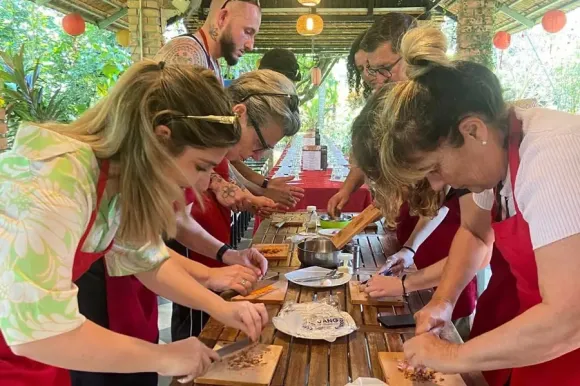
Hue Cooking Class in Thuy Bieu Village Half Day Tour