


Hue Travel Tips
Essential Guide for First-Time Visitors
- Home /
- Blog /
- Vietnam Travel Guide /
- Hue City, Vietnam /
- Hue Travel Tips
Planning a trip to Hue, Vietnam? These practical Hue travel tips will help you plan a memorable trip and make the most of your time in Vietnam's former imperial capital. Located in Central Vietnam, Hue is renowned for its Imperial City, Nguyen Dynasty royal tombs, ancient pagodas, Perfume River, traditional cuisine, and rich cultural heritage.
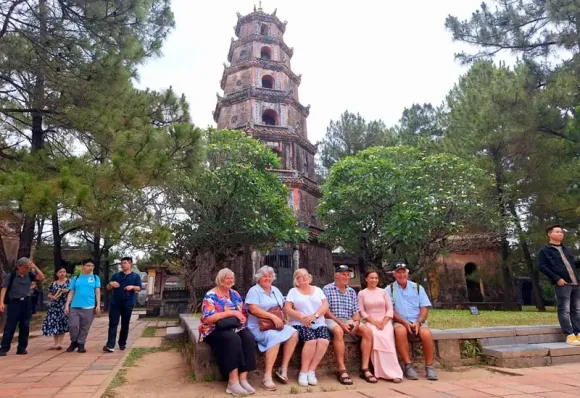
Hue is an ideal destination for travelers interested in history and culture tours. From exploring the UNESCO-listed Imperial City to visiting royal tombs and historic temples, you can discover the fascinating legacy of the Nguyen Dynasty and learn more about Vietnam's traditional culture.
Whether you are planning for your Hue city tours, private culture tour, day trip, or multi-day Central Vietnam itinerary, these travel tips cover Hue Travel Guide, how to get around, what to see and eat, and useful advice for first-time visitors.
Hue Weather: Hue has a tropical monsoon climate, with hot and humid weather during the summer months and a cooler, wetter season from autumn to winter. May to August is generally hot and humid, while September to February brings more rainfall and cooler temperatures. Heavy rain and occasional tropical storms can occur during the rainy season, so it is a good idea to check the weather forecast before traveling.
Best Time to Visit Hue: The best time to visit Hue is generally from March to April, when the weather is pleasant, temperatures are comfortable, and rainfall is usually lower. This is an excellent time for exploring the Imperial City, royal tombs, ancient pagodas, and other cultural attractions.
If you prefer fewer crowds, May to June can also be a good option, although temperatures are warmer. From September onward, Hue becomes wetter, but the city can still be enjoyable for travelers who don't mind occasional rain.
For more information about Hue weather and the best time to visit Hue, check our detailed travel guide or contact us for expert advice on Hue tours and customized Central Vietnam itineraries.
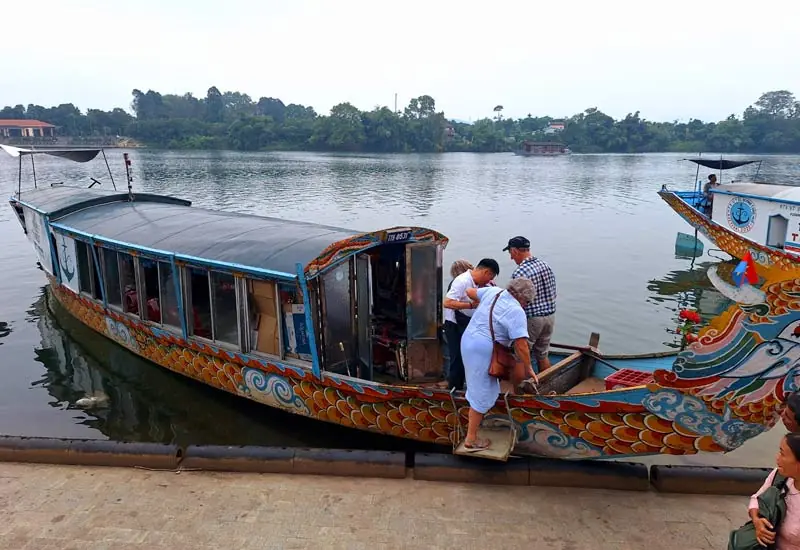
Clothing: Lightweight, breathable clothing is essential, especially during the hot season. A hat, sunglasses, and sunscreen are also recommended. If you’re visiting during the rainy season, bring a rain jacket or umbrella. Comfortable shoes are a must for exploring the historical sites.
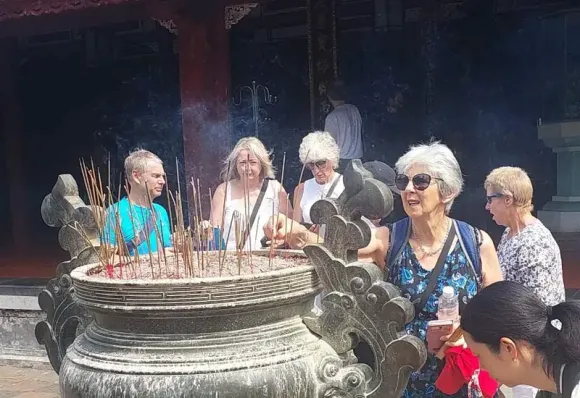
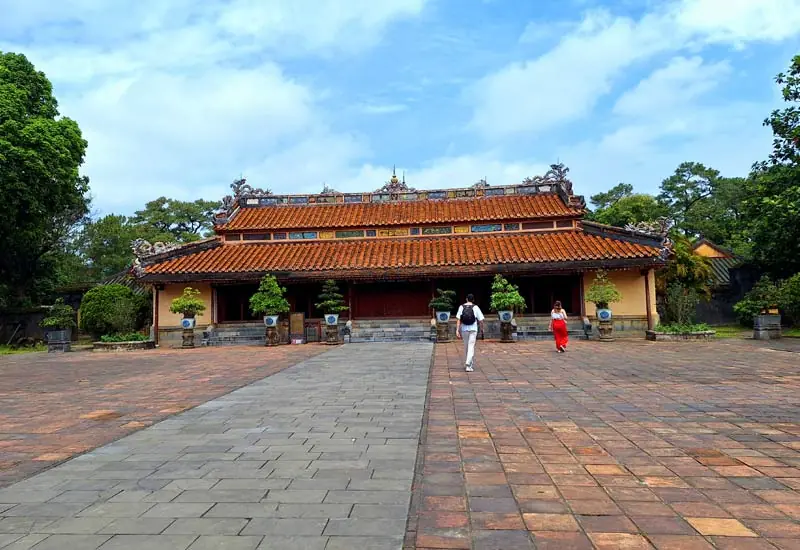
Temple Etiquette: When visiting temples or pagodas, wear modest clothing that covers your shoulders and knees. This is also true for visiting the Imperial City and royal tombs.

Currency: The official currency is the Vietnamese Dong (VND). ATMs are widely available in Hue, and most accept international cards.
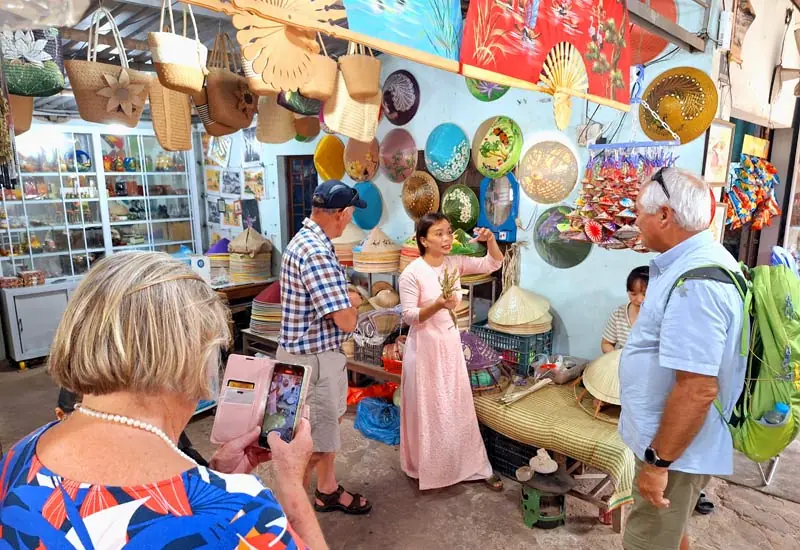
Payments: While many hotels, restaurants, and shops accept credit cards, cash is still king in smaller establishments, local markets, and for transportation like cyclos and taxis. Always carry some cash, especially in rural areas.
Tipping: Tipping is not mandatory in Vietnam, but it is appreciated for good service. In restaurants, leaving a small tip is common. You can also tip hotel staff, guides, and drivers if you feel they provided excellent service.
Vietnamese is the official language. In Hue, many people in the tourism industry speak basic English, especially in hotels, restaurants, and popular attractions. However, learning a few simple Vietnamese phrases can be helpful and appreciated by locals.
Health: Hue is generally a safe place for travelers. Tap water is not safe to drink, so stick to bottled water, which is widely available. If you have specific health concerns, bring any necessary medications, as pharmacies may not carry the same brands.
Mosquitoes: Depending on the season, mosquitoes can be an issue, especially in the countryside. Carry insect repellent, and consider using mosquito nets or sleeping in air-conditioned rooms.
Safety: Hue is a relatively safe city, but like any tourist destination, it’s wise to be cautious. Keep an eye on your belongings, especially in crowded areas, and avoid displaying large amounts of cash or expensive items.
Traffic: Tips for first time visitors when crossing the street, include to be confident, relax, and be vigilant. Walk slow and just keep moving forward.
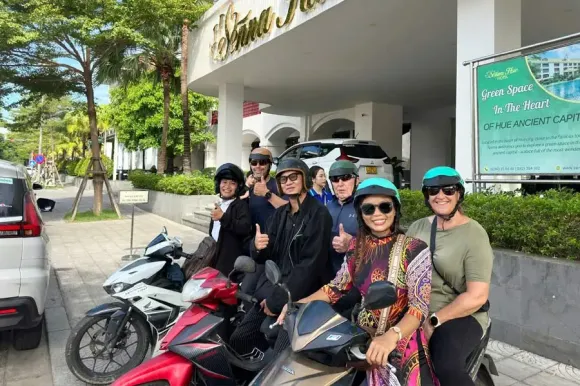
Renting Motorbikes: If you rent a motorbike, be aware of the traffic rules and always wear a helmet. Ensure you have the proper license and insurance, as accidents can be costly without coverage.
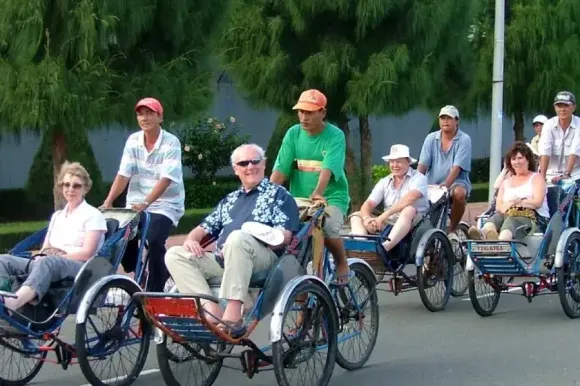
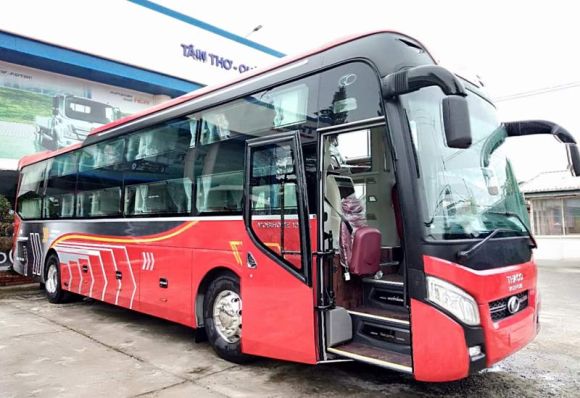
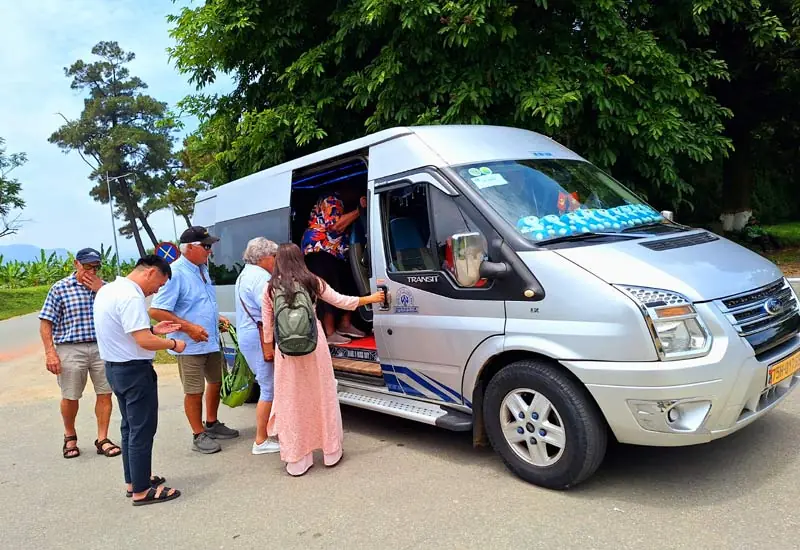
Taxis and Cyclos: When using taxis or cyclos, always negotiate the price before starting your journey, or make sure the meter is running. Stick to reputable taxi companies like Mai Linh or Vinasun.
Internet: Wi-Fi is widely available in hotels, cafes, and restaurants in Hue. It’s usually free and relatively fast.
SIM Cards: If you need constant internet access, consider buying a local SIM card. Viettel, Vinaphone, and Mobifone are the major providers, and you can easily purchase a SIM card at the airport, in town, or at mobile phone shops. Ensure your phone is unlocked for international use.
Respect for the Elderly: Vietnamese culture places a high value on respect for elders. It’s polite to greet older people first and show deference in conversation.
Photography: Always ask for permission before photographing people, especially in temples or rural areas. Some historical sites may also have restrictions on photography.
Greetings: A friendly smile and a slight bow are common greetings. Handshakes are also common, particularly in business settings, but they may be gentler than Western-style handshakes.
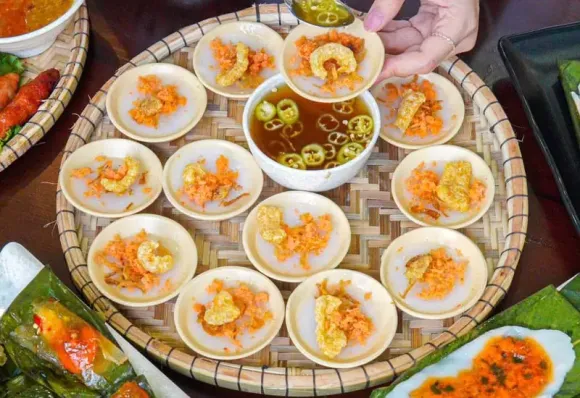
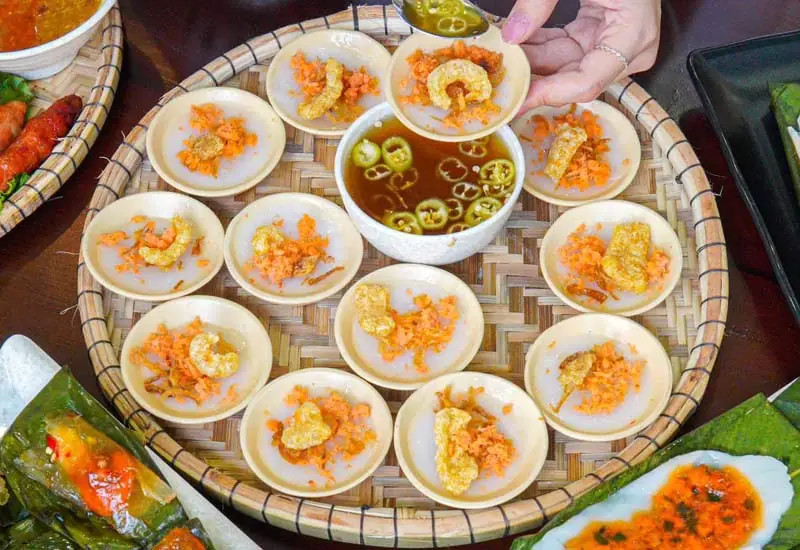
Street Food: Hue is famous for its street food, but be mindful of where you eat to avoid stomach issues. Choose busy stalls where the food is freshly prepared, and avoid raw or undercooked dishes.
Water: Drink only bottled water and avoid ice in drinks if you’re unsure of the water quality. Most restaurants and cafes in tourist areas use purified ice, but it’s better to be cautious.
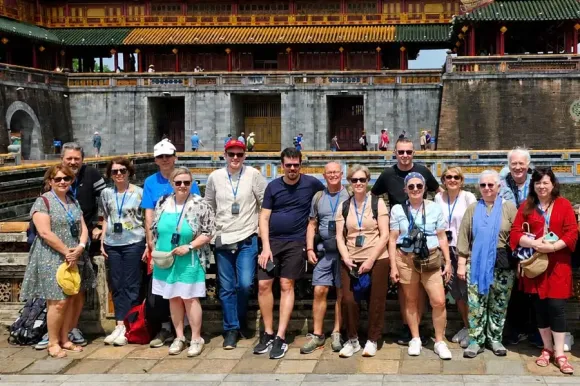
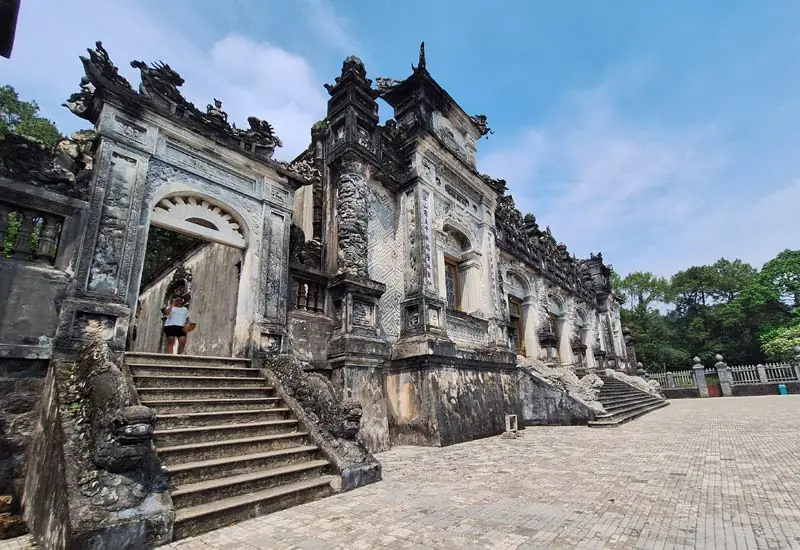
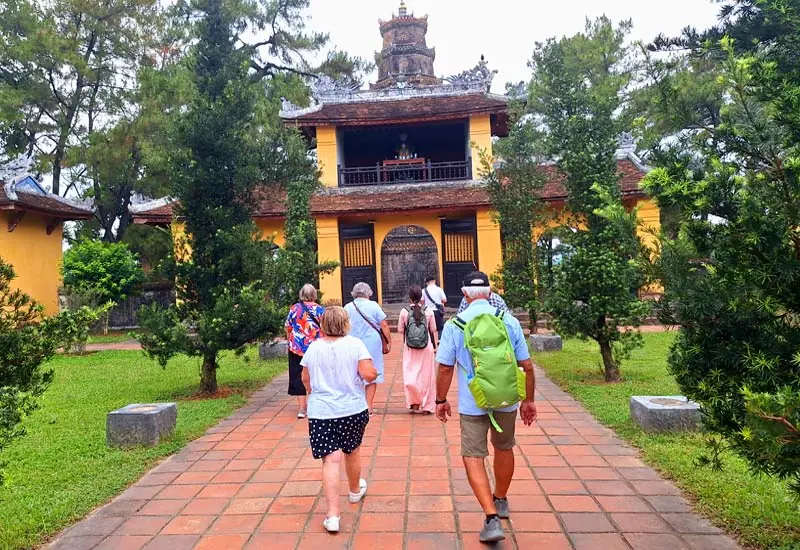
Guided Tours: Hiring a local guide can enrich your experience, especially when visiting historical sites like the Imperial City and the royal tombs. Guides can provide valuable insights and help you navigate the complex history and culture of Hue.
Booking Tours: It’s advisable to book tours through reputable companies or your hotel to ensure quality and avoid scams. Many tours can be booked online, giving you the chance to read reviews and compare options.
Embassy: If you lose your passport or need consular assistance, contact your embassy or consulate. It’s a good idea to keep a copy of your passport and visa separately from the originals.
By keeping these practical tips in mind, you can ensure a safe, respectful, and enjoyable trip to Hue, allowing you to fully appreciate the city’s rich history, culture, and natural beauty. If you are looking for Hue tours, contact Asia Eyes Travel for more details, including the best travel advice, updated itineraries, and competitive prices for your journey in Central Vietnam.
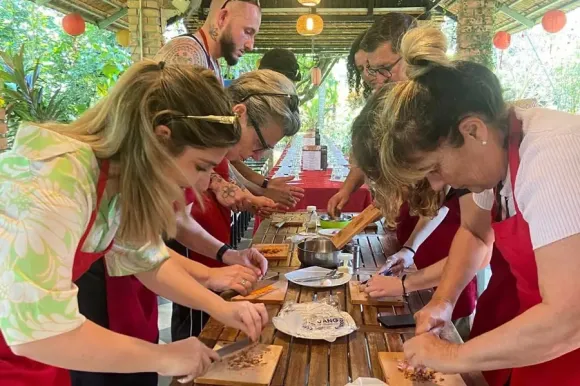
Hue Cooking Class in Thuy Bieu Village Half Day Tour
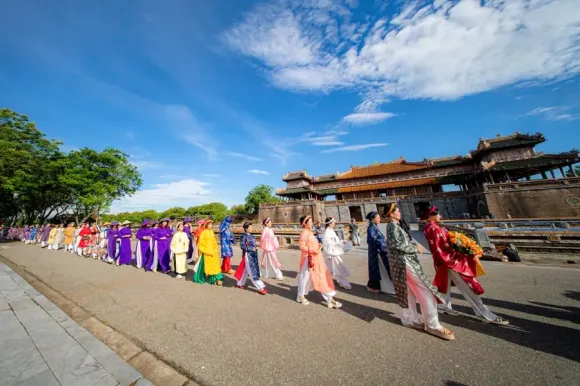
Discover Hue with Ao Dai Experience