The Tomb of Emperor Minh Mang

The Tomb of Emperor Minh Mang is one of the most impressive imperial tombs in Hue, Vietnam, known for its harmonious blend of traditional architecture, natural landscapes, and royal symbolism. Built during the Nguyen Dynasty, the complex is set amid pine forests, lakes, and hills along the Perfume River, creating a peaceful and carefully planned setting. Visitors can explore the main ceremonial courtyards, ornate gates, temples, pavilions, and the emperor’s burial area while learning about the history and architectural philosophy of the Nguyen Dynasty. With its balanced layout and tranquil atmosphere, Minh Mang Tomb is an essential stop for anyone interested in Hue’s imperial heritage and a popular highlight of Hue City Tours.

The Tomb of Emperor Minh Mang is a stunning testament to Vietnam’s imperial past and its unique architectural style. Combining historical significance, spiritual symbolism, and natural beauty, this site offers visitors a rich and rewarding experience. Whether you’re a history buff, a nature lover, or a casual traveler, a visit to this tomb will leave you with lasting memories of Hue’s cultural heritage.
 

Best Things to Do in the Tomb of Emperor Minh Mang
Tomb of Emperor Minh Mang

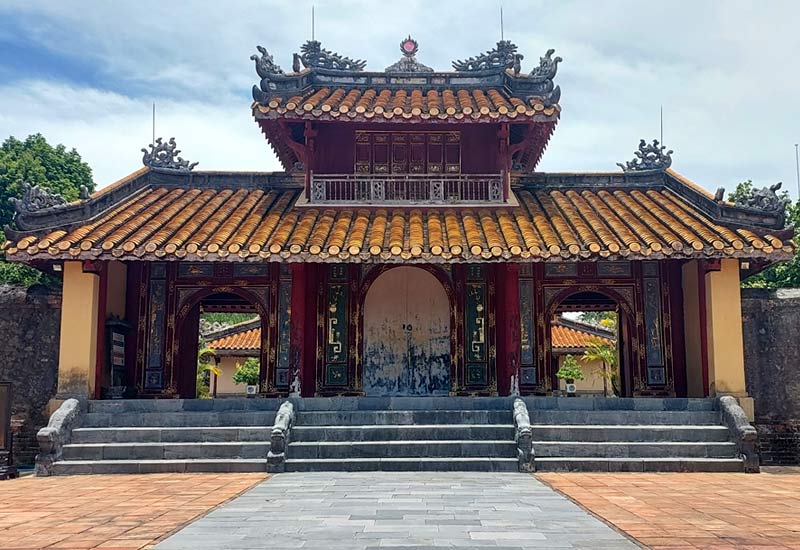
1. Marvel at the Main Gate: Dai Hong Mon

The main entrance to the tomb, Dai Hong Mon, is an impressive structure featuring intricate carvings and traditional Vietnamese design. The gate was reserved for ceremonial purposes and is usually closed; visitors enter through the side gates. Take time to admire the craftsmanship and symmetry of the gate before walking through the side entrances.

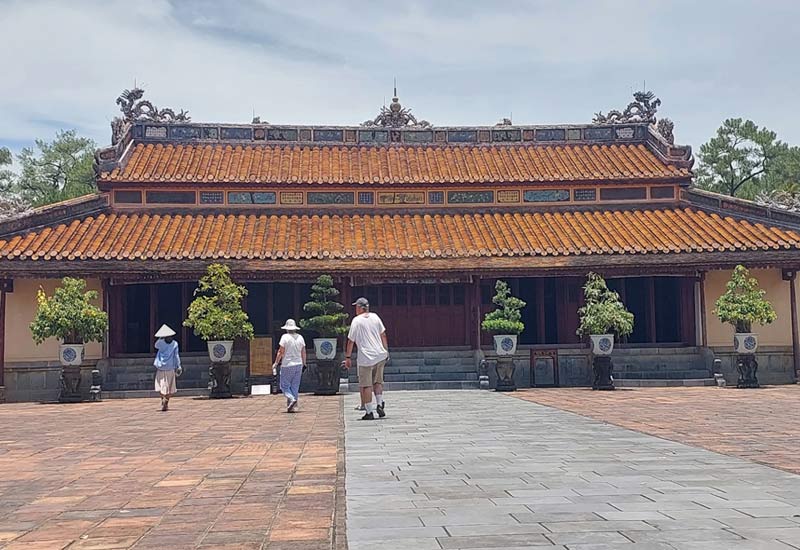
2. Stroll Along the Honor Courtyard (San Bai Dinh)

This courtyard is lined with stone statues of mandarins, elephants, and horses, which symbolize the Emperor's royal entourage. These statues pay homage to the Emperor's power and protection in the afterlife. Early morning is the best time to walk through the courtyard, as the light creates a beautiful contrast against the stone figures.
 

Best Things to Do in the Tomb of Emperor Minh Mang
Stroll Along the Honor Courtyard (San Bai Dinh)

3. Explore the Stele Pavilion (Bi Dinh)

The Stele Pavilion houses a massive stone stele inscribed with the Emperor’s biography and accomplishments. This historical document was written by his son, Emperor Thieu Tri. Take your time to read the detailed inscriptions (with translations available) to gain insight into Emperor Minh Mang's reign.

4. Cross the Three Bridges

After the Honor Courtyard, you’ll encounter three parallel stone bridges crossing a serene lotus-filled lake. The central bridge, Trung Dao Kieu, was reserved for the Emperor. Walk along the side bridges for a scenic view of the lake and surrounding gardens. During the lotus blooming season (May to August), the sight is particularly breathtaking.

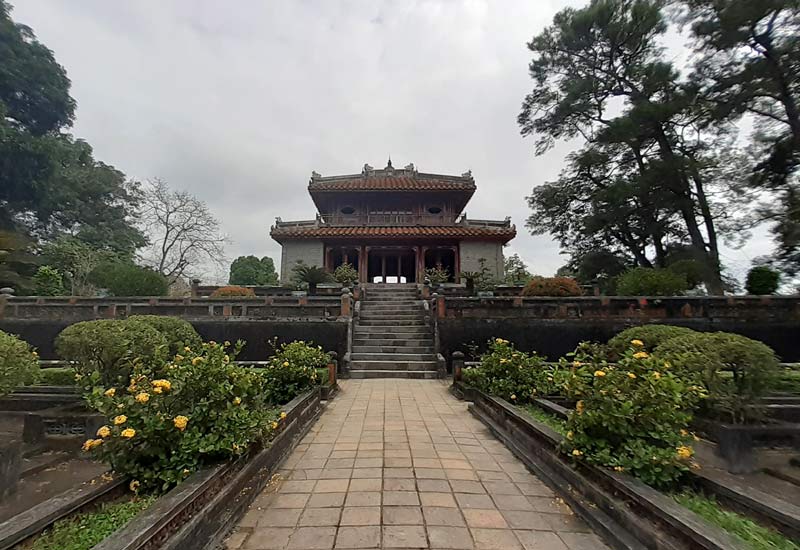
5. Visit the Pavilion of Light (Minh Lau Pavilion)

Minh Lau Pavilion, a two-story structure, symbolizes enlightenment. It is set atop a hill and surrounded by pine trees, offering a peaceful and picturesque setting. Climb up to the pavilion for panoramic views of the surrounding landscape. It’s a perfect spot for meditation or quiet reflection.

6. Wander Around the Tranquil Gardens

The tomb’s lush gardens are meticulously landscaped with trees, flowers, and ponds, creating a serene environment. These gardens were designed to symbolize the Emperor’s harmonious relationship with nature. Take a leisurely stroll through the gardens, and bring a camera to capture the natural beauty. The gardens are particularly stunning during the early morning or late afternoon.

7. Admire Hien Duc Gate and Sung An Temple

Hien Duc Gate leads to Sung An Temple, where the Emperor and Empress Ta Thien Nhan are worshiped. The temple features elaborate altars and richly decorated interiors. Be respectful while inside the temple and observe the proper etiquette, such as removing your hat and speaking softly.

8. Take in the Scenic Views

The tomb is nestled in a tranquil setting, surrounded by rolling hills, lush forests, and lakes. This natural scenery adds to the tomb's serene and spiritual atmosphere. For the best views, visit during sunrise or sunset when the light enhances the tomb’s architectural beauty and natural surroundings.
 

Best Things to Do in the Tomb of Emperor Minh Mang
The Tomb of Emperor Minh Mang

9. Entrance Fees

  • Adults: VND 150,000 per person
  • Children: VND 30,000 per person
  • Open daily from 7:00 AM to 5:30 PM.

10. Tips for Visiting the Tomb of Emperor Minh Mang

  • Best Time to Visit: Visit early in the morning or late afternoon to avoid the heat and large crowds. The lighting during these times also enhances the beauty of the site.
  • Dress Modestly: Since this is a historical and spiritual site, wear clothing that covers your shoulders and knees as a sign of respect.
    Bring Water and Snacks:
  • Consider hiring a local guide or using an audio guide to learn more about the historical and cultural significance of the tomb and its intricate design.
  • The tomb offers numerous picturesque spots, from the stone bridges to the lush gardens. Use a wide-angle lens for architectural shots and a zoom lens for detailed carvings.

Explore Hue with Asia Eyes Travel DMC Vietnam

Experience the peaceful beauty and imperial heritage of Hue with Asia Eyes Travel DMC Vietnam. Visit the Tomb of Emperor Minh Mang as part of a thoughtfully planned cultural journey, combined with the Full Day Hue City Tour that suit your interests and schedule. For personalized consultation and detailed arrangements, please contact info@asiaeyestravel.com or reach us via WhatsApp +84 935 946 688 (Mr. Thuc Nguyen).
Top Hue City Tours | Day Trips, Packages & Deals

Related Posts

Hue Travel Experiences

Hue Travel Experiences offer more than sightseeing. As the former imperial capital of Vietnam, Hue allows travelers to discover the country’s royal history, traditional culture, local cuisine, spiritual heritage, and peaceful countryside. Our tours in Hue are designed to help travelers experience the city beyond its famous landmarks. From exploring the Hue Imperial City and royal tombs to enjoying local food, cycling through villages, and cruising along the Perfume River, Hue offers a variety of memorable experiences for couples, families, seniors, and cultural travelers.
Read more

Hue Travel Tips

Planning a trip to Hue, Vietnam? These practical Hue travel tips will help you plan a memorable trip and make the most of your time in Vietnam's former imperial capital. Located in Central Vietnam, Hue is renowned for its Imperial City, Nguyen Dynasty royal tombs, ancient pagodas, Perfume River, traditional cuisine, and rich cultural heritage. Hue is an ideal destination for travelers interested in history and culture tours. From exploring the UNESCO-listed Imperial City to visiting royal tombs and historic temples, you can discover the fascinating legacy of the Nguyen Dynasty and learn more about Vietnam's traditional culture.  Whether you are planning for your Hue city tours, private culture tour, day trip, or multi-day Central Vietnam itinerary, these travel tips cover Hue Travel Guide, how to get around, what to see and eat, and useful advice for first-time visitors.
Read more

Top 10 Attractions in Hue

Hue is a city rich in stories, where layers of history unfold along the Perfume River and across forested hills. As the former feudal capital of the Nguyen Dynasty, Hue is home to imperial citadels, royal tombs, ancient pagodas, and traditional garden houses, each reflecting a refined and spiritual way of life. Exploring these landmarks is at the heart of meaningful Hue City Tours, offering insight into Vietnam’s royal past beyond the surface. With thoughtfully designed itineraries by Asia Eyes Travel DMC Vietnam, travelers can discover the city’s most iconic sites while connecting deeply with its heritage. Here are the top 10 attractions in Hue you shouldn’t miss.
Read more

Best Food in Hue You Should Not Miss

Hue is widely regarded as one of Vietnam's greatest culinary destinations, where centuries of imperial history have shaped a rich and distinctive food culture. From elegant royal dishes once served to the Nguyen Emperors to authentic street food enjoyed by local families, every dish reflects Hue's unique traditions, flavours, and cultural heritage. Many travelers visit Hue not only to explore its UNESCO World Heritage sites but also to discover its remarkable cuisine. This guide by Asia Eyes Travel introduces the best food in Hue, featuring must-try local specialties and practical dining tips for an unforgettable culinary journey. Many  Hue City Tours include an authentic Hue Street Food Tour, allowing travelers to taste iconic dishes, explore vibrant local markets, and discover hidden family-run restaurants. Whether you are interested in history, culture, or food experiences, Hue's unique cuisine is an essential part of any visit to Central Vietnam.
Read more

Best Time to Visit Hue city

Hue is a city where Vietnam's imperial history, royal architecture, and timeless traditions come together to create one of the country's most rewarding cultural destinations. Home to the UNESCO-listed Imperial City, magnificent royal tombs, ancient pagodas, and the peaceful Perfume River, Hue offers memorable experiences throughout the year. The best time to visit Hue is generally from February to April, when pleasant temperatures and relatively low rainfall make sightseeing especially enjoyable. If you're planning to join Hue Tours, understanding the seasonal weather will help you choose the right travel dates. In this guide, Asia Eyes Travel shares practical local insights to help you experience Vietnam's former imperial capital at its very best.
Read more
share
CHAT WITH US