From the smoky flavors of grilled hill chicken and bamboo rice to the tangy taste of Muong-style sour meat, the food in Hoa Binh is fresh, rustic, and deeply connected to the land
Hoa Binh province is not only known for its beautiful landscapes and rich culture but also for its unique and flavorful cuisine. The local dishes in Hoa Binh are deeply rooted in the traditions of the ethnic minority groups, including the Muong, Thai, and Hmong people, making the food an integral part of the cultural experience. Fresh ingredients sourced from the surrounding mountains, rivers, and forests are used to create wholesome and rustic dishes. Here’s a detailed guide on what to eat in Hoa Binh province:
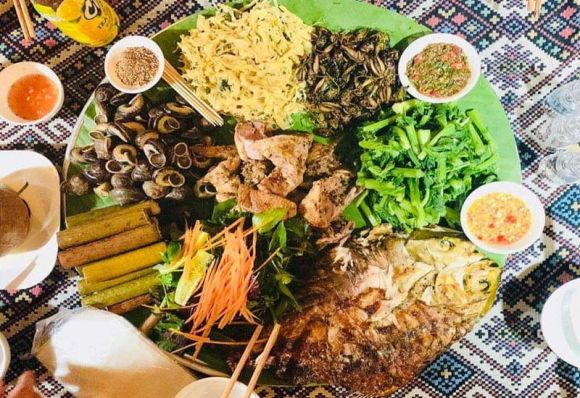
What to Eat in Hoa Binh: Hoa Binh offers a diverse and flavorful culinary experience, reflecting the rich cultural heritage of its ethnic communities. From the smoky flavors of grilled hill chicken and bamboo rice to the tangy taste of Muong-style sour meat, the food in Hoa Binh is fresh, rustic, and deeply connected to the land. Whether you’re enjoying a meal in a homestay, at a local market, or during a village festival, the local cuisine is a must-try for any visitor.
1. Com Lam (Bamboo Rice)
Com Lam is a traditional dish made by stuffing glutinous (sticky) rice into bamboo tubes and cooking it over an open fire. The bamboo imparts a subtle, smoky flavor to the rice, and it is often served with grilled meats or fish.
This dish is common among the ethnic minorities, especially the Muong and Thai people, who live in the mountainous areas. It’s a symbol of their simple yet resourceful lifestyle, using natural bamboo and rice grown in the region.
Com Lam is typically eaten with sesame salt or a dipping sauce made from local herbs. It’s often paired with grilled pork, chicken, or river fish.
2. Grilled Hill Chicken (Ga Doi Nuong)
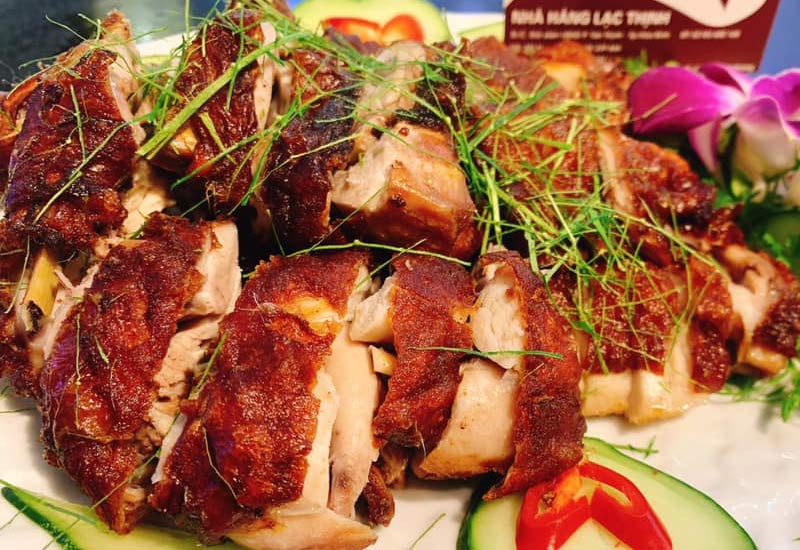
Hill chicken is a free-range, naturally raised chicken from the highland areas of Hoa Binh. The chicken is marinated with spices, herbs, and sometimes wild leaves, then grilled over charcoal until golden and crispy.
Hill chickens have leaner meat compared to farmed chickens, giving them a distinct flavor and texture. The grilling method enhances the natural taste, and the smoky aroma makes this dish particularly irresistible.
Grilled hill chicken is often served with lá mắc mật, a special leaf used in traditional mountain cuisine. It’s accompanied by a dipping sauce made from salt, lime, chili, and crushed wild leaves.
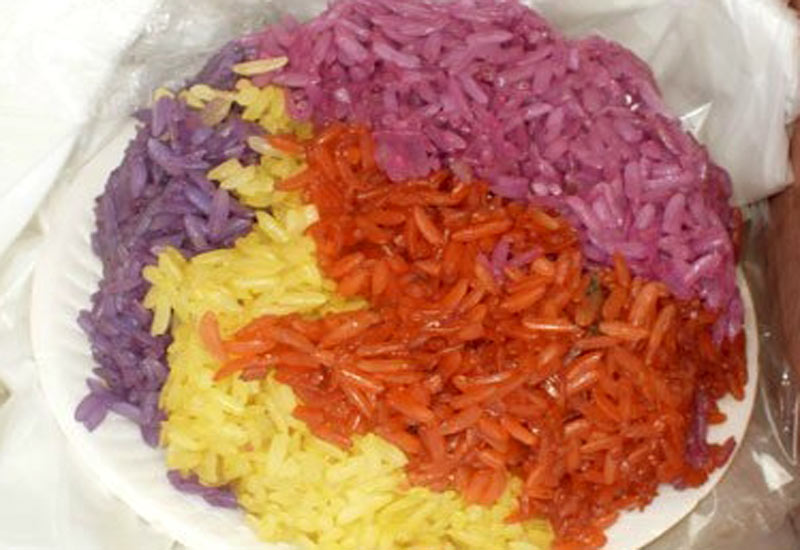
3. Xoi Nep Nuong (Sticky Rice)
Xoi Nep Nuong is sticky rice made from locally grown glutinous rice in Hoa Binh's highland areas. The rice is steamed until tender and fragrant. The sticky rice in Hoa Binh is particularly delicious because of the cool climate and fertile soil, which produce high-quality grains. It’s often served as a staple in local meals, especially during festivals and special occasions. Sticky rice can be enjoyed plain or with various toppings like crushed peanuts, sesame salt, or shredded coconut. It’s also frequently served alongside grilled meats or fish.
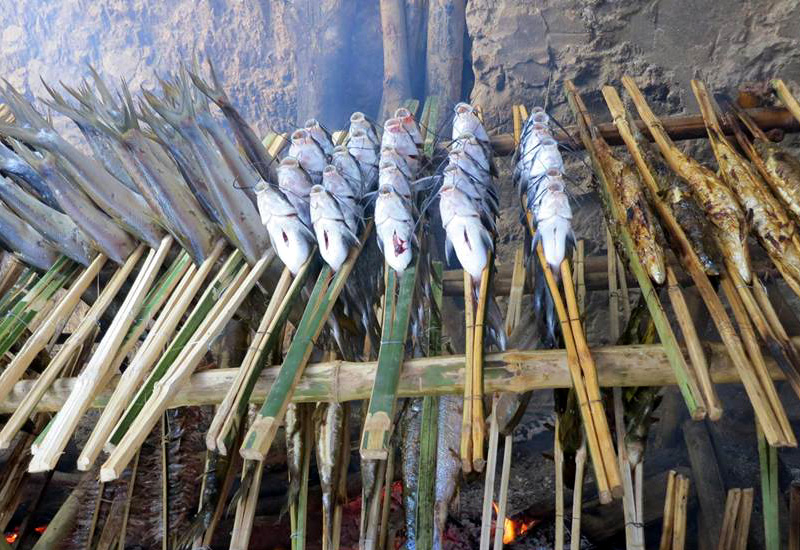
4. Grilled Fish (Ca Nưong)
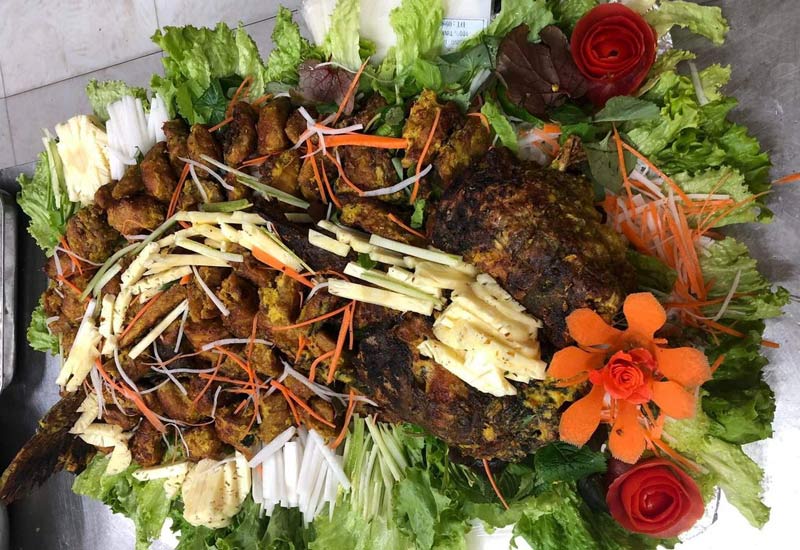
Freshwater fish, typically caught from the Da River, are marinated with local herbs and spices, then wrapped in banana leaves and grilled over an open flame. The freshness of the river fish, combined with the fragrant banana leaves and smoky grilling method, gives this dish a distinctive taste. The Muong and Thai people have mastered this traditional cooking technique, which locks in moisture and flavor. Grilled fish is often paired with Com Lam (bamboo rice) or sticky rice and served with dipping sauces made from local herbs, salt, and lime.
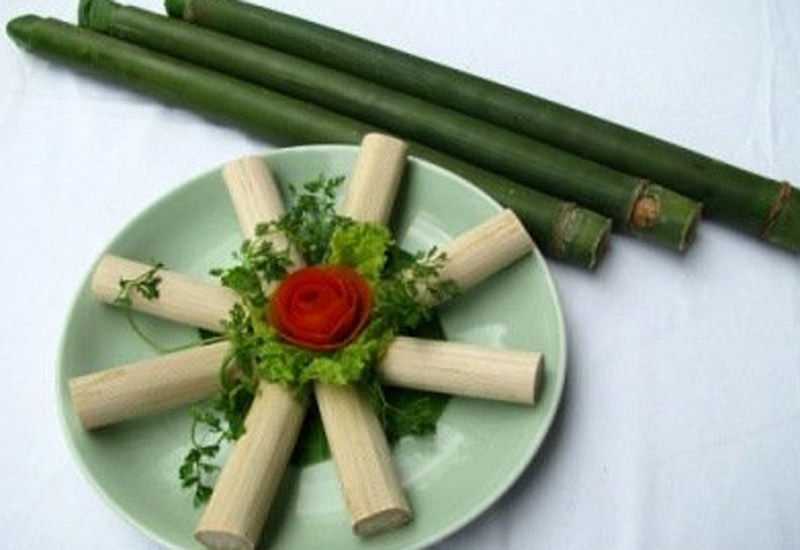
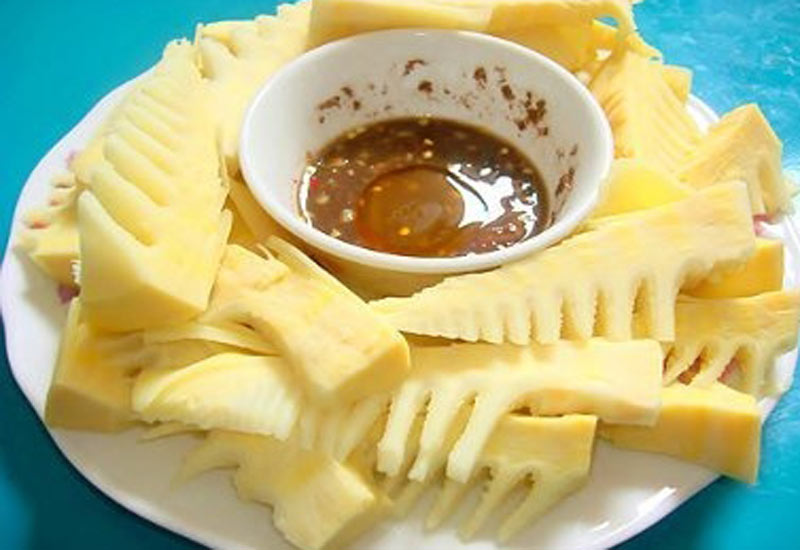
5. Boiled Bamboo Shoots (Mang Luoc)
Fresh bamboo shoots harvested from the mountains are boiled until tender. Sometimes, the bamboo shoots are steamed or stir-fried, depending on the recipe. Bamboo shoots are a staple food for many of Hoa Binh’s ethnic groups. The shoots are freshly picked, giving them a tender, slightly sweet flavor. They’re also highly nutritious, adding a healthy element to local meals.
Bamboo shoots are often served with a dipping sauce made from salt, chili, and lime. In some cases, they may be served alongside grilled meats or as part of a larger communal meal.
6. Muong Pork (Thit Lon Ban)
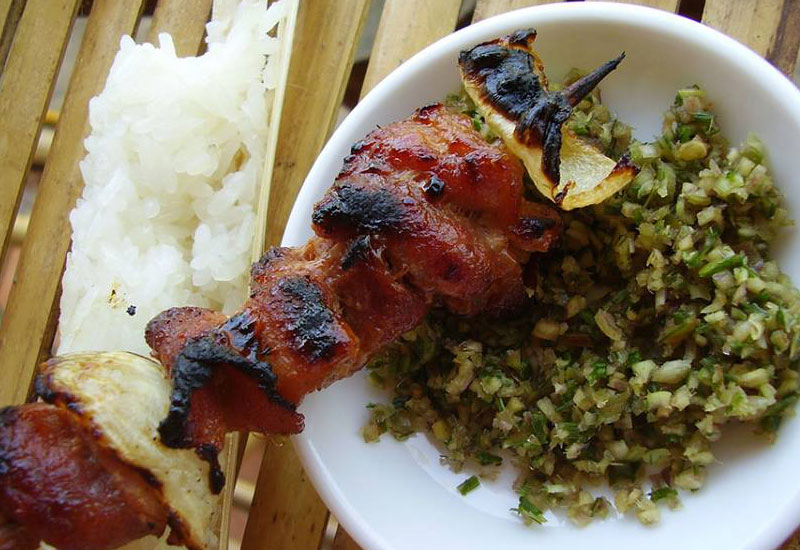
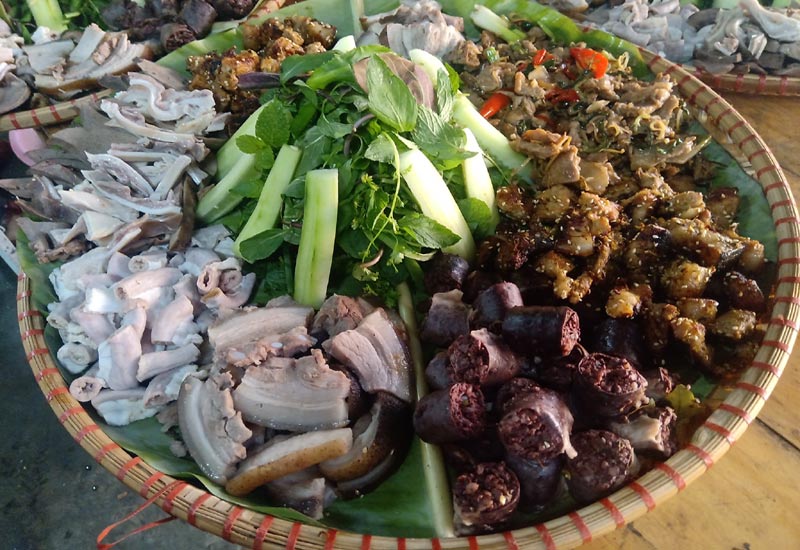
Muong pork is a variety of pork raised by the Muong ethnic minority in Hoa Binh. These pigs are typically free-range and fed on natural forest food, resulting in lean, flavorful meat. The traditional Muong method of raising pigs ensures the meat has a unique, rich taste, free from artificial feeds and additives. The pork is often grilled, roasted, or used in various traditional dishes. One popular way to enjoy Muong pork is through Muong pork sausages or grilled pork skewers, often served with rice or bamboo rice.
7. Can Wine (Ruou Can)
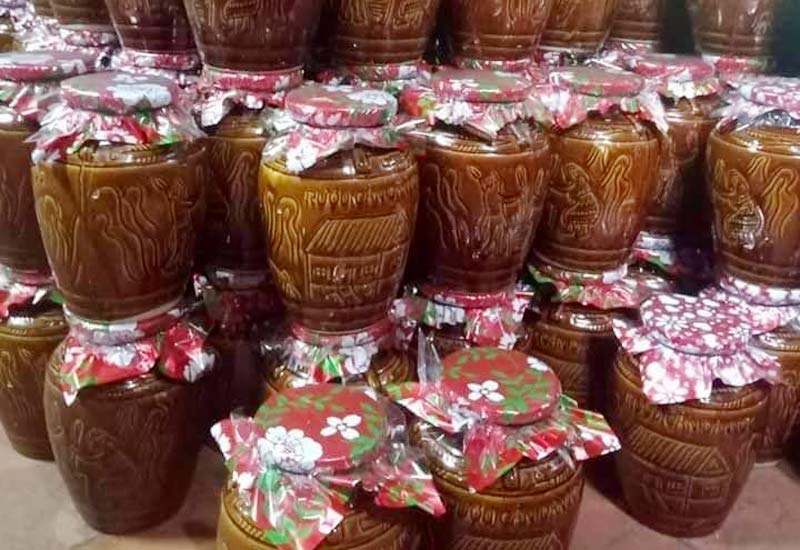
Ruou Can is a traditional rice wine that’s fermented in large earthenware jars and consumed through long bamboo straws. It’s a popular communal drink among ethnic minority groups in Hoa Binh. This wine is made from a mixture of glutinous rice, forest leaves, and herbs, which are fermented for months. It’s often consumed during festivals, family gatherings, or important events, making it a symbol of hospitality and friendship. The jar of Rượu Cần is placed in the center of the gathering, and multiple people drink from it using bamboo straws. It’s a highly social experience, often accompanied by traditional music and dancing.
8. Wild Vegetables (Rau Rung)
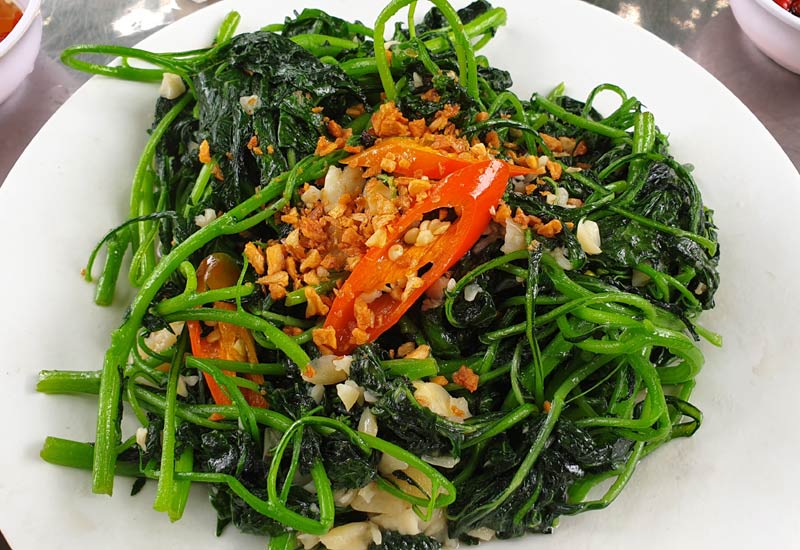
Wild vegetables, foraged from the mountains and forests, are a common component in Hoa Binh cuisine. These include various leafy greens, herbs, and wild ferns. The wild vegetables are unique to the region and are believed to have medicinal properties. They’re often served fresh or lightly cooked to retain their natural flavors and nutrients. Wild vegetables are typically boiled, steamed, or stir-fried, then served with dipping sauces. They can also accompany rice dishes or grilled meats.
9. Smoked Buffalo Meat (Thit Trau Gac Bep)
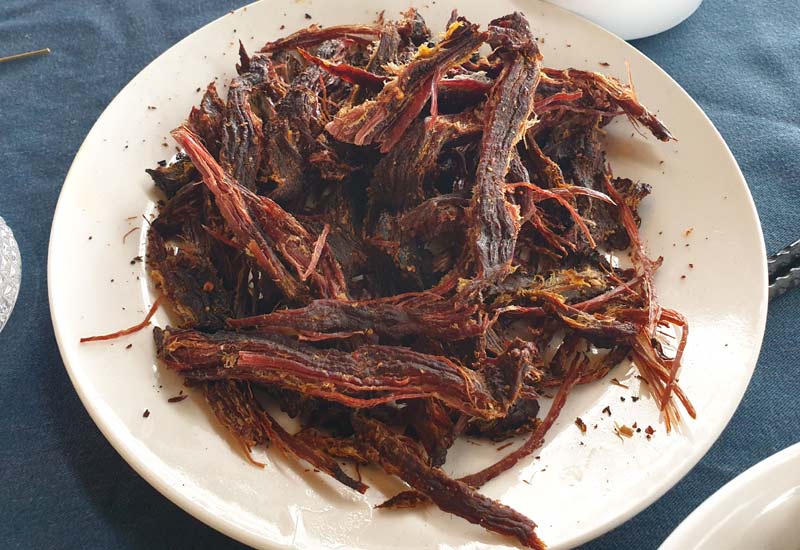
Smoked Buffalo Meat is buffalo meat that has been marinated with local spices and herbs, then smoked over a wood fire. This method of preservation gives the meat a smoky, flavorful taste. This dish is a specialty of the Thai and Muong ethnic groups in Hoa Binh. The slow smoking process not only preserves the meat but also enhances its flavor, making it a prized dish for festivals and important celebrations.
The dried buffalo meat is usually thinly sliced and served as a snack or appetizer, often accompanied by rice wine. It can also be stir-fried with vegetables or served with sticky rice.
10. Fish Cooked in Bamboo Tubes (Ca Nuong Ong Tre)
Fresh river fish are stuffed into bamboo tubes along with herbs, spices, and sometimes wild leaves, then cooked over an open flame. Cooking fish in bamboo tubes is a traditional method used by the ethnic minorities in Hoa Binh, preserving the natural flavors of the fish and giving it a delicate, smoky taste from the bamboo. The fish is served straight from the bamboo tubes, and it’s usually paired with sticky rice or bamboo rice. A tangy dipping sauce of salt, lime, and chili complements the smoky flavor.
Discover the Rustic Flavors of Hoa Binh with Asia Eyes Travel DMC Vietnam
From sticky rice cooked in bamboo to grilled fish from the Da River, Hoa Binh’s cuisine takes you on a journey through the highlands. With Asia Eyes Travel DMC Vietnam, enjoy an immersive experience of local flavors and traditions - and pair it with our tailored Vietnam Tour Packages for a complete travel and culinary adventure. Book your Vietnam Tour Package today and delight your taste buds in Hoa Binh’s authentic mountain-food culture.
Hoa Binh province offers an authentic travel experience, blending stunning natural beauty with rich cultural heritage. Explore the serene Mai Chau Valley, where you can trek through terraced rice fields and stay in traditional Thai stilt houses. Don’t miss a boat ride on Hoa Binh Lake, for breathtaking limestone karst views. Engage with local ethnic communities, including the Muong and Thai, and savor traditional dishes like Com Lam (bamboo rice) and grilled hill chicken. For adventure seekers, trekking, cycling, and exploring caves in Thung Nai offer unforgettable memories amidst lush landscapes.
Hoa Binh province is not only known for its beautiful landscapes and rich culture but also for its unique and flavorful cuisine. The local dishes in Hoa Binh are deeply rooted in the traditions of the ethnic minority groups, including the Muong, Thai, and Hmong people, making the food an integral part of the cultural experience. Fresh ingredients sourced from the surrounding mountains, rivers, and forests are used to create wholesome and rustic dishes. Here’s a detailed guide on what to eat in Hoa Binh province:
Hoa Binh province, located in the northwestern region of Vietnam, is a scenic destination known for its mountainous landscapes, ethnic diversity, and cultural richness. It’s an emerging tourist spot with beautiful lakes, lush valleys, and rich traditions of the ethnic minority communities, including the Muong, Thai, and Hmong people. Whether you're visiting for outdoor adventures or cultural experiences, these travel tips will help you make the most of your trip to Hoa Binh.
Hoa Binh Province, located in northern Vietnam, is renowned for its scenic landscapes, ethnic diversity, and outdoor activities. The province’s natural beauty, including verdant valleys, rice terraces, and rivers, makes it an ideal destination for nature lovers. To make the most of your visit, it's essential to choose the right time of year based on the weather, activities, and what you wish to experience. Here's a detailed guide on the best time to visit Hoa Binh Province:
Hoa Binh Province, located in northern Vietnam, is known for its lush valleys, ethnic minority cultures, and beautiful landscapes. With a rich cultural heritage and diverse natural beauty, it offers many exciting attractions for travelers looking for an authentic experience. Here’s a detailed guide to the top 10 attractions in Hoa Binh Province: