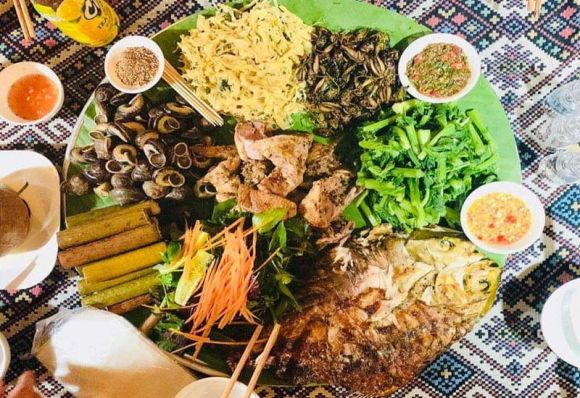
Hoa Binh province offers an authentic travel experience, blending stunning natural beauty with rich cultural heritage. Explore the serene Mai Chau Valley, where you can trek through terraced rice fields and stay in traditional Thai stilt houses. Don’t miss a boat ride on Hoa Binh Lake, for breathtaking limestone karst views. Engage with local ethnic communities, including the Muong and Thai, and savor traditional dishes like Com Lam (bamboo rice) and grilled hill chicken. For adventure seekers, trekking, cycling, and exploring caves in Thung Nai offer unforgettable memories amidst lush landscapes.
The best time to visit Hoa Binh Province largely depends on your interests. For scenic views and comfortable trekking conditions, spring (March to May) and autumn (September to November) are ideal. Summer offers lush greenery and adventurous water activities, while winter provides a peaceful atmosphere and a chance to immerse yourself in local culture.
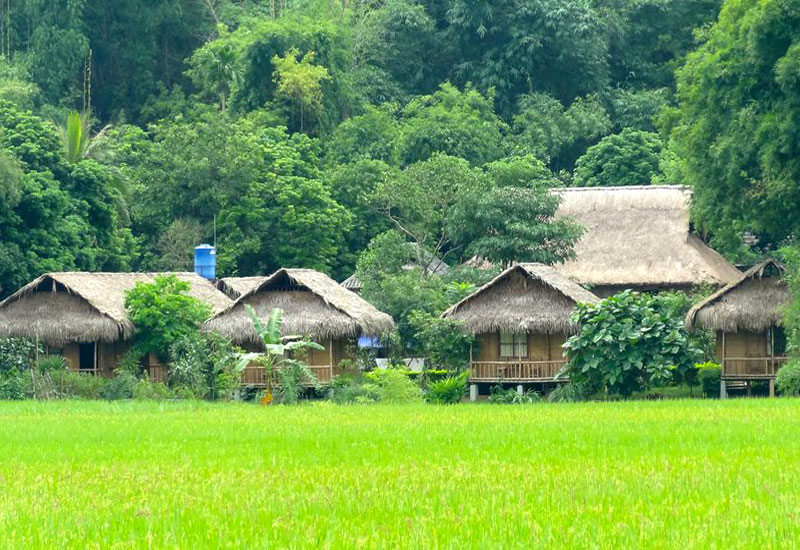
For travelers looking to experience the golden rice terraces, clear skies, and cool weather, autumn is the prime time. If you're an adventure enthusiast or nature lover, the rainy season in summer is perfect for experiencing the province’s dynamic landscapes.
Hoa Binh offers a rich blend of natural beauty, cultural experiences, and opportunities for adventure. Whether you're trekking through the serene Mai Chau Valley, exploring caves, or relaxing in hot springs, the province provides an authentic and immersive experience of Vietnam's rural and ethnic heritage. Each of these top attractions provides a unique glimpse into the beauty and diversity of this fascinating region.
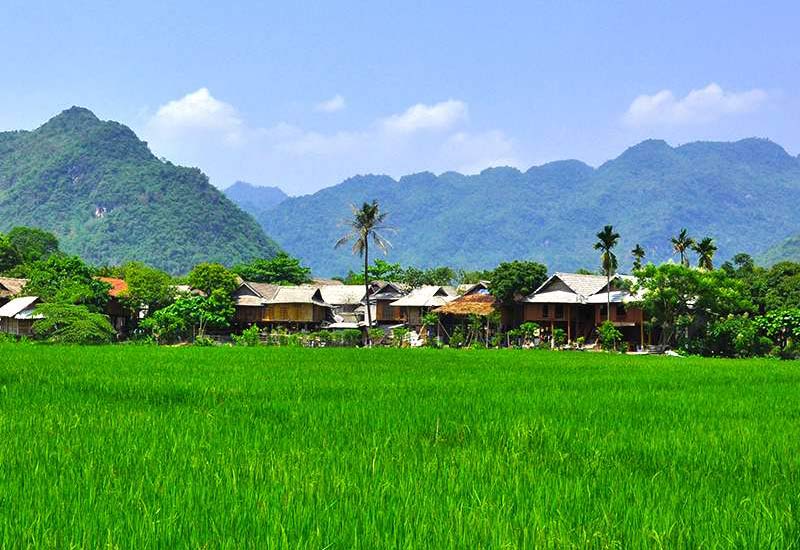
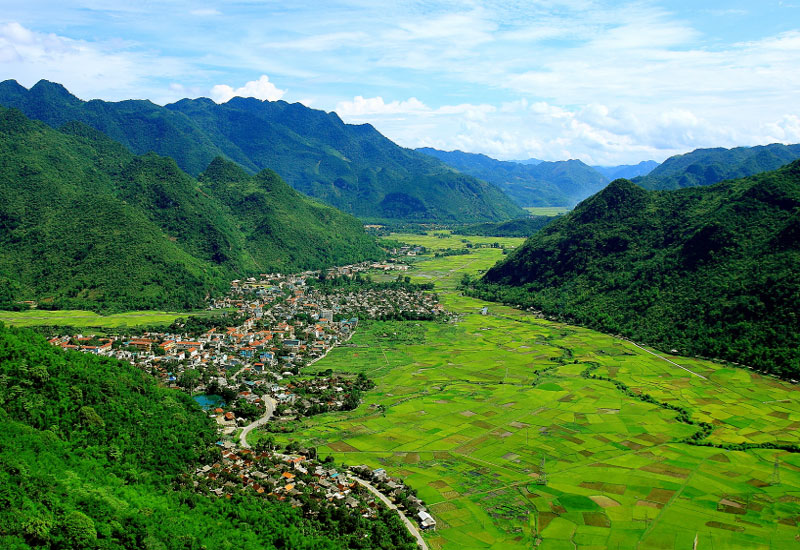
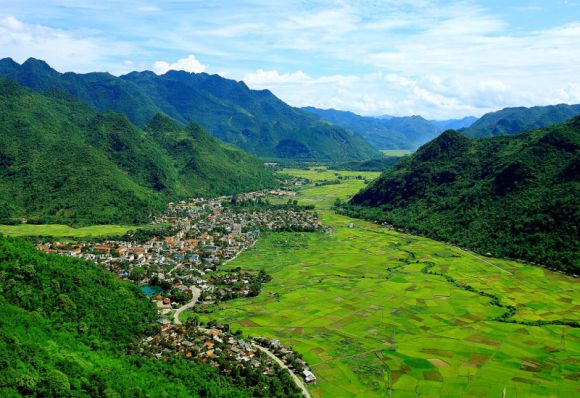
One of the most popular destinations in Hoa Binh, Mai Chau Valley is famous for its picturesque rice paddies, charming villages, and the vibrant culture of the White Thai ethnic group. The valley offers a peaceful retreat from city life, with opportunities to explore traditional stilt houses, participate in local festivals, and enjoy homestays.
Located about 15 km from Mai Chau, Go Lao Waterfall is a hidden gem surrounded by lush forests. The waterfall cascades down multiple levels, creating a serene and scenic atmosphere. It’s a perfect spot for nature lovers who want to relax and enjoy the tranquil environment.
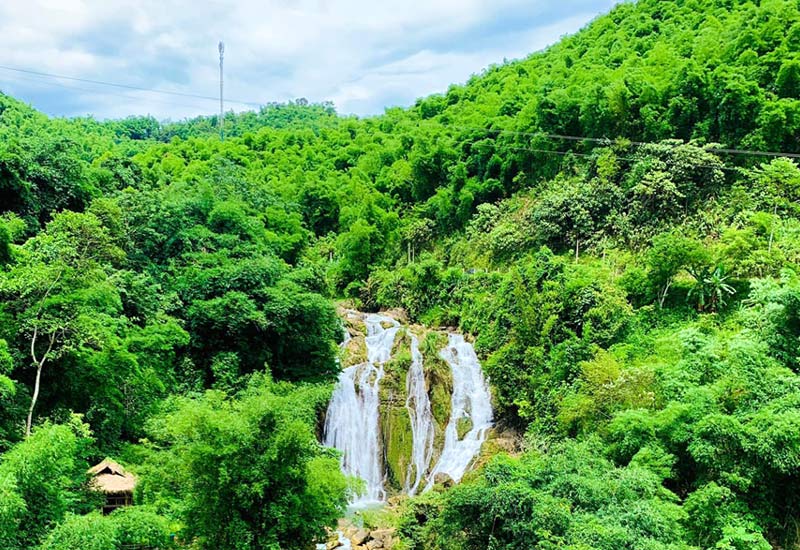
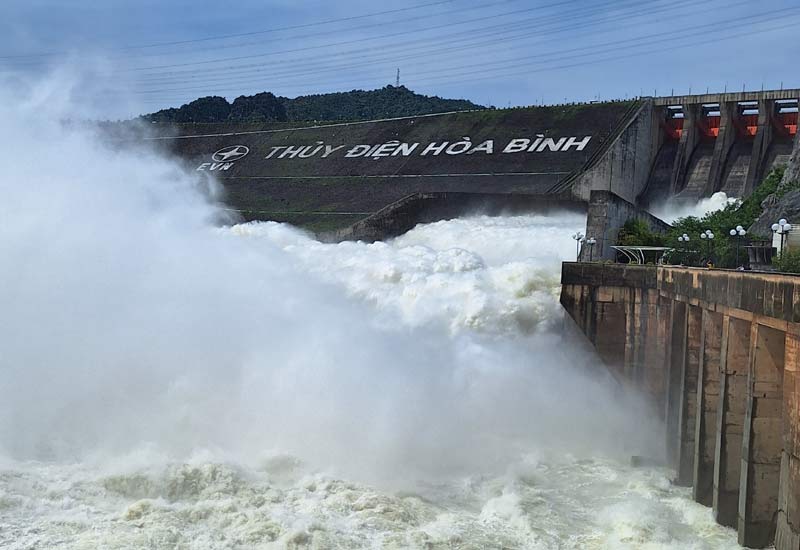
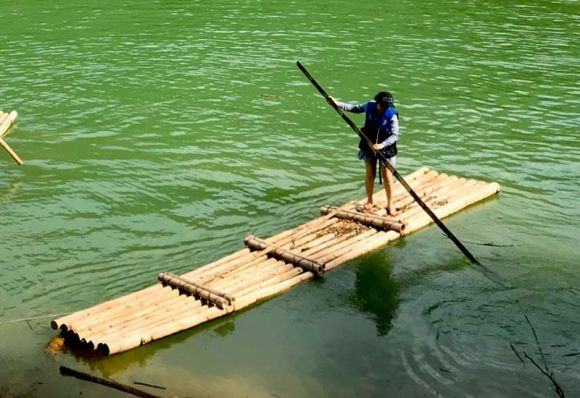
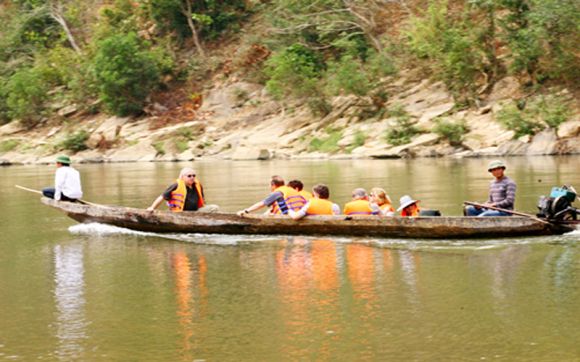
Often referred to as the "Ha Long Bay on the mountains," Hoa Binh Lake is an artificial reservoir created by the Hoa Binh Hydroelectric Plant on the Da River. With its emerald waters and stunning limestone mountains, the lake offers boat tours, kayaking, and opportunities to explore nearby villages and islands.
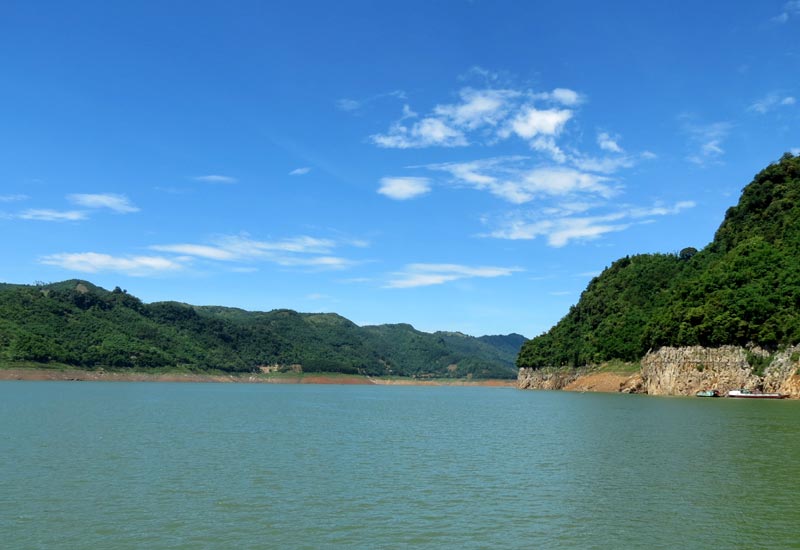
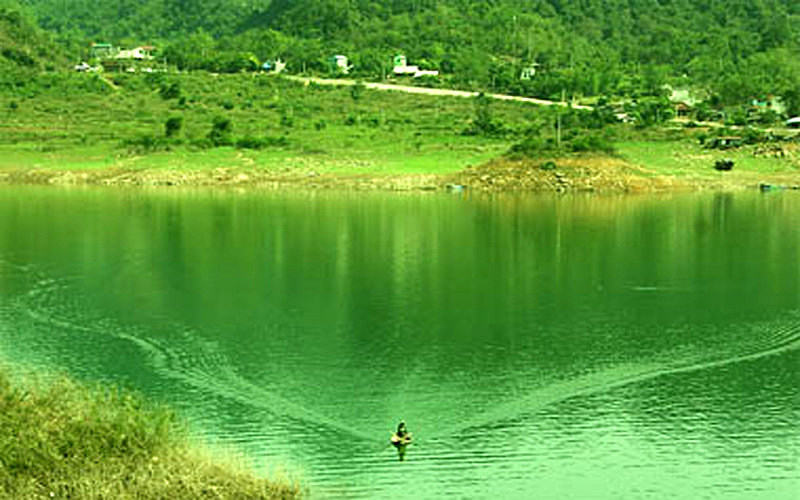
Thung Nai is another beautiful area located on the Da River, often compared to Ha Long Bay due to its picturesque limestone karst formations rising from the water. It's a peaceful retreat for those looking to escape the hustle and bustle of urban life and enjoy natural beauty.
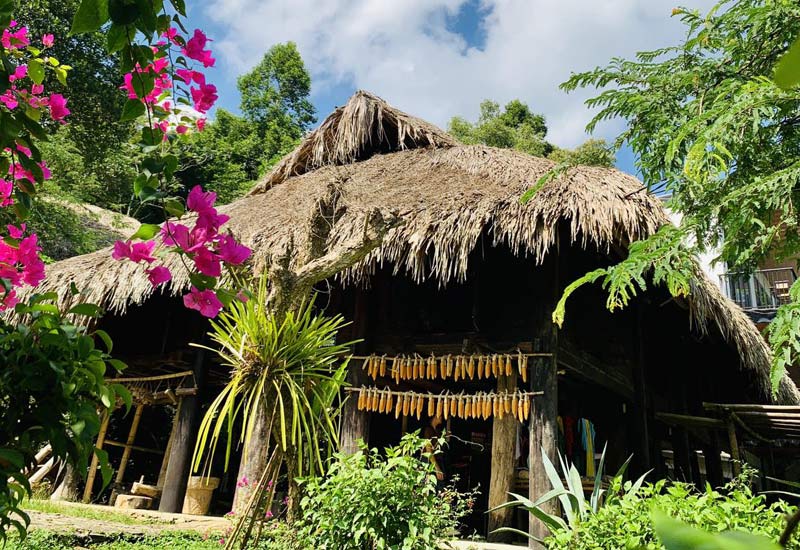
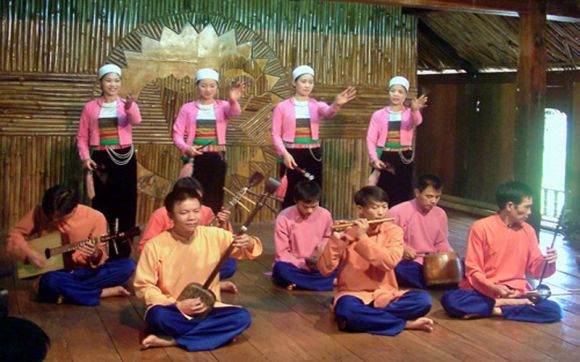
Located in the provincial capital, Hoa Binh City, the Muong Cultural Space Museum is dedicated to preserving and showcasing the culture of the Muong ethnic group, one of Vietnam’s largest minority groups. The museum features traditional stilt houses, artifacts, and exhibits that detail the Muong people’s history, traditions, and daily life.
Local markets are a great place to try street food and sample various traditional snacks and delicacies.
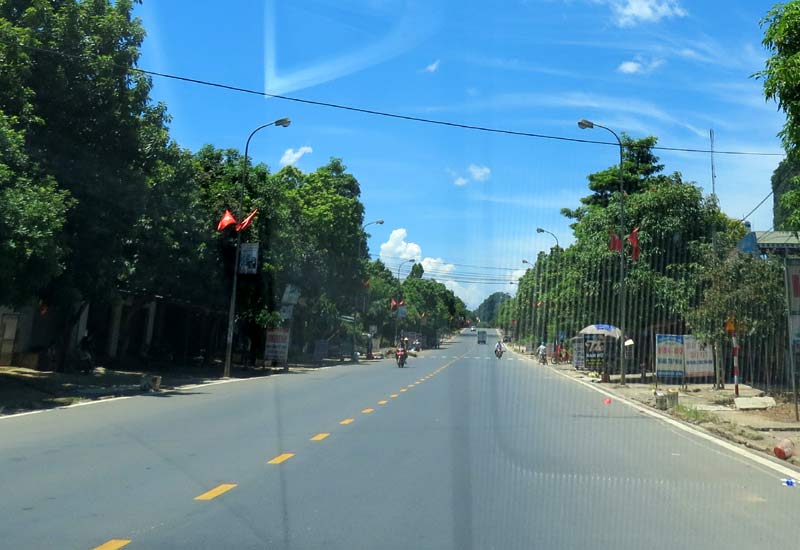
Hoa Binh is approximately 75 kilometers from Hanoi, making it a convenient getaway. The most common way to reach Hoa Binh is by car or motorbike, which takes about 2–3 hours via National Highway 6, and 2 hours via Hoa Lac - Hoa Binh Highway.
You can take a bus from Hanoi’s My Dinh or Yen Nghia bus stations to Hoa Binh city. Buses run regularly, but you might need to arrange private transport to visit more remote areas once you arrive.
Renting a motorbike is the best way to explore the province, as it offers flexibility and allows you to navigate the scenic mountain roads at your own pace. If you're not comfortable riding a motorbike, consider hiring a private car or using local taxis to visit key attractions.
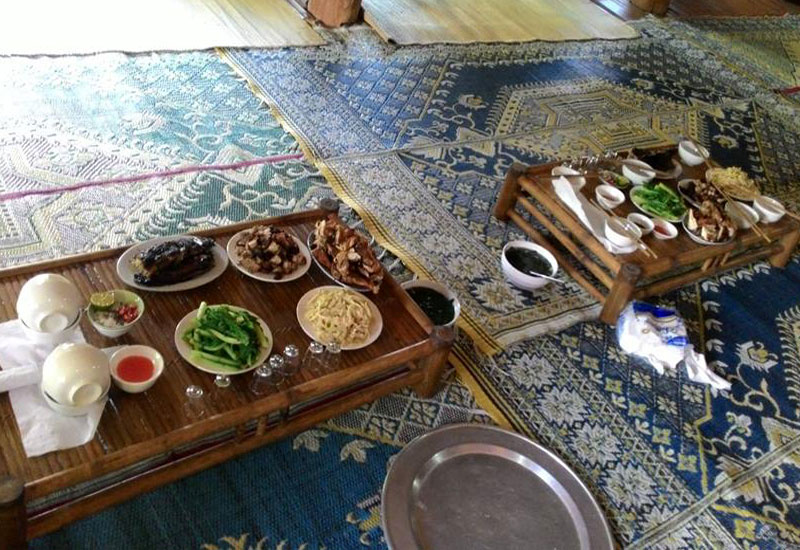
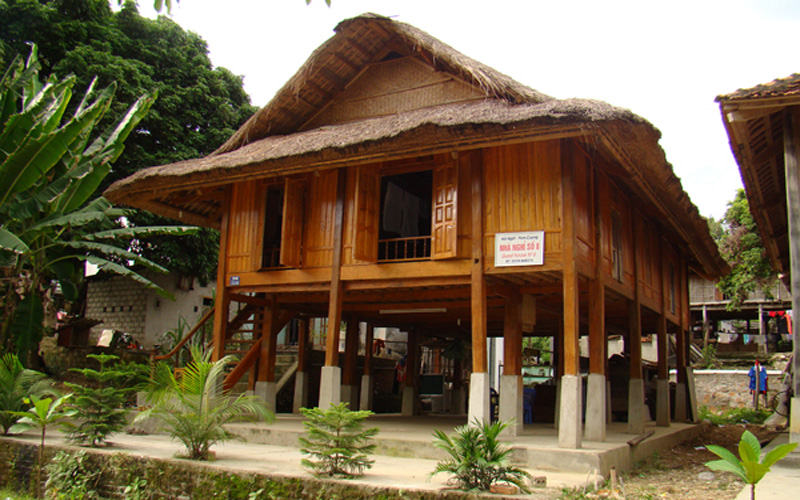
Staying in a homestay is one of the best ways to experience local culture. In places like Mai Chau Valley, you can stay in traditional Thai stilt houses, eat home-cooked meals, and engage in daily activities with local families. For a more comfortable and environmentally conscious experience, there are eco-lodges and resorts in Mai Chau and Hoa Binh Lake that offer stunning views and a peaceful retreat into nature.
If you prefer more modern accommodations, you’ll find several hotels in Hoa Binh city. These are convenient for travelers who want easy access to transportation and city amenities.
Hoa Binh is famous for its scenic trekking routes through terraced rice fields, forests, and ethnic villages. Popular trekking spots include Mai Chau, Hang Kia - Pa Co Nature Reserve, and areas around Thung Nai.
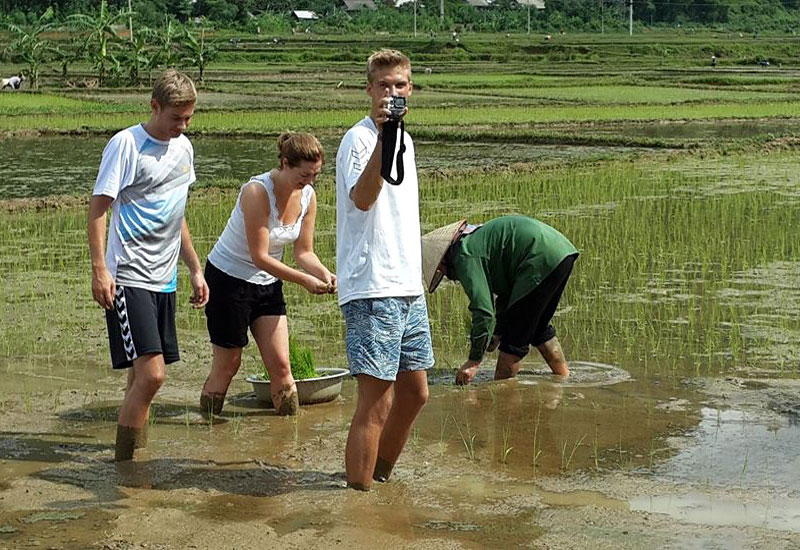
Always go with a local guide who knows the trails, as some routes are challenging and difficult to navigate without assistance.
A boat trip on the lake is a serene way to explore the hidden gems around the reservoir. Visit floating fishing villages and take in the spectacular views of limestone mountains and caves.
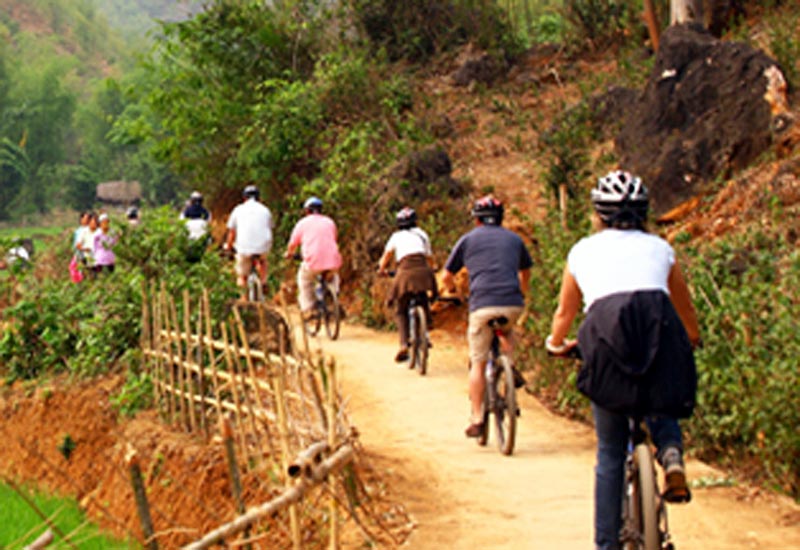
Renting a bike is a great way to explore Mai Chau and the surrounding villages. The roads here are relatively flat, making cycling an enjoyable and leisurely activity.
If you happen to visit during one of these festivals, take the opportunity to participate and learn more about the rich cultural traditions of the ethnic communities.
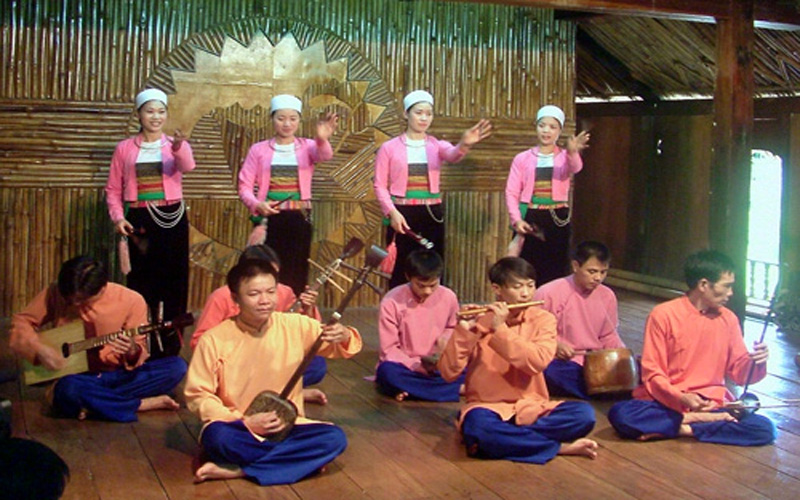
The weather in Hoa Binh, especially in the mountainous areas, can be quite cool, especially in the evening. Bring warm layers, especially if you plan to visit in winter or early spring.
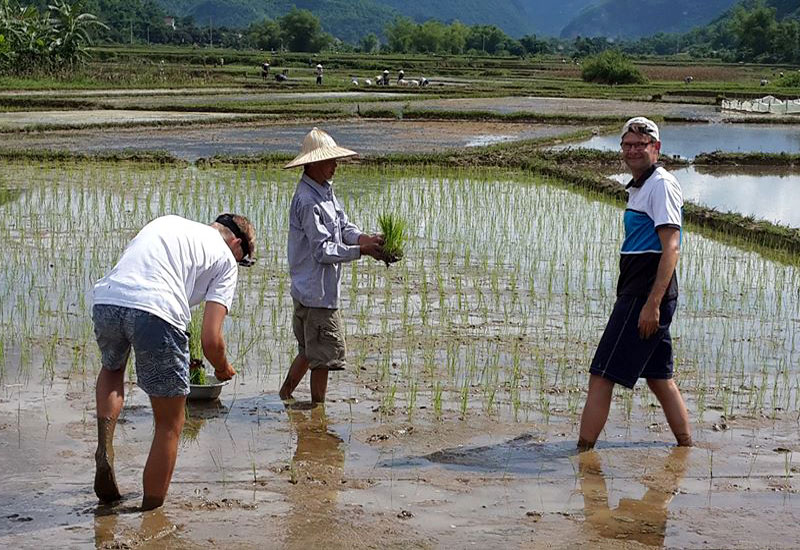
For trekking, hiking, or cycling, sturdy shoes or hiking boots are essential. The terrain can be rough and muddy, especially during the rainy season.
If traveling between May and September, pack a raincoat or umbrella, as the region experiences frequent rain showers.
Protect yourself from the sun and mosquitoes, especially if you’re planning outdoor activities like trekking or boating.
Unforgettable 16-Day Vietnam Travel Experience

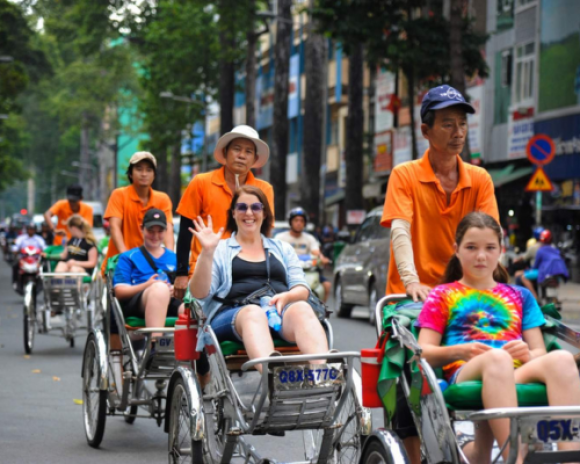
Best Of Vietnam Package Tour in 14 Days
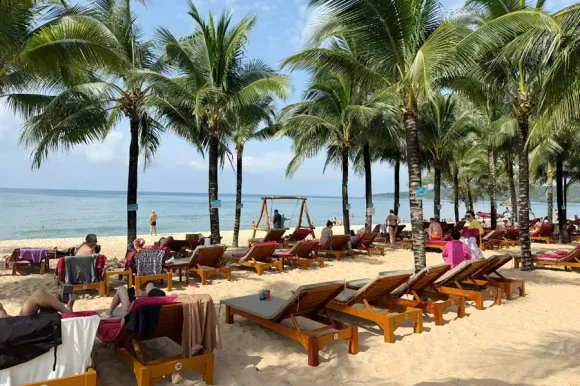
Vietnam Luxury Beach Holiday 12 Days
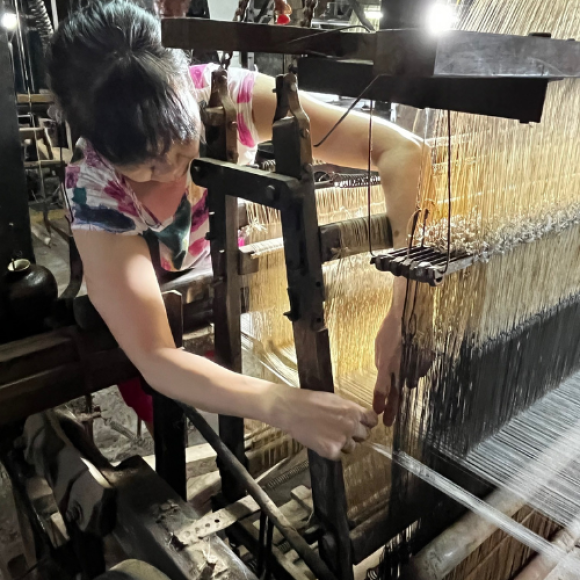
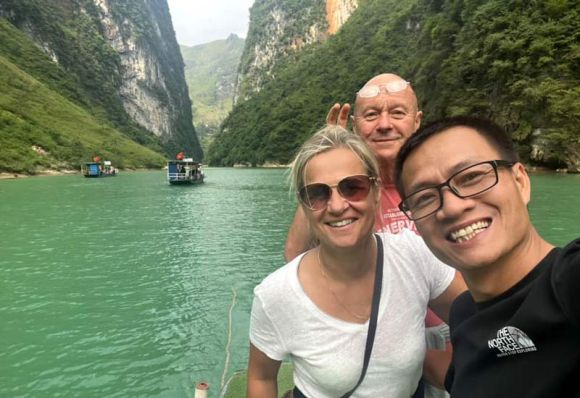
7-Day Ethnic Culture & Mountain Adventure



 and grilled hill chicken. For adventure seekers, trekking, cycling, and exploring caves in Thung Nai offer unforgettable memories amidst lush landscapes.&)