Vietnam Monsoon Season Guide

Vietnam’s monsoon season doesn’t have to limit your travel plans-with the right preparation, it can be part of the adventure. This guide helps travelers understand seasonal weather patterns, regional differences, and what to expect when visiting during the rainy months. From packing smart to choosing the best destinations at the right time, you’ll find practical tips to travel with confidence. Curated by Asia Eyes Travel DMC Vietnam, this resource supports informed Vietnam travel planning and flexible Vietnam tours, ensuring that rain enhances rather than disrupts your journey.

Vietnam’s monsoon season paints the country in rich greens, revives the rivers, and slows life to a gentle rhythm that travelers rarely expect-but often come to love. While most guidebooks emphasize the sun-soaked months, the truth is that Vietnam during the rainy season offers an entirely different kind of magic-one that’s quieter, moodier, and more intimate.


Vietnam Monsoon Season Guide

1. Understanding the Monsoon Season in Vietnam

Understanding the Monsoon Season in Vietnam

Vietnam’s monsoon season varies dramatically from north to south. This isn't a country where rain hits all at once - it rolls through in phases. Here's how the seasons break down:

Northern Vietnam (Hanoi, Sapa, Ninh Binh)

  • Monsoon months: May to August
  • Expect hot, humid days with afternoon thunderstorms

Central Vietnam (Hue, Hoi An, Da Nang)

  • Monsoon months: September to October
  • Rain here tends to be heavier and may last longer, especially in October 

Southern Vietnam (Ho Chi Minh City, Mekong Delta, Phu Quoc)

  • Monsoon months: May to October
  • Rain usually falls in short, intense bursts in the late afternoon

Knowing where and when to go can help you dodge the worst storms and still enjoy long stretches of dry, pleasant weather.

2. Where to Travel During Monsoon Season

Rain shouldn’t stop you from exploring. In fact, it often opens up new opportunities in places that feel more authentic, peaceful, and dramatic.

Hanoi & Northern Highlands (early summer)

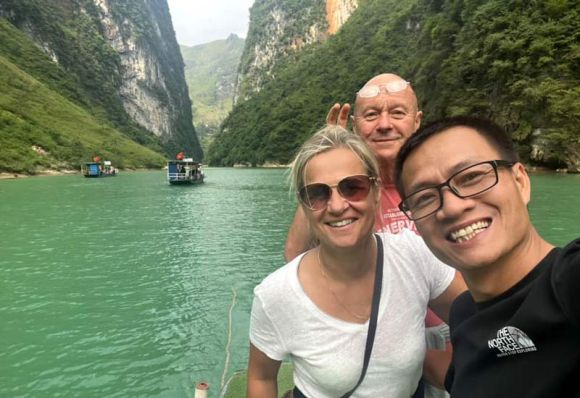
  • The north is lush and alive from May to July. Rice terraces in Sapa and Ha Giang are full and green, and the air carries a sweet scent after short afternoon rains.

Hoi An & Central Vietnam (early or late monsoon)

  • Visit before the heaviest storms begin (September) or after they pass (December). You’ll find fewer crowds, lower prices, and moody riverside walks lit by lanterns.

Mekong Delta (any time during monsoon)

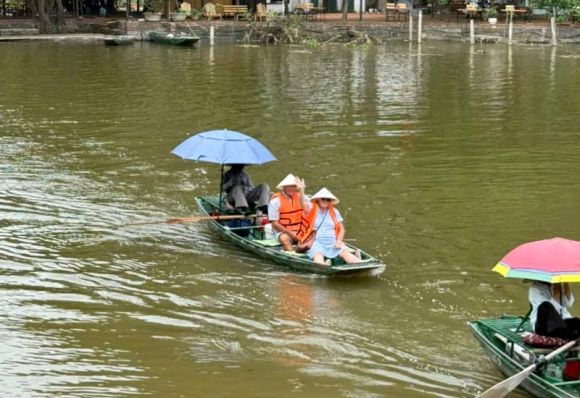
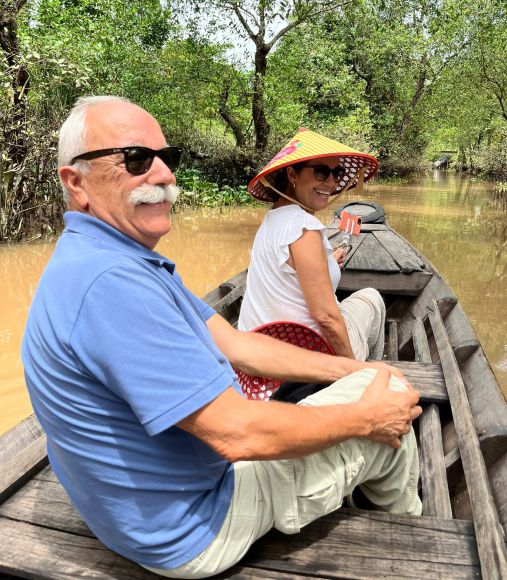
  • A bit of rain only makes the delta more vibrant. Life on the water thrives with boats, markets, and floating villages. This is one of the best times to experience real river culture.

For those seeking relaxation by the sea, a Vietnam Beach Vacation in shoulder months like May or November can still offer plenty of sun with minimal crowds.

3. What to Pack for the Wet Season

Preparation is everything. The rain is usually manageable-unless you’re unprepared. Make room in your bag for:

  • Waterproof jacket or poncho
  • Quick-dry clothes and socks
  • Lightweight, waterproof shoes or sandals
  • Compact umbrella
  • Waterproof daypack or dry bag
  • Mosquito repellent
  • Travel towel
  • Phone pouch or zip-lock bags for electronics

Also consider packing layers, as rains can cause sudden drops in temperature, especially in the highlands.

4. How to Move Around: Transportation Tips

Rain can cause minor disruptions, but with the right choices, you’ll still get where you need to go.

Trains over buses:

  • During monsoon months, trains are more reliable than road transport, particularly in central Vietnam where floods can block highways.

Avoid night buses in stormy areas:

  • Heavy rain can impact visibility and road safety-day travel is more predictable.

Flights are fine-but allow buffer time:

  • Delays are rare but possible. Flying between major cities is still the fastest option during wet months.

If you're booking guided travel, Vietnam Tour Packages can simplify logistics, ensuring that all routes and accommodations are pre-vetted for seasonal concerns.

5. Things to Do When It Rains

Rainy days can be the most rewarding if you’re flexible. Here are some experiences best enjoyed in wet weather:

Museum Hopping

Hanoi and Ho Chi Minh City have world-class museums and galleries—from ancient artifacts to war history to contemporary Vietnamese art.

Cooking Classes

Learn to make local dishes like pho, banh xeo, or spring rolls while the rain falls outside your kitchen window.

Café Culture

Vietnam’s café scene is a story in itself. Try local favorites like egg coffee, salt coffee, or coconut milk iced coffee while you watch life pass in the drizzle.

Spa and Wellness

Rainy days are ideal for traditional herbal baths in Sapa or full-body massages in Hoi An.

Tailoring in Hoi An

Spend time indoors working with tailors on custom-made clothing-a unique, personalized souvenir.

6. Safety Tips for Monsoon Travelers

Rain in Vietnam is not usually dangerous, but being smart keeps your trip smooth:

  • Check weather apps daily (Windy or AccuWeather are better than default ones)
  • Stay updated on typhoons, especially if traveling the central coast
  • Avoid trekking in downpours due to landslide risks in highlands
  • Walk cautiously in flooded areas—potholes may be hidden under water
  • Choose hotels in elevated areas, particularly in the Mekong and Hue regions

Travelers who prefer extra peace of mind may benefit from a Vietnam Tour for Seniors, where itinerary flexibility and safety are built in.

7. Why Travel During Monsoon Season?

Still on the fence? Here are reasons travelers fall in love with Vietnam in the rain:

  • Fewer tourists: Iconic locations like Hoi An or Ninh Binh are quieter
  • Lush scenery: Rain brings Vietnam’s nature to life in vibrant green
  • Cheaper prices: Hotels, flights, and tours are more affordable
  • Atmosphere: Rain brings a poetic beauty-foggy mountains, reflections on cobblestone streets, and lanterns shimmering on wet riverbanks
  • Warm hospitality: Locals often go the extra mile for visitors who brave the weather

8. Plan a Rain-Ready Adventure with Asia Eyes Travel

Rain doesn't have to ruin your trip-it can transform it. Let Asia Eyes Travel help you discover Vietnam's hidden charm during the monsoon. Our experienced travel planners know when and where to go, how to adapt your itinerary, and which experiences shine brightest in wet weather. Embrace the rhythm of the rain with our curated Vietnam Tour Packages designed for comfort, flexibility, and unforgettable memories-raincoat optional, wonder guaranteed.
Related Tours

Related Posts

Best Time to Visit Halong Bay

The best time to visit Halong Bay depends on the type of holiday you are planning. This spectacular UNESCO World Heritage Site can be visited year-round, with an average temperature of around 25°C (77°F). For the most comfortable weather and the best Halong Bay cruise experience, October to April is highly recommended, offering cool temperatures, calm seas, and breathtaking views of the limestone karsts, making it ideal for sightseeing, photography, and luxury cruises. From May to October, Halong Bay is perfect for travelers who enjoy swimming, kayaking, and outdoor adventures. The bay comes alive with lush green landscapes and sunny days, although occasional tropical showers may occur, especially in July and August. This period also offers many cruise promotions and attractive travel deals, particularly from May to September, making it an excellent choice for budget-conscious travelers. Whether you choose a 2-day or 3-day Halong Bay cruise, every season offers its own unique charm and unforgettable experiences.
Read more

Best Time to Visit Sapa

The best time to visit Sapa depends on the experience you're looking for. Renowned as one of Vietnam's premier trekking destinations, Sapa is famous for its breathtaking rice terraces, colourful ethnic villages, and ever-changing mountain weather, where locals often say you can experience "four seasons in a single day." Although this remarkable destination can be visited throughout the year, March to May and September to November generally offer the most comfortable weather for trekking, sightseeing, and photography. Many travellers choose Sapa tours during these months to enjoy the region's spectacular landscapes under ideal weather conditions. In this guide, Asia Eyes Travel shares practical local advice to help you plan your visit, as Sapa remains one of the highlights of many North Vietnam Tours.
Read more

Best Time to Visit Ninh Binh

Ninh Binh is a year-round destination, with each season offering its own unique beauty. The best time to visit depends on the type of experience you are looking for. If you want to admire lush green rice fields, February to April is the ideal time to visit. For the famous golden harvest landscapes around Tam Coc, plan your trip from late May to early June, when the countryside transforms into one of Vietnam's most breathtaking natural scenes. Both periods offer some of the most beautiful scenery of the year, creating ideal conditions for boat trips, landscape photography, cycling, and other outdoor activities. Many travelers choose Ninh Binh Tours during these months to experience the region's spectacular landscapes under pleasant weather conditions. Beyond its famous rice fields, Ninh Binh is renowned for its breathtaking limestone karst landscapes, often referred to as "Halong Bay on land." The region is home to iconic attractions such as Trang An, Tam Coc, and Bich Dong, together with impressive cave systems and important cultural heritage sites, making it one of the highlights of Northern Vietnam.
Read more

Best Time to Visit Ha Giang

The best time to visit Ha Giang depends on the experience you're looking for. Some travellers come for the golden rice terraces of Hoang Su Phi, others wait for the pink buckwheat flower season around Dong Van, Sung La, and Lung Cu, while many simply want the best weather for riding the breathtaking Ha Giang Loop through iconic mountain passes such as Ma Pi Leng and Tham Ma Pass. In this guide, Asia Eyes Travel shares practical advice on Ha Giang's weather, seasons, and travel tips, helping you choose the perfect time to enjoy the region's spectacular landscapes, scenic roads, and authentic highland culture.
Read more

Best Time to Visit Hoi An

Hoi An is one of Vietnam's most enchanting destinations, famous for its lantern-lit Ancient Town, rich cultural heritage, riverside scenery, and nearby beaches. Although it can be visited year-round, understanding the best time to visit Hoi An will help you experience the town at its most beautiful and comfortable. Whether you're planning to stroll through the Ancient Town, relax at An Bang Beach, join a cooking class, or explore the surrounding countryside, choosing the right season will make your visit even more enjoyable. In this guide, Asia Eyes Travel shares practical local insights to help you plan the perfect time for your Hoi An holiday. Hoi An Walking Street
Read more

Best Time to Visit Da Nang City

The best time to visit Da Nang is from March to May, when the weather is warm, sunny, and comfortable, with temperatures ranging from 25°C to 32°C. During these months, visitors can enjoy crystal-clear beaches, outdoor activities, and famous attractions such as My Khe Beach, Ba Na Hills, the Marble Mountains, Son Tra Peninsula, and the nearby ancient town of Hoi An. This period is also perfect for honeymoon couples, families with children, and travelers seeking pleasant weather without the intense summer heat. The dry season generally lasts from February to August, making it ideal for beach holidays, island excursions, and sightseeing. However, June to August is the hottest and busiest time of the year, with higher temperatures and larger crowds during the summer holidays. From September to October, Da Nang enters its rainy season, bringing occasional heavy showers and tropical storms, particularly during October and November. While beach activities may be limited, this season offers fewer tourists, lower hotel rates, and a quieter atmosphere for those interested in cultural experiences, local cuisine, and city exploration. No matter when you visit, Da Nang offers a perfect combination of stunning beaches, spectacular mountain scenery, rich cultural heritage, and world-class hospitality, making it one of Vietnam's top destinations throughout the year.
Read more
share
CHAT WITH US