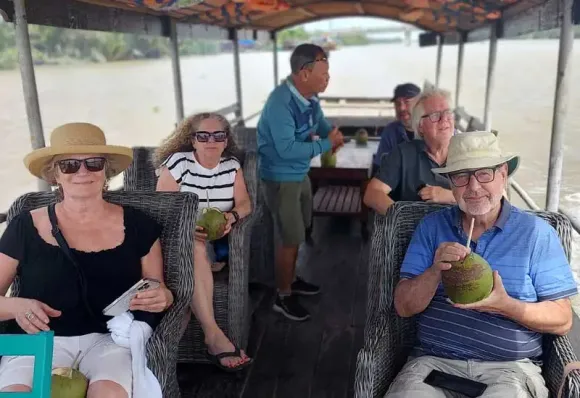
Vietnam homestay packages offer a meaningful way to explore the country beyond the usual tourist paths, connecting travelers with the true heart of local life. By staying with welcoming host families, you’ll experience Vietnam’s rich traditions, daily customs, and warm hospitality firsthand. From the misty mountains and ethnic villages of Sapa to the peaceful waterways of the Mekong Delta, each journey reveals picturesque landscapes and authentic cultural encounters. With thoughtfully designed homestay experiences by Asia Eyes Travel DMC Vietnam, travelers can enjoy a genuine, immersive adventure that creates lasting memories and deeper connections with Vietnam.
Vietnam, a country known for its stunning landscapes, rich cultural heritage, and vibrant cities, offers travelers a wide variety of experiences. One of the most immersive and authentic ways to explore Vietnam is through Vietnam homestay packages. These packages not only provide a comfortable place to stay but also offer travelers the opportunity to engage deeply with local cultures, traditions, and everyday life. Homestays in Vietnam, particularly in rural areas, offer an enriching experience that standard hotels or resorts simply cannot match.
We will delve into the appeal of homestay tours in Vietnam, highlighting the beauty of Vietnam village homestays and the authentic homestay experiences in Vietnam that are shaping the tourism landscape. These packages are perfect for travelers who want more than just sightseeing-they offer a chance to truly experience the heart of Vietnam.

You’ll stay in traditional wooden or brick houses, made with locally sourced materials. The rooms are usually simple but cozy, and shared or private bathrooms may be available.
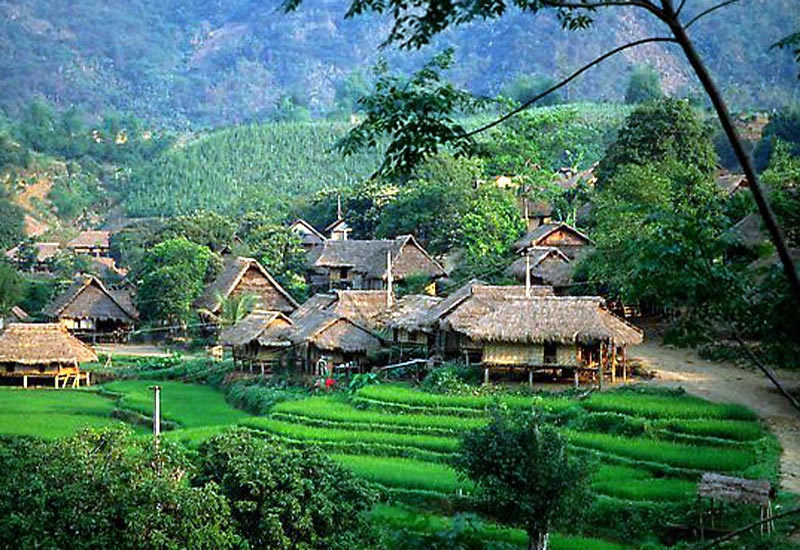
Traditional ethnic homes made from bamboo or wood, with a shared living space where the family sleeps, cooks, and gathers. The homes are usually simple but provide a genuine cultural experience.
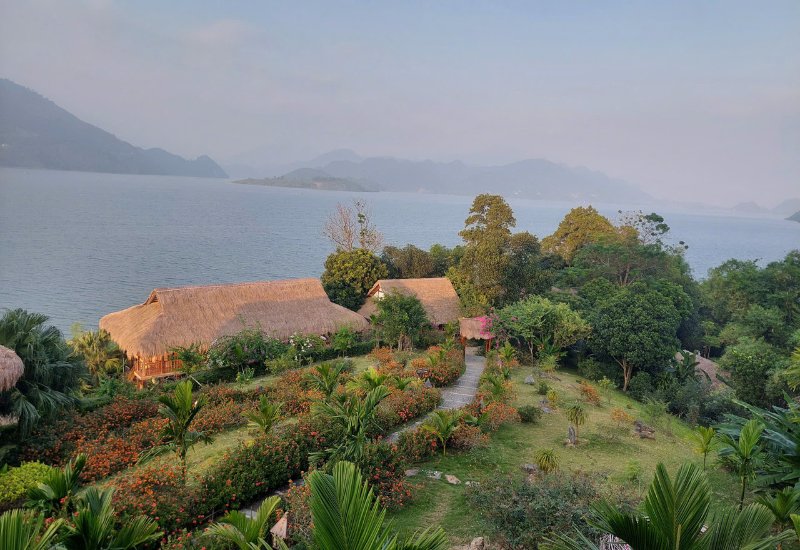
You’ll typically stay in a local house by the river or in a small wooden cabin or stilt house. Many homestays offer an authentic riverside experience, with hammocks and communal spaces for relaxing.
Tourist-oriented homestays in Vietnam prioritize comfort, convenience, and well-organized experiences for travelers. They strike a balance between offering modern amenities such as private bathrooms, air conditioning, and Wi-Fi, while still providing an authentic glimpse into Vietnamese culture.
The essence of an authentic homestay experience in Vietnam is the opportunity to engage with local families and communities. This type of travel is far removed from the typical hotel experience, providing you with an intimate view of local customs, food, and lifestyles. Here are some of the key highlights of a typical homestay in Vietnam:
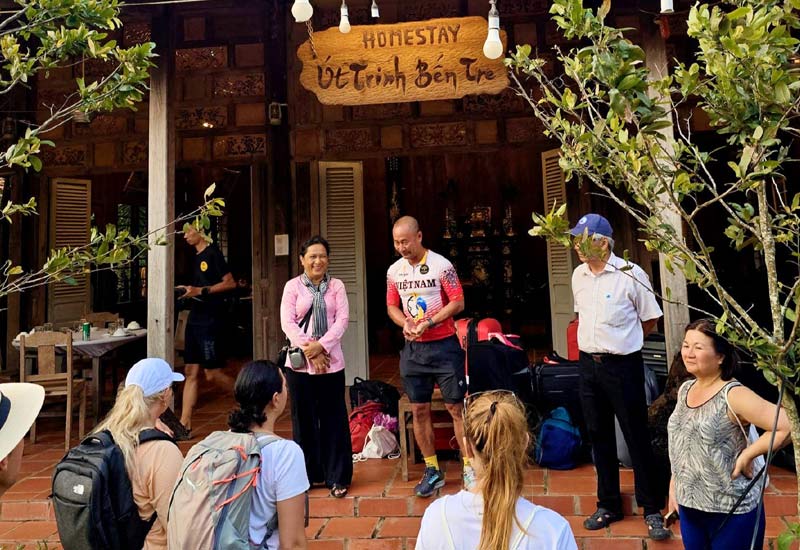
Living with locals: The beauty of staying in a homestay is that you live with a Vietnamese family. You get a chance to share meals, interact with local children, and learn about their traditions. Whether it's in a mountain village in the north or a rural community in the south, staying in a Vietnam village homestay allows you to connect with the people on a personal level.
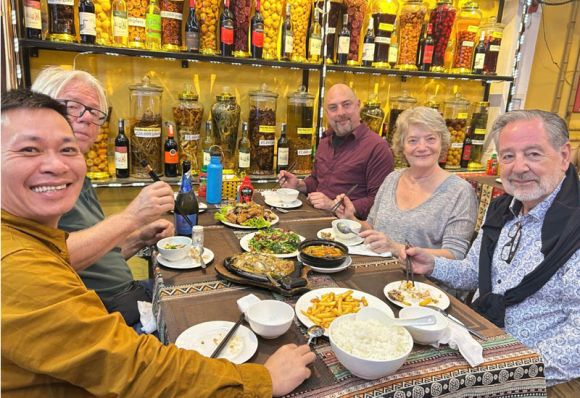
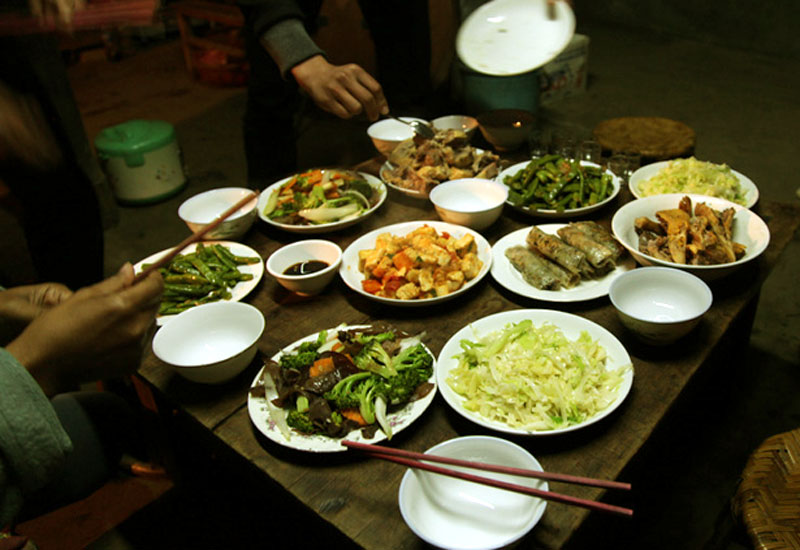
Traditional Vietnamese cuisine: One of the highlights of staying in a homestay is the opportunity to enjoy authentic Vietnamese food. Guests may have the chance to cook alongside their hosts, learning how to prepare traditional dishes like pho (noodle soup), banh xeo (Vietnamese pancakes), or fresh spring rolls. Eating meals prepared with fresh, local ingredients provides a genuine taste of Vietnamese cuisine.
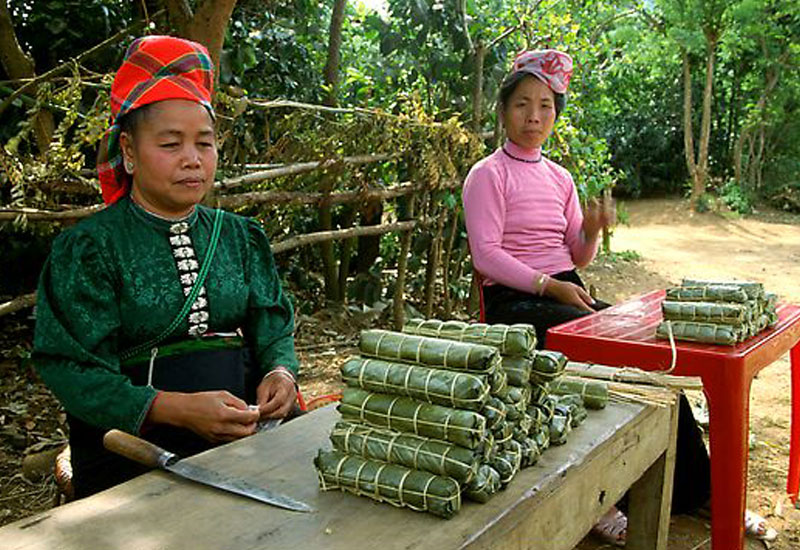
Cultural immersion: Homestay packages often include cultural activities that allow you to engage in traditional Vietnamese crafts and customs. In rural regions, you may learn how to weave baskets, make pottery, or try your hand at farming. These hands-on experiences deepen your understanding of Vietnam’s diverse cultures, especially if you stay in ethnic minority areas where customs can differ greatly from those of the majority Kinh people.
Community engagement: Many homestays are part of community-based tourism initiatives, which aim to support the local economy and preserve cultural heritage. By choosing a homestay, travelers directly contribute to the livelihoods of local families. This makes the experience not just a holiday, but also a form of ethical tourism that promotes sustainability and social responsibility.

Natural beauty and outdoor activities: Most Vietnam homestay packages are situated in areas of exceptional natural beauty. Whether it’s the dramatic terraced rice fields in Sapa, the tranquil rivers in the Mekong Delta, or the lush forests of Mai Chau, these locations offer endless opportunities for outdoor activities. Hiking, cycling, and boat rides are just some of the ways to explore the surrounding landscapes. Homestays in these regions often offer guided tours or let you explore on your own, allowing you to connect with nature in a way that large hotels or resorts cannot.
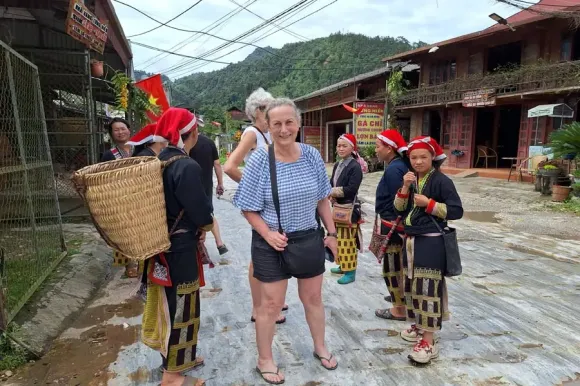
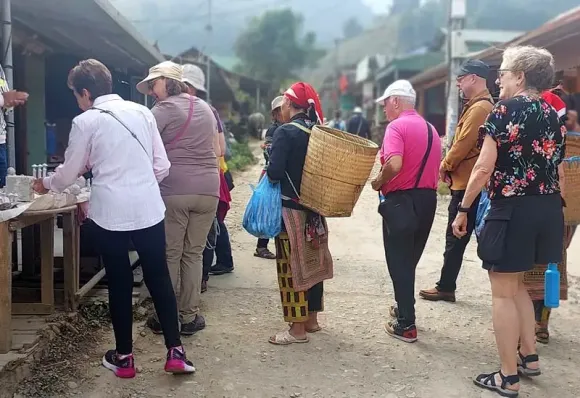
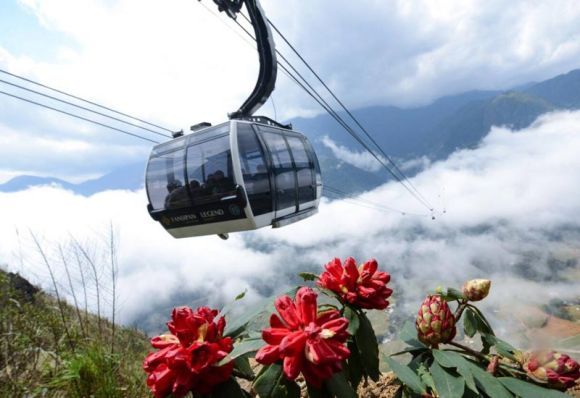
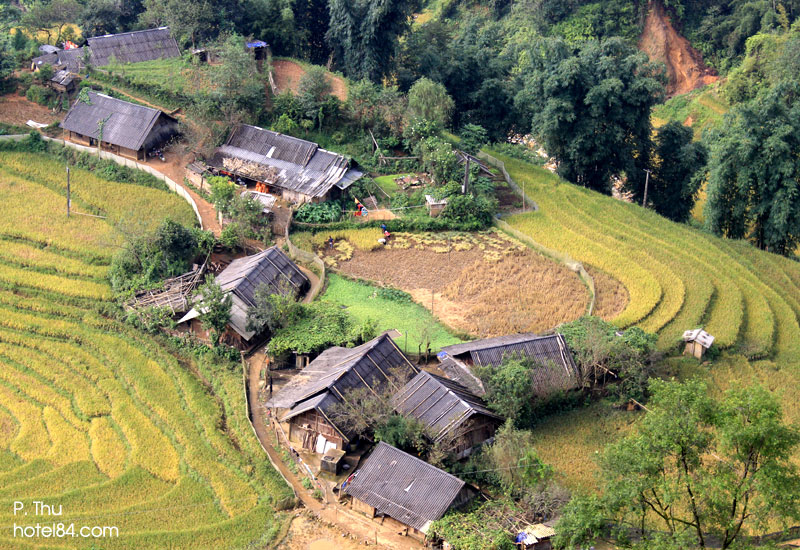
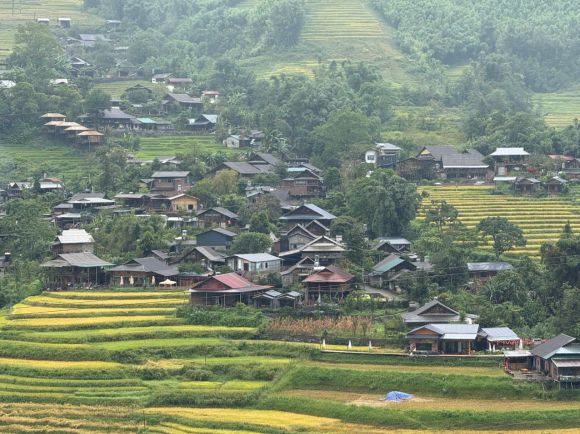
Located in the north of Vietnam, Sapa is a popular destination for Vietnam homestay packages due to its breathtaking landscapes and rich ethnic diversity. The region is home to several ethnic minority groups, and staying in a Vietnam village homestay here offers a chance to learn about their unique customs and lifestyles. Sapa is famous for its terraced rice fields, which are a key attraction for many visitors.
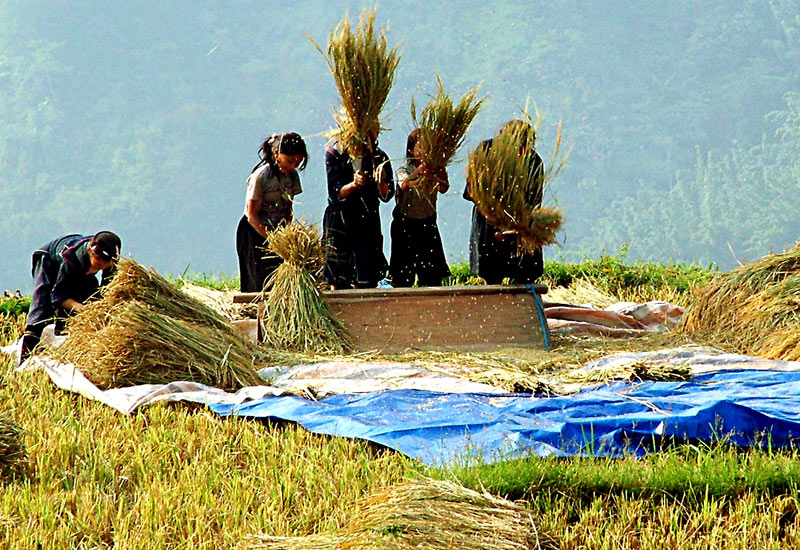
If you're interested in Vietnam tours featuring Sapa, check out the blog "Top Vietnam Tours Including Sapa 2025 You Shouldn't Miss" for useful insights.
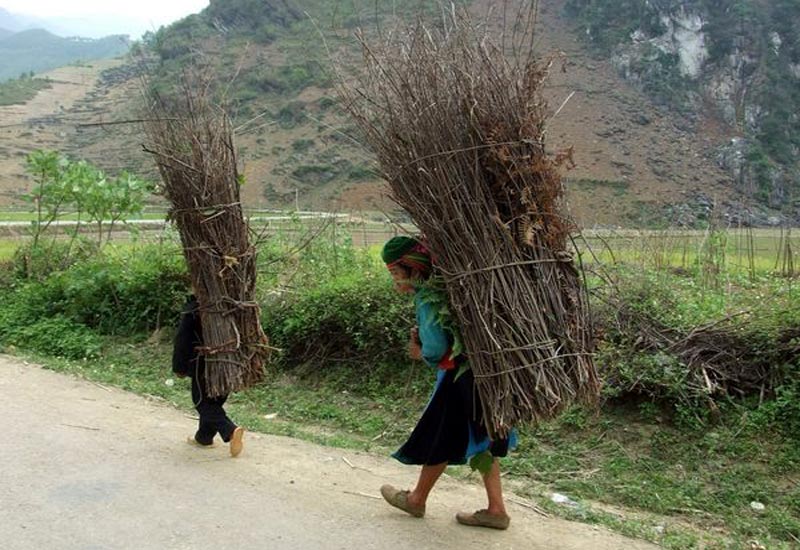
Ha Giang is a remote and rugged region in northeastern Vietnam, known for its dramatic landscapes, including limestone peaks, valleys, and terraced fields. The area is home to several ethnic minority groups, including the H'mong, Tay, and Nung people.

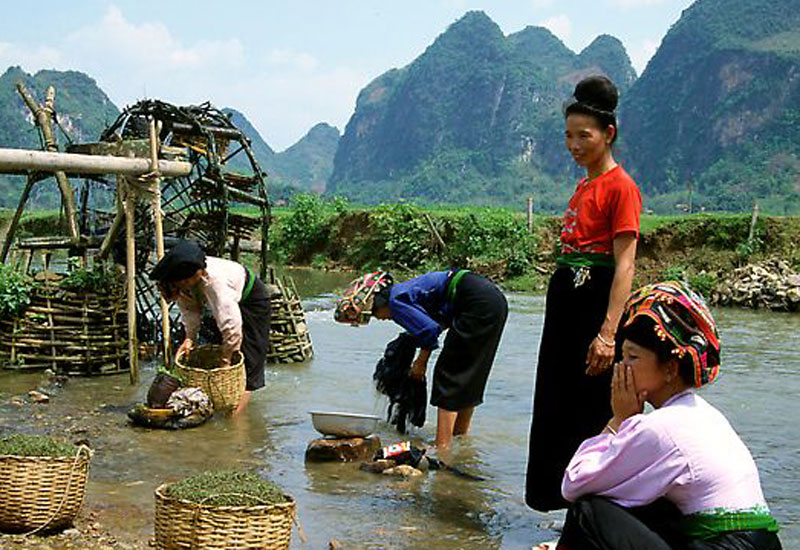
A serene valley in the north of Vietnam, Mai Chau is known for its lush green landscapes and the White Thai ethnic group. The villages here are perfect for homestays, offering a peaceful environment where travelers can enjoy traditional food, participate in outdoor activities like cycling, and interact with the local community.
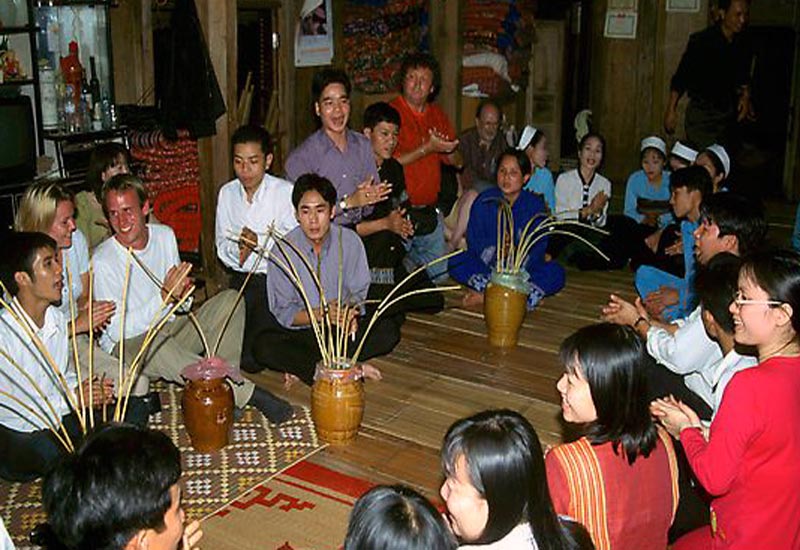
If you're planning Vietnam tours that include Mai Chau, the "Best Vietnam Culture Tour 16 Days" is sure to match your travel desires!
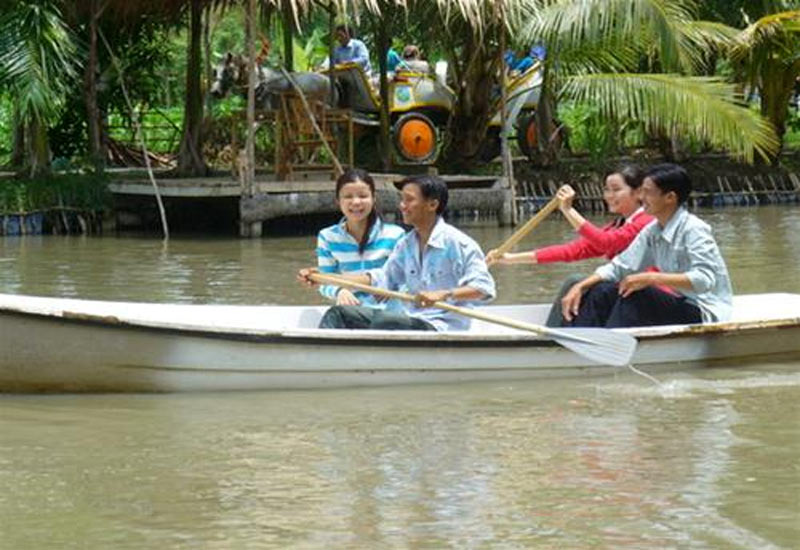
For a completely different experience, the Mekong Delta homestay packages are a must. The delta is a vast network of waterways, and staying in a homestay here provides a glimpse into the daily life of people who depend on the rivers for transportation, fishing, and farming. The lush landscape, unique floating markets, and vibrant local culture make the Mekong Delta an unforgettable destination.
Though known for its stunning beaches, Phu Quoc is also home to several rural villages where visitors can experience life in a homestay. The island’s natural beauty and slower pace of life make it an ideal place for those seeking relaxation and cultural immersion in a tranquil setting.
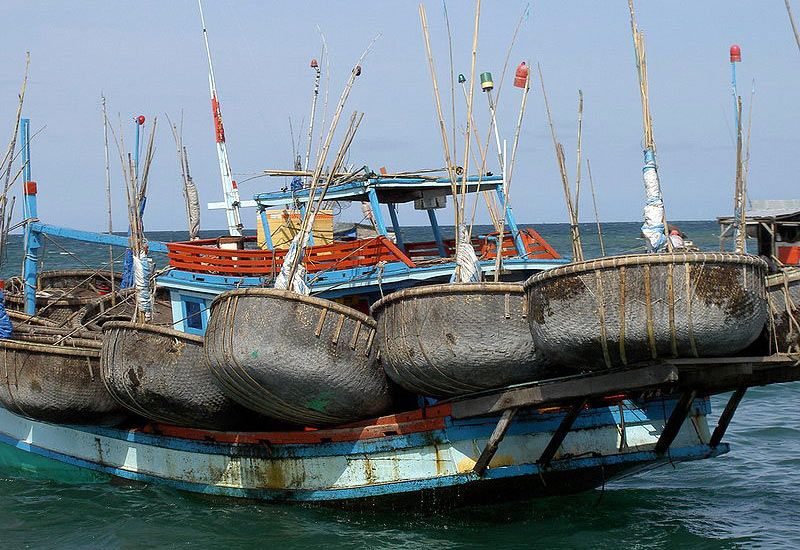
For authentic homestay experiences in the Mekong Delta and Phu Quoc, the "Mekong Delta and Phu Quoc Island 10-Day Itinerary" is the ideal option to bring your travel plans to life!
One of the most compelling reasons to consider a homestay tour in Vietnam is the opportunity to explore regions that are less frequented by typical tourists. These areas, often nestled in the heart of Vietnam’s countryside, boast breathtaking scenery and vibrant communities that remain largely untouched by mass tourism.
The Sapa homestay packages provide an opportunity to stay in the northern highlands of Vietnam, home to the indigenous ethnic minority groups such as the H'mong and Tay. These communities live in remote villages surrounded by terraced rice fields, and their traditional way of life has remained largely unchanged for centuries. Staying in a Vietnam village homestay here means not just visiting Sapa, but becoming a part of the community for a few days. Travelers may join their hosts in farming, cooking traditional dishes, or hiking through the mountains. It’s an opportunity to see the real Sapa beyond the tourist attractions. Sapa Homestay Tour 2 Days will be a perfect choice for you!
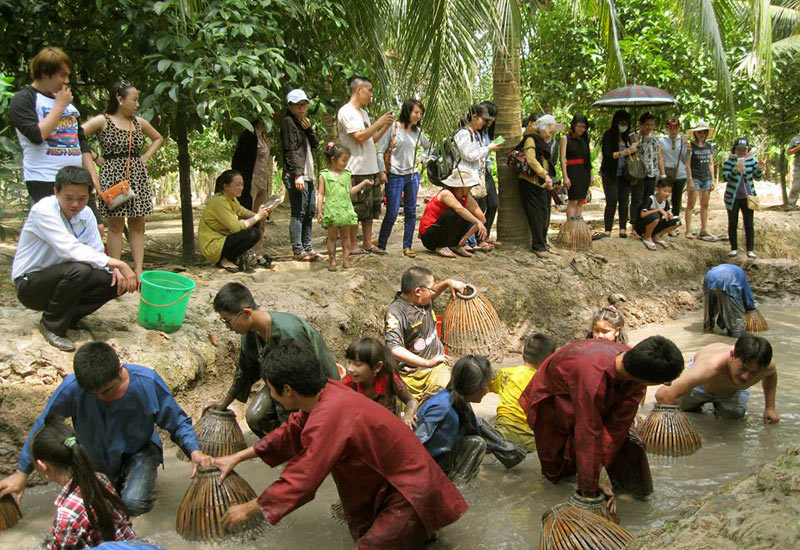
In contrast, the Mekong Delta homestay packages offer travelers a completely different experience. The Mekong Delta is a vast network of rivers, swamps, and islands in southern Vietnam, known for its lush vegetation and unique water-based lifestyle. Many homestays in this region are located in small villages, where you can travel by boat to reach your host family’s home. While staying in these homestays, guests can take part in fishing, cooking local seafood dishes, and exploring the waterways by traditional boats. These authentic homestay experiences in Vietnam are as much about the people as the place, with the added bonus of discovering one of the country’s most ecologically important regions. Explore the Mekong Delta with our 2-day tour, and if you’d like to stay in an authentic homestay, we’ll gladly arrange it for you!
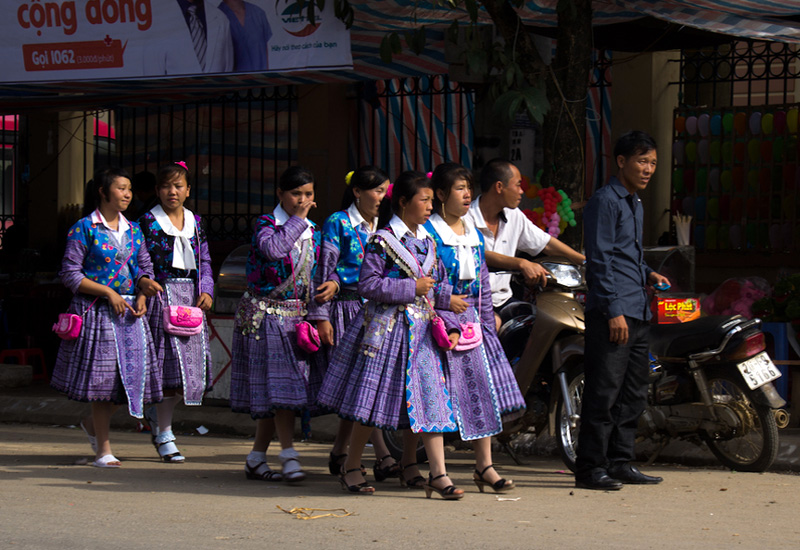
Local customs and traditions: Each region in Vietnam has its own cultural practices. Make sure to research local customs, etiquette, and traditions, especially if you're visiting rural areas or ethnic minority villages. For example, some ethnic groups in northern Vietnam might have specific expectations regarding dress and behavior.
Language: While English is becoming more common in Vietnam, especially in larger cities, many rural areas have limited English speakers. Consider learning a few basic Vietnamese phrases, especially greetings and thank you (“Xin chào” for hello, “Cảm ơn” for thank you), to enhance your experience and show respect to your hosts.
Shared facilities: In many rural homestays, you may need to share bathroom facilities or other communal spaces. While most homestays provide clean and basic amenities, be prepared for a simpler style of living. This can be a charming part of the experience, but it’s important to be flexible and adaptable to different living conditions.
Personal space: Be mindful that space may be limited in homestays, especially in traditional houses. It’s essential to respect the privacy and personal space of your host family and other guests, if applicable.
SIM Card or Wi-Fi: While most larger cities and towns have good internet access, some rural areas may have limited or no connectivity. Consider purchasing a local SIM card for data if you need to stay connected or navigate during your trip. However, embrace the opportunity to disconnect and enjoy the tranquil nature of a homestay experience.
Communication barriers: While many Vietnamese people can understand basic English, not everyone speaks it fluently, especially in rural areas. Bringing a translation app or a small pocket Vietnamese-English phrasebook can be helpful for communicating more effectively with your host family.
Punctuality: In Vietnam, punctuality is important, especially in rural areas where schedules are often set around farming or family routines. Be mindful of your time and follow any instructions regarding meal times, activities, or meetings with the host family.
Participation in activities: Many homestays offer guests the chance to engage in activities like farming, cooking, or crafting. Be open to participating, but also respectful of local practices. Don’t be afraid to ask questions and learn more about the activities and the way of life.
Photography etiquette: Always ask for permission before taking photos, especially of local people. Some ethnic minority groups may not want their photos taken, and it’s crucial to be respectful of their wishes.
Modest and comfortable clothing: Many homestays are located in rural or religious communities where modest clothing is appreciated. Pack light, breathable, and comfortable clothes for everyday activities, but also bring some modest attire, especially if you're visiting ethnic villages or rural areas. For example, cover your shoulders and knees when visiting temples or sacred sites.
Footwear: Comfortable, sturdy shoes are essential for activities like hiking, trekking, or exploring local villages. Consider bringing lightweight sandals for warm weather and closed-toe shoes for trekking or walking on uneven terrain.
Bug repellent and sunscreen: In rural areas, especially the Mekong Delta or mountain regions, mosquitoes can be prevalent. Bring insect repellent, sunscreen, and any medications you might need, such as antihistamines or allergy medications.
If you’re seeking an authentic travel experience in Vietnam, look no further than a Vietnam village homestay. These stays allow you to live with local families, participate in their everyday activities, and gain a true understanding of life in rural Vietnam. By choosing a Vietnam homestay package, you’re not just booking a place to stay—you’re embarking on an unforgettable journey that will leave you with lifelong memories and a deep appreciation for the beauty and culture of Vietnam.
Embark on a journey of authentic cultural immersion with Asia Eyes Travel’s Vietnam Homestay Packages! Experience the warmth of local hospitality, stay with traditional families, and explore Vietnam’s rich heritage and stunning landscapes. Whether you're trekking through the mountains of Sapa, cruising the Mekong Delta, or discovering rural village life, our homestay packages offer an unforgettable, off-the-beaten-path adventure.
Don’t miss the chance to connect with local communities and create lasting memories. Book your Vietnam homestay packages today with Asia Eyes Travel - where adventure meets authenticity! Reach out now to plan your journey!
Sapa Highlights in 2 Days and 2 Nights from Hanoi

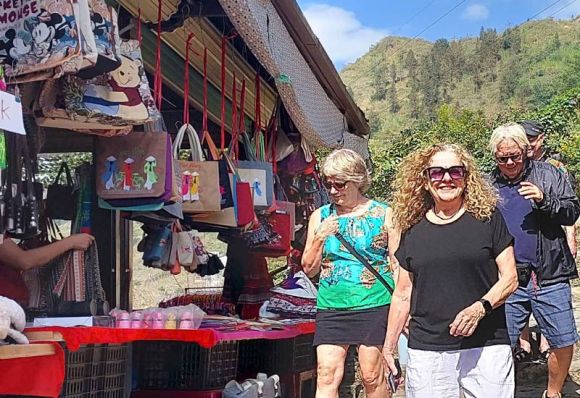
2-Day Sapa Adventure with Bac Ha Market (On Sunday only)

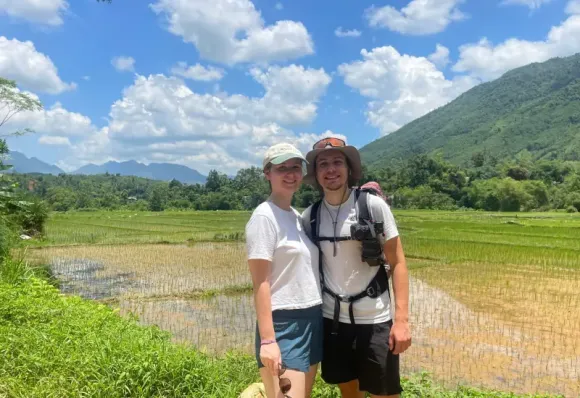
Sapa Homestay Tour 2 Days - Tour starts from Sapa