Typhoon Season in Vietnam

Typhoon season in Vietnam can seem intimidating, but with the right information, travelers can plan confidently and safely. This guide explains when typhoons typically occur, which regions are most affected, and how conditions vary throughout the country. You’ll also find practical advice on packing essentials, safety precautions, and choosing destinations that remain comfortable during stormy periods. Curated by Asia Eyes Travel DMC Vietnam, this resource supports smart Vietnam travel planning and adaptable Vietnam tours, helping travelers navigate the season wisely and enjoy Vietnam-whatever the weather brings.

Vietnam’s landscape is as captivating as it is diverse-mountainous highlands, ancient towns, jungle rivers, and a long, shimmering coastline that stretches over 3,200 kilometers. But with such geographical variety comes equally varied weather, including an annual typhoon season that often concerns first-time visitors.

So, how serious is typhoon season in Vietnam? Can you still travel safely? The short answer: yes, with smart planning and the right expectations, traveling during typhoon season can still be safe, rewarding, and often unforgettable.
 

Typhoon Season in Vietnam

When Is Typhoon Season in Vietnam?

Vietnam typically experiences typhoons between June and November, but the peak months differ by region:

Northern and Central Vietnam:

Highest risk from August to October, especially in coastal provinces like Quang Binh, Quang Nam, Hue, and Da Nang.

Southern Vietnam:

Less affected by typhoons; this region experiences a wet monsoon season from May to October, with short, heavy showers.

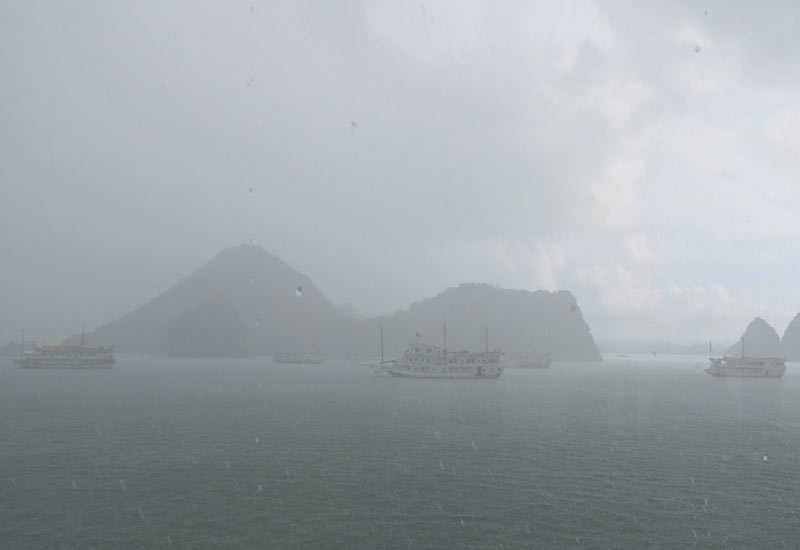
Each year, the country experiences 5–10 tropical storms or typhoons. While not all are destructive, they can cause localized flooding, transport delays, and temporary travel disruption—especially in low-lying or coastal areas.

How Serious Are Typhoons for Tourists?

Typhoons can sound intimidating, but most don’t pose a major threat if you’re not traveling in rural or flood-prone areas. Larger cities like Ha Noi, Da Nang, or Ho Chi Minh City have strong infrastructure and early warning systems in place.

In general:

  • You won’t be stuck for weeks. Typhoons usually last 1–2 days in a single location.
  • You’ll get plenty of warning. Local news, hotels, and travel agencies closely monitor typhoon paths.
  • Evacuations are rare. Tourism authorities often suggest itinerary changes rather than drastic measures.

Still, it’s crucial to stay informed, flexible, and prepared. And that begins with knowing where to go—and where to avoid—during storm season.

Best Practices: Safety Tips for Traveling During Typhoon Season

1. Monitor Weather Regularly

Install a weather app like Windy, AccuWeather, or Weather Underground, and enable typhoon alerts. Vietnamese news sources also update rapidly once storms are detected.

2. Avoid Risk Zones at Peak Times

If traveling between September and November, avoid booking trips to central coastal towns without backup plans. Cities like Hue, Hoi An, and Da Nang are scenic but prone to storm surges.

Instead, consider inland areas or highlands where typhoon impact is minimal.

3. Pack Smart for Sudden Storms

A good packing list includes:

  • Waterproof jacket or poncho
  • Quick-dry clothes
  • Lightweight umbrella
  • Dry bag for electronics
  • Backup power bank (in case of temporary outages)

4. Choose Flexible Accommodations

Book with properties that allow flexible cancellations or rebooking. Many hotels and resorts in Vietnam understand weather unpredictability and offer accommodating policies.

5. Have a Backup Itinerary

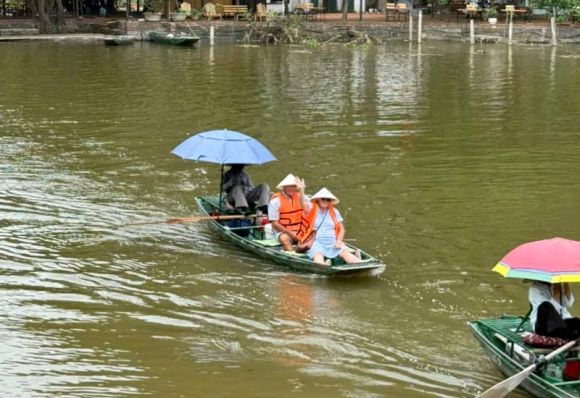
If your Halong Cruises & Tours get canceled due to high waves, consider switching to inland cultural experiences like Ninh Binh or Tam Coc, which offer similar limestone scenery with less storm disruption.

Having a backup plan lets you enjoy your trip even if the weather changes course.

What to Do If a Typhoon Hits During Your Trip

  • Stay indoors and stay calm. Most accommodations are safe and built for heavy rain. Use this time to relax, read, or enjoy a coffee with locals.
  • Check with your hotel or local tour guide. They’ll provide updates and advise on whether to move or stay put.
  • Avoid driving or walking through floodwaters. Even shallow water can hide potholes or sudden drops.
  • Don’t try to “chase” the storm. While adventurous, this is risky and best left to storm chasers with experience and proper gear.
  • Stay connected. Keep your phone charged and mobile data on for real-time updates. Vietnam has excellent 4G coverage—even during storms.

Where to Go During Typhoon Season (Safer Destinations)

Not all of Vietnam is equally affected by typhoons. These destinations are generally considered safer and more enjoyable during stormy months:

1. Ha Noi & Ninh Binh

The capital is equipped for heavy rain and rarely sees flooding. Plus, indoor attractions like museums, cafés, and temples keep you sheltered and engaged. Nearby Ninh Binh offers cinematic landscapes that thrive in moody weather.

2. Dalat

At 1,500 meters above sea level, Dalat stays cool and misty, but rarely experiences typhoons. Its pine forests, French villas, and art deco charm make it a romantic retreat year-round.

3. Phong Nha-Ke Bang National Park

Known for its epic cave systems, Phong Nha is mostly inland and less exposed to storm surges. The dry caves remain open even during rainy months, offering mystical underground adventures.

4. Mekong Delta

While rains are frequent here, they’re predictable and manageable. Floating markets, boat rides, and local cuisine carry on despite the drizzle. You might even combine it with a nearby Vietnam Beach Vacation in places like Mui Ne or Vung Tau-weather permitting.

Plan Confidently with Asia Eyes Travel

Rain or shine, Vietnam offers a rich and layered experience-one that goes beyond postcard-perfect beaches or sunny days. At Asia Eyes Travel, we understand how to design journeys that flow with the seasons, not fight them. Whether you're looking to explore hidden caves, sip coffee in ancient towns, or avoid the stormiest regions, we’re here to guide you every step of the way. Our tailored Vietnam Tour Packages come with flexible planning, 24/7 local support, and routes designed to help you avoid the worst of the weather-while embracing the very best of the season.
Contact Asia Eyes Travel today, and let us help you turn typhoon season into a journey of a lifetime.

Related Tours

Related Posts

Best Time to Visit Halong Bay

The best time to visit Halong Bay depends on the type of holiday you are planning. This spectacular UNESCO World Heritage Site can be visited year-round, with an average temperature of around 25°C (77°F). For the most comfortable weather and the best Halong Bay cruise experience, October to April is highly recommended, offering cool temperatures, calm seas, and breathtaking views of the limestone karsts, making it ideal for sightseeing, photography, and luxury cruises. From May to October, Halong Bay is perfect for travelers who enjoy swimming, kayaking, and outdoor adventures. The bay comes alive with lush green landscapes and sunny days, although occasional tropical showers may occur, especially in July and August. This period also offers many cruise promotions and attractive travel deals, particularly from May to September, making it an excellent choice for budget-conscious travelers. Whether you choose a 2-day or 3-day Halong Bay cruise, every season offers its own unique charm and unforgettable experiences.
Read more

Best Time to Visit Sapa

The best time to visit Sapa depends on the experience you're looking for. Renowned as one of Vietnam's premier trekking destinations, Sapa is famous for its breathtaking rice terraces, colourful ethnic villages, and ever-changing mountain weather, where locals often say you can experience "four seasons in a single day." Although this remarkable destination can be visited throughout the year, March to May and September to November generally offer the most comfortable weather for trekking, sightseeing, and photography. Many travellers choose Sapa tours during these months to enjoy the region's spectacular landscapes under ideal weather conditions. In this guide, Asia Eyes Travel shares practical local advice to help you plan your visit, as Sapa remains one of the highlights of many North Vietnam Tours.
Read more

Best Time to Visit Ninh Binh

Ninh Binh is a year-round destination, with each season offering its own unique beauty. The best time to visit depends on the type of experience you are looking for. If you want to admire lush green rice fields, February to April is the ideal time to visit. For the famous golden harvest landscapes around Tam Coc, plan your trip from late May to early June, when the countryside transforms into one of Vietnam's most breathtaking natural scenes. Both periods offer some of the most beautiful scenery of the year, creating ideal conditions for boat trips, landscape photography, cycling, and other outdoor activities. Many travelers choose Ninh Binh Tours during these months to experience the region's spectacular landscapes under pleasant weather conditions. Beyond its famous rice fields, Ninh Binh is renowned for its breathtaking limestone karst landscapes, often referred to as "Halong Bay on land." The region is home to iconic attractions such as Trang An, Tam Coc, and Bich Dong, together with impressive cave systems and important cultural heritage sites, making it one of the highlights of Northern Vietnam.
Read more

Best Time to Visit Ha Giang

The best time to visit Ha Giang depends on the experience you're looking for. Some travellers come for the golden rice terraces of Hoang Su Phi, others wait for the pink buckwheat flower season around Dong Van, Sung La, and Lung Cu, while many simply want the best weather for riding the breathtaking Ha Giang Loop through iconic mountain passes such as Ma Pi Leng and Tham Ma Pass. In this guide, Asia Eyes Travel shares practical advice on Ha Giang's weather, seasons, and travel tips, helping you choose the perfect time to enjoy the region's spectacular landscapes, scenic roads, and authentic highland culture.
Read more

Best Time to Visit Hoi An

Hoi An is one of Vietnam's most enchanting destinations, famous for its lantern-lit Ancient Town, rich cultural heritage, riverside scenery, and nearby beaches. Although it can be visited year-round, understanding the best time to visit Hoi An will help you experience the town at its most beautiful and comfortable. Whether you're planning to stroll through the Ancient Town, relax at An Bang Beach, join a cooking class, or explore the surrounding countryside, choosing the right season will make your visit even more enjoyable. In this guide, Asia Eyes Travel shares practical local insights to help you plan the perfect time for your Hoi An holiday. Hoi An Walking Street
Read more

Best Time to Visit Da Nang City

The best time to visit Da Nang is from March to May, when the weather is warm, sunny, and comfortable, with temperatures ranging from 25°C to 32°C. During these months, visitors can enjoy crystal-clear beaches, outdoor activities, and famous attractions such as My Khe Beach, Ba Na Hills, the Marble Mountains, Son Tra Peninsula, and the nearby ancient town of Hoi An. This period is also perfect for honeymoon couples, families with children, and travelers seeking pleasant weather without the intense summer heat. The dry season generally lasts from February to August, making it ideal for beach holidays, island excursions, and sightseeing. However, June to August is the hottest and busiest time of the year, with higher temperatures and larger crowds during the summer holidays. From September to October, Da Nang enters its rainy season, bringing occasional heavy showers and tropical storms, particularly during October and November. While beach activities may be limited, this season offers fewer tourists, lower hotel rates, and a quieter atmosphere for those interested in cultural experiences, local cuisine, and city exploration. No matter when you visit, Da Nang offers a perfect combination of stunning beaches, spectacular mountain scenery, rich cultural heritage, and world-class hospitality, making it one of Vietnam's top destinations throughout the year.
Read more
share
CHAT WITH US