Tour Cancellation in Vietnam Due to Rain or Typhoon

Weather-related tour cancellations in Vietnam can happen during periods of heavy rain or typhoons, but understanding the process helps travelers stay calm and prepared. This guide explains why cancellations occur, which regions are most affected, and how tour operators prioritize safety. You’ll also find useful tips on preparing backup plans and what steps to take if your itinerary is disrupted. Curated by Asia Eyes Travel DMC Vietnam, this resource supports informed Vietnam travel planning and flexible Vietnam tours, helping travelers navigate unexpected changes with confidence and clarity.

Vietnam is a dream destination for many international travelers-offering lush mountains, exotic beaches, ancient towns, and mouthwatering cuisine. However, like most tropical countries, Vietnam has a defined rainy season and a typhoon season, which sometimes lead to tour cancellations or sudden itinerary changes.

For tourists, this might sound like a nightmare. But with some local insight, good planning, and a calm mindset, you can still enjoy a fulfilling trip-even if a tour or two gets called off.

1. Why Are Tours Cancelled in Vietnam During Rain or Typhoon Season?

Tour cancellations due to weather are almost always driven by safety. Operators in Vietnam are usually quick to respond to natural disruptions, and weather-based decisions are taken seriously—especially for sea-based or mountain-related tours.

Here are the most common reasons for cancellations:

  • Tropical storms or typhoons affecting central and northern Vietnam between August and November
  • Heavy rains and flooding, particularly in Hue, Hoi An, Ha Giang, and rural areas
  • Rough seas preventing boat travel in Halong Bay, Cat Ba, or Phu Quoc
  • Landslides or blocked roads in highland areas like Ha Giang or Sapa
  • Local authority advisories, where tourist activities are temporarily paused

Importantly, tour operators often receive forecasts days in advance, so cancellations or adjustments are usually communicated early.

2. What Types of Tours Are Most Likely to Be Cancelled?

Certain types of tours are more vulnerable to unpredictable weather conditions. These include:

  • Halong Cruises & Tours: High waves or storm warnings can delay or suspend overnight cruises or day trips
  • Island excursions: Ferries to islands like Cat Ba or Phu Quoc may be canceled due to choppy seas
  • Motorbike loops in Ha Giang or Sapa: Heavy rain can make roads dangerous or impassable
  • Boat tours in Hoi An or Mekong Delta: While usually resilient, these tours may pause during extreme rainfall or flooding
  • Trekking tours: Particularly in mountainous terrain, where landslides and slippery conditions pose serious risks

By contrast, urban walking tours, cooking classes, museum visits, and cultural experiences are far less likely to be canceled—even in heavy rain.

3. Which Regions Are Most Affected by Weather-Based Cancellations?

While rain touches nearly all parts of Vietnam at some point between May and November, some areas are more vulnerable to tour cancellations due to their geography and tour types:

  • Central Coast (Hue, Hoi An, Da Nang): Most impacted by typhoons, especially in October and November
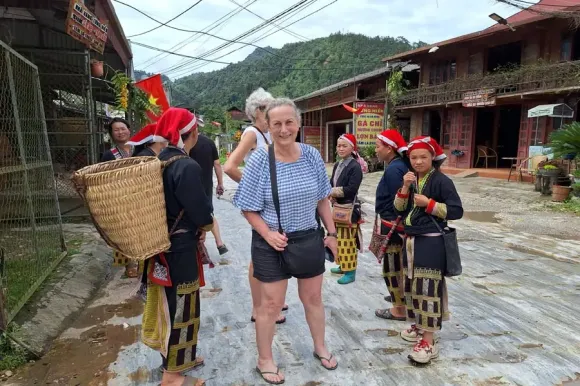
  • Northern Mountains (Ha Giang, Sapa): Road washouts, landslides, and trail closures can occur after downpours
  • Halong Bay: Storms or rough seas often force overnight cruises to pause temporarily
  • Southern Islands (Phu Quoc, Con Dao): Ferry disruptions and reduced water visibility affect snorkeling/diving tours
  • Mekong Delta: Heavy flooding can delay or reroute boat activities, though tours rarely cancel entirely

4. What Should You Do If Your Tour Gets Cancelled?

Stay calm. Tour cancellations are disappointing, but Vietnam offers an incredible range of indoor and alternative experiences. Here’s how to manage the situation:

  • Ask for a reschedule or alternative tour: Many companies offer backup plans such as city tours, cooking classes, or cultural activities
  • Request a refund or credit: Reputable providers often refund canceled tours due to weather—always check their policy in advance
  • Use the day for slow travel: Rainy days are perfect for coffee shop hopping, spa visits, or cultural immersion
  • Talk to your travel agent or hotel: Locals know what’s still accessible and can help find new experiences on short notice
  • Don’t force risky travel: Never push for a tour if safety is compromised—local operators cancel for good reason

5. How to Prepare for Possible Tour Cancellations

Being prepared makes all the difference. Here’s what smart travelers do before and during their trip:

  • Book with flexible tour operators who allow last-minute changes
  • Avoid tightly packed itineraries, especially in regions prone to storms
  • Monitor weather forecasts daily, especially if you're near the coast or in the mountains
  • Buy travel insurance that covers weather-related disruptions
  • Keep copies of tour bookings and cancellation policies, including refund terms
  • Pack a flexible mindset-spontaneity often leads to better, unexpected discoveries

If you’re booking activities in Halong Bay or island areas, especially from August to October, always have a Plan B.

6. Are There Tour Types That Are Weather-Proof?

Yes! If you’re worried about cancellations, focus on experiences that are rarely impacted by weather, including:

  • Street food or cooking classes in Ha Noi and Ho Chi Minh City
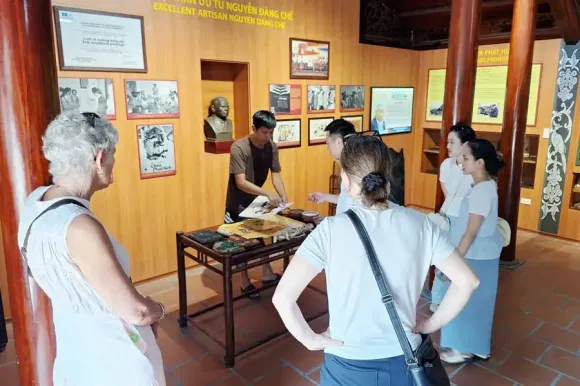
  • Museum tours and historic site visits in the old quarters or cities
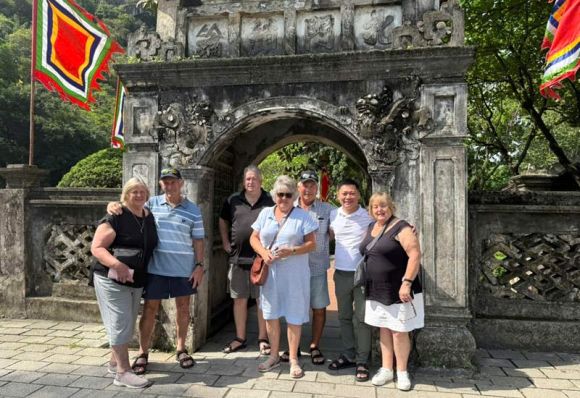
  • Temple tours (e.g. in Ninh Binh) which are typically still accessible
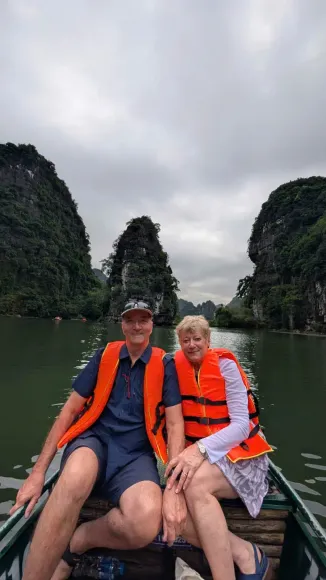
  • Boat rides in Trang An, where light rain actually enhances the atmosphere
  • Cultural shows or traditional music performances
  • Indoor wellness experiences like spas, herbal baths, and tea tastings

Even during stormy days, much of Vietnam continues to function at full rhythm—just at a slower, softer pace.

7. Final Advice for Weather-Aware Travelers in Vietnam

If you're traveling between June and November, remember this:

  • Stay flexible – plans may shift, but Vietnam will still surprise you
  • Trust local guides – they want you to enjoy your trip, safely
  • Plan smart – avoid risky areas during peak typhoon months
  • Embrace the rain – it’s part of the rhythm, not a roadblock
  • Choose backup experiences – cultural tours, food adventures, and spa days are always a win

8. Let Asia Eyes Travel Guide You, Rain or Shine

At Asia Eyes Travel, we understand the seasonal rhythm of Vietnam better than anyone. Whether you're visiting during peak sun or braving the romantic rains, we’re here to craft flexible, enriching journeys that adapt to your needs. From boat cruises to culinary immersions, every detail is designed with care.

Even if your original plan changes, your adventure doesn't have to end. We'll help you turn detours into highlights-maybe even swapping a cruise for one of our signature Halong Bay Cruises & Tours when the skies clear again.
Let us help you travel smarter, not just safer. Reach out to Asia Eyes Travel and begin your journey-with confidence.

Related Tours

Related Posts

Famous Traditional Craft Villages in Hanoi

Some of the best day trip destinations around Hanoi include Ba Vi National Park for refreshing nature escapes, Duong Lam Ancient Village for a glimpse into Vietnam’s rural history, and Bat Trang Pottery Village for a hands-on cultural experience. You can also explore traditional craft villages such as Van Phuc Silk Village, Chuong Conical Hat Village, Dong Ho Painting Village, Chang Son Fan Village, and Phu Vinh Bamboo & Rattan Village to discover Vietnam’s rich artisan heritage. For a peaceful spiritual journey, the famous Huong Pagoda offers a serene retreat surrounded by stunning limestone mountains and natural landscapes.
Read more

Best Time to Visit Sapa

The best time to visit Sapa depends on the experience you're looking for. Renowned as one of Vietnam's premier trekking destinations, Sapa is famous for its breathtaking rice terraces, colourful ethnic villages, and ever-changing mountain weather, where locals often say you can experience "four seasons in a single day." Although this remarkable destination can be visited throughout the year, March to May and September to November generally offer the most comfortable weather for trekking, sightseeing, and photography. Many travellers choose Sapa tours during these months to enjoy the region's spectacular landscapes under ideal weather conditions. In this guide, Asia Eyes Travel shares practical local advice to help you plan your visit, as Sapa remains one of the highlights of many North Vietnam Tours.
Read more

Vietnam Museum of Ethnology

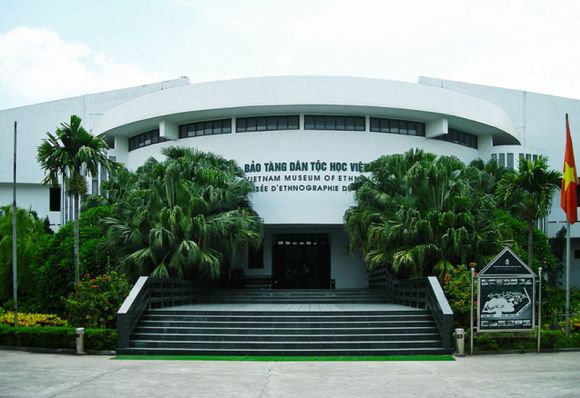
The Vietnam Museum of Ethnology in Hanoi is one of the most fascinating cultural institutions in the country, offering deep insights into Vietnam’s 54 officially recognized ethnic groups. With thoughtful curation and engaging exhibits, the museum brings the nation’s diverse traditions to life. Enriched by perspectives from Asia Eyes Travel DMC Vietnam, your visit becomes even more meaningful as you explore the cultural stories behind each ethnic community. Here are the best things to do when visiting the Vietnam Museum of Ethnology:
Read more

Best of Vietnam in a Week

Planning 7 days in Vietnam can be exciting, but choosing where to go and how much time to spend in each destination can be challenging. Vietnam offers a remarkable mix of historic cities, spectacular landscapes, beaches, local cuisine, and diverse cultures, but its long geography means that traveling between regions can take valuable time. If you have only one week in Vietnam, the best approach is not to try to see everything. A well-planned one-week itinerary should focus on a few destinations that match your interests while keeping travel time realistic. Depending on your priorities, you can explore Northern Vietnam, Central Vietnam, or Southern Vietnam, or combine two regions using domestic flights. For first-time international travelers, including couples, families, honeymooners, and travelers looking for a short cultural holiday, a Vietnam 7-day itinerary can include Hanoi and Ninh Binh, Hanoi and Ha Long Bay, Hoi An and Central Vietnam, or Ho Chi Minh City and the Mekong Delta. With advice from Asia Eyes Travel, you can Contact a local travel expert to create a practical Vietnam travel itinerary based on your travel style, interests, and schedule.
Read more

Visa For US Citizens to Vietnam

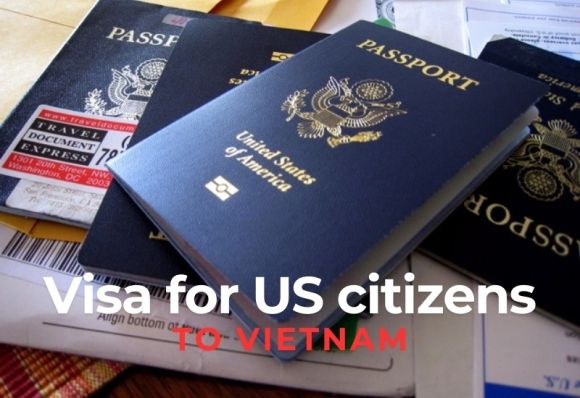
Knowing Vietnam’s travel regulations, especially regarding visas, is crucial before planning your trip. US citizens are required to have a visa to enter Vietnam. Since 1996, American travelers can obtain their Vietnam visa upon arrival at international airports, but it is highly recommended to apply online, at the embassy, or in advance to ensure a smooth entry process. With guidance from Asia Eyes Travel DMC Vietnam, travelers can navigate visa requirements efficiently and avoid delays, making their journey to Vietnam stress-free and enjoyable.
Read more
share
CHAT WITH US