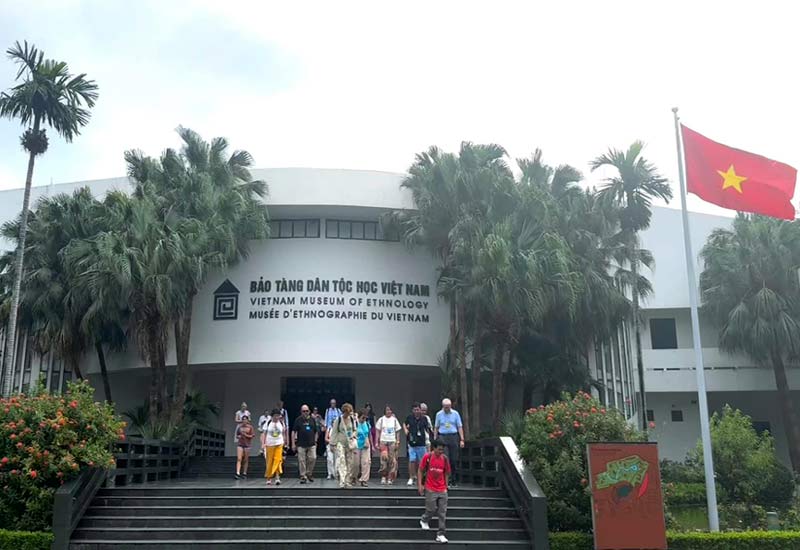
The Vietnam Museum of Ethnology in Hanoi is one of the most fascinating cultural institutions in the country, offering deep insights into Vietnam’s 54 officially recognized ethnic groups. With thoughtful curation and engaging exhibits, the museum brings the nation’s diverse traditions to life. Enriched by perspectives from Asia Eyes Travel DMC Vietnam, your visit becomes even more meaningful as you explore the cultural stories behind each ethnic community. Here are the best things to do when visiting the Vietnam Museum of Ethnology:
Vietnam Museum of Ethnology: The Vietnam Museum of Ethnology is a must-visit for anyone interested in learning about the country’s cultural diversity. Its rich exhibits, beautiful outdoor space, and engaging performances offer a comprehensive look into the unique traditions, art, and history of Vietnam's many ethnic groups, making it one of the most rewarding cultural experiences in Hanoi.

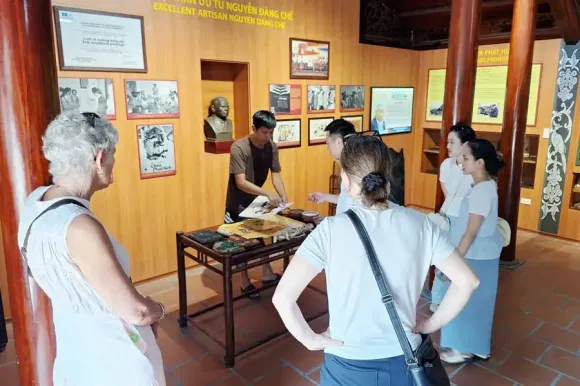
The main building houses exhibits dedicated to the 54 ethnic groups of Vietnam, showcasing their traditional clothing, tools, musical instruments, and everyday objects. The displays are organized by ethnicity, with in-depth information on each group's history, culture, and way of life.
The museum features a vast collection of artifacts such as jewelry, textiles, household items, and ceremonial objects. These items provide insight into the daily lives, religious practices, and art forms of ethnic groups like the Hmong, Tay, Dao, and Ede.
In addition to objects, the museum offers stories about each ethnic group's traditions, beliefs, and societal roles. These narratives make the exhibits more engaging and help you understand the historical and cultural context of the artifacts.
One of the highlights of the museum is the outdoor section, where you can explore full-scale, traditional houses from various ethnic groups. These houses have been carefully reconstructed, including houses of the Tay, Thai, Hmong, Ede, Cham, and Bahnar people. Each structure reflects the unique building techniques, architectural styles, and cultural practices of the respective ethnic group.
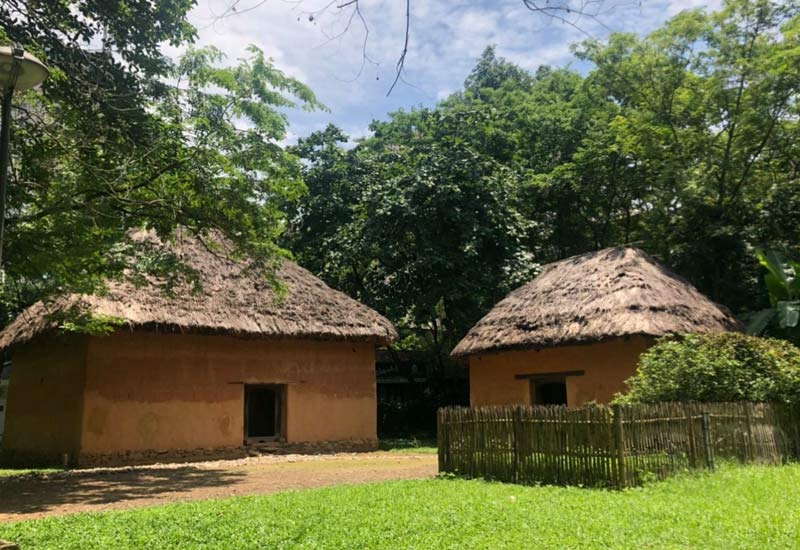
Don't miss the chance to step inside the iconic stilt houses of the Tay and Thai people, or the longhouses of the Ede and Bahnar groups, which were designed to house extended families. Walking through these homes offers a glimpse into how these communities lived in harmony with their natural environments.
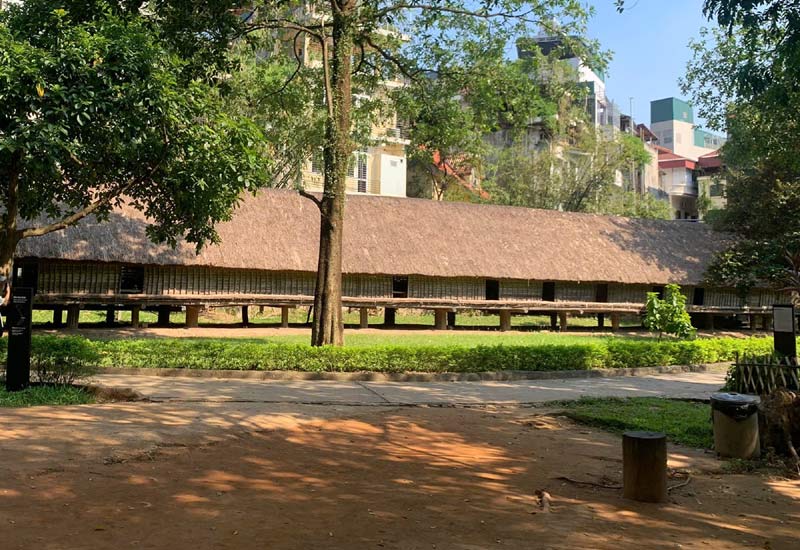
The outdoor area also features communal houses used by villages for meetings and celebrations. The Bahnar communal house, with its towering roof, is particularly striking and is an excellent example of traditional Vietnamese architecture.
Occasionally, the museum organizes live craft demonstrations, where local artisans show traditional weaving, basketry, or pottery-making techniques. These demonstrations provide a hands-on look at how ethnic groups have preserved their cultural heritage through craftsmanship.
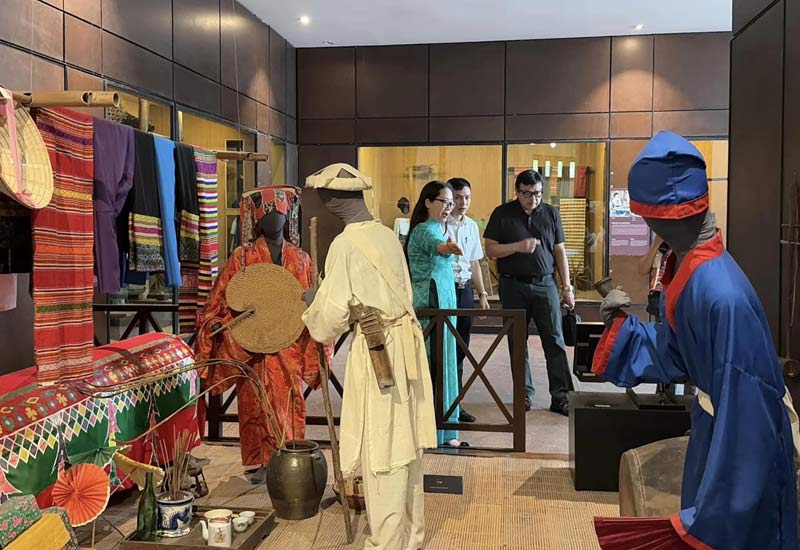
The museum features intricate handicrafts from various ethnic communities, including textiles, wood carvings, and metalwork. You’ll learn about the significance of these crafts in everyday life, as well as in rituals and ceremonies.
On special occasions and weekends, the museum hosts live traditional music and dance performances. You can enjoy performances featuring instruments like the dan bau (monochord), gongs, and flutes, as well as traditional dances from ethnic groups like the Muong and Cham.
During certain festivals or cultural events, you might witness ethnic groups performing their ceremonial rituals or folk dances, adding a lively and colorful element to your visit.
While the museum primarily focuses on Vietnam's ethnic groups, it also offers exhibits on Southeast Asian cultures. You can learn about the cultural similarities and differences between Vietnam and neighboring countries like Laos, Thailand, Indonesia, and Myanmar through artifacts, clothing, and art from the region. This section highlights how trade, migration, and shared traditions have influenced the region’s cultures, creating a deeper appreciation for the diversity of Southeast Asia as a whole.
The museum offers guided tours in various languages, providing valuable insights into the history and significance of the exhibits. A guide can help explain the deeper meanings behind cultural artifacts and share stories about Vietnam’s ethnic minorities.
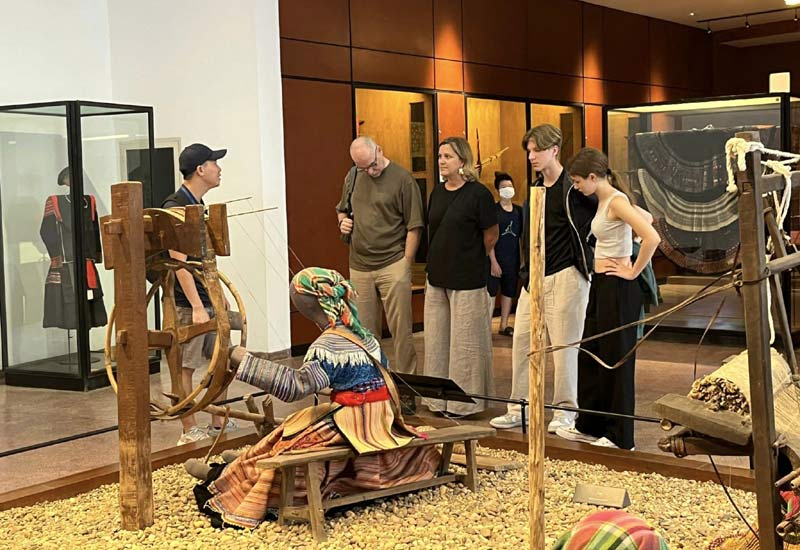
If you prefer exploring at your own pace, the museum offers audio guides that cover the major exhibits. These guides provide in-depth commentary and are available in multiple languages.
Throughout the museum, documentary films are shown to provide context for the exhibits. These films often focus on the daily lives, rituals, and customs of Vietnam’s ethnic groups. Watching a short film before or after exploring an exhibit can enrich your understanding of the culture.
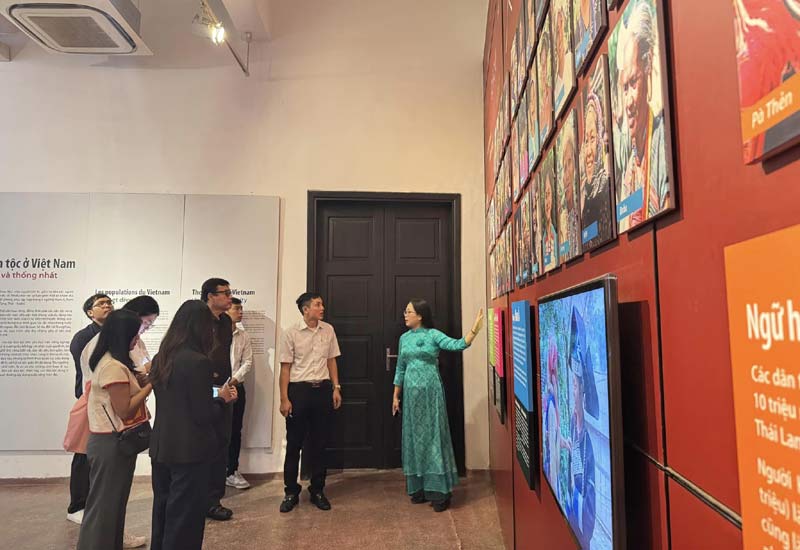
Some films focus on specific aspects of ethnic life, such as weddings, funeral rites, or agricultural practices. These detailed documentaries help visitors appreciate the cultural depth and diversity of Vietnam.
The museum’s gift shop offers a selection of authentic products crafted by ethnic minorities, such as handmade textiles, woven baskets, and traditional jewelry. Purchasing these items supports the local artisans and helps preserve traditional crafts. The shop also has a variety of books and materials on Vietnamese ethnology, history, and culture, making it a great place to pick up resources for further reading.
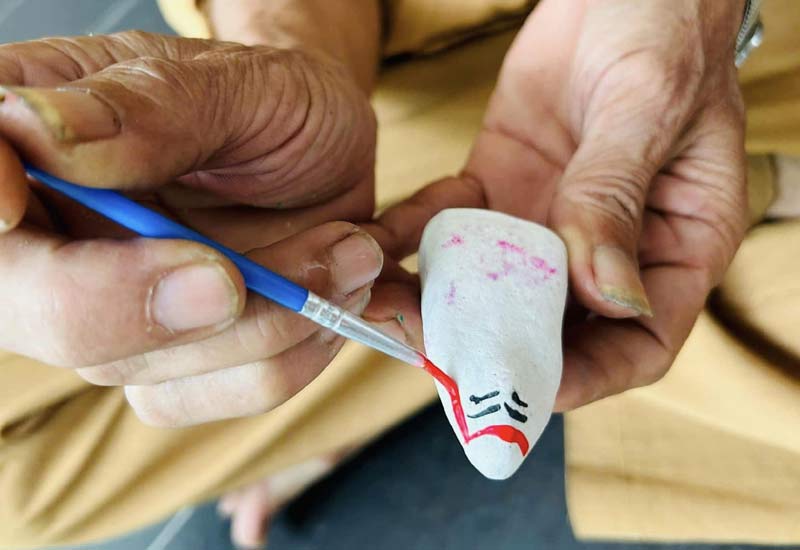
The museum frequently organizes workshops on traditional crafts, music, and dance. Visitors can participate in activities like weaving, paper-making, or pottery to gain hands-on experience in ethnic Vietnamese craftsmanship. If you visit during a local or national holiday, you may have the opportunity to participate in or observe traditional festival activities, including folk games, performances, and cultural ceremonies.
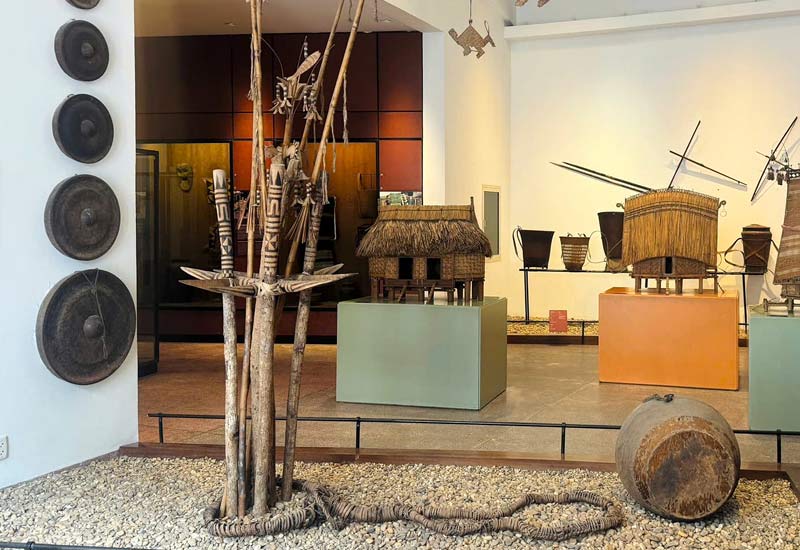
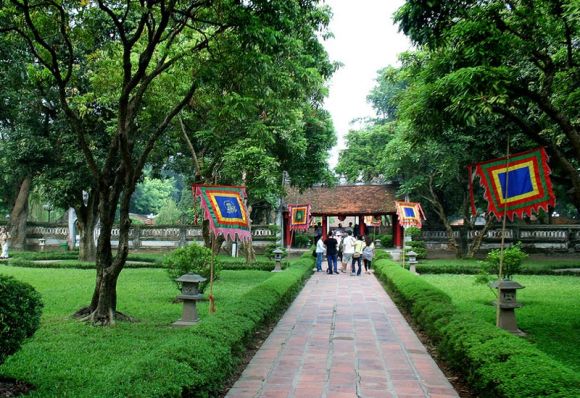
The museum’s outdoor spaces are beautifully landscaped with lush gardens and peaceful walkways. After exploring the exhibits, you can relax in the serene surroundings, perhaps near the ponds or traditional Vietnamese waterwheels.
There are areas where visitors can sit and have a picnic, making the museum a pleasant place to spend a few hours unwinding and reflecting on the cultural richness of Vietnam.
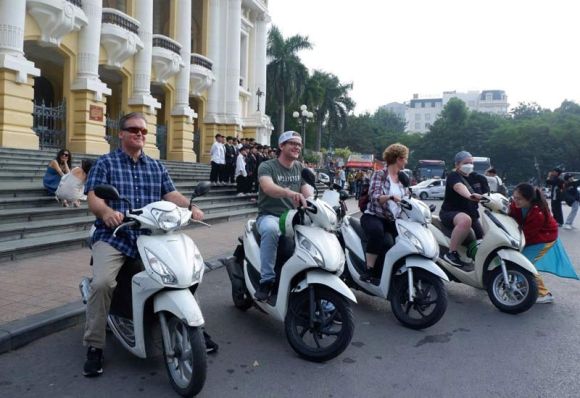
Discover the rich cultural mosaic of Vietnam at the Vietnam Museum of Ethnology, one of Hanoi’s most insightful and educational attractions. With Asia Eyes Travel DMC Vietnam, you can explore the museum’s exhibits, outdoor village models, and traditional houses with deeper context and convenience. Enhance your cultural journey by pairing your visit with an authentic Hanoi Street Food Tour, giving you the perfect blend of heritage, tradition, and local flavors during your stay in the capital.
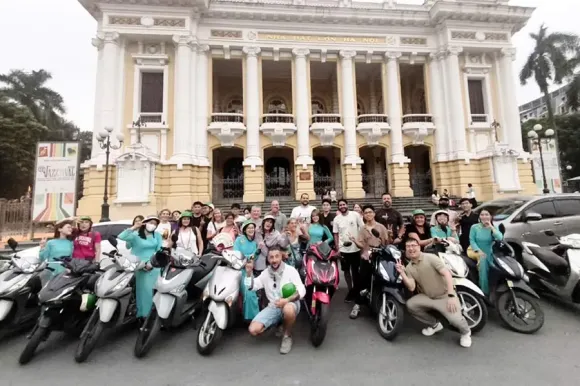
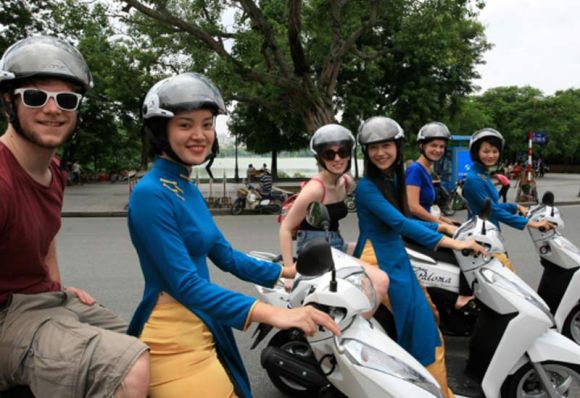
Hanoi Night Lights and Food Tour by Scooter with Female Drivers
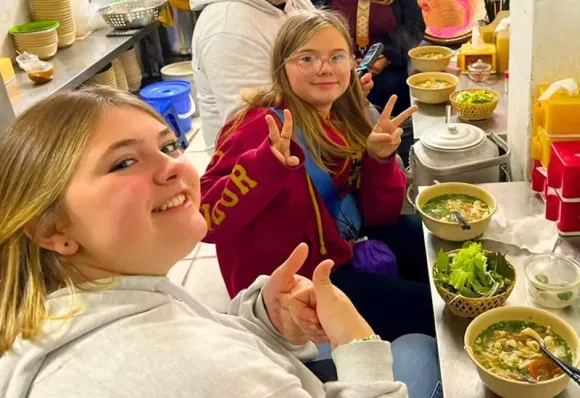
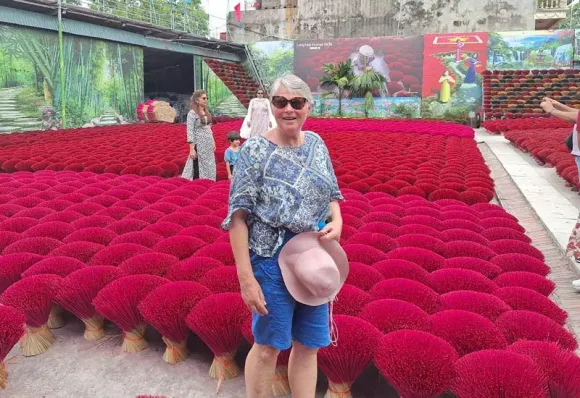
Hanoi Rural Craft Villages Tour
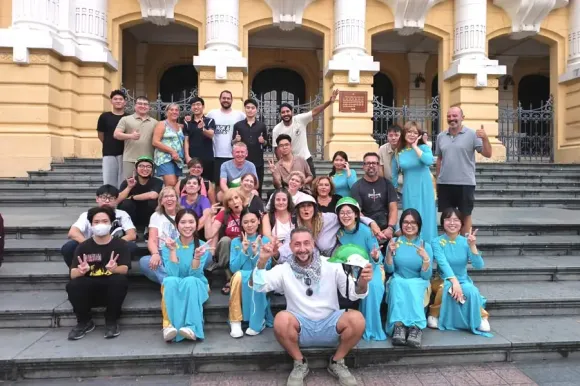
Hanoi Fabulous Food and Sights Tour by Scooter