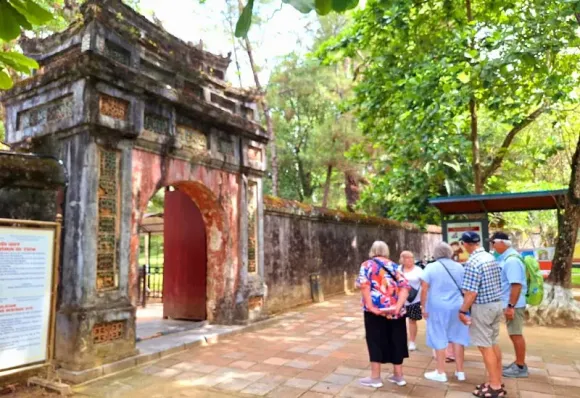
Planning to spend 2 days in Hue City? This itinerary is designed for travelers who want to experience the city's imperial heritage, royal tombs, traditional crafts, and local culture at a comfortable pace.
Over two days, you can visit the most important historical sites of Hue, including the Hue Imperial City, Tu Duc Tomb, Khai Dinh Tomb, and Minh Mang Tomb, followed by a cultural journey through traditional craft villages on the second day.
The first day of your 2-day Hue itinerary focuses on the city's imperial heritage and the history of the Nguyen Dynasty. The best way to explore these attractions is by private car, as the Hue Imperial City and royal tombs are located in different parts of the city and surrounding countryside.
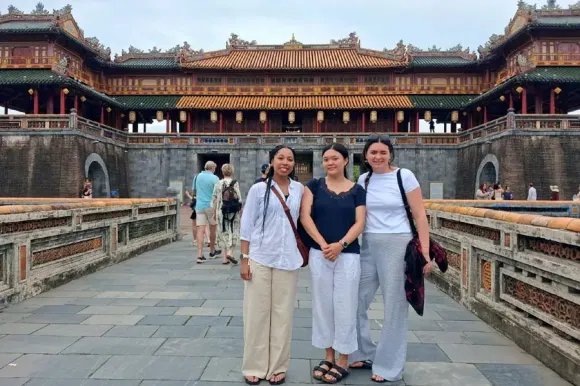
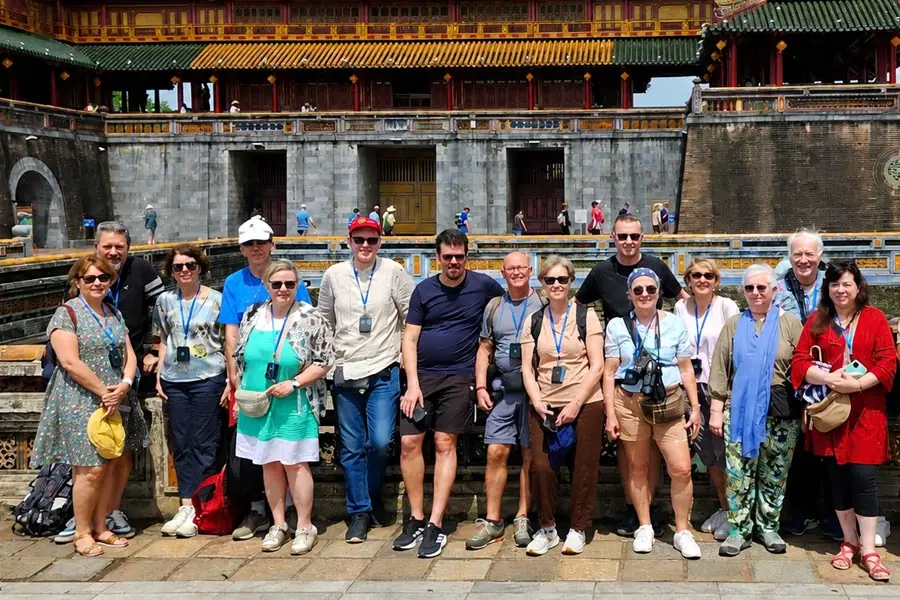
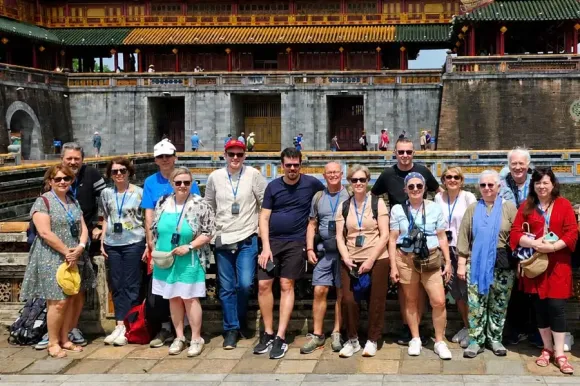
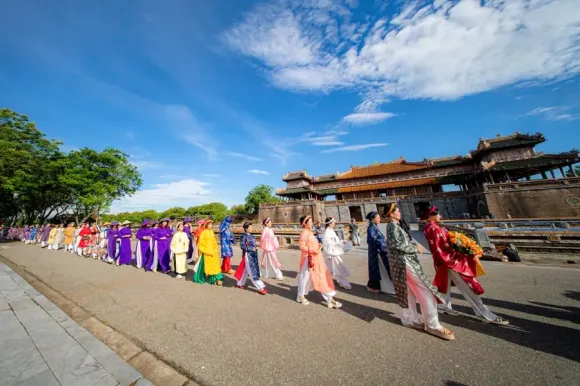
Start your morning at the Hue Imperial City, the former political and cultural center of the Nguyen Dynasty.
Walk through the historic gates and courtyards to see important landmarks such as the Noon Gate, Thai Hoa Palace, royal temples, and the remains of the Forbidden Purple City.
Allow around 2–3 hours to explore the Imperial City at a comfortable pace.
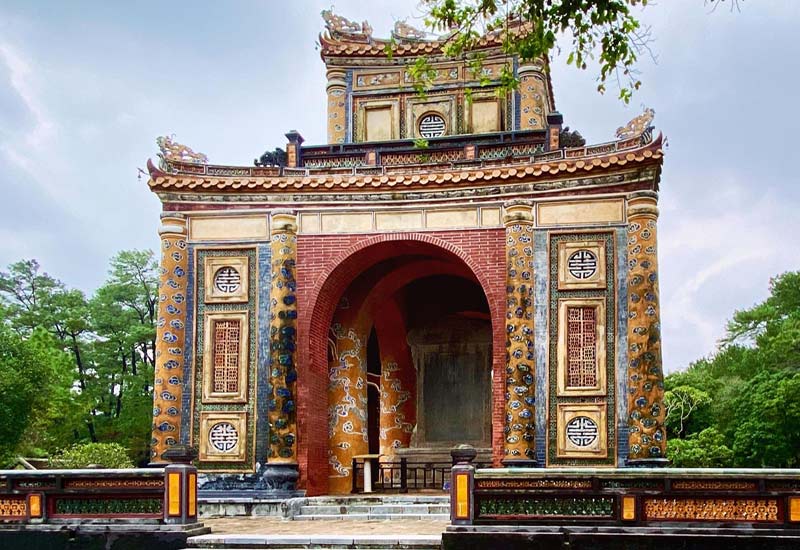
Continue to Tu Duc Tomb, one of the most peaceful and picturesque royal tombs in Hue.
The complex features traditional Vietnamese architecture, gardens, pavilions, a lake, and temples surrounded by trees. The peaceful setting reflects Emperor Tu Duc's appreciation of poetry, nature, and architecture.
Tu Duc Tomb is an excellent place to learn more about the history of the Nguyen Dynasty while enjoying a quieter atmosphere away from the city center.
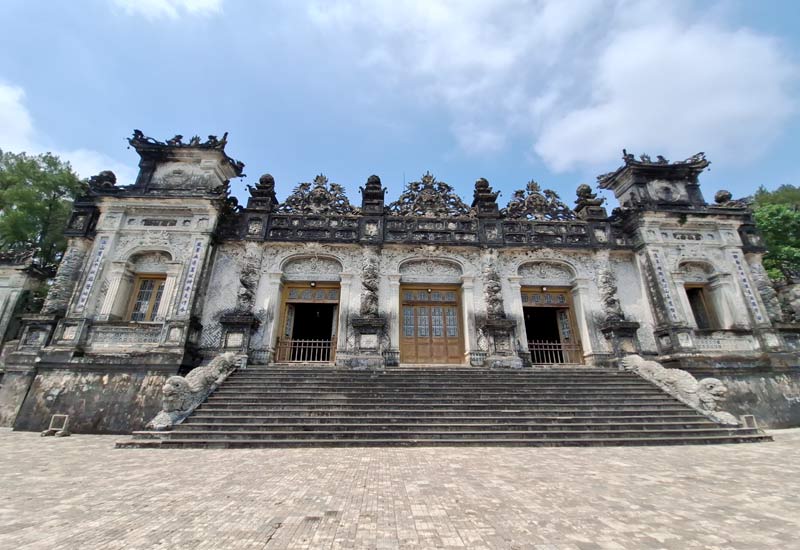
Next, visit Khai Dinh Tomb, which has a very different architectural style from Tu Duc Tomb.
Built on a hillside, the tomb features elaborate decorations, stone sculptures, ceramic mosaics, and a combination of Vietnamese and European architectural influences.
The interior of the main building is particularly notable for its detailed decorations and colorful artwork.
If your schedule allows, continue to Minh Mang Tomb, another important royal tomb of the Nguyen Dynasty.
The complex is known for its symmetrical layout, traditional Vietnamese architecture, landscaped gardens, lakes, and peaceful natural surroundings.
Together, Tu Duc, Khai Dinh, and Minh Mang Tombs provide a good overview of the different architectural styles and historical periods of the Nguyen emperors.
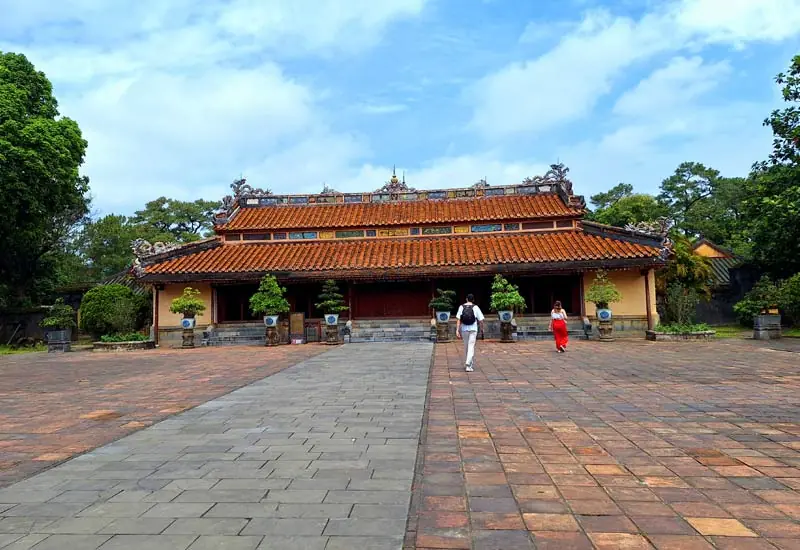
The second day of your 2-day Hue itinerary focuses on traditional craft villages, local culture, and the flavors of Hue street food.
After exploring Hue's imperial heritage and royal tombs on Day 1, Day 2 takes you beyond the city center to discover local artisans, traditional handicrafts, peaceful countryside, and some of the most popular local dishes in Hue.
Combining traditional craft villages with Hue street food offers a different way to experience the daily life, local traditions, and cultural heritage of Central Vietnam.
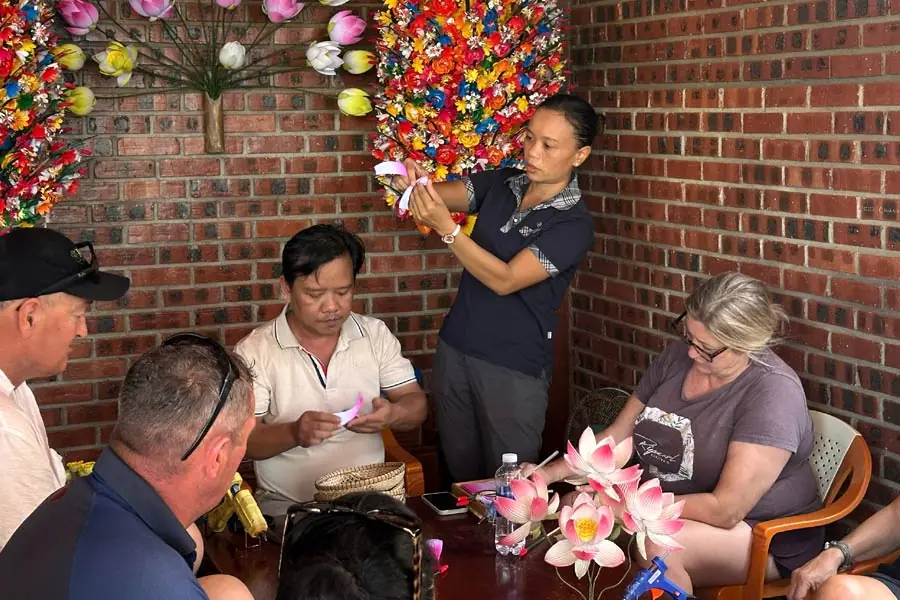
Start your morning with a visit to Thanh Tien Village, famous for its traditional handmade paper flowers.
Local artisans create colorful flowers from paper and bamboo using techniques that have been passed down through generations. The flowers are closely connected with local cultural and religious traditions.
A visit to Thanh Tien Village gives you an opportunity to see how these handmade crafts are produced and learn more about their cultural significance.
Continue to Sinh Village, also known as Lai An Village, which is famous for traditional Vietnamese folk paintings.
The village has a long history of producing handmade woodblock prints. Traditional paintings often feature cultural themes, daily life, animals, and religious subjects.
Visitors can learn about the traditional process of preparing wooden blocks, applying colors, and creating handmade prints.
Depending on your interests and schedule, continue to Phuoc Tich Ancient Village, a historic village known for its traditional architecture, old houses, gardens, and pottery traditions.
Walking through the village provides an opportunity to experience a quieter side of Hue and see how traditional houses and local communities have been preserved.
The peaceful countryside scenery makes Phuoc Tich an ideal place to slow down and enjoy the rural atmosphere of Central Vietnam.
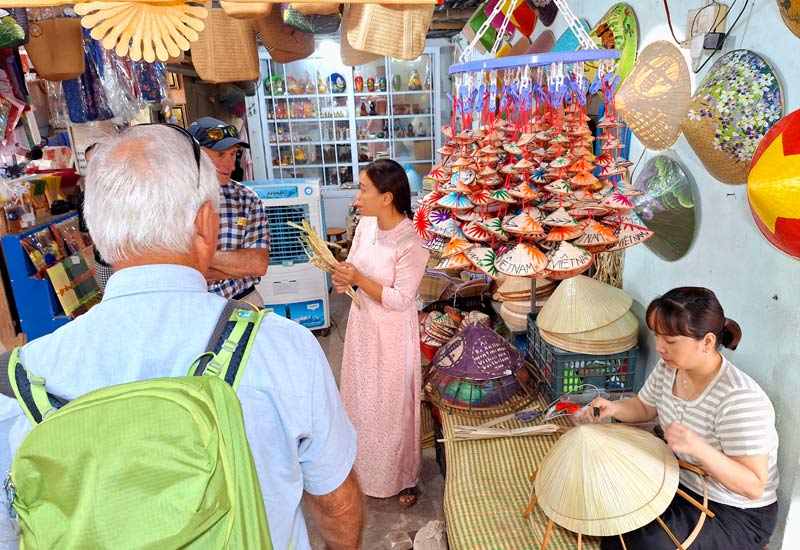
Hue is home to many traditional handicrafts that reflect the city's rich culture and everyday life. Depending on the season, visitors can discover handmade paper flowers, folk paintings, pottery, incense making, conical hats, and traditional food production. Visiting local workshops provides an opportunity to see artisans at work and learn about traditional techniques passed down through generations. A local guide can introduce the history and cultural meaning of each craft while helping you connect with local artisans and experience the authentic lifestyle of Hue's traditional craft villages.
Contact us for more details about Hue Countryside Tours, traditional craft village experiences, tour options, and personalized itineraries.
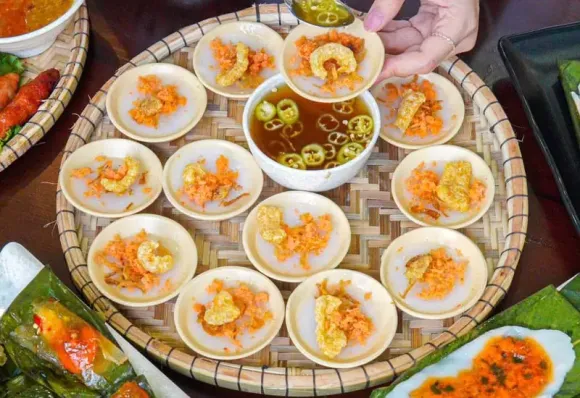
No 2-day trip to Hue is complete without trying the city's famous street food. Hue cuisine is known for its distinctive flavors, affordable local dishes, and strong connection to traditional Central Vietnamese culture.
Popular dishes include Bun Bo Hue, Banh Beo, Banh Nam, Banh Loc, Banh Khoai, Nem Lui, and Com Hen. Each dish offers a unique taste of Hue, from spicy beef noodle soup and steamed rice cakes to grilled pork skewers and flavorful local rice dishes.
A Hue street food tour is a great way to sample several local specialties while visiting local markets, family-run food stalls, and traditional restaurants with a local guide.
Contact us for more details about Hue Street Food Tours, tour options, prices, and special offers.

If you are planning to explore Hue or looking for Hue City Tours, Asia Eyes Travel can help you create the right itinerary for your trip. We offer private and small group tours covering Hue, Hoi An, Da Nang, and other destinations with Central Vietnam Tours. Contact us for more information, tour options, the latest prices, special offers, and a free quotation based on your travel dates and preferences.
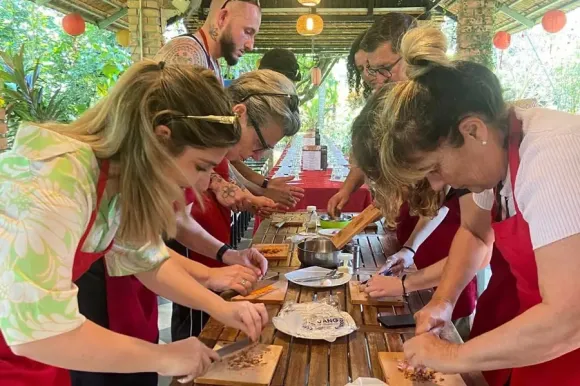
Hue Cooking Class in Thuy Bieu Village Half Day Tour
Discover Hue with Ao Dai Experience