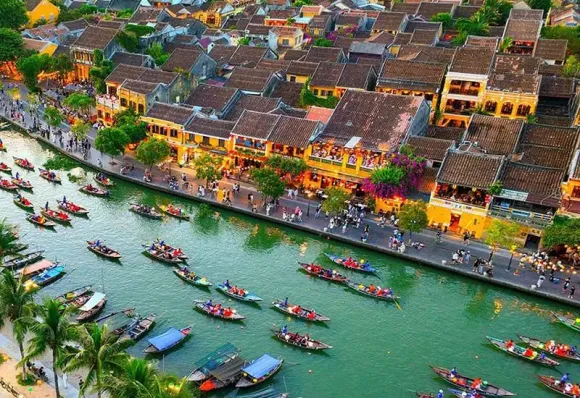
My Son Sanctuary is one of the most remarkable historical sites in Central Vietnam and an important destination for travelers interested in ancient civilizations, architecture, and cultural heritage. Set in a peaceful valley surrounded by green mountains and forest, the site preserves the remains of the ancient Cham civilization, including impressive brick temples and towers built centuries ago.
Recognized by UNESCO as a World Heritage Site in 1999, My Son offers a fascinating insight into Cham architecture, Hindu beliefs, religious traditions, and the history of Central Vietnam. Located about 40 km from Hoi An, the sanctuary usually takes around 1–1.5 hours by car, making it a convenient half-day excursion. It is a popular addition to Hoi An Tours, especially for travelers looking for a cultural experience beyond the Ancient Town. With advice from Asia Eyes Travel DMC Vietnam, Contact us to plan your visit and make the most of your time in Hoi An.
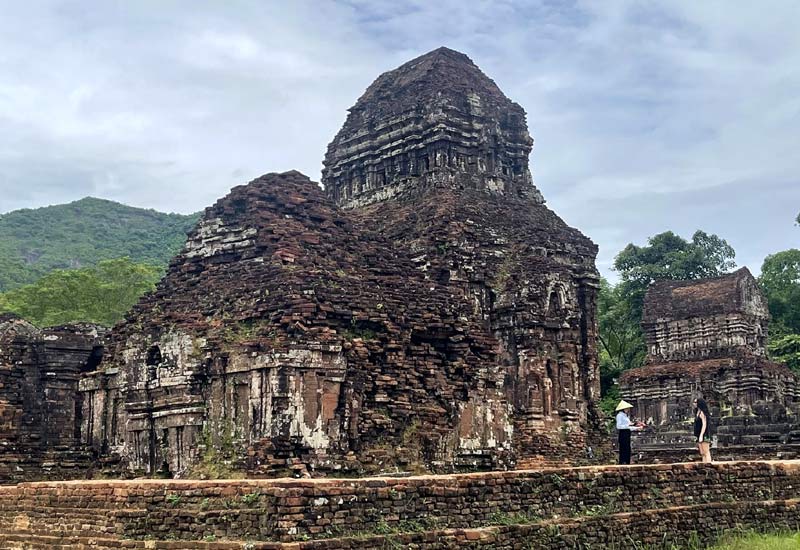
My Son Sanctuary is an ancient complex of Hindu temples built by the Champa Kingdom between the 4th and 13th centuries. The temples were dedicated mainly to Hindu deities, particularly Shiva, who was worshipped by the Cham people.
The sanctuary once served as an important religious and cultural center of the Champa Kingdom. Today, visitors can explore the remaining brick temples, towers, sculptures, and archaeological structures scattered throughout a beautiful green valley.
The site provides an important connection between Vietnam’s history and the wider cultural influences of Southeast Asia and the Indian subcontinent.

My Son Sanctuary Tours
UNESCO recognizes My Son because of its outstanding cultural and historical importance. The sanctuary represents the development of Cham architecture and culture over many centuries and demonstrates the influence of Hinduism on the Champa civilization.
The temple structures are particularly remarkable for their brick construction, decorative carvings, sculptures, and architectural techniques. Despite centuries of weathering and damage, many surviving structures still reveal the sophistication of Cham builders and artists.
For travelers visiting Central Vietnam, My Son is more than an archaeological attraction—it is an opportunity to understand an important part of Vietnam’s multicultural heritage.
The history of My Son dates back to the 4th century, when the Champa Kingdom began constructing religious buildings in the valley. Over the following centuries, successive Cham kings expanded and rebuilt the sanctuary.
The complex originally contained numerous towers and temples arranged into different groups. These structures were used for religious ceremonies and worship and played an important role in the spiritual life of the Cham royal family.
Over time, the sanctuary was abandoned and became hidden beneath dense vegetation. It was rediscovered by French archaeologists in the late 19th century.
Today, ongoing conservation efforts aim to protect the remaining structures and preserve My Son for future generations.
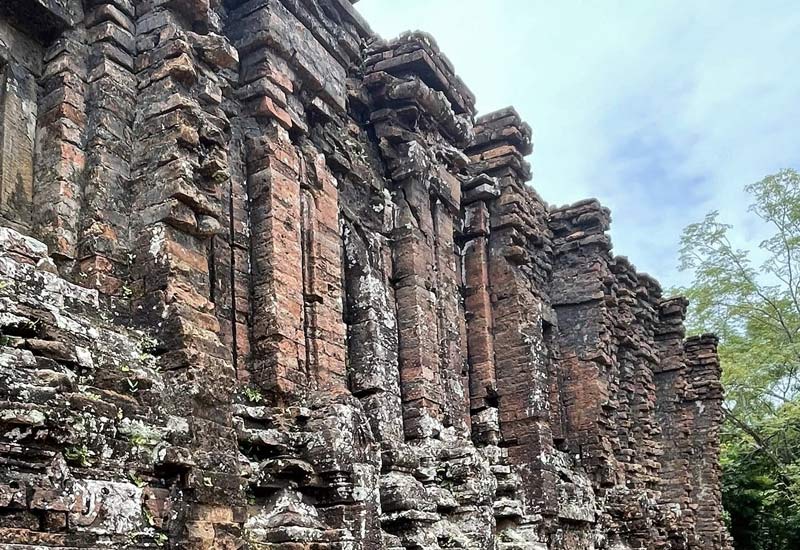
One of the most impressive aspects of My Son Sanctuary Vietnam is its distinctive brick architecture.
The Cham builders constructed their temples primarily from fired bricks and used sophisticated techniques to create tall towers with detailed decorative elements. Many buildings feature sculptures and carvings representing Hindu gods, religious symbols, animals, and mythological figures.
The architectural style reflects strong Indian religious influences while maintaining distinctive characteristics of Cham culture.
Walking between the ancient towers allows visitors to appreciate the craftsmanship and religious significance of the site while enjoying the surrounding mountain scenery.
The best time to visit My Son Sanctuary is generally during the dry and relatively cooler months of Central Vietnam, although the site can be visited throughout the year.
For a more comfortable experience, consider visiting early in the morning. The combination of cooler temperatures, softer morning light, and fewer visitors can make exploring the temple complex more enjoyable.
During the rainy season, visitors should be prepared for occasional heavy showers and slippery paths.
Exploring My Son Sanctuary - UNESCO World Heritage Centre with a private local guide allows you to understand much more than what you can see from the temple ruins alone. From the history of the Champa Kingdom and Hindu architecture to traditional Cham culture, every part of the sanctuary tells a story.
For a private and customized My Son Sanctuary Tour from Hoi An, contact Asia Eyes Travel DMC Vietnam for itinerary details, transportation options, and personalized travel arrangements. You can reach us at info@asiaeyestravel.com or via WhatsApp +84 935 946 688.
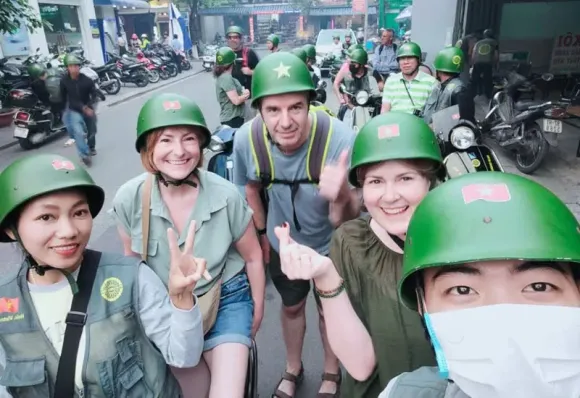
Discover the Hoi An Countryside by Vespa