Traveling to Vietnam during the rainy or typhoon season can be safe and enjoyable with the right knowledge and planning. This guide explains the real risks travelers may face, how weather patterns vary by region, and what precautions to take during the wettest months. You’ll also learn which destinations remain ideal and which areas are best avoided at certain times. Curated by Asia Eyes Travel DMC Vietnam, this resource supports informed Vietnam travel planning and flexible Vietnam tours, helping travelers stay safe, confident, and prepared while exploring Vietnam-even in challenging weather conditions.
The thought of traveling to Vietnam during the rainy or typhoon season might conjure images of endless storms, flooded streets, or disrupted travel plans. But is it really that bad-or could it be the perfect time for an off-the-beaten-path adventure?
The truth lies somewhere in between. With the right planning, awareness, and flexibility, traveling to Vietnam during the rainy or typhoon season can still be safe, enriching, and even surprisingly pleasant. In fact, it often offers benefits like fewer tourists, lush landscapes, and unique local experiences.
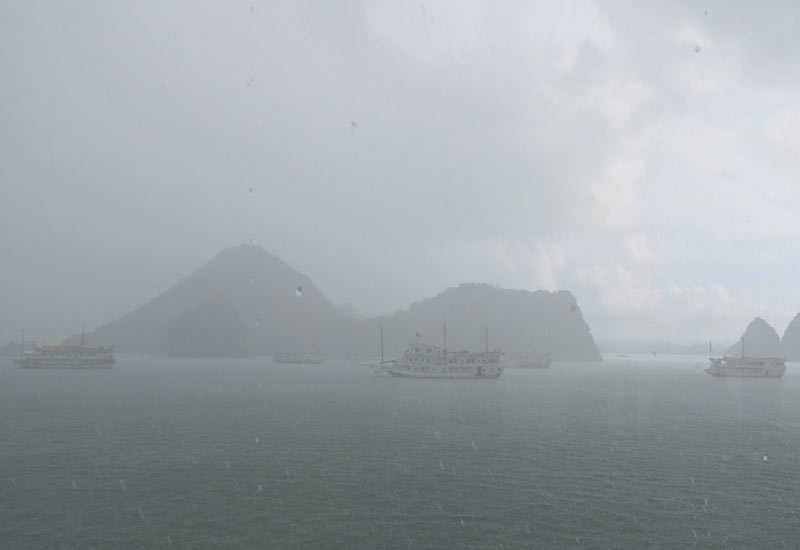
Vietnam’s weather is regionally diverse, so rainy and typhoon seasons affect each area differently. Here's a quick breakdown:
Rainy season: May to September
Occasional tropical storms, especially July to August.
Rainy season: September to December
Most prone to typhoons (especially October–November).
Rainy season: May to October
Heavy but short afternoon rains, minimal typhoon impact.
Typhoons in Vietnam usually affect the central coast and northern parts. However, the country’s infrastructure and weather tracking systems have improved dramatically in recent years. Warnings are issued early, and locals are well-prepared for such weather patterns.
Most typhoons only last a day or two and can often be avoided by simply adjusting your itinerary or moving inland.
In most cases, yes-it is safe. But with some conditions:
Despite some limitations, the rainy season offers several advantages:
Hotels, flights, and even tours tend to be cheaper. You'll enjoy more space at popular attractions without the peak-season crowds.
Rice paddies are at their most vibrant. Mountain valleys in Sapa or Ninh Binh look ethereal under mist and rain.
When the tourist rush slows down, locals have more time to engage. You'll often have more meaningful interactions and less commercialized experiences.
Rain adds mood and depth to your travel photos—especially in lantern-lit Hoi An or the cloud-covered highlands of Ha Giang.
While the rainy season isn’t constant doom and gloom, it's important to be aware of the risks:
Tip: Travel insurance is highly recommended during this season.
Absolutely-if you know what to expect.
Vietnam doesn’t shut down in the rain. Life continues. Streets buzz, coffee brews, vendors smile under umbrellas. Rain is a part of daily life, not a disruption. In many ways, traveling during the wet season offers a more authentic, immersive view into Vietnam’s culture and rhythm.
Plus, when the skies clear-and they often do-you’ll be treated to breathtaking scenery few others get to see.
Worried about weather? Don’t be. Our expert local team knows exactly how to create memorable itineraries, even during rainy months. Whether you're craving misty mountains, vibrant cities, or tranquil coastlines, we tailor each experience around your comfort and safety. Discover how a thoughtfully designed Vietnam Tour Package can turn unpredictable skies into unforgettable adventures.

Ultimate 15-Day Vietnam Tour Itinerary
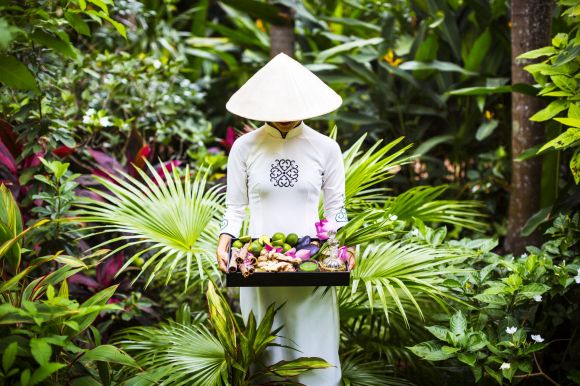
Unforgettable 16-Day Vietnam Travel Experience
Vietnam and Cambodia Heritage Journey 12 Days

Explore North and Central Vietnam 10 Days