


Hue Travel Guide
Imperial Heritage, Royal Cuisine & Riverside Experiences
- Home /
- Blog /
- Vietnam Travel Guide /
- Hue City, Vietnam /
- Hue Travel Guide
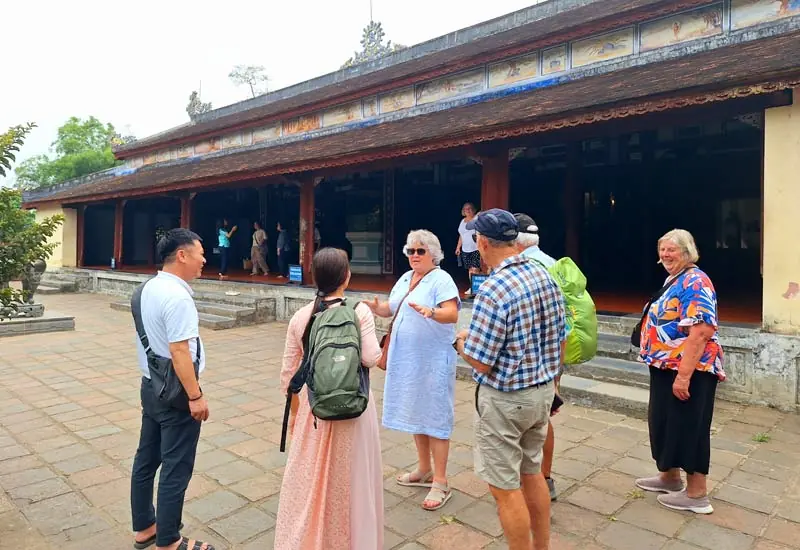
Sitting on the banks of the Perfume River in central Vietnam, roughly halfway between Hanoi and Ho Chi Minh City, Hue was the seat of the Nguyen Dynasty and the country's imperial capital for close to 150 years. Today it's a UNESCO World Heritage city of walled palaces, royal tombs, and riverside pagodas, wrapped in a slow, refined atmosphere you won't find in Vietnam's bigger cities. Most Hue tours with Asia Eyes Travel start with a morning inside the Hue Imperial City and end with a sunset dragon boat ride - a simple pairing that captures why Hue travel stays with people long after they leave.
Hue offers a perfect blend of imperial history, spiritual landmarks, scenic rivers, and authentic local culture. Most of the city's top attractions are located within a short distance of one another, making it easy to explore even during a two- or three-day visit. Whether you're passionate about history, architecture, Hue street food, or photography, these are the best things to do in Hue for first-time visitors.
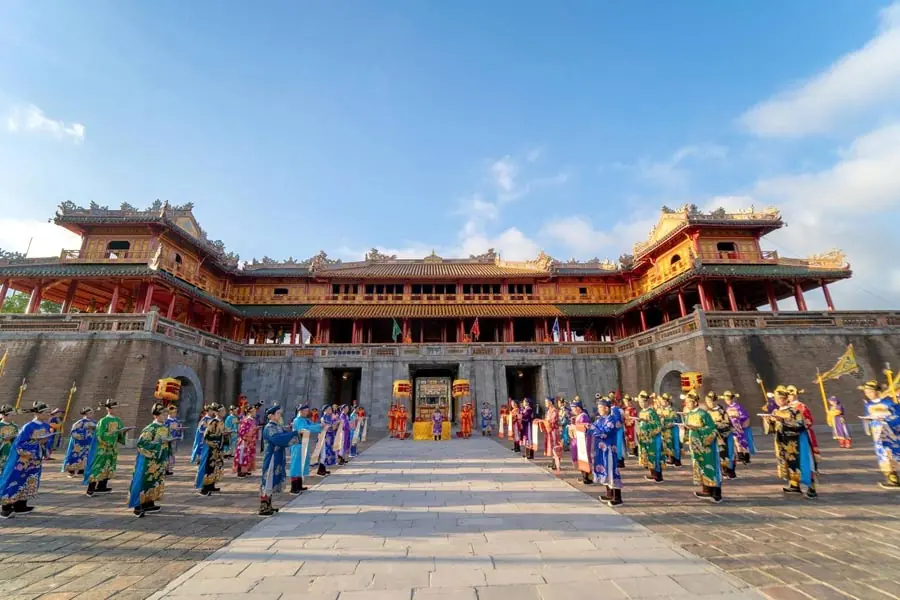
Hue Imperial City is the walled citadel where the Nguyen emperors ruled Vietnam from 1802 to 1945 and remains at the heart of any visit to Hue. Behind its moat and stone ramparts, you can explore Ngo Mon Gate, Thai Hoa Palace, royal theaters and the Forbidden Purple City, once reserved for the imperial family. Although much of the complex suffered heavy damage during the war, extensive restoration has brought many important areas back to life. Tickets cost 200,000 VND for adults and 40,000 VND for children aged 7–12. Allow around two to three hours to explore the site, and consider arriving early to avoid the midday heat.
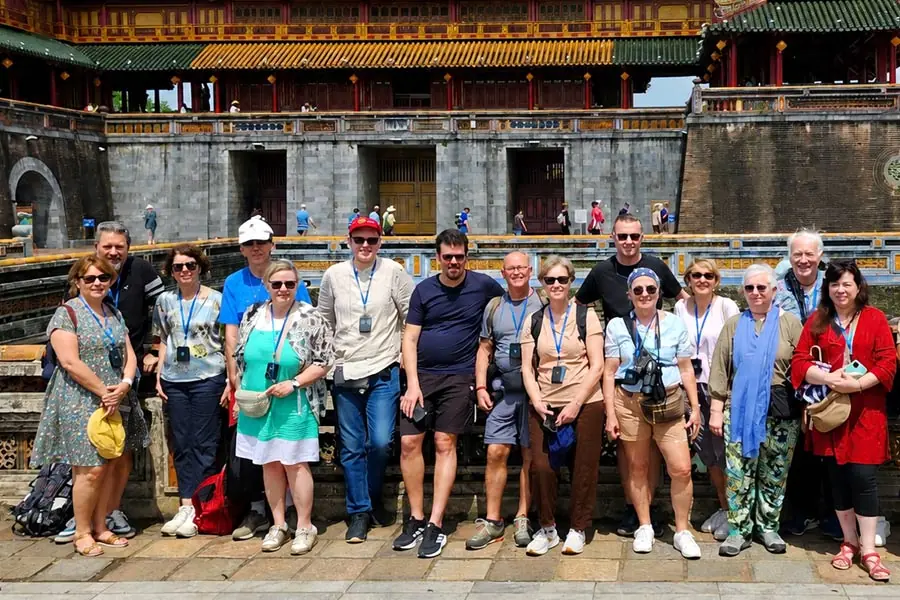
Set in pine forest and hills south of the city, the royal tombs are arguably more atmospheric than the citadel itself. Minh Mang Tomb is symmetrical and serene among lakes and courtyards. Tu Duc Tomb feels like a private garden retreat, built as a residence long before it became a burial site. Khai Dinh Tomb is the outlier, a dramatic French-Vietnamese hybrid with a mosaic-covered interior. Each costs 150,000 VND, or take the 4-site combo with the Imperial City for 530,000 VND. Budget half a day.
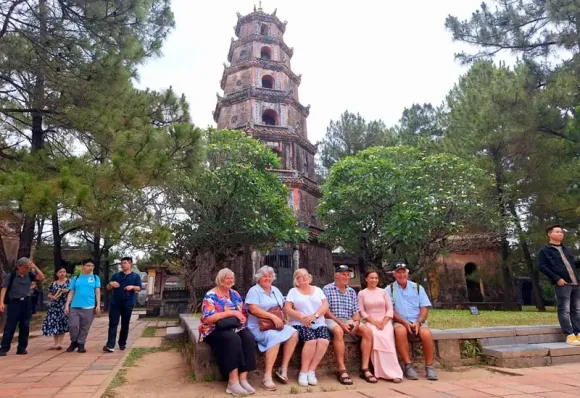
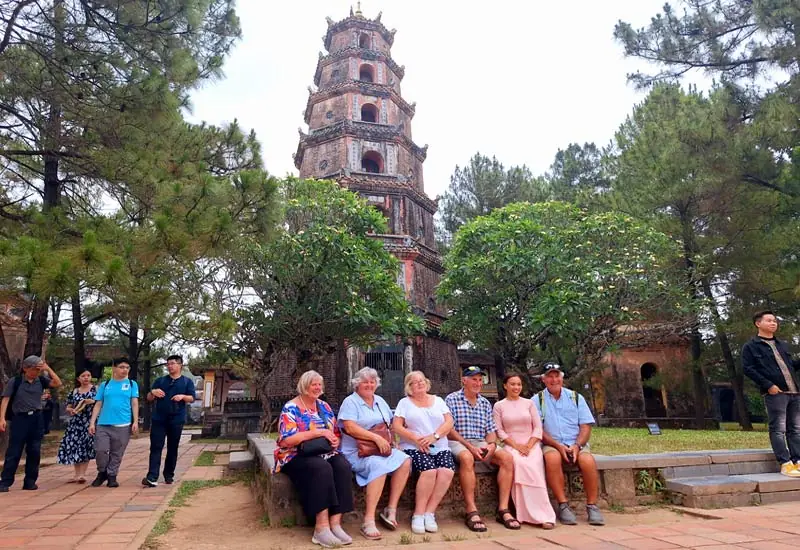
Rising above the Perfume River on Ha Khe hill, Thien Mu Pagoda is the oldest and most photographed pagoda in Hue, founded in 1601. Its seven-tiered Phuoc Duyen Tower has become the unofficial symbol of the city. Behind the main shrine sits the blue Austin car that carried monk Thich Quang Duc to Saigon in 1963, a quietly powerful piece of history. Entry is free and a visit takes around 45 minutes. Arriving by boat rather than road makes the approach far more memorable.
The Perfume River curves through the heart of Hue and links most of its landmarks. A traditional dragon boat cruise upstream toward Thien Mu Pagoda is best in late afternoon, when the light softens over the water and the banks turn gold. Shared boat trips cost around 150,000 VND per person, while a private dragon boat runs about 550,000-850,000 VND per hour depending on size. Evening cruises with live ca Hue folk music add a traditional touch to the experience.
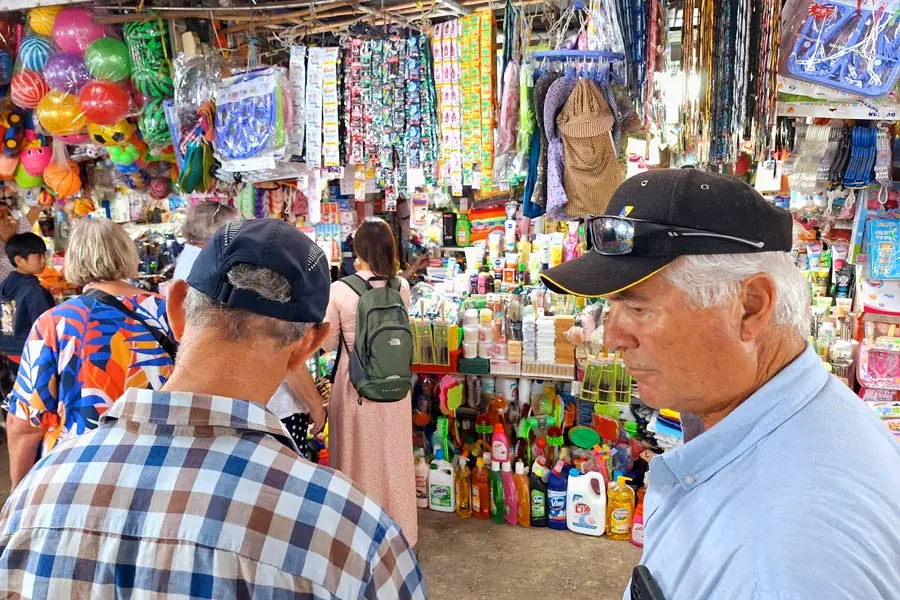
On the northern bank of the river, Dong Ba Market has been Hue's main trading hub since 1899 and remains a dense, noisy sprawl of everyday life. It opens daily from around 6:00 AM to 7:00 PM, with wholesale vendors arriving as early as 4:00 AM, and entry is free. Stalls sell conical hats, silk, dried spices, and Hue specialties like shrimp paste and sesame candy, while the downstairs food court is the cheapest place in town to try bun bo Hue. Allow about an hour.
One of Vietnam's great coastal drives begins just south of Hue. Hai Van Pass climbs through forested mountains to a war-era bunker at the summit, opening up sweeping views over Lang Co Beach and the East Sea before descending toward Da Nang. Travelers cross by motorbike, private car, or as part of a transfer to Hoi An, turning a simple journey into a highlight of the trip. Allow half a day with photo stops, and check the weather before setting out.
For travelers drawn to modern history, the former Demilitarized Zone lies about two hours north of Hue and makes a powerful full-day trip. The route typically covers the Ben Hai River that once split the country in two, the Khe Sanh Combat Base, and the Vinh Moc Tunnels, where an entire coastal village lived underground for years to survive bombing raids. Walking the narrow tunnel network, complete with family chambers and a maternity room, leaves a far stronger impression than any museum.
Most travelers come to Hue for its history and leave without realizing the coast is only 30 minutes away. These two beaches make the easiest escape from the city heat.
The closest beach to the city, about 15 kilometers northeast and reachable in under 30 minutes by taxi or motorbike. Thuan An has soft sand, gentle waves, and a row of simple seafood shacks serving grilled squid, clams, and cold beer right on the shore. It gets busy with local families on weekend afternoons, which is part of its charm. There's no entrance fee, though beach chairs cost a small amount. It works best as a late-afternoon trip when the sun eases off.
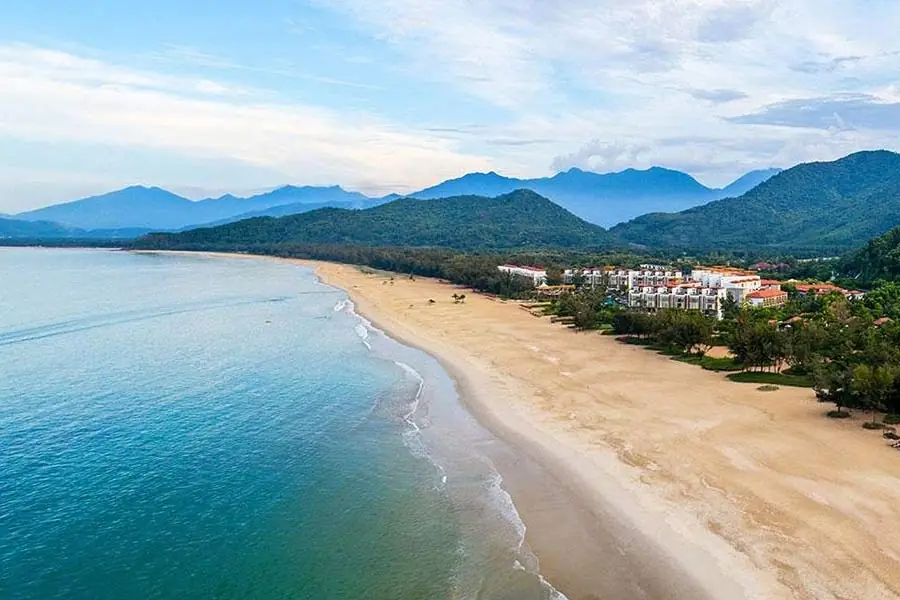
An hour south of Hue at the foot of Hai Van Pass, Lang Co is the most beautiful beach in the region, a long crescent of white sand between forested mountains and a calm lagoon. It's also home to the area's finest luxury stays within the Laguna Lang Co complex, including Banyan Tree Lang Co with its private pool villas, the family-friendly Angsana Lang Co, and an 18-hole Nick Faldo championship golf course. Swimming is best from April through August, and it makes a rewarding overnight stop en route to Da Nang.
Just beyond the citadel walls, Hue slows into rice paddies, garden houses, and craft villages. This is where the city's quieter character really shows.
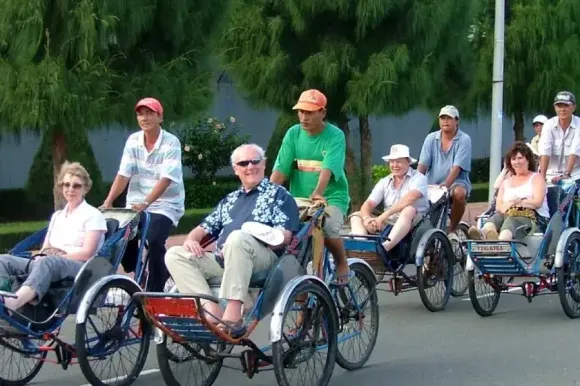
Only 7 kilometers from the center of Hue, Thuy Bieu Village is famous for its pomelo gardens and centuries-old timber garden houses. Narrow lanes shaded by fruit trees make it one of the best places for cycling around Hue, while many visits include a home-cooked lunch, a herbal foot bath, or join a Hue Cooking Class in the village, where you can prepare traditional dishes with a local family. Half a day is enough to explore the village at a relaxed pace, making it an easy escape from Hue’s imperial landmarks for a more personal glimpse into local life.
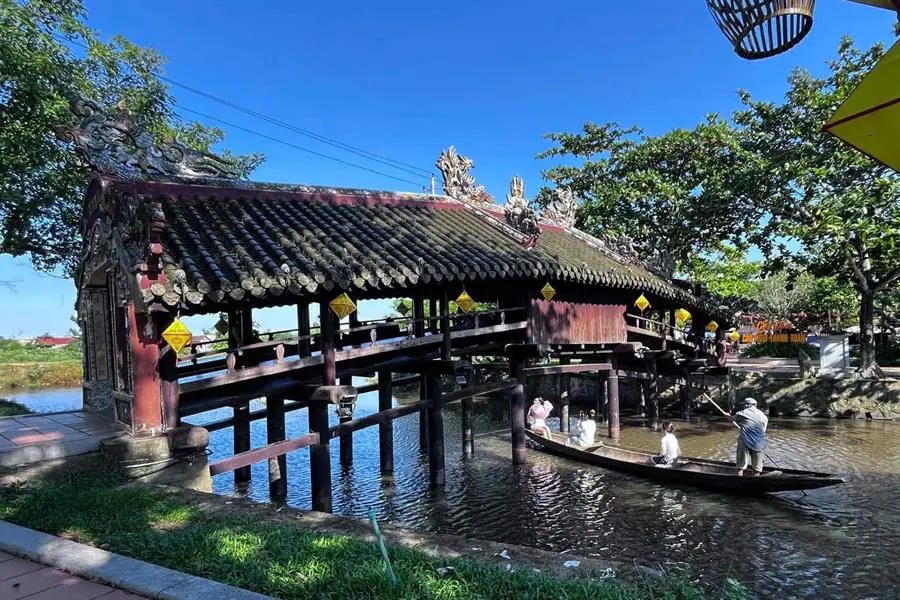
About 8 kilometers east of Hue in Thuy Thanh village, Thanh Toan is a 240-year-old Japanese-style covered bridge spanning a small canal beside open rice fields. Locals still rest on its wooden benches through the afternoon heat, and a small agricultural museum next door displays traditional farming tools and fishing gear. Entry is around 20,000 VND. Come in the early morning or late afternoon, when the light over the paddies is at its best and the village is at its most photogenic.
The largest lagoon in Southeast Asia sits about 15 kilometers from Hue and delivers the region's most memorable sunsets. Fishing boats glide between bamboo traps as the water turns copper and pink, and travelers can join local fishermen to cast nets or row through the floating fish farms. Chuon Lagoon, on the nearer side, is the usual base and is known for fresh seafood dinners served on stilt platforms over the water. Plan for late afternoon into evening.
The Hue Walking Street around Pham Ngu Lao, Chu Van An, and Vo Thi Sau opens from about 7:00 PM with craft beer bars, live music, and Hue street food stalls, running until roughly midnight on weekends. Along the water, the Truong Tien Bridge shifts through colored lights while locals stroll the Nguyen Dinh Chieu promenade. For something more traditional, take an evening dragon boat cruise with ca Hue folk singing, a royal court music style performed on the river. The Imperial City also opens for night visits, floodlit and far quieter than by day.
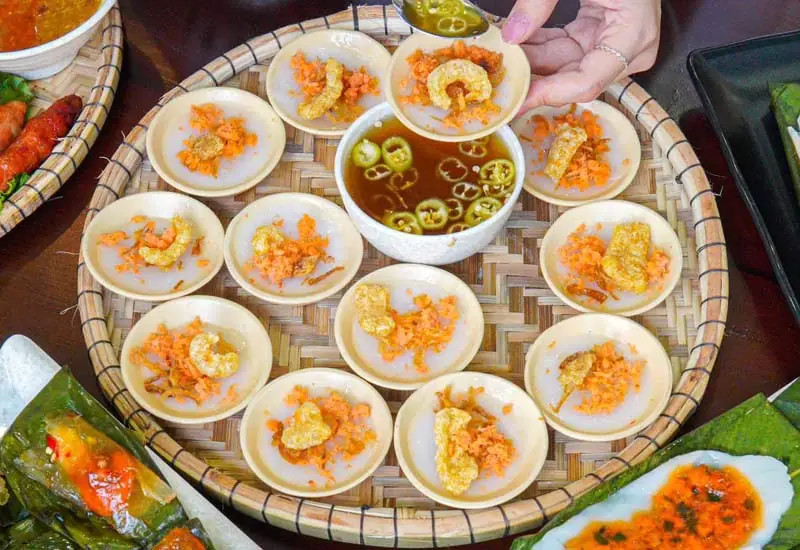
Hue's cuisine grew out of the royal court, where dishes were prepared in small, precise portions. It remains one of Vietnam's most distinctive food scenes. Bun bo Hue, a spicy lemongrass beef noodle soup, is the city's signature dish and best eaten for breakfast. Banh beo are delicate steamed rice cakes topped with dried shrimp, usually served alongside banh loc and banh nam. Banh khoai is a crisp stuffed pancake eaten with peanut sauce, while nem lui skewers grilled pork on lemongrass sticks for wrapping in rice paper. Don't skip com hen, a humble baby clam rice dish, or che Hue, the city's colorful sweet soups. Portions are small and cheap, so order several and share.
Timing matters more in Hue than in most Vietnamese cities because of its distinct rainy season. Choosing the right months makes a real difference.
The ideal window is February to April, when temperatures sit between 20-28°C, skies stay clear, and humidity is manageable, perfect for walking the citadel and cycling the Hue countryside tour. May to August is hot, often above 35°C, but ideal for the beaches and early-morning sightseeing. September to December brings heavy rain, with October and November occasionally seeing flooding. If your dates fall in the wet months, plan indoor museum time and keep tomb visits flexible.
Hue is compact, so the right length of stay depends on how deep you want to go beyond the imperial sights.
One day covers the essentials: the Imperial City in the morning, one or two royal tombs in the afternoon, and a river cruise at sunset. Two days is the sweet spot for most travelers, adding Thien Mu Pagoda, Dong Ba Market, a countryside cycling trip, and a proper food tour without rushing. Three days lets you fold in a beach afternoon at Lang Co, a Tam Giang Lagoon sunset, or a full-day DMZ trip. If Hue is a stop between Hanoi and Hoi An, two nights is the sensible minimum.
Whether you have one day or three, these are the itineraries travelers rate highest in Hue.
A few practical details make a Hue trip smoother, especially in the heat and during the rainy season.
Ready to explore Vietnam's imperial capital at your own pace? Asia Eyes Travel designs private Hue itineraries that blend the citadel, royal tombs, countryside villages, beaches, and the city's legendary food scene, with English-speaking guides and private transport throughout. Contact us at info@asiaeyestravel.com or WhatsApp +84 935 946 688 (Mr. Thuc Nguyen) for a free personalized quotation.
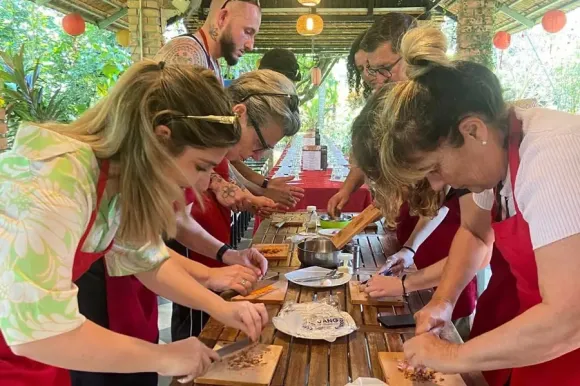
Hue Cooking Class in Thuy Bieu Village Half Day Tour