A farm-to-table dining experience in Hoi An countryside offers international travellers a chance to enjoy Vietnamese food closer to where its ingredients are grown. Instead of simply eating in a restaurant, you can visit vegetable gardens, meet local growers, learn about seasonal ingredients and enjoy dishes prepared with fresh produce from nearby farms. Areas around Tra Que Vegetable Village and the rural villages surrounding Hoi An are particularly suitable for this type of experience. This guide explains what to expect, what you can eat, when to go and how to include a countryside farm-to-table experience in your Hoi An itinerary. Contact Asia Eyes Travel DMC Vietnam if you want to arrange this experience as part of your Hoi An Tours.
Hoi An is known worldwide for its lantern-lit Ancient Town, UNESCO heritage architecture, and golden beaches. But beyond the tourist bustle lies an authentic countryside, where life unfolds slowly among rice paddies, vegetable gardens, and coconut groves. It’s here that travelers can discover one of the most rewarding culinary adventures in Vietnam: farm-to-table dining experiences.
These tours invite you into the heart of rural Hoi An, where you harvest ingredients straight from the soil, cook traditional recipes alongside locals, and share meals that tell the story of the land itself. For food lovers and curious travelers, farm-to-table dining offers not just a meal but a journey into sustainability, culture, and genuine hospitality.
Farm-to-table dining in Hoi An isn’t just a trend-it’s a way of life. Villagers have relied on their gardens and fields for centuries, using organic practices long before “organic” became a buzzword. Every ingredient used in these dining experiences comes directly from the farm, ensuring freshness, seasonality, and sustainability.
When you sit down for a farm-to-table meal, you’re not just eating; you’re tasting the story of the land. From fragrant herbs grown in Tra Que Vegetable Village to rice harvested in the nearby paddies, each bite connects you to the rhythms of rural Vietnam.
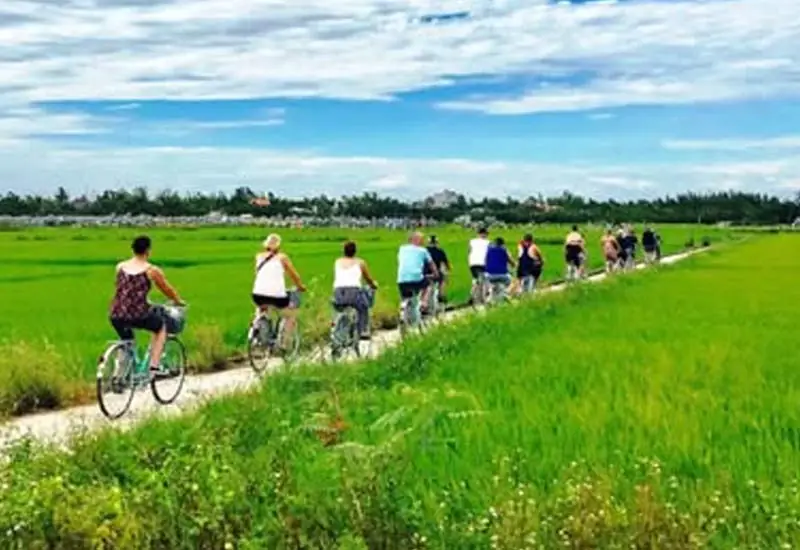
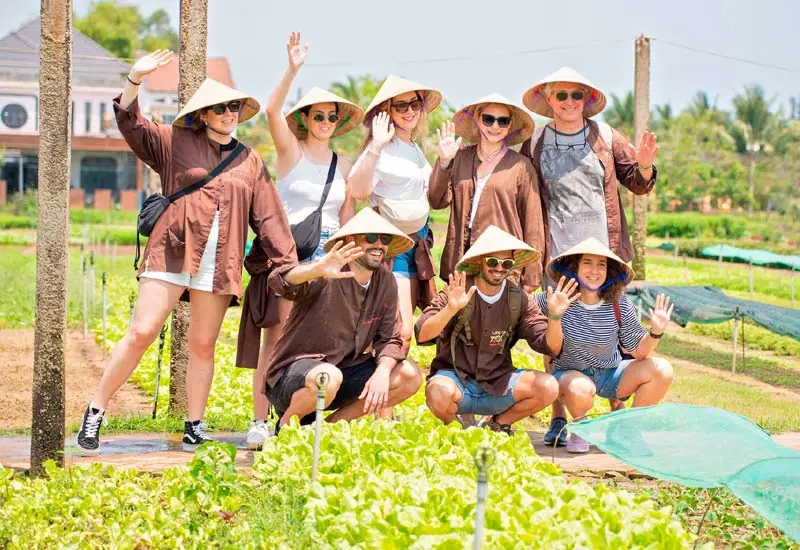
No farm-to-table journey in Hoi An is complete without a visit to Tra Que Vegetable Village, located just a short bike ride from the Ancient Town. Famous for its lush gardens, Tra Que supplies many of Hoi An’s restaurants with fragrant herbs like mint, basil, and coriander.
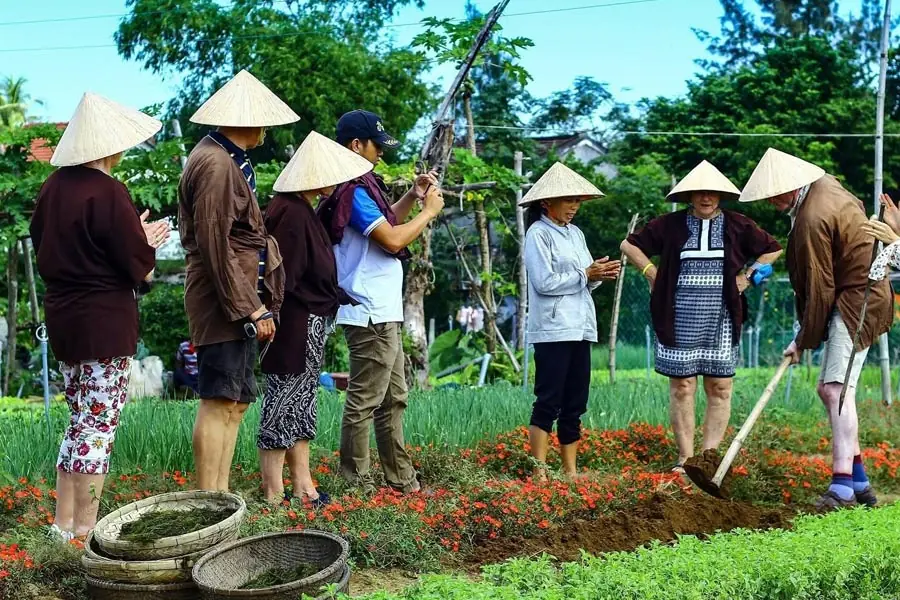
Visitors can try their hand at farming—watering vegetables with traditional bamboo buckets, fertilizing with seaweed from nearby lagoons, and learning how herbs are used in local cuisine. Afterward, you’ll prepare a meal using the ingredients you helped harvest, from crispy spring rolls to savory pancakes.
Rice is Vietnam’s staple food, and in Hoi An’s countryside, you’ll discover the intimate connection between farming and dining. Some tours let you step into the rice paddies, where you’ll plant seedlings, learn how to guide a water buffalo, and understand the labor behind every grain of rice.
After the farming activities, you’re rewarded with a rustic meal featuring com hen (rice with baby clams), sticky rice, and seasonal vegetables. Dining next to the paddies, with the sound of frogs and crickets in the background, creates a memory that no restaurant can replicate.
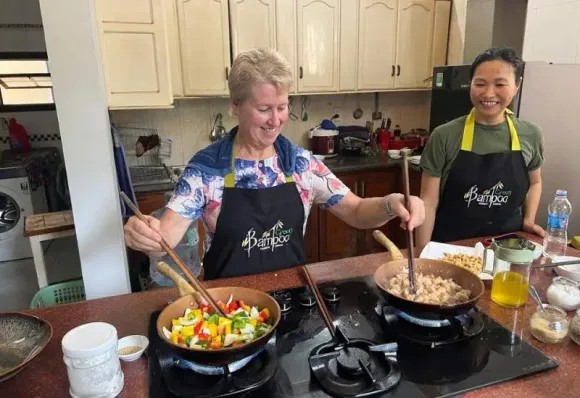
Hoi An is famous for its cooking classes, but those held in the countryside offer a truly immersive twist. Instead of shopping at a market, you gather your own ingredients directly from the farm: picking herbs, harvesting vegetables, and collecting eggs.
Under the guidance of a local chef, you’ll then cook traditional dishes like Mi Quang (turmeric noodles with pork and shrimp), Cao Lau (Hoi An’s iconic noodle dish), or fish wrapped in banana leaves. By preparing food from farm to plate, you gain a deeper appreciation for the ingredients and traditions behind Vietnamese cuisine.
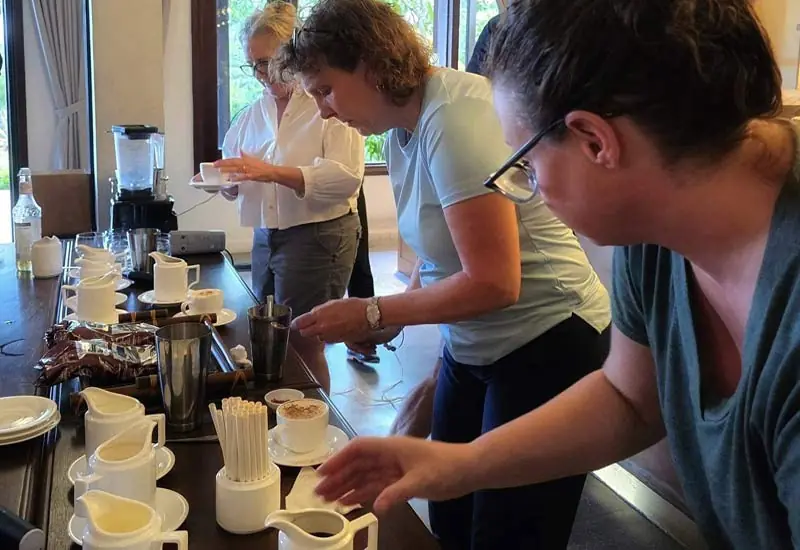
For travelers who want a deeper connection, staying at a farm homestay offers an intimate look into countryside life. Families welcome you into their homes, share meals prepared with freshly harvested ingredients, and tell stories about traditions passed down through generations.
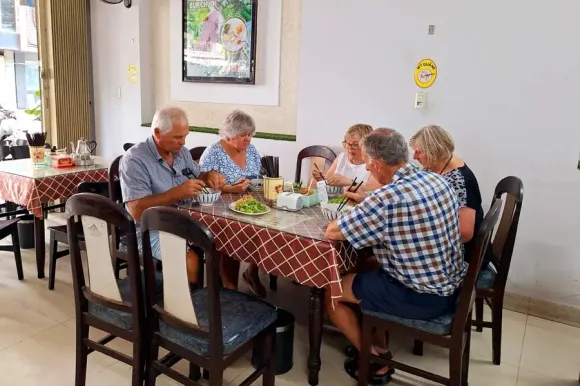
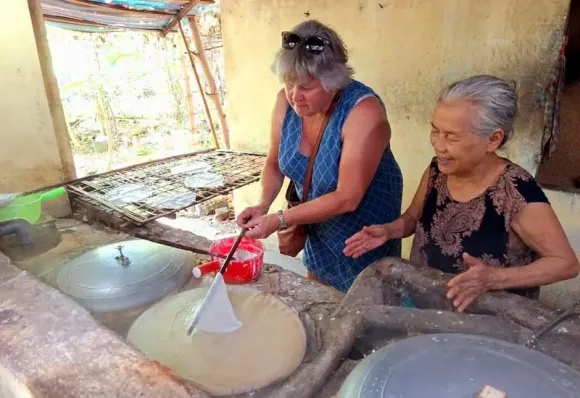
Meals often include family specialties you won’t find in restaurants, such as claypot stews, grilled river fish, or hand-made rice paper. Eating together at a communal table allows you to experience Vietnamese hospitality at its warmest.
Farm-to-table dining in Hoi An changes with the seasons. In spring, fresh herbs and flowers dominate the menu; in summer, tropical fruits and seafood are abundant; autumn brings rice harvest celebrations; and winter highlights root vegetables and warming soups.
Joining a tour during these times lets you see how food traditions are tied to nature’s cycles. Some experiences even align with local festivals, where special dishes are prepared to honor ancestors and celebrate the land’s bounty.
For those new to Vietnam, farm-to-table tours offer an ideal introduction to the country’s culture. Unlike crowded restaurants or touristy cooking classes, these experiences are intimate and immersive. You’re not just observing; you’re taking part—harvesting, cooking, and sharing meals with locals.
It’s also an excellent way to balance Hoi An’s bustling streets with the serenity of the countryside. After a day of sightseeing, spending time on a farm provides a refreshing, grounding experience.
A farm-to-table experience is a good choice for travellers who want to understand Vietnamese food beyond a restaurant menu. From local vegetable gardens to a freshly prepared meal, the experience connects farming, cooking and everyday food culture in the Hoi An countryside.
Contact us to include a private farm-to-table dining experience in your Hoi An Tours, with options for countryside visits, cooking activities and local meals. Reach Asia Eyes Travel DMC Vietnam at info@asiaeyestravel.com or via WhatsApp +84 935 946 688 (Mr. Thuc Nguyen) to arrange your itinerary.
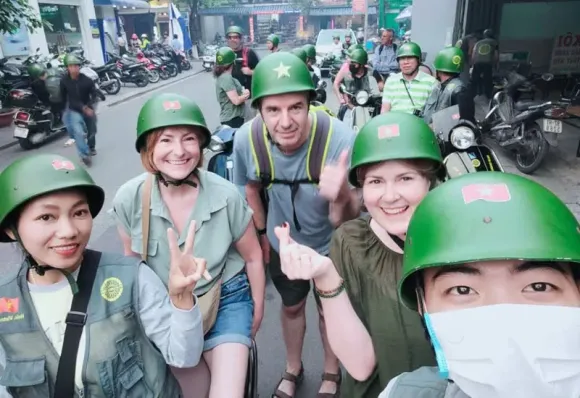
Discover the Hoi An Countryside by Vespa
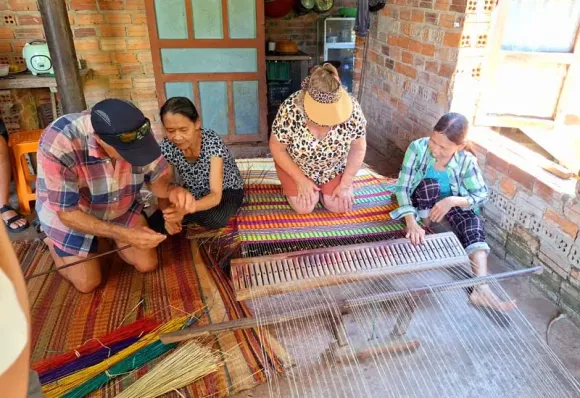
Hoi An Craft Villages Tour: Pottery, Carpentry & Farming
Hoi An Lantern Making & Tra Que Farming Bike Half Tour