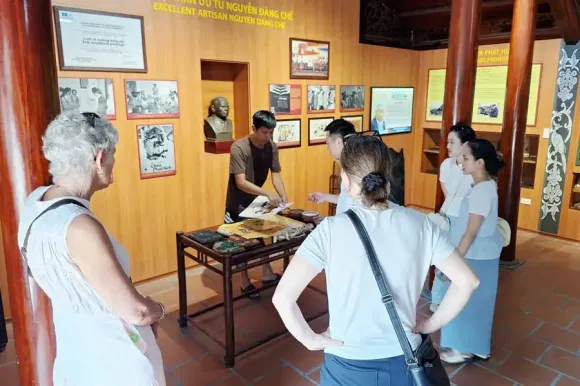
Eco-Friendly Travel in Vietnam is a practical guide to traveling more responsibly while enjoying the country’s landscapes, culture, and local life. From sustainable destinations and responsible cruising to green transportation, eco-lodges, plastic reduction, and supporting local businesses, there are many simple ways to reduce your environmental impact. The guide also covers responsible wildlife tourism and how to respect Vietnam’s natural areas. With Asia Eyes Travel, you can arrange Vietnam Private Tours with thoughtfully planned itineraries, local experiences, and travel choices that support communities and protect the environment.
Vietnam is a country of breathtaking landscapes, from lush mountains and pristine beaches to vibrant cities and peaceful countryside. However, as tourism continues to grow, so does its environmental impact. Many popular destinations face issues like plastic waste, overcrowding, and habitat destruction. By making more sustainable choices while traveling, you can help preserve Vietnam’s natural beauty for future generations while enjoying a more meaningful and responsible journey.
Eco-friendly travel in Vietnam isn’t just about reducing waste - it’s also about supporting local communities, respecting cultural heritage, and protecting biodiversity. Whether you’re exploring the countryside by bicycle, staying in an eco-lodge, or participating in conservation activities, there are many ways to make your trip more sustainable.

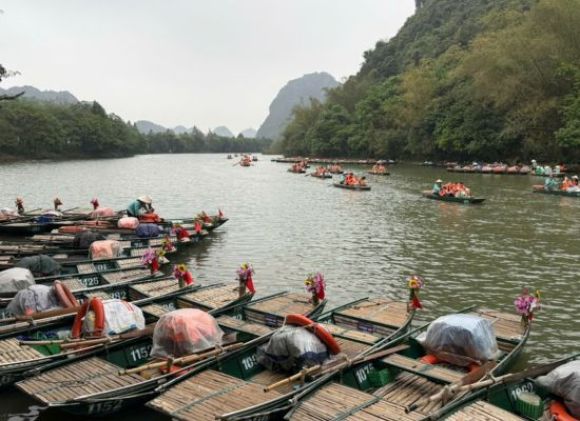
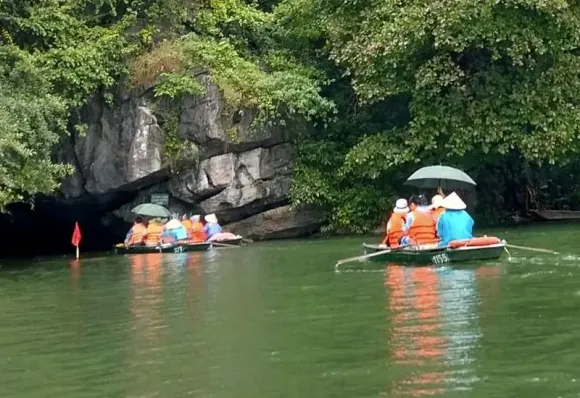
Known as the “Halong Bay on land,” Ninh Binh is a paradise of limestone mountains, rice paddies, and peaceful rivers. To keep this stunning region pristine, opt for eco-friendly transport such as cycling or rowing through the waterways of Trang An or Tam Coc. Many homestays and eco-lodges in Ninh Binh are committed to sustainability, using solar energy and offering locally sourced meals. Ninh Binh Tours can also help you experience the area through nature-based activities and locally run experiences.
This UNESCO-listed park is home to some of the world’s most spectacular caves, diverse ecosystems, and rare wildlife. Instead of mass-tourism caves, consider joining small-group conservation tours to less crowded areas. Many operators focus on responsible tourism, helping preserve caves such as Hang Son Doong and Paradise Cave. You can also volunteer for tree-planting projects or wildlife conservation efforts. A Phong Nha Cave Tour is a great way to experience the area while choosing a responsible, well-organized itinerary.

The ancient town of Hoi An is not just famous for its lantern-lit streets and riverside charm but also for its commitment to sustainability. The town promotes cycling and walking, making it one of the most pedestrian-friendly places in Vietnam. Many restaurants in Hoi An focus on farm-to-table dining, reducing food waste and supporting local farmers. Some even offer cooking classes using organic ingredients, allowing visitors to engage with Vietnamese culture in an eco-friendly way. Hoi An Tours can combine these local experiences with responsible ways to enjoy the town at a relaxed pace.
If you’re looking for a pristine island getaway, Con Dao is one of Vietnam’s most eco-conscious destinations. The island is known for its sea turtle conservation projects, where travelers can observe turtles nesting and hatching under guided supervision. There are also protected coral reefs, so if you plan to go snorkeling or diving, choose an operator that follows ethical marine tourism practices, such as reef-safe sunscreen requirements and no-contact diving policies.
As one of Vietnam’s most famous UNESCO sites, Halong Bay faces significant environmental challenges due to over-tourism. However, responsible cruise operators are working to minimize the negative impact. Look for eco-friendly Halong Bay Cruises that use waste management systems, energy-efficient boats, and local community support programs. Some cruises even offer plastic-free dining experiences and beach clean-up activities for guests.

Instead of relying on taxis and motorbikes, try bicycles, electric buses, and trains whenever possible. Major cities like Hanoi and Ho Chi Minh City have growing public transportation systems, making it easier to get around sustainably. In rural areas, cycling and walking are great ways to explore while reducing your carbon footprint.
Many accommodations in Vietnam are adopting eco-friendly practices such as solar power, water recycling, and waste reduction programs. When choosing a place to stay, look for eco-lodges, homestays, or hotels with green certifications. Not only do these accommodations have a lower environmental impact, but they also often provide a more authentic experience by supporting local communities.
Vietnam, like many other countries, struggles with plastic pollution, especially in tourist hotspots. Help reduce waste by:
Opt for local businesses, markets, and family-run restaurants over large chains. This helps support Vietnamese artisans, farmers, and entrepreneurs while also reducing the environmental footprint associated with imported goods. Shopping at local markets not only provides fresher food but also reduces unnecessary packaging.
Vietnam is home to many endangered species, and some unethical tourism activities exploit animals for entertainment. Avoid:
Instead, support ethical wildlife sanctuaries and national parks that focus on conservation and rehabilitation.
Traveling responsibly can be simple when your itinerary is designed with the environment and local communities in mind. Asia Eyes Travel can help you arrange a thoughtful Vietnam journey with responsible transportation, locally operated experiences, suitable accommodations, and meaningful cultural activities. For personalized advice and a customized itinerary, please contact info@asiaeyestravel.com or reach us via WhatsApp +84 935 946 688 (Mr. Thuc Nguyen).
Exclusive 15-Day Vietnam Tour Deals

17 Days Vietnam Family Beach Holiday

Ultimate 15-Day Vietnam Tour Itinerary

18-Day Vietnam Heritage, Culture & Beach Holiday
Northern Vietnam Tour 5 Days ( From Hanoi )