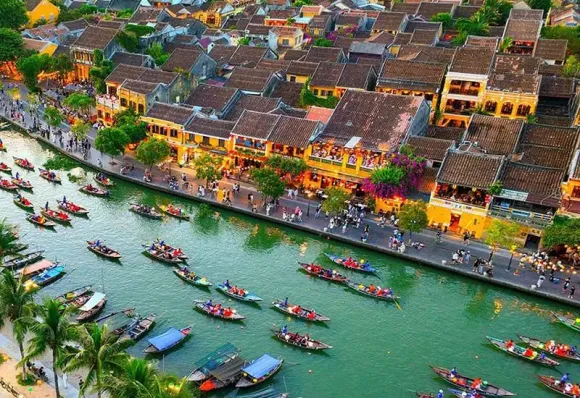
Hoi An, with its lantern-lit evenings, ancient town charm, and serene rivers, is often celebrated as one of Vietnam’s most picturesque destinations. Yet beyond its romantic beauty lies a growing movement: sustainable travel. In recent years, Hoi An has embraced eco-friendly practices that allow travelers to enjoy the town while supporting its people, culture, and environment.
Eco-friendly travel in Hoi An is not only about staying in green-certified accommodations. It is about joining tours that respect local traditions, dining at restaurants that prioritize organic ingredients, and choosing homestays that empower families in the countryside. For conscious travelers, Hoi An offers opportunities to connect more deeply with both the land and its communities.

Homestays are among the best ways to travel sustainably in Hoi An. Nestled in the rice fields or along quiet village roads, these accommodations are often run by local families who welcome visitors with warmth and authenticity.
Unlike large hotels, eco-friendly homestays emphasize harmony with the environment. Many are built using natural materials such as bamboo and wood, powered by solar energy, and furnished with recycled or locally crafted décor. Guests can wake up to the sound of roosters, enjoy breakfast made with vegetables from the family’s garden, and learn traditional cooking techniques passed down through generations.
For travelers, these stays offer more than just a bed. They provide a window into rural life while ensuring that your money directly benefits local households.
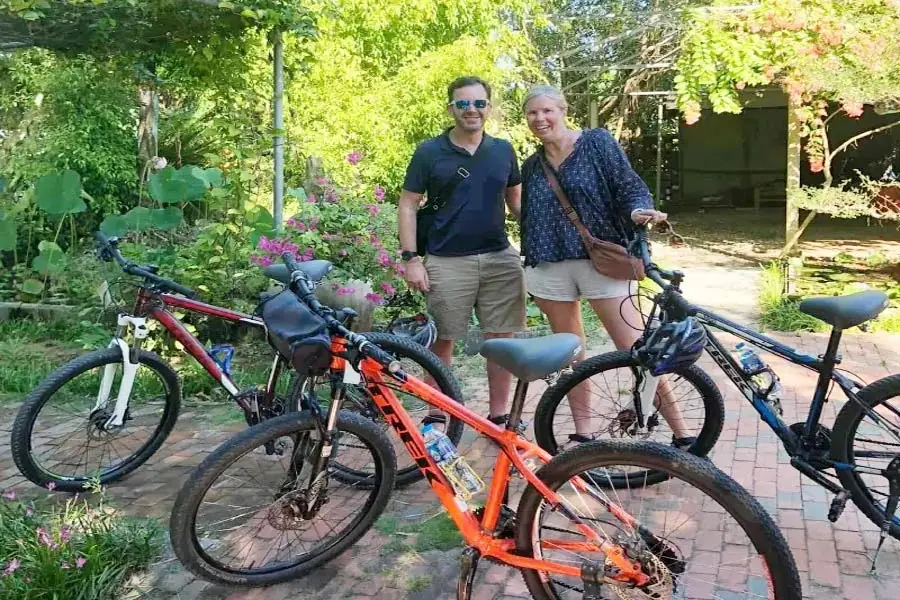
One of the most enjoyable eco-friendly activities in Hoi An is cycling through the countryside. Instead of relying on motorbikes or cars, bicycles offer a quiet, low-impact way to explore.
Cycling tours often wind through rice paddies, where water buffalo graze lazily, and past small villages where artisans still practice age-old crafts. Along the way, travelers might stop at organic farms, where families grow herbs and vegetables without chemicals. Some tours even allow you to participate - planting rice, harvesting vegetables, or fishing with traditional nets.
These sustainable tours are not just about sightseeing; they are about understanding the relationship between people and the land, and experiencing a slower, more mindful form of travel.
Hoi An is a food lover’s paradise, and eco-conscious travelers will find a growing number of restaurants embracing the farm-to-table movement. Instead of importing ingredients or relying on mass production, these establishments work directly with local farmers and fishermen.
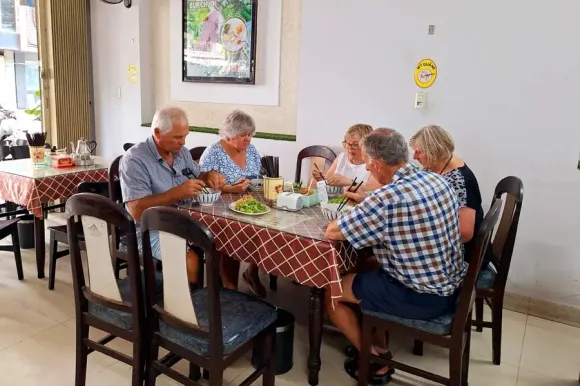
Diners can enjoy meals crafted from organic produce, free-range poultry, and freshly caught seafood. Many menus change seasonally, reflecting the natural rhythm of the land. For travelers, eating in these restaurants is a chance to savor Hoi An’s flavors while supporting sustainable agriculture.
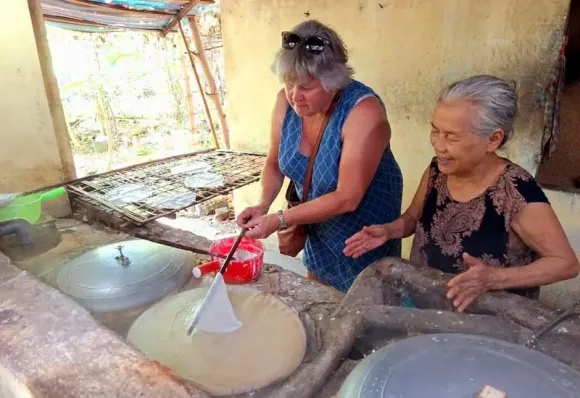
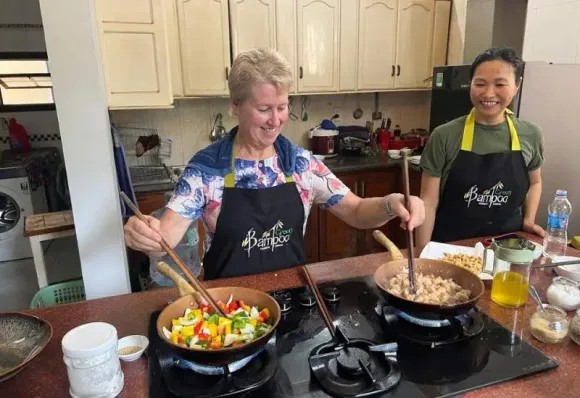
Some eco-friendly tours even include cooking classes where guests can visit local markets, pick organic vegetables from a farm, and prepare traditional dishes in a rustic kitchen. These experiences highlight how sustainability can enhance both taste and culture.
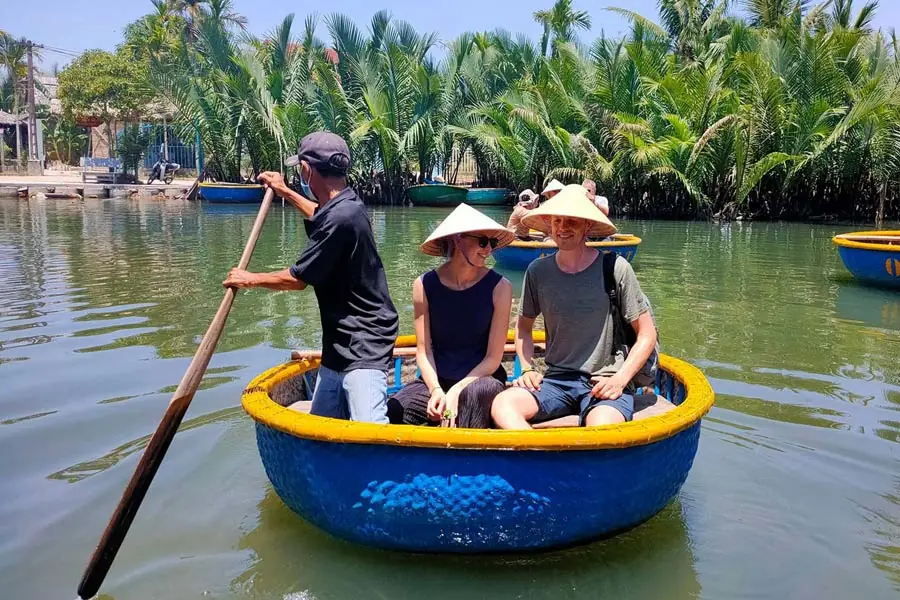
The Bay Mau Coconut Forest, located just a short distance from Hoi An Ancient Town, offers a unique eco-tourism experience. Here, travelers can ride in round basket boats, guided by local fishermen who have worked these waterways for generations.
What makes these tours sustainable is their focus on preserving the mangrove ecosystem. Fishermen explain how the forest acts as a natural barrier against erosion and storms, while travelers learn traditional fishing techniques without harming the environment.
Beyond the adventure, the experience fosters respect for a fragile ecosystem that plays an essential role in Hoi An’s natural heritage.
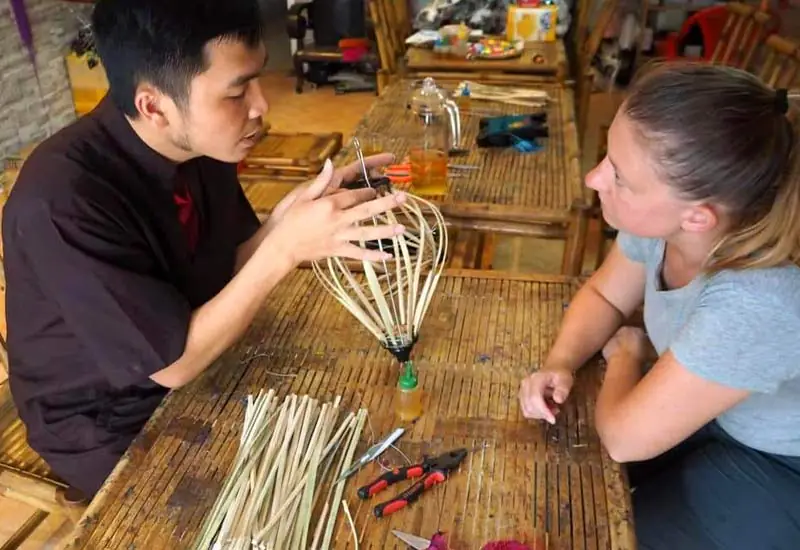
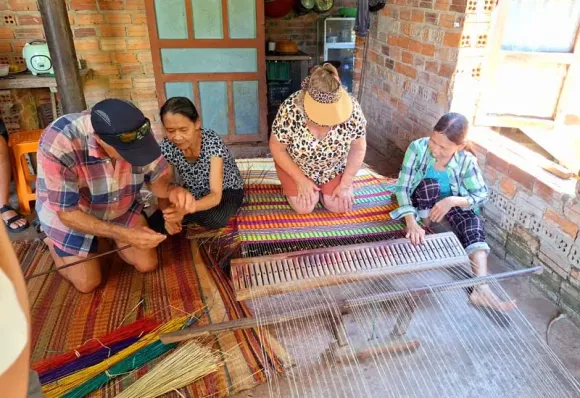
Eco-friendly travel also means supporting communities in ways that preserve culture and dignity. In Hoi An, community-based tourism allows travelers to visit handicraft villages where artisans make lanterns, pottery, and textiles.
Instead of purchasing mass-produced souvenirs, visitors can watch demonstrations, learn the stories behind each craft, and even try their hand at making their own lantern or clay pot. These interactions ensure that traditional skills are passed on, while artisans receive fair compensation for their work.
By choosing these authentic encounters, travelers become part of the cycle that sustains both people and heritage.
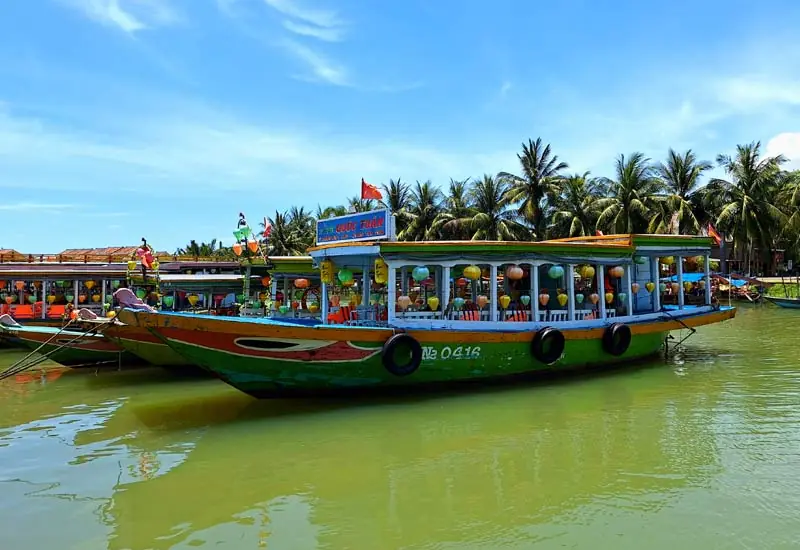
Hoi An is famous for its romantic river cruises, but not all are created equal. Eco-friendly options use boats that limit fuel consumption or rely on electric power, ensuring that pollution is minimized.
Some sustainable cruise operators also combine dining with cultural performances, where local artists share traditional music and stories. These tours not only protect the environment but also provide livelihoods for families in Hoi An.
When choosing a river cruise, travelers can look for operators committed to eco practices, ensuring their journey contributes positively to both people and planet.
Hoi An’s natural and cultural beauty is its greatest treasure, but it is also vulnerable. Overtourism, pollution, and rapid development can threaten the delicate balance that makes the town so special. By choosing eco-friendly tours, homestays, and experiences, travelers play an active role in preserving this destination for future generations.
Eco-travel in Hoi An is not about giving up comfort; it is about redefining luxury as meaningful connection, mindful experiences, and sustainable choices. It allows you to leave a lighter footprint while gaining richer memories.
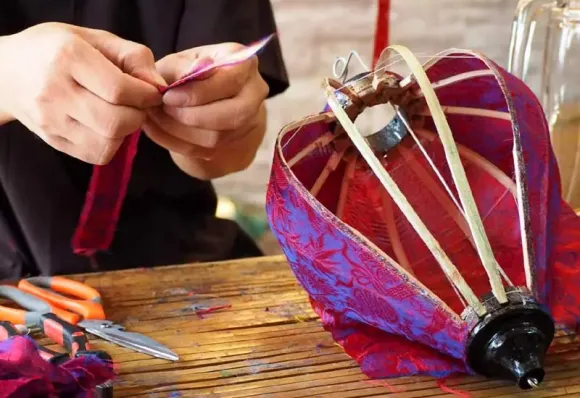
Hoi An Lantern Making & Tra Que Farming Bike Half Tour

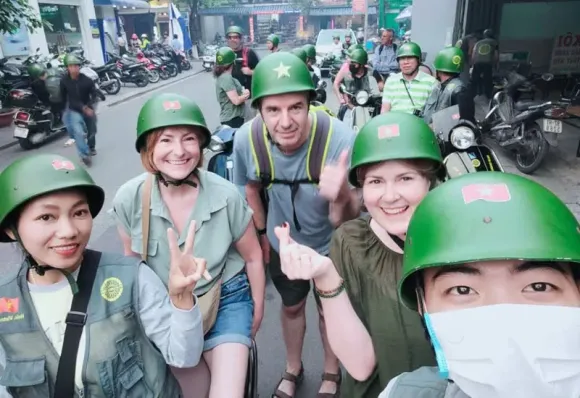
Discover the Hoi An Countryside by Vespa
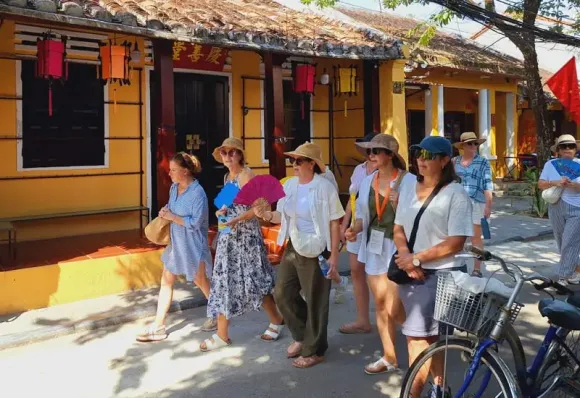

Hoi An Craft Villages Tour: Pottery, Carpentry & Farming