Dien Bien is a rewarding destination for travelers willing to embrace a more rustic and immersive journey. By planning ahead, respecting local customs, and embracing the region’s unique charm
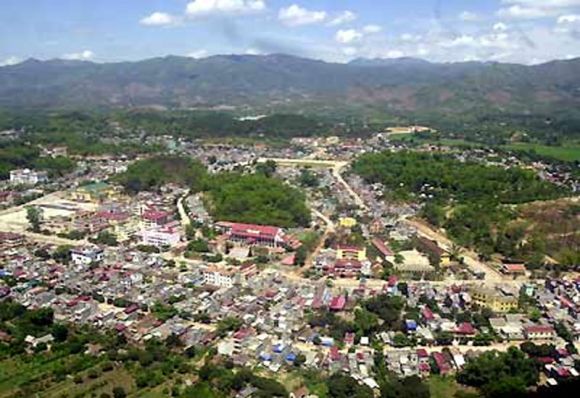
Dien Bien, located in northern Vietnam, is a captivating destination known for its profound history, diverse ethnic cultures, and dramatic mountain landscapes. As a remote highland province, it requires more thoughtful preparation than typical tourist hubs. With insights from Asia Eyes Travel DMC Vietnam, here’s a polished summary of essential travel tips to help you plan a smooth, safe, and memorable journey to Dien Bien.
Dien Bien Travel Tips: Dien Bien is a hidden gem that offers an authentic and enriching travel experience. With its mix of historical significance, cultural diversity, and stunning natural landscapes, Dien Bien is a rewarding destination for travelers willing to embrace a more rustic and immersive journey. By planning ahead, respecting local customs, and embracing the region’s unique charm, you’ll have an unforgettable experience in this mountainous province of Vietnam.
The climate in Dien Bien is largely influenced by its high-altitude and tropical monsoon climate, resulting in two main seasons:
Dry Season (November to April): This is the most comfortable time to visit, with clear skies, cooler temperatures, and minimal rain. It’s ideal for outdoor activities, sightseeing, and cultural events, especially around Dien Bien Phu Victory Day in May.
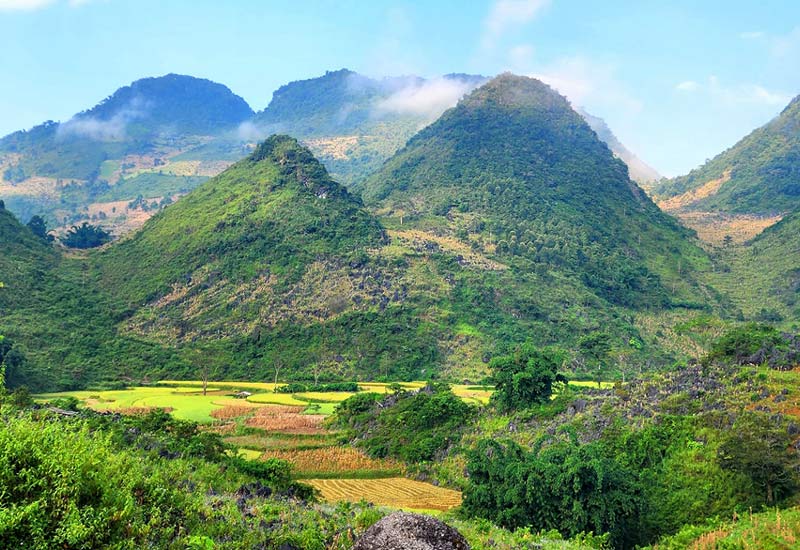
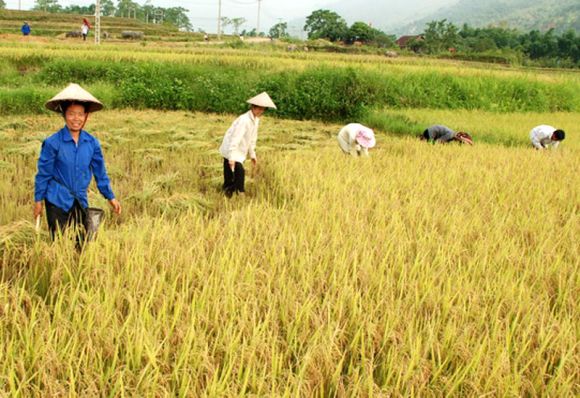
Rainy Season (May to October): During this period, the area experiences heavy rainfall, particularly in July and August. While the landscape becomes lush and vibrant, the rain can make travel difficult due to slippery roads and potential landslides. It’s best to visit during this season only if you’re comfortable with unpredictable weather and plan to enjoy the green rice terraces.
2. Getting to Dien Bien
Dien Bien is in a remote region, so getting there can require planning and patience.
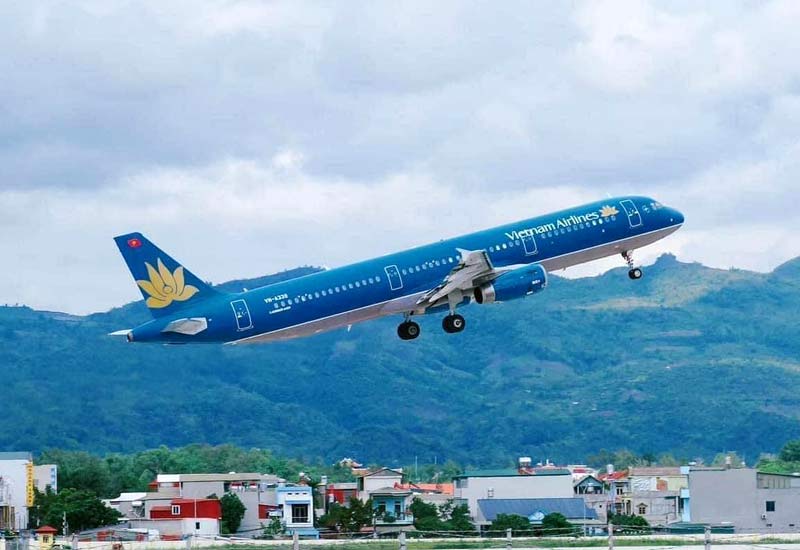
By Air: Dien Bien has a small airport, Dien Bien Phu Airport (DIN), which offers flights from Hanoi. The flight takes about one hour, making it the fastest way to reach the province. However, flights may be limited, so booking in advance is advisable.
By Bus: Dien Bien is accessible by long-distance buses from Hanoi and other nearby cities. The bus journey from Hanoi takes approximately 10-12 hours, with options for overnight buses. Be prepared for winding mountain roads, as the route can be bumpy.
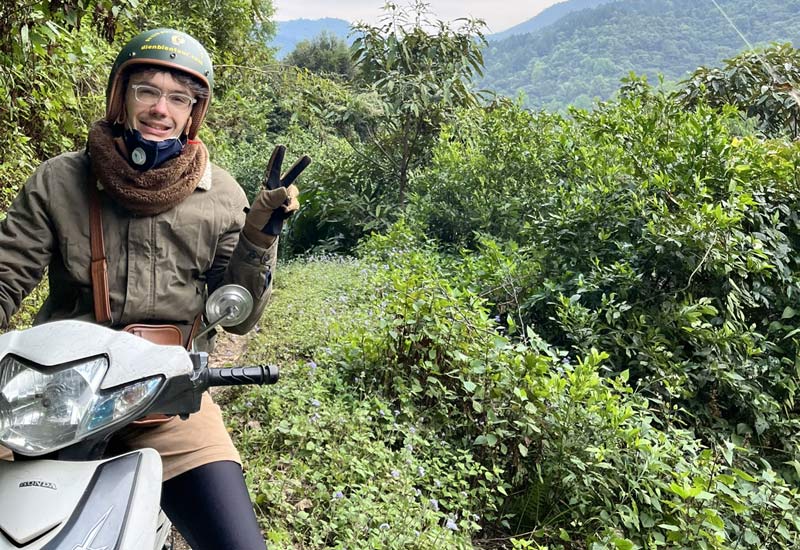
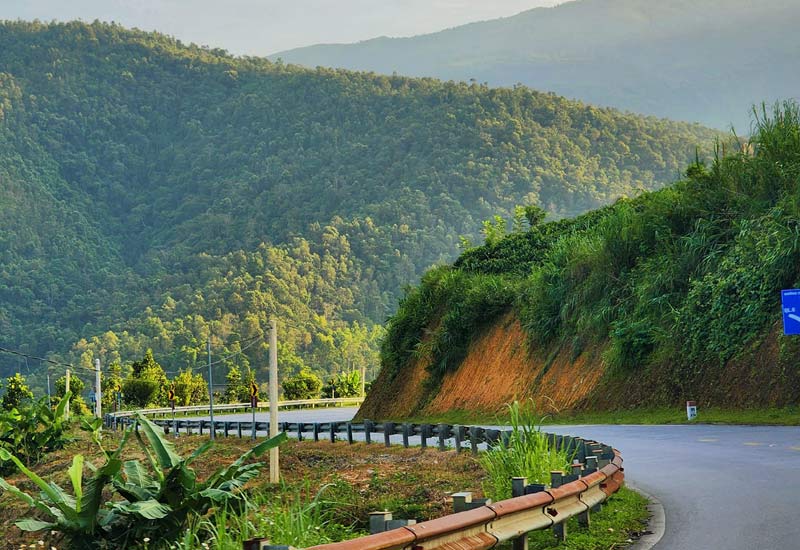
By Motorbike or Car: For the adventurous, traveling by motorbike or car from Hanoi is possible, but this route is challenging and recommended only for experienced drivers due to winding, mountainous roads. The journey is scenic but demanding, with steep passes and hairpin turns.
3. Accommodation Options
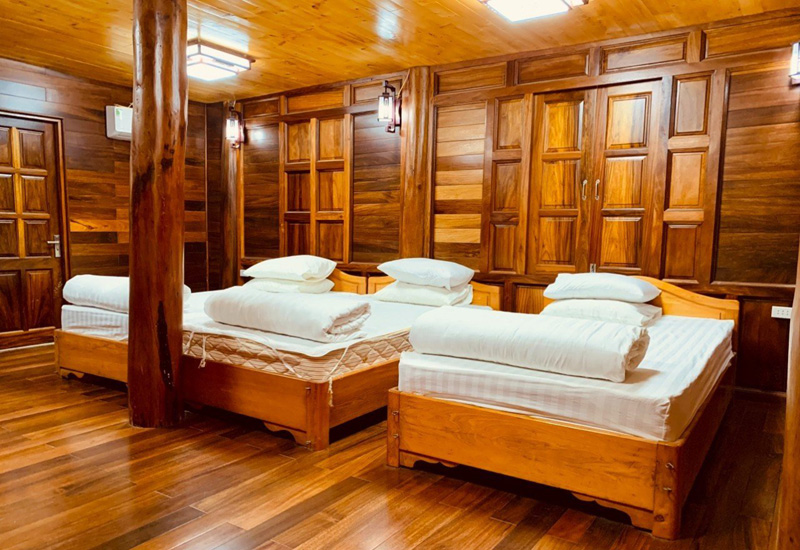
Accommodation in Dien Bien varies from basic guesthouses to mid-range hotels, but it’s important to note that there are no luxury hotels. Booking in advance is recommended, especially during festivals or peak travel seasons.
Hotels: Dien Bien Phu City has a few comfortable hotels that offer clean, modest accommodations, often with basic amenities like air conditioning, Wi-Fi, and breakfast. Muong Thanh Dien Bien Hotel and A1 Hotel are popular options.
Guesthouses: Guesthouses are plentiful and often run by local families. They offer a simple but authentic experience, perfect for budget travelers.
Homestays: For a more immersive experience, consider a homestay in one of the ethnic minority villages. Homestays provide insight into the daily life of locals, and many hosts are happy to share meals, traditions, and stories with visitors.
4. Local Etiquette and Cultural Tips
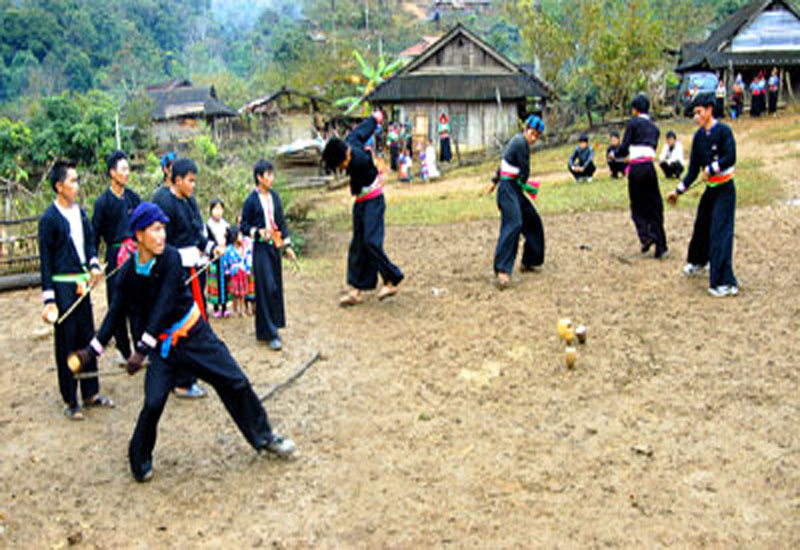
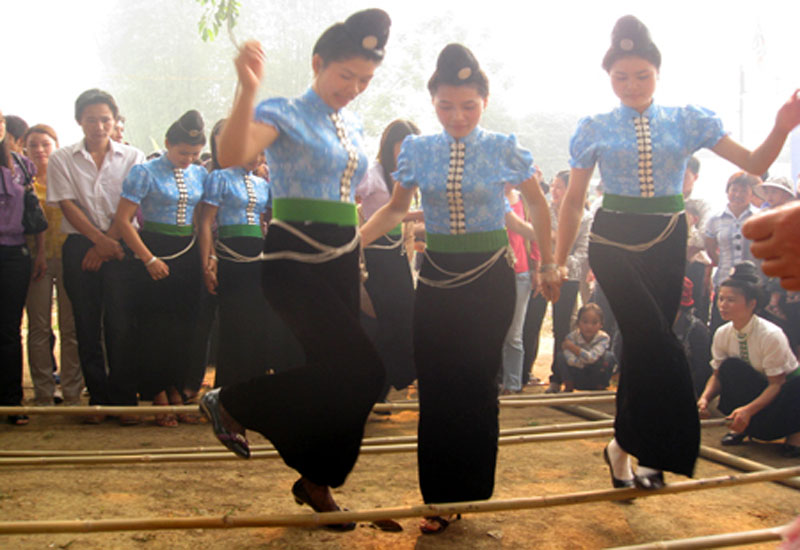
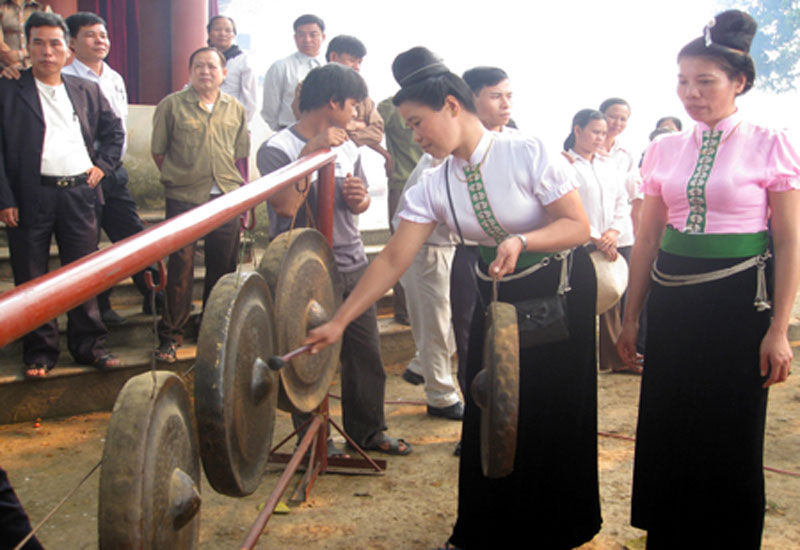
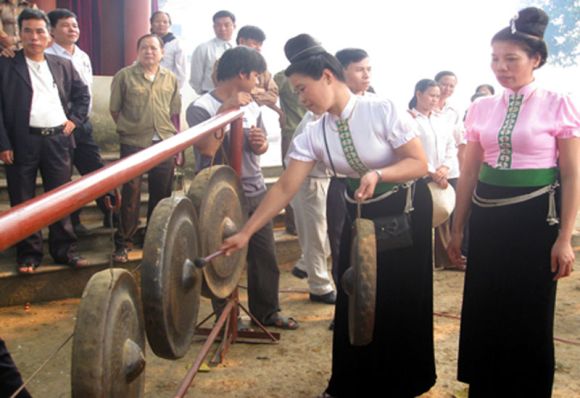
Dien Bien is home to many ethnic minority groups, such as the Thai, Hmong, and Tay, each with its own customs and traditions. Respecting local culture is essential when visiting:
Dress Modestly: Many areas are conservative, so dress modestly, especially when visiting villages and religious sites. This means wearing long pants, covered shoulders, and avoiding overly revealing clothing.
Respect Local Customs: Ask permission before taking photos of people, particularly in ethnic villages. It’s courteous to greet locals with a smile, and if invited into someone’s home, it’s polite to accept a small offering, such as tea.
Engage with the Community: Show interest in local traditions, but be aware of personal boundaries and don’t force interactions. The people in Dien Bien are friendly, and a simple smile or polite greeting can go a long way.
5. Health and Safety Tips
The mountainous terrain and occasional remote settings require taking some extra precautions.
Travel Insurance: Due to Dien Bien’s remote location and challenging terrain, it’s recommended to have travel insurance that covers emergency medical evacuation in case of accidents.
Vaccinations and Health Precautions: Ensure that routine vaccinations are up-to-date. Consult a healthcare provider about recommended vaccinations and precautions for Vietnam, especially if you plan to hike or spend extended time outdoors.
Bring a First Aid Kit: Basic medical facilities are available, but it's wise to carry a small first aid kit with essentials like antiseptic, bandages, pain relief, and any personal medications.
Stay Hydrated and Use Sun Protection: The weather can be hot and humid, especially during the summer months. Drink plenty of water, wear sunscreen, and use insect repellent to protect against mosquito bites, particularly during the rainy season.
6. Packing Essentials
Due to Dien Bien’s varied weather and mountainous landscape, it’s essential to pack appropriately:
Warm Clothing for Winter: Dien Bien can get chilly in winter (December to February), with temperatures occasionally dropping to 10°C (50°F) or lower, especially at night. Bring a warm jacket, scarves, and layers.
Rain Gear for Monsoon Season: If visiting during the rainy season, pack a lightweight, waterproof jacket and quick-dry clothing. A rain cover for your backpack and sturdy, non-slip shoes are also advisable.
Comfortable Walking Shoes: As Dien Bien has rugged terrain and some trekking routes, wear comfortable, sturdy shoes suitable for hiking and uneven surfaces.
Reusable Water Bottle: A reusable water bottle is practical for staying hydrated and reducing plastic waste.
7. Top Experiences and Attractions
Dien Bien has a wide variety of historical, cultural, and natural attractions to explore:
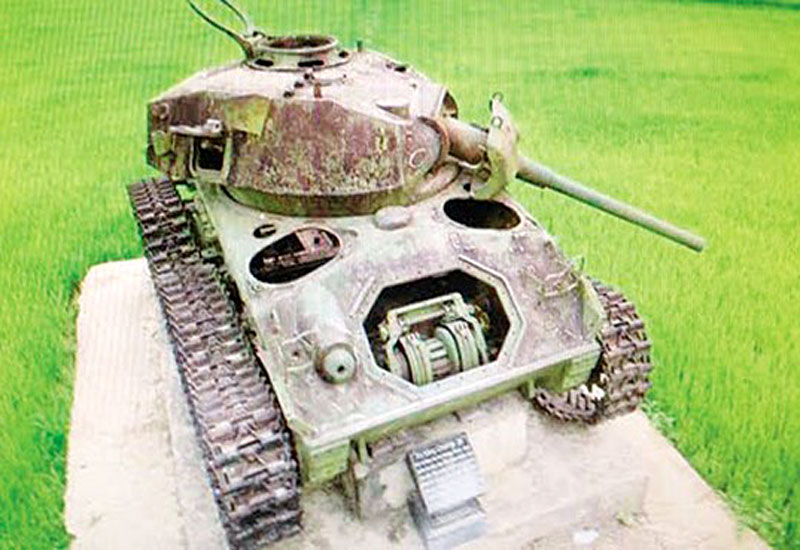
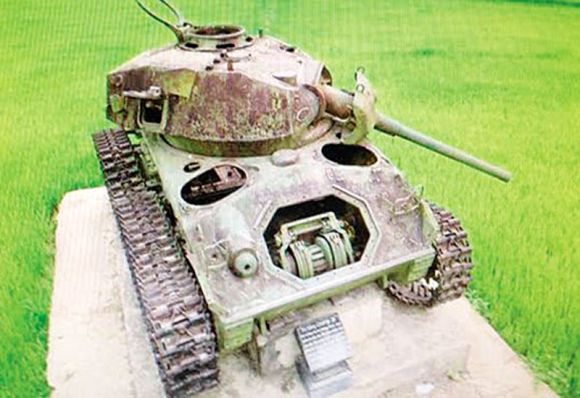
Dien Bien Phu Historical Sites: The battlefields, A1 Hill, Muong Thanh Bridge, and the Dien Bien Phu Victory Museum are must-visits for understanding the region’s significance in Vietnamese history.
Pha Din Pass: Known as one of Vietnam’s most scenic mountain passes, this winding route offers incredible views and is a must-see for travelers with a love for natural beauty and photography.
Ethnic Villages: Villages like Thanh Nua and Muong Lay allow travelers to experience the unique cultures of the Thai and Hmong people. Homestays are available in many villages, offering insight into local traditions, food, and daily life.
Local Markets: The Dien Bien Market is a bustling place where visitors can shop for local crafts, fresh produce, and sample regional foods. It’s a great place to try sticky rice, grilled meats, and regional specialties.
8. Culinary Tips and Must-Try Foods
Dien Bien’s cuisine is distinct and draws from local ingredients. Here are a few popular dishes and eating tips:
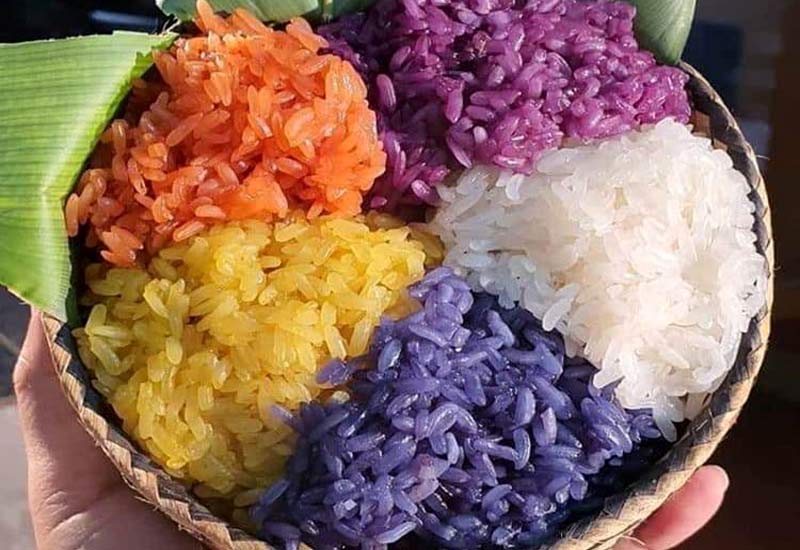
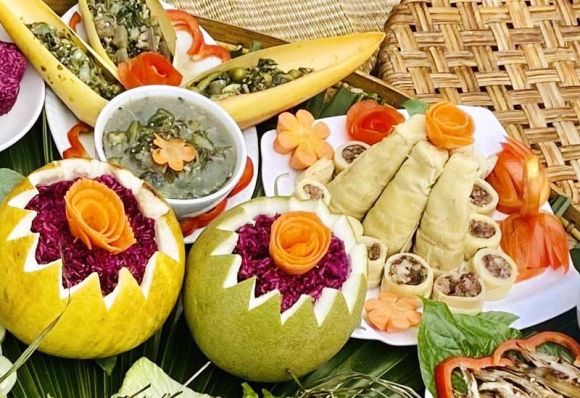
Try Local Dishes: Sticky rice (Xoi Nep), smoked buffalo meat (Thit Trau Gac Bep), and grilled hill pig (Lợn Cắp Nách) are iconic foods. Don’t miss the chance to try them at local restaurants or markets.
Visit a Local Market for Fresh Ingredients: Markets are a central part of life in Dien Bien, where you can find wild vegetables, fresh fish, and forest herbs.
Embrace Local Drinks: Sample Muong Thanh rice wine, a local specialty, which is often served during celebrations and with meals. Be cautious with portions as it can be quite strong!
9. Sustainable and Responsible Tourism
Supporting sustainable tourism is important in a region like Dien Bien, where communities rely on natural resources and traditional practices:
Respect Nature and Wildlife: Dien Bien’s landscape is fragile. Avoid littering, stay on marked trails while hiking, and follow guidelines when visiting protected areas.
Support Local Businesses: Buying handicrafts, eating at local restaurants, and choosing locally-run accommodations help support the economy and preserve traditional practices.
Minimize Plastic Waste: Bring a reusable water bottle and bag to reduce waste. Many small villages do not have waste disposal facilities, so take any trash with you and dispose of it responsibly.
10. Language and Communication Tips
Vietnamese is the official language, and in Dien Bien, you may encounter ethnic languages spoken by local tribes. Here are some tips for communicating:
Learn Basic Vietnamese Phrases: Knowing a few basic phrases, like “Xin chao” (Hello) and “Cam on” (Thank you), goes a long way and is appreciated by locals.
Use Translation Apps: Apps like Google Translate can be helpful, especially for complex questions or specific needs.
Hire a Local Guide: Hiring a guide can be extremely beneficial in Dien Bien, as they can help navigate cultural differences, interpret for you, and enhance your experience with their local knowledge.
Explore Dien Bien with Asia Eyes Travel DMC Vietnam
Experience the history, culture, and breathtaking mountains of Dien Bien with Asia Eyes Travel DMC Vietnam. Our Vietnam Small Group Tours ensure a smooth journey through remote regions, giving you deeper insights and unforgettable local encounters.
The Best Time to Visit Dien Bien is generally March to April and October to November, when temperatures are comfortable for sightseeing and rainfall is lower than during the summer. Located in northwestern Vietnam, Dien Bien is known for the historic Dien Bien Phu battlefield, mountain landscapes and diverse local cultures. For travellers planning a Northern Vietnam tour, Dien Bien offers an experience that combines important history with scenic mountain journeys. This guide explains the weather, the best months to visit and practical Dien Bien Travel Tips. Contact Asia Eyes Travel DMC Vietnam for local advice when planning your itinerary.
Dien Bien offers travelers a blend of natural beauty, rich cultural diversity, and deep historical significance. Nestled in the mountains of northern Vietnam, it remains less frequented than many other destinations, providing a unique and authentic experience. With guidance from Asia Eyes Travel DMC Vietnam, visitors can explore its scenic landscapes, interact with ethnic communities, and discover the province’s historical landmarks. Here’s an in-depth look at some of the best travel experiences Dien Bien has to offer:
Dien Bien’s cuisine, shaped by its mountainous terrain and diverse ethnic communities, offers travelers a flavorful and authentic culinary experience. With guidance from Asia Eyes Travel DMC Vietnam, you can discover dishes that highlight local ingredients, traditional cooking methods, and the rich cultural heritage of the region. Here’s an in-depth guide on what to eat in Dien Bien to truly savor its unique flavors:
Dien Bien, located in northern Vietnam, is a captivating destination known for its profound history, diverse ethnic cultures, and dramatic mountain landscapes. As a remote highland province, it requires more thoughtful preparation than typical tourist hubs. With insights from Asia Eyes Travel DMC Vietnam, here’s a polished summary of essential travel tips to help you plan a smooth, safe, and memorable journey to Dien Bien.
Dien Bien, a historically rich and naturally beautiful province in northern Vietnam, is known for its scenic landscapes, cultural diversity, and significant role in Vietnam’s history. With guidance from Asia Eyes Travel DMC Vietnam, travelers can explore its fascinating historical sites, indigenous cultures, and stunning natural scenery. Here’s a list of the Top 10 attractions in Dien Bien to help you make the most of your visit: