The Best Time to Visit Dien Bien is generally March to April and October to November, when temperatures are comfortable for sightseeing and rainfall is lower than during the summer. Located in northwestern Vietnam, Dien Bien is known for the historic Dien Bien Phu battlefield, mountain landscapes and diverse local cultures. For travellers planning a Northern Vietnam tour, Dien Bien offers an experience that combines important history with scenic mountain journeys. This guide explains the weather, the best months to visit and practical Dien Bien Travel Tips. Contact Asia Eyes Travel DMC Vietnam for local advice when planning your itinerary.
Dien Bien has a tropical monsoon climate, with a noticeably wetter period from late spring through summer. Average daytime temperatures are around 27°C in March and 29°C in April, while October and November are cooler at about 25°C and 23°C respectively.
Rainfall increases considerably from May. June, July and August are the wettest period, with July averaging around 423 mm of rain and about 21 rainy days in long-term climate data. Heavy showers can affect outdoor sightseeing and make journeys on mountain roads slower.
By October, rainfall decreases significantly, making road travel and outdoor activities more predictable. November is cooler and relatively dry, although mornings and evenings can feel chilly compared with the warmer months.
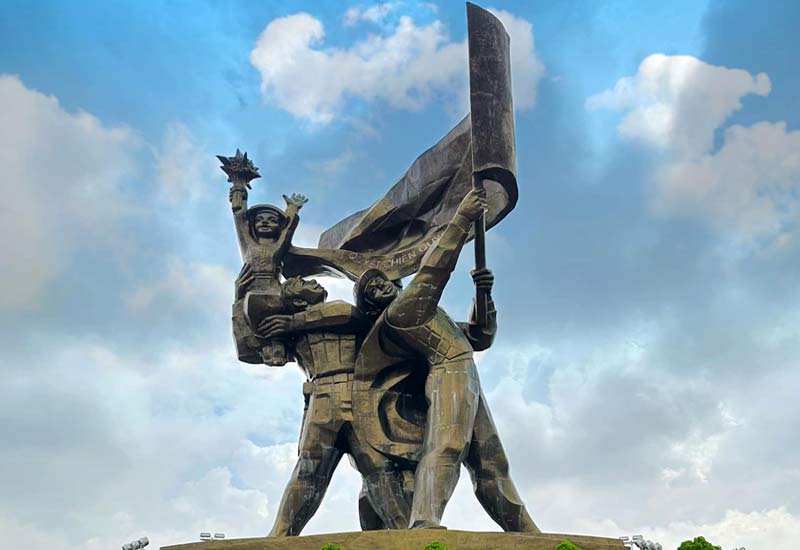
March and April are among the most attractive months for a Dien Bien trip. March is particularly interesting because the famous Ban flowers bloom across the northwestern mountains.
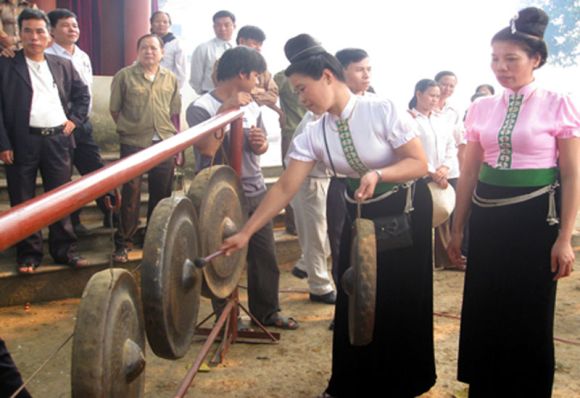
Dien Bien's annual Ban Flower Festival is held in March. In 2026, the festival took place from 6 to 12 March, with cultural performances, traditional activities, tourism events and local cultural experiences.
Spring is also a good time to explore the Dien Bien Phu battlefield, museums, memorials and surrounding landscapes. March is warm without the heavy summer rainfall, while April becomes hotter and wetter, so early morning is often the most comfortable time for outdoor sightseeing.
October and November are another good period to visit Dien Bien, particularly if you want to combine historical sightseeing with scenic road travel through northwestern Vietnam.
October has an average high of around 25°C, while November averages about 23°C during the day. Rainfall is much lower than in the summer, making these months more comfortable for walking and travelling between destinations.
November is cooler, especially in the early morning and evening, so bring a light jacket if your itinerary includes outdoor activities or overnight stays in rural areas.
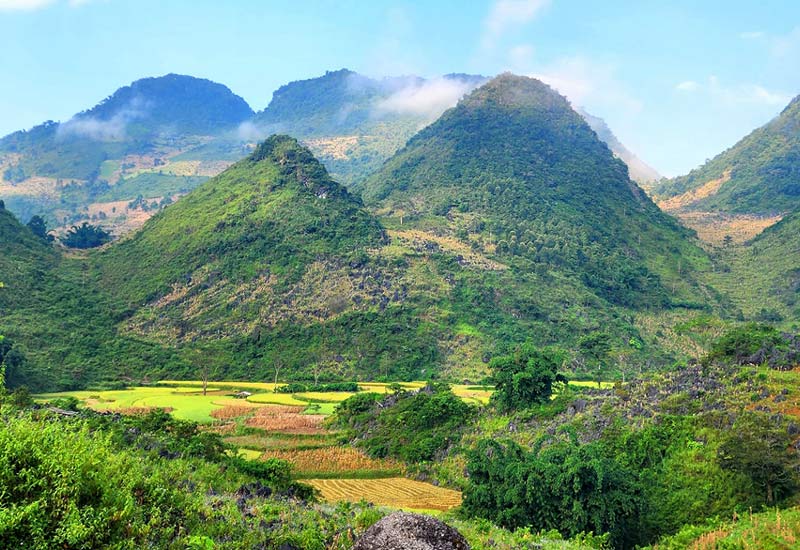
For March to April, pack lightweight clothing, sunscreen, a hat, water and comfortable walking shoes. From May to September, bring a lightweight waterproof jacket or rain poncho and protect cameras and phones from sudden showers.
If travelling during the rainy season, allow extra time for road journeys and avoid packing too many outdoor activities into one day. Mountain weather can change quickly, and a flexible itinerary is more practical.
From October to February, bring layers for cooler mornings and evenings. Good walking shoes are useful because many historical attractions involve outdoor walking and uneven surfaces.
For most travellers, March–April and October–November offer the best balance of weather, sightseeing and road travel. March is especially appealing for Ban flowers and cultural activities, while October and November are better suited to cooler mountain exploration.
Contact Asia Eyes Travel DMC Vietnam for practical itinerary advice and current travel arrangements. Contact us via WhatsApp at +84 935 946 688 (Mr. Thuc Nguyen) or email info@asiaeyestravel.com.

7-Day Ethnic Culture & Mountain Adventure


Vietnam Travel by Train from North to Central 15 Days

Vietnam Family Tour 16 Days from North to South

Discover Northern Vietnam 10 Days