A short escape to Lao Cai during plum blossom season reveals a softer, more poetic side of northern Vietnam. In just two days, travelers can admire hillsides covered in white plum flowers, visit ethnic minority villages, and explore local cultural and historical sites. Designed with local insight by Asia Eyes Travel DMC Vietnam, this experience is perfect for those seeking a scenic, authentic, and culturally rich getaway.
Lao Cai, a province in northern Vietnam, is famous for its majestic mountains, ethnic minority cultures, and stunning seasonal landscapes. One of the most breathtaking experiences in early spring is witnessing the white plum blossoms in Bac Ha, often referred to as the "White Plateau" during this season.
If you have 48 hours to explore Lao Cai, this guide will provide a detailed itinerary, including must-visit locations, cultural experiences, and travel tips to make the most of your trip. Whether you are a nature lover, photography enthusiast, or culture explorer, this journey offers a perfect mix of scenic beauty and local traditions.
Start your journey early by taking the Hanoi – Lao Cai Expressway (CT05), covering 230 km in about 4 to 4.5 hours. The drive offers breathtaking views of the northwest mountains, especially during the early spring when flowers are blooming. It is important to note that traffic can be heavy on weekends and holidays, so planning ahead is essential.
Located in Bao Yen District, Bao Ha Temple is a historic spiritual site dedicated to Hoang Bay, a general known for defending Vietnam’s northern borders. Built during the Le Dynasty (1740–1786), the temple plays an important role in local spiritual life and offers picturesque views of the surrounding river and mountains. Visitors often bring offerings and incense to pray for blessings.

For lunch, stop by a local restaurant near the temple. Bao Duong Restaurant is a recommended spot known for its fresh and affordable Vietnamese cuisine. Popular dishes include grilled river fish, bamboo shoot soup, and sticky rice with sesame salt.
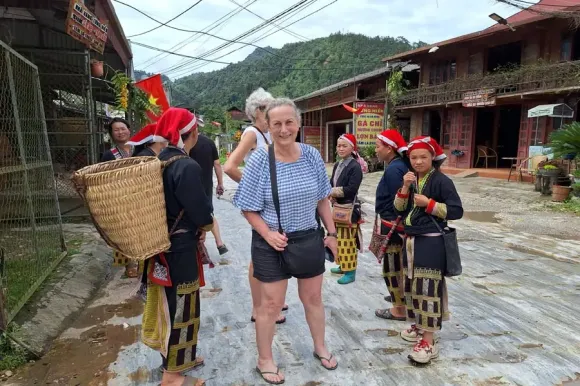
Head towards Bac Ha District and visit Ta Van Chu Village, home to various ethnic minority communities, particularly the H’Mong people. This village is known for its traditional earthen-walled houses and preserved cultural customs. A visit here provides insight into the daily life of the locals and an opportunity to experience traditional crafts such as handwoven brocade-making.
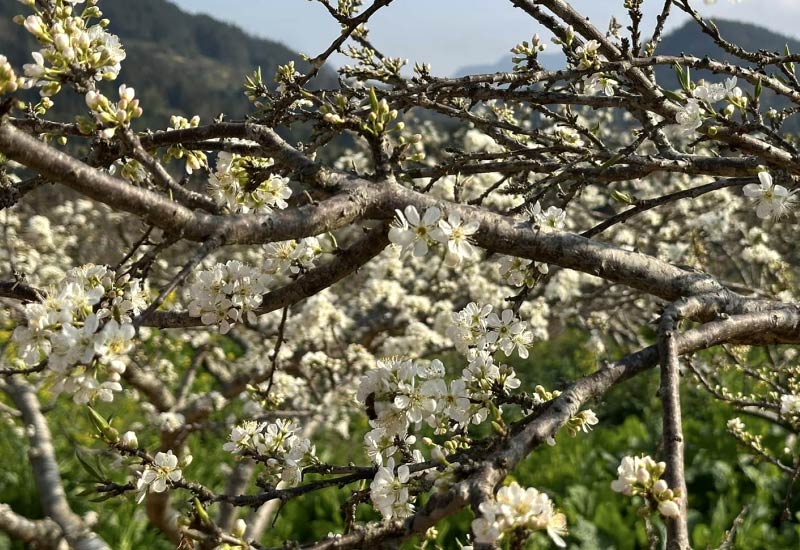
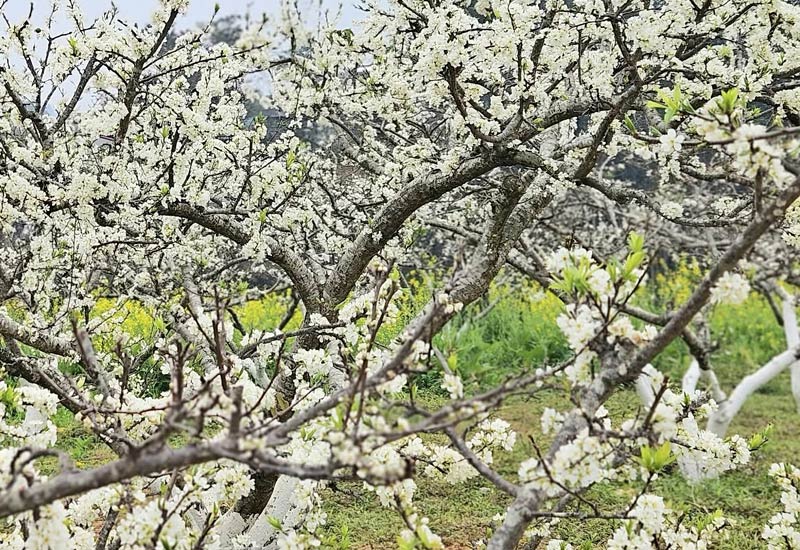
The highlight of this trip is experiencing the stunning white plum blossoms that cover the hills of Bac Ha during spring, typically from January to March. Unlike the more crowded flower fields in Moc Chau, Bac Ha offers a peaceful and less touristy setting.
For the best experience, consider renting a motorbike to explore remote valleys and hidden plum orchards. Some of the best locations to see the blossoms include Lung Phinh, Ta Chai, and Thai Giang Pho villages.
For an authentic experience, choose a homestay in Bac Ha town or nearby villages. Many homestays provide traditional meals, warm accommodations with heating, and opportunities to interact with H’Mong and Tay families. Some recommended dishes for dinner include hotpot, black chicken, and steamed corn cakes.
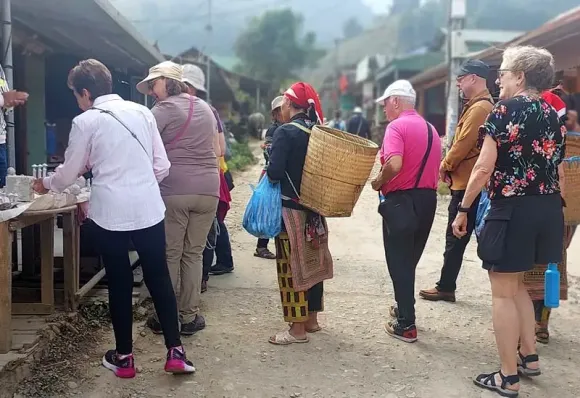
Start your day early with breakfast at your homestay before heading to Bac Ha Market, which is held every Sunday morning. This is one of the most famous ethnic markets in northern Vietnam, attracting visitors with its authentic local products and vibrant atmosphere.
At the market, you can try local delicacies such as thang co (horse meat soup) and homemade corn wine. The market is also a great place to buy handmade textiles, silver jewelry, and traditional handicrafts. If you are interested in local agriculture, visit the livestock section where villagers trade horses, buffaloes, and poultry.
Hoang A Tuong Palace is a unique historical site built in the early 20th century for the ruling Tay family of Bac Ha. The palace blends French and Chinese architectural influences and was recently renovated in 2024. Visitors can explore its grand halls, hidden passageways, and learn about the history of the region.
The entrance fee for adults is 20,000 VND, while children pay 10,000 VND.
Travel to Lao Cai City for lunch at a local restaurant. Some of the recommended dishes include bun ca Lao Cai (Lao Cai fish noodle soup) and thang den (sweet glutinous rice balls). This is a great opportunity to relax and enjoy a meal before continuing your journey.
Mau Temple is located near border marker No. 102, close to the Vietnam-China border. It is a popular spiritual site for both locals and visitors. Thuong Temple, also in Lao Cai, is dedicated to General Tran Hung Dao, a national hero from the Tran Dynasty. These temples provide insight into Vietnamese spiritual and historical traditions.
Conclude your 48-hour journey with a return trip to Hanoi, reflecting on the unique experiences and cultural discoveries made in Lao Cai.
For a seamless and unforgettable trip to Lao Cai, Asia Eyes Travel offers expert-guided Vietnam tour packages with personalized itineraries tailored to your interests. Whether you want to explore the white plum blossoms, experience ethnic culture, or discover historical sites, our professional local guides ensure a hassle-free journey.
If you are planning your next trip, let Asia Eyes Travel create a customized itinerary for you, ensuring a memorable and immersive experience in one of Vietnam’s most beautiful regions.
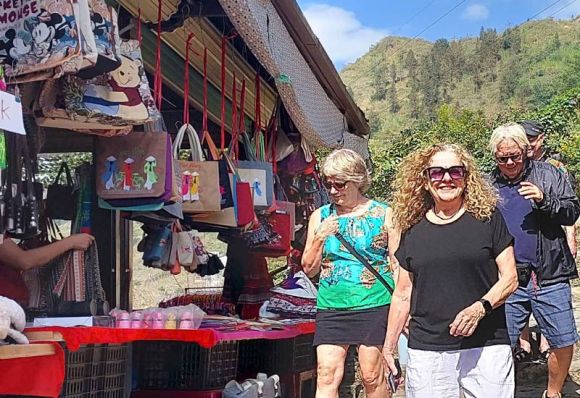
2-Day Sapa Adventure with Bac Ha Market (On Sunday only)
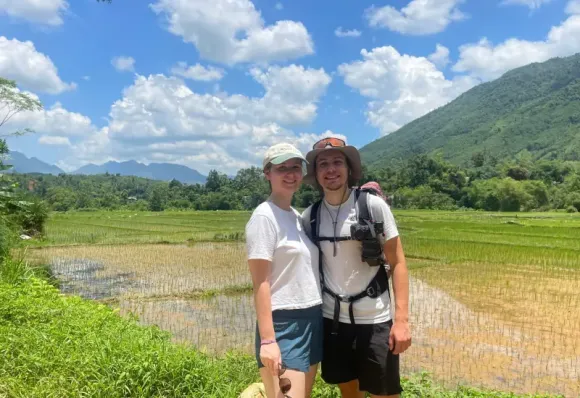
Sapa Homestay Tour 2 Days - Tour starts from Sapa
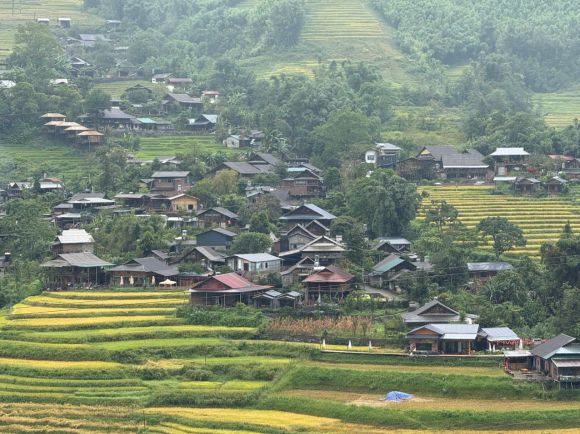
Sapa Highlights in 2 Days and 2 Nights from Hanoi