Hanoi is one of Vietnam's most fascinating destinations, captivating visitors with its rich history, centuries-old architecture, vibrant street life, and world-famous cuisine. From elegant French colonial buildings and ancient temples to bustling street food stalls and the lively atmosphere of the Old Quarter, Hanoi offers an unforgettable experience for every traveler.
Join Asia Eyes Travel as we explore the 20 best tourist attractions in Hanoi, where you can discover the city's cultural heritage, scenic lakes, historic landmarks, and authentic local lifestyle. Whether you're traveling with family, friends, or as a couple, these must-visit destinations will help you experience the very best of Vietnam's charming capital.
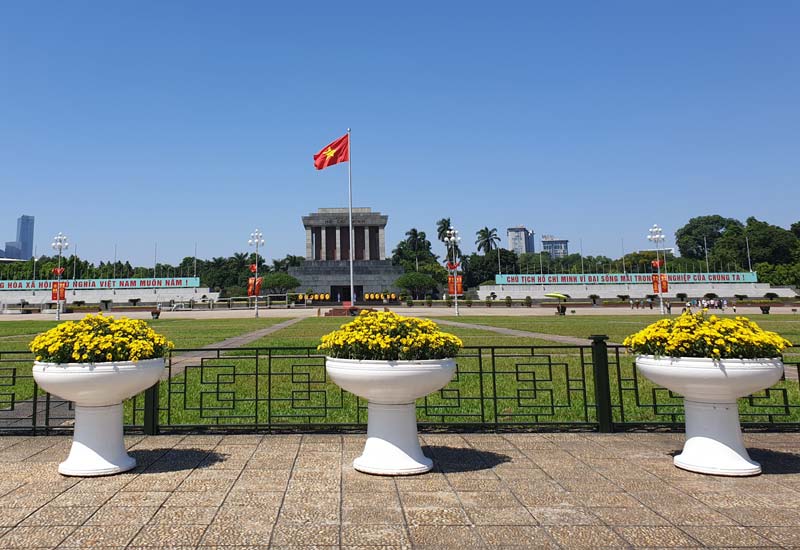
For the Vietnamese people, this is one of the most important landmarks in the country. Tourists come to pay their respects to President Ho Chi Minh. Visitors are required to maintain silence, wear appropriate attire, and refrain from taking photos in restricted areas. Attending the morning flag-raising ceremony at the Ho Chi Minh Mausoleum is a special experience. If you miss it, you can still participate in the flag-lowering ceremony at 9 PM every day. A solemn atmosphere envelops Ba Dinh Square as the loudspeaker announces the upcoming ceremony, with people lining up to watch the guards solemnly lower the national flag to the music of "Uncle Ho is Still Marching With Us."
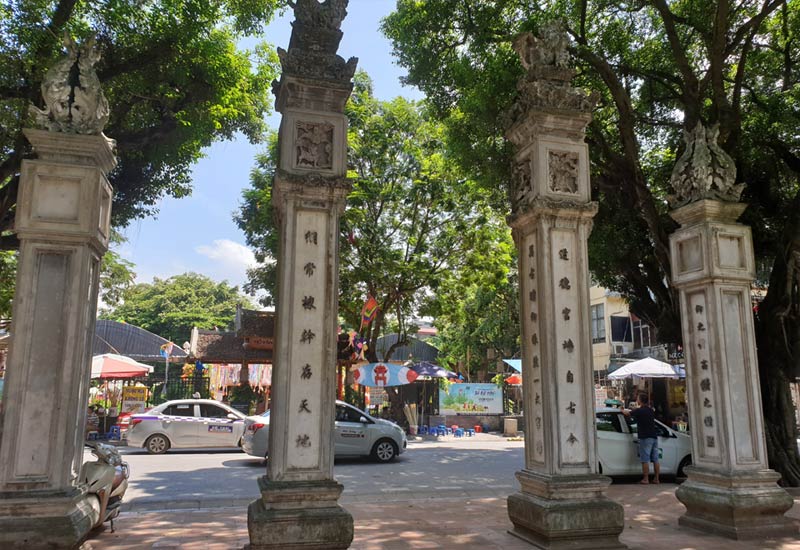
Hoan Kiem Lake, also known as Sword Lake, is one of the must-visit places in Hanoi. Located in the city center, it is considered the heart of this thousand-year-old city. The lake's surface mirrors the ancient trees, weeping willows, historic temples and pagodas, moss-covered towers, and modern high-rise buildings. Walking around the lake offers tourists a clear view of a city that is both ancient and modern. Architectural highlights around the lake include the Turtle Tower, But Tower, Nghien Platform, The Huc Bridge leading to Ngoc Son Temple, King Le Thai To Temple, and Hoa Phong Tower.

The Hanoi Old Quarter is one of the city's most vibrant and iconic tourist attractions. Located just north and west of Hoan Kiem Lake, this historic district is famous for its 36 ancient streets, each traditionally specializing in a particular trade or craft. With its narrow alleyways, colonial architecture, bustling local markets, and lively street food scene, the Old Quarter offers visitors an authentic glimpse into Hanoi's rich history and daily life.
Whether you're exploring on foot, enjoying a traditional cyclo ride, shopping for local handicrafts, or sampling famous Vietnamese dishes such as pho, bun cha, and egg coffee, the Hanoi Old Quarter is a must-visit destination for anyone traveling to Vietnam's capital.

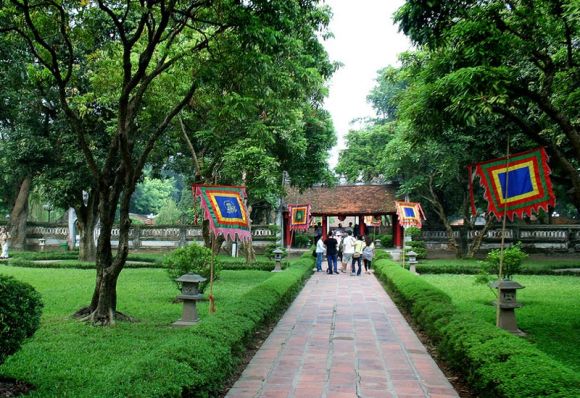
The Temple of Literature, also known as Van Mieu Quoc Tu Giam, is a must-visit destination in Hanoi. This historical and cultural site is a source of pride for the people of the capital, representing the city's thousand-year-old cultural tradition. The Temple of Literature is a symbol of knowledge and education in Vietnam. It is dedicated to Confucian saints and scholars, including Chu Van An, a revered teacher known for his high moral standards.
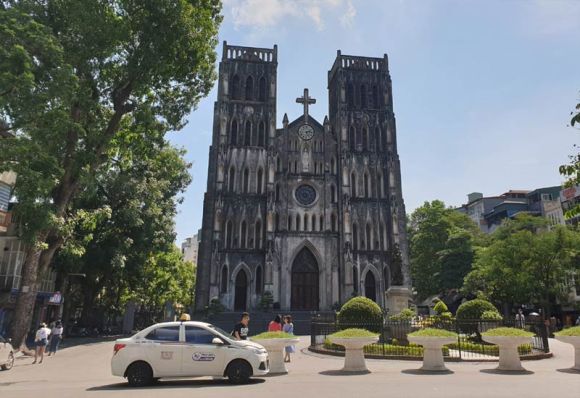
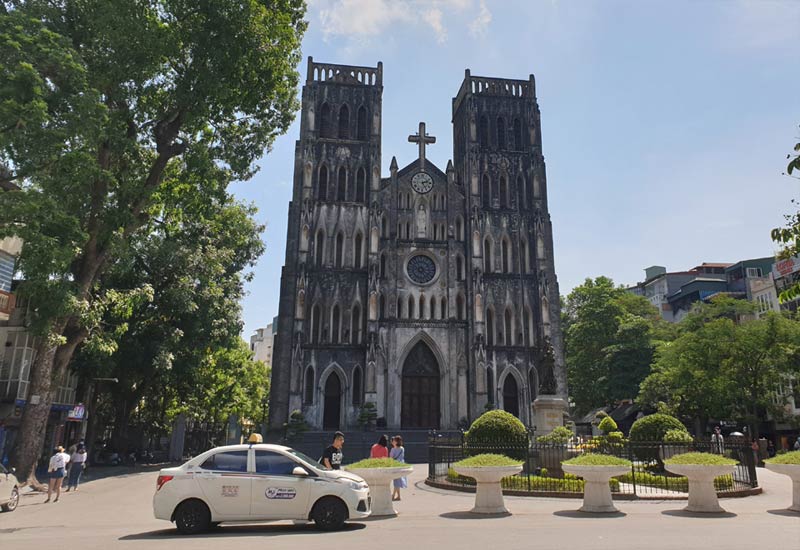
Located at 40 Nha Chung Street, Hang Trong Ward, St. Joseph's Cathedral is an interesting destination in Hanoi, attracting not only religious followers but also young people and tourists from all over. The church is designed in the medieval European Gothic style, with high walls, domes, and many windows. Inside, the sanctuary features gilded wood carvings combined with stained glass windows depicting saints. Standing inside feels like being in an ancient castle with classical music playing in the background-an experience not to be missed!
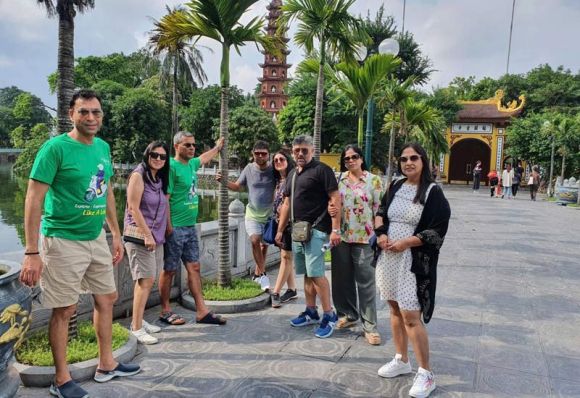
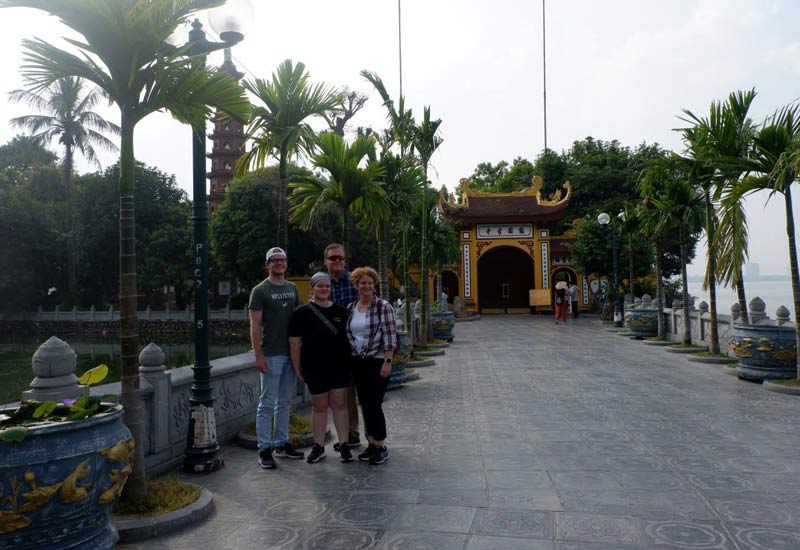
Tran Quoc Pagoda, one of the oldest pagodas in Hanoi and Vietnam, is located on a peninsula south of West Lake, near the end of Thanh Nien Street in Ba Dinh District. Once the Buddhist center of Thang Long citadel during the Ly and Tran dynasties, Tran Quoc Pagoda is renowned for its historical and architectural significance. It is a sacred site that attracts many Buddhists, as well as domestic and international visitors.
West Lake is one of the famous landmarks of Hanoi, often referred to as a "giant stage reflecting the clouds and the cityscape." The scenery around West Lake is poetic and dreamy, with tall green trees, flower beds, and grassy terraces creating a picturesque setting. The area around West Lake is also dotted with many snack shops, making it a great place for a leisurely walk.

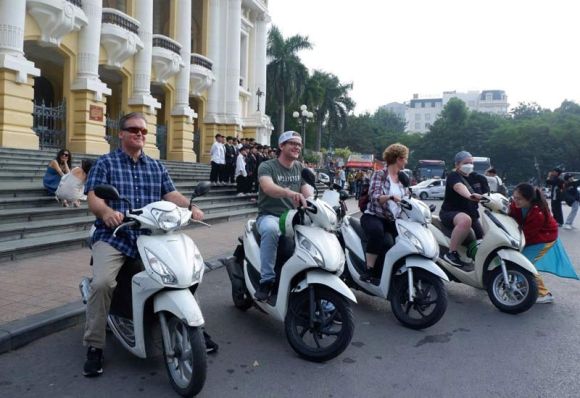
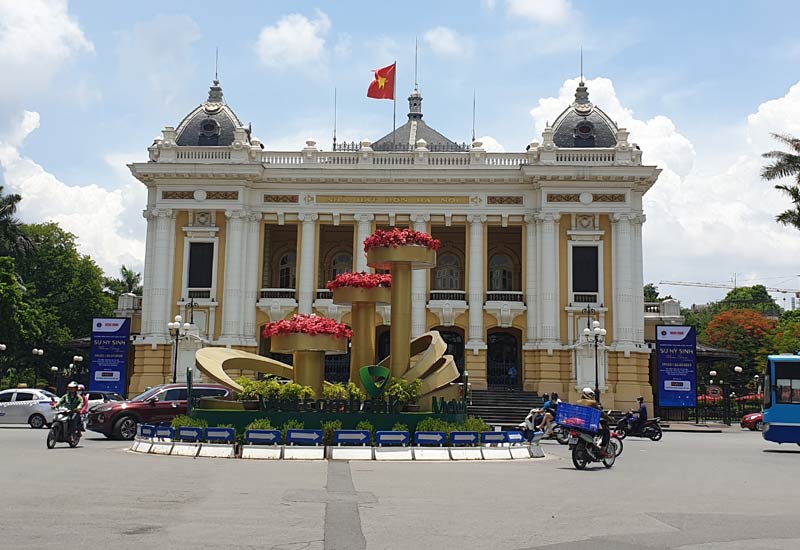
Located at 1 Trang Tien, the Hanoi Opera House is a beautiful tourist destination with significant historical value. It hosts major art performances by famous singers and artists in Vietnam. Visitors can admire the Opera House's magnificent architecture or buy tickets to one of the regular performances to see the stunning interior.
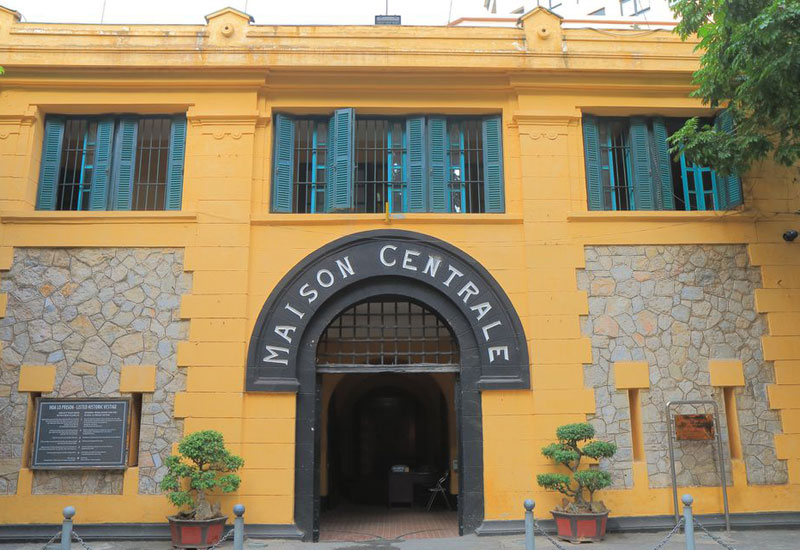
Hoa Lo Prison was built by the French colonialists in 1896 and was originally known as "Maison Centrale," a place where revolutionaries fighting against the colonial regime were imprisoned. It was one of the most secure structures in Indochina at the time. After the liberation of Hanoi, the prison was taken over by the revolutionary government. Today, Hoa Lo Prison is a special historical relic, with many valuable documents and exhibits that attract thousands of domestic and international visitors each year.
The Thang Long Imperial Citadel is a complex of relics associated with the development of Thang Long (now Hanoi), built by various dynasties over many historical periods. It is the most important site in Vietnam's system of historical relics. Visitors can explore notable places within the citadel, such as the archaeological site at 18 Hoang Dieu, Doan Mon Gate, Kinh Thien Palace, and Bac Mon (North Gate).

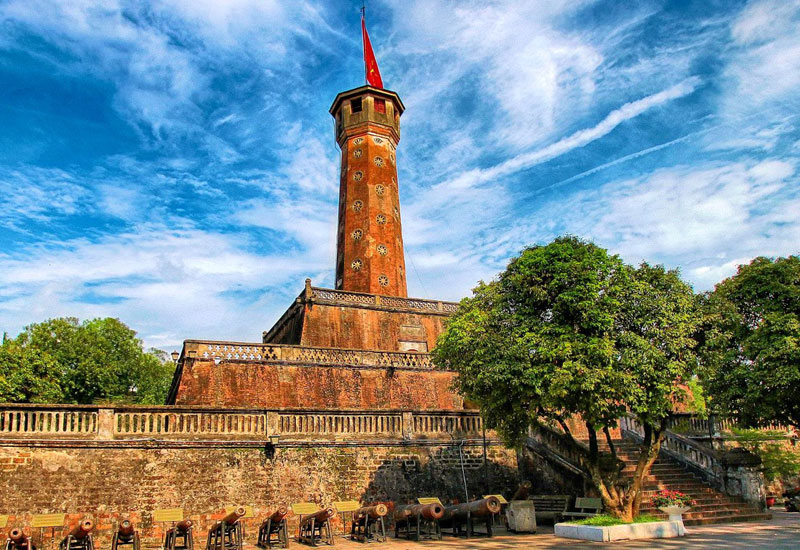
The Hanoi Flag Tower, located on the grounds of the Vietnam Military History Museum, is one of the most intact and magnificent structures within the Thang Long Imperial Citadel complex. It is a must-visit tourist attraction for anyone exploring the history of Hanoi.
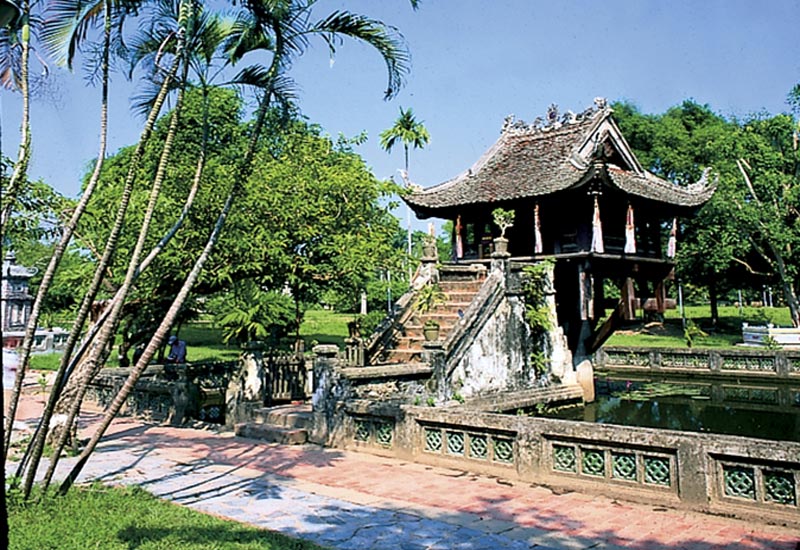
The One Pillar Pagoda, built in 1049 during the Ly Dynasty, is one of Hanoi’s most iconic symbols, alongside the Turtle Tower and Khue Van Cac. This pagoda is not only spiritually significant but also a unique architectural masterpiece. Its design, which includes intricate sculptures and paintings, evokes the image of a lotus blossom rising from a pond, reflecting Vietnam's ancient cultural values and national identity.
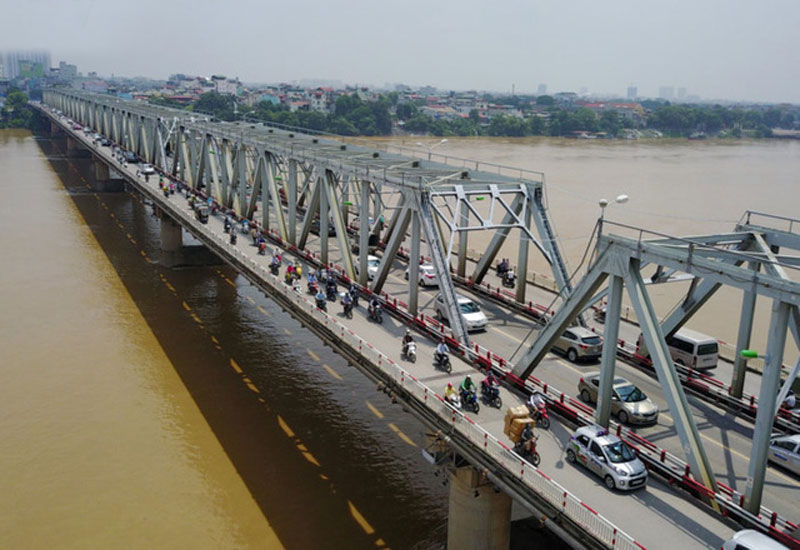
Long Bien Bridge is not just a structure spanning the Red River; it is a symbol connecting Hanoi’s present with its storied past. Visiting the bridge allows you to experience a piece of history, and you can also admire it from nearby cafes, offering a unique perspective on this historic landmark.
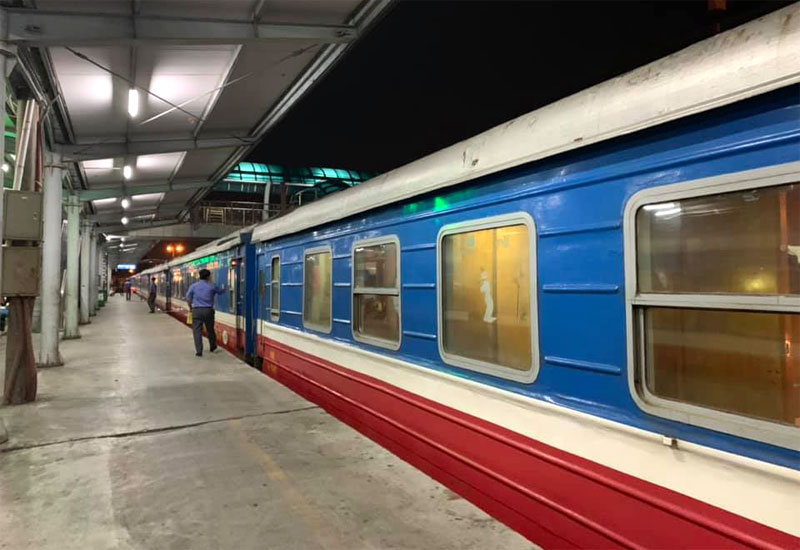
Originally known as Hang Co Station, Hanoi Railway Station was built by the French and inaugurated in 1902. For more than a century, it has been an important transportation hub for both Hanoi and the entire country.
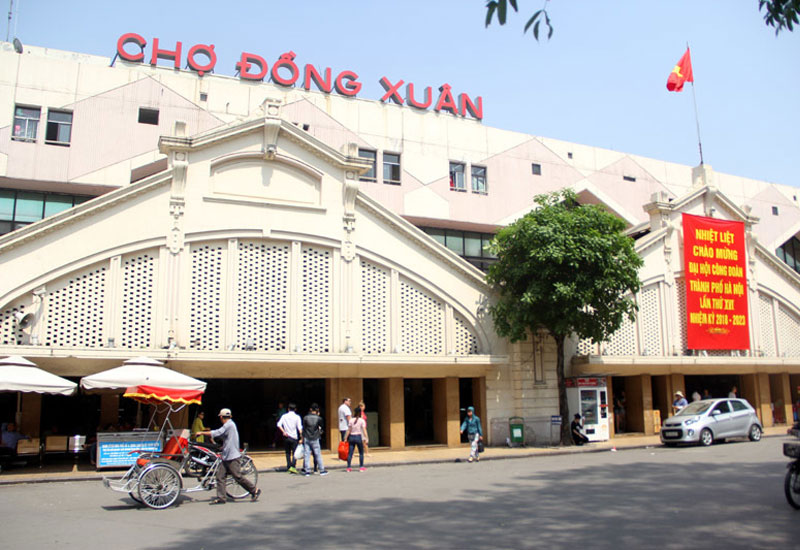
Dong Xuan Market is one of Hanoi's largest and most bustling markets, offering a wide range of goods, from food and clothing to various consumer products. As a wholesale market, it provides goods at lower prices than other places in the city. Don’t forget to pick up a few souvenirs when you visit this lively market.
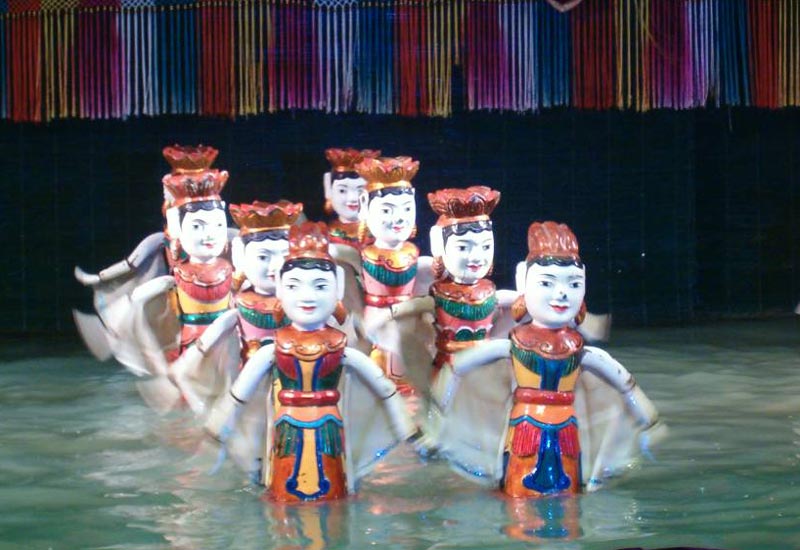
Thang Long Water Puppetry Theatre is an ideal cultural destination that attracts a large number of domestic and foreign tourists when they have the opportunity to travel to Hanoi. Here, visitors will fully enjoy the top water puppetry performances - an art form that only exists in Vietnam. Thang Long Water Puppetry Theatre is located in the heart of Hanoi, right next to Hanoi's Old Quarter and Hoan Kiem Lake.
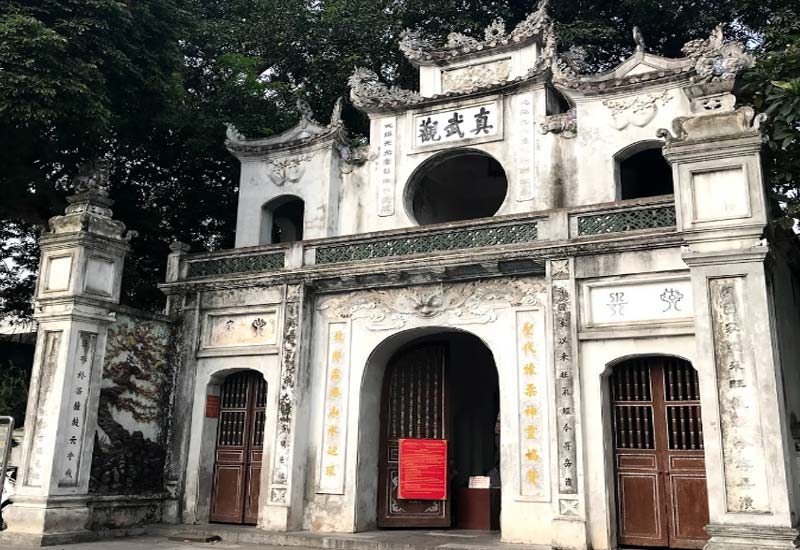
Located next to West Lake and the North Gate of Hanoi, Quan Thanh Temple is one of the most impressive spiritual sites in the capital. As one of the "four guardians" of the ancient Thang Long Citadel, the temple is dedicated to Huyen Thien Tran Vu, the god who guards the North. Despite numerous restorations over the centuries, the temple has retained its original architectural essence. It contributes to the ancient and poetic beauty of the West Lake area and is a valuable relic of culture, art, and architecture.
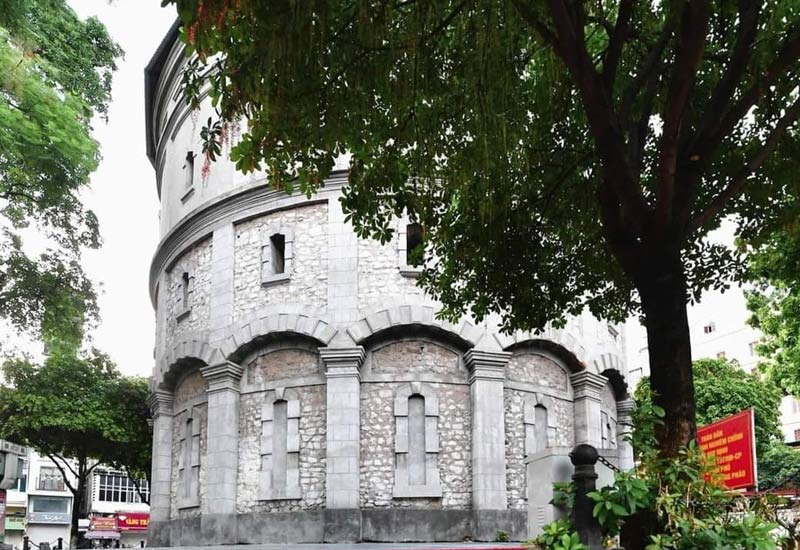
The Hang Dau Water Tower, built during the French colonial period, was designed to supply domestic water to Hanoi residents. Located at the intersection of Hang Dau, Quan Thanh, Hang Than, Hang Luoc, Hang Giay, and Phan Dinh Phung streets, its bunker-like architecture has led to the nickname "Hang Dau bunker," which has become a familiar term.
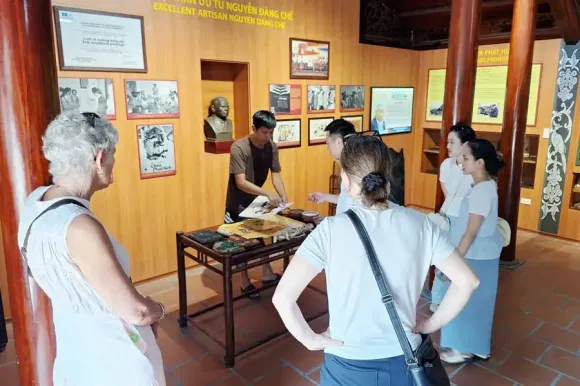
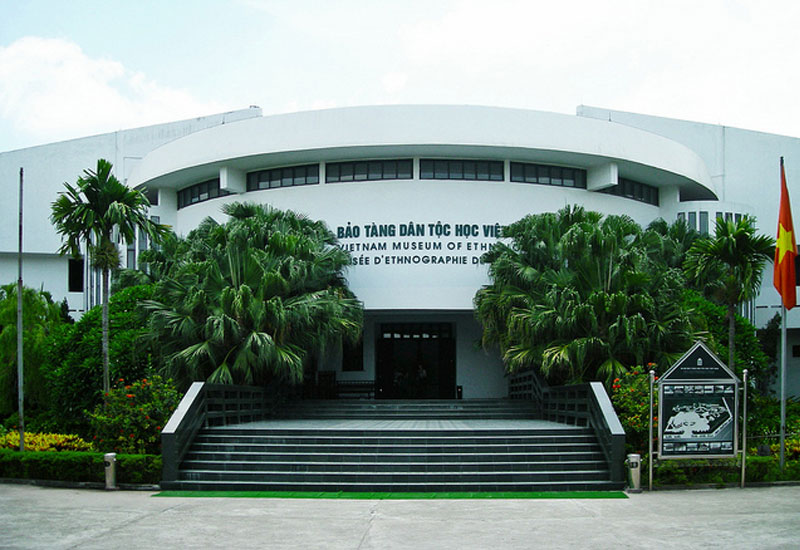
No visit to Hanoi is complete without exploring its museums and historical sites. The Museum of Ethnology, which preserves and displays 15,000 artifacts, 42,000 documents, photographs, and thousands of other items about Vietnam's 54 ethnic groups, is a popular choice for tourists. Other must-visit museums include the Vietnamese Women’s Museum, the Hanoi Museum, the National History Museum, and the Hoa Lo Prison. These sites offer deep insights into the culture and history of the city.
Ta Hien Street is one of the most famous nightlife spots in Hanoi and a popular place for travelers who want to experience the city after dark. Located in the heart of the Hanoi Old Quarter, this lively street is known for its small bars, street food, local beer, and energetic atmosphere.
Often called “Beer Street”, Ta Hien is especially busy in the evening when locals and international visitors gather on small plastic stools to enjoy drinks, food, and conversations. It is a simple but memorable way to experience Hanoi’s vibrant street culture.
Hanoi is a city where every street, lake, and temple tells its own timeless story. From historical landmarks to hidden gems, there’s always something new to uncover. Let Asia Eyes Travel take you beyond the map and into the authentic rhythm of Vietnam’s capital.
Join our exclusive Hanoi tours to discover the city’s 20 most famous destinations - from cultural heritage sites to vibrant local markets. Book your Hanoi tour today and experience the very best of this captivating city with Asia Eyes Travel.
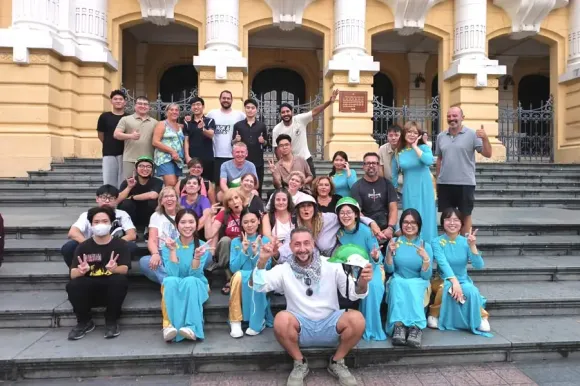
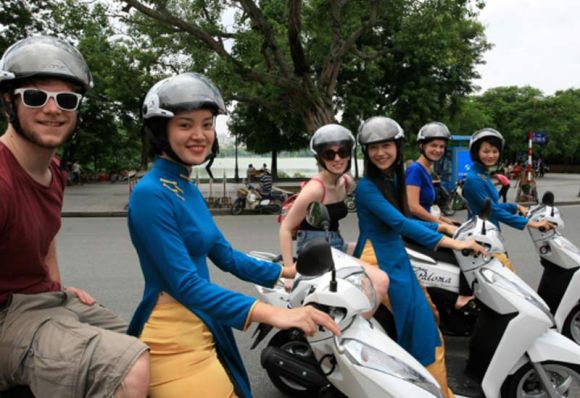
Hanoi Fabulous Food and Sights Tour by Scooter

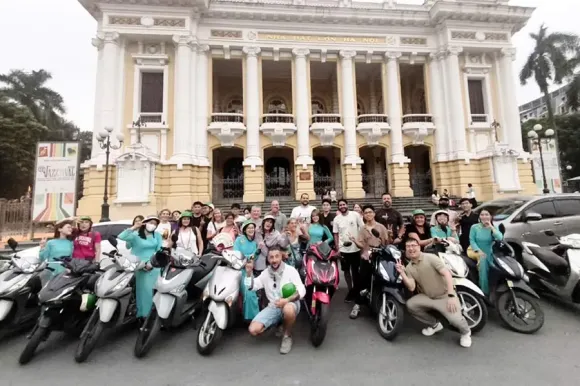
Hanoi Night Lights and Food Tour by Scooter with Female Drivers
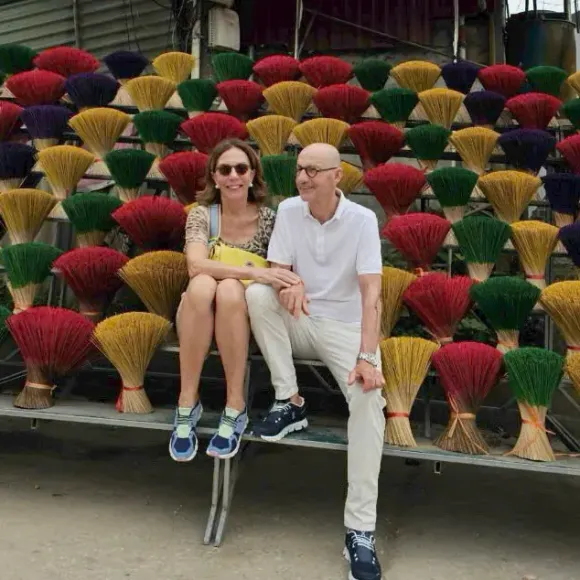
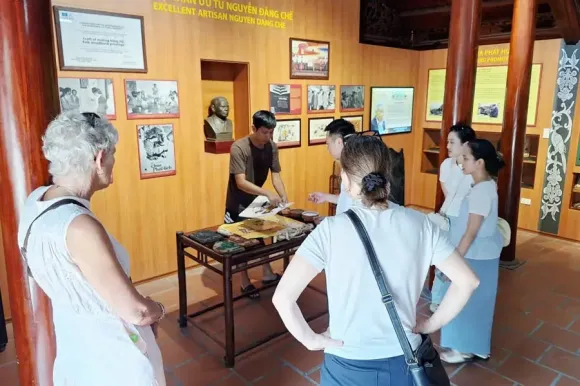
Hanoi Traditional Craft Villages Day Trip
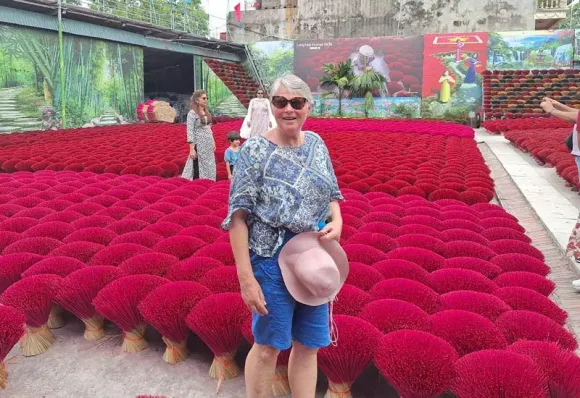
Hanoi Rural Craft Villages Tour
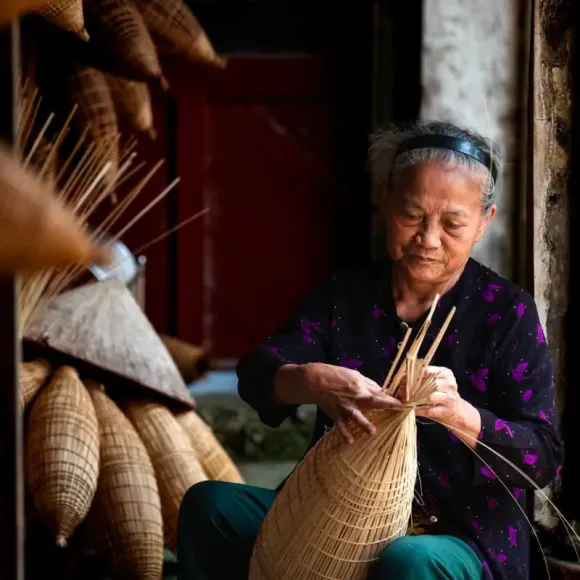
Hung Yen Bamboo Trap Fish & Soy Sauce Villages