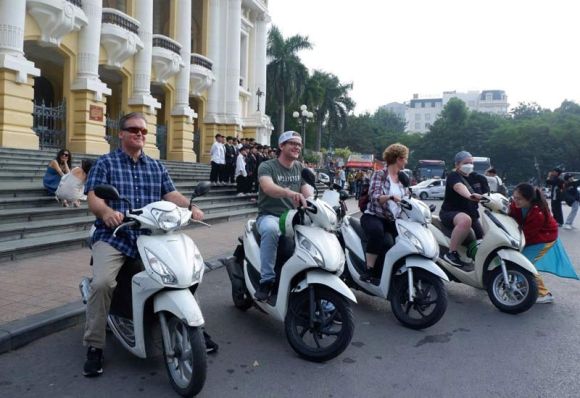
Ho Chi Minh's Mausoleum is one of the most significant historical and cultural sites in Hanoi, honoring Vietnam’s revolutionary leader. With insights from Asia Eyes Travel DMC Vietnam, visitors can better appreciate the mausoleum’s historical importance, pay respects to Ho Chi Minh, and learn about Vietnam’s modern history. Here are the best things to do at Ho Chi Minh's Mausoleum:
Ho Chi Minh's Mausoleum: Visiting Ho Chi Minh's Mausoleum offers a deep connection to Vietnam’s revolutionary history and its most important national figure. It’s both a cultural and educational experience that should not be missed when in Hanoi.
The main attraction at the mausoleum is the embalmed body of Ho Chi Minh, displayed in a glass coffin inside the central hall. Visitors can quietly walk past to pay their respects. The atmosphere is solemn, and you’ll be required to follow strict protocols, such as dressing appropriately and maintaining silence.Visiting the mausoleum provides insight into the life and legacy of Ho Chi Minh, who led Vietnam to independence. Even if you are not familiar with the details of his life, this visit offers a profound understanding of his impact on the country.
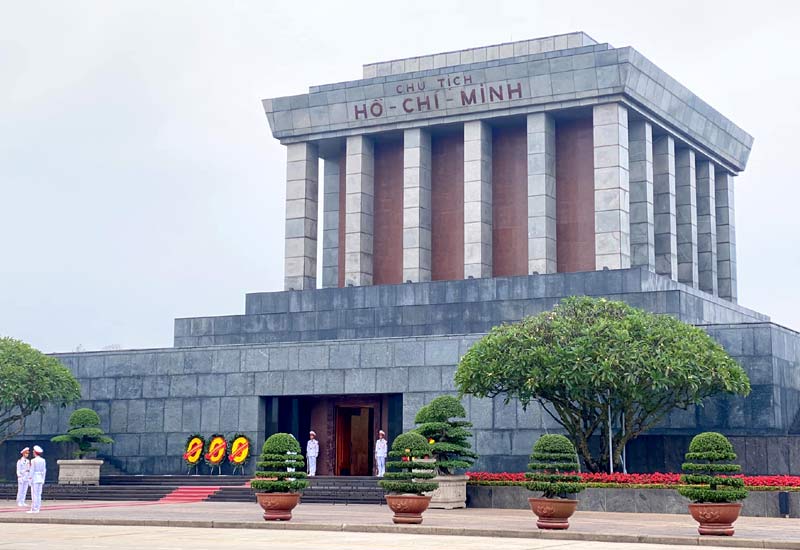
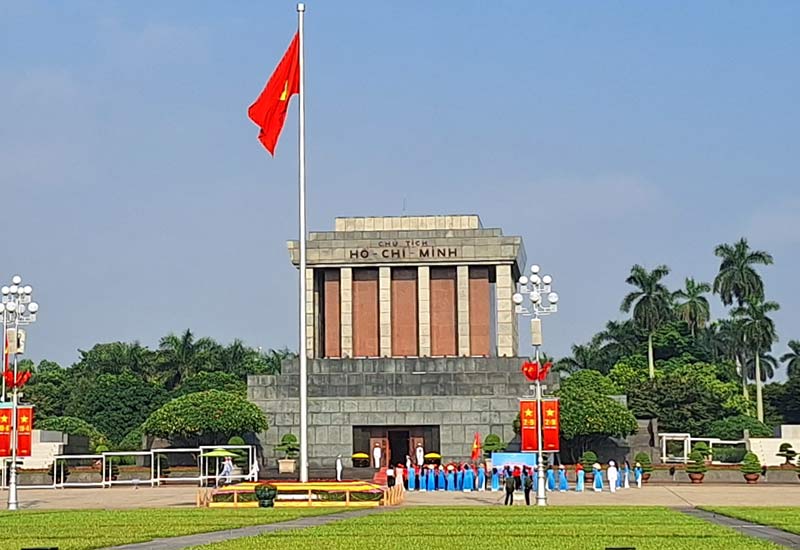
The Changing of the Guard ceremony happens several times throughout the day, offering a formal and respectful spectacle. The white-uniformed guards perform the ceremony with military precision, which draws the attention of visitors and photographers alike.
The mausoleum itself is an imposing structure, and the guards add a ceremonial aspect, making it a great time to take photos of this important national symbol.
Nearby the mausoleum is Ho Chi Minh’s simple, traditional stilt house, where he lived from 1958 until his death in 1969. The house is well-preserved, and a visit allows you to see how modestly he lived, reflecting his humble lifestyle despite being the leader of Vietnam.
While you can’t enter the palace itself, you can walk around the beautiful grounds of the Presidential Palace, an impressive French colonial building where Ho Chi Minh occasionally worked.
Close to the mausoleum, this museum is dedicated to Ho Chi Minh’s life and Vietnam’s struggle for independence. Exhibits include photographs, documents, and artifacts related to Ho Chi Minh’s life and his contributions to Vietnam's history.
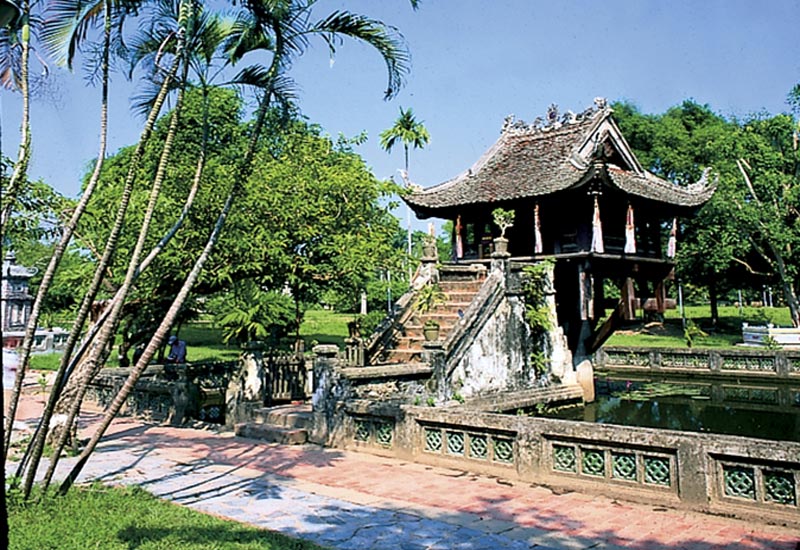
Adjacent to the Ho Chi Minh complex is the famous One Pillar Pagoda, an iconic symbol of Hanoi. This small but beautifully designed pagoda was built in the shape of a lotus flower and sits on a single stone pillar. It’s one of Vietnam’s most unique architectural landmarks and makes for a peaceful stop during your visit.
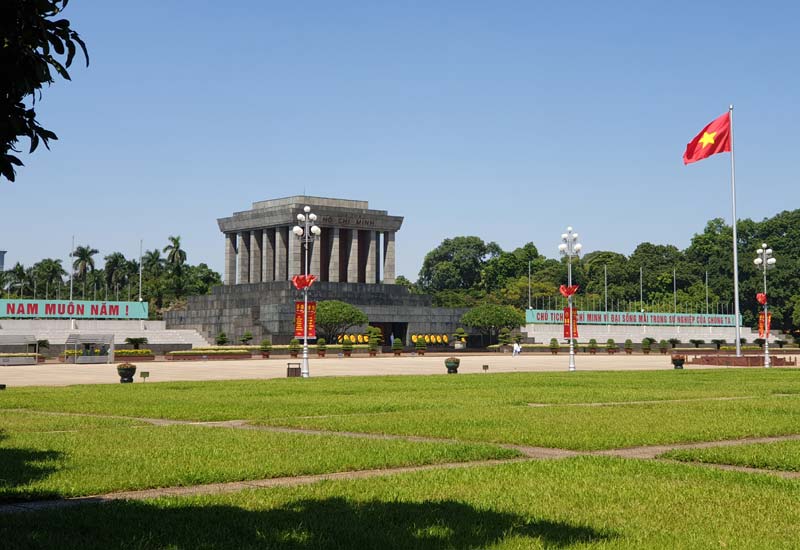
Ba Dinh Square is where Ho Chi Minh declared Vietnam’s independence from French rule in 1945. It’s a vast open space that holds historical significance and is ideal for a leisurely walk after visiting the mausoleum. You’ll also find locals gathering here for exercise and socializing, especially in the early mornings.
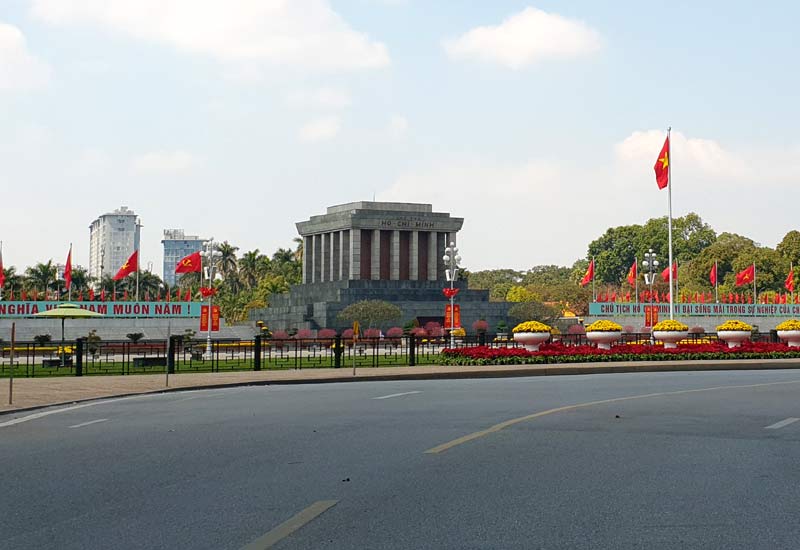
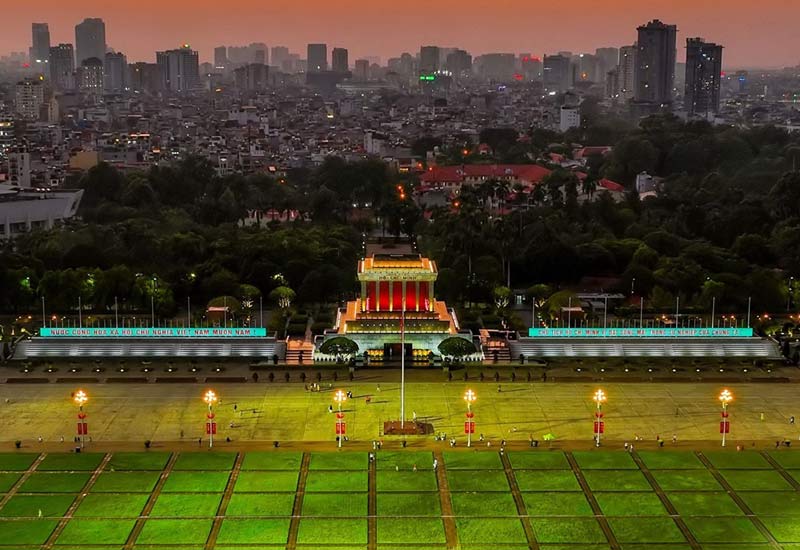
The square provides great views of the mausoleum from different angles, and it’s an excellent spot for photography, especially during sunrise or sunset.
Throughout the Ho Chi Minh Complex, there are informative plaques and guides available that detail Vietnam’s political history, the role of Ho Chi Minh, and the country’s path to independence. This makes the visit an educational experience, providing a comprehensive overview of Vietnam’s modern history.
If you visit during national holidays like Independence Day (September 2) or Ho Chi Minh’s birthday (May 19), you’ll witness grand ceremonies with military parades and large crowds gathering to pay their respects. These are significant events in Vietnam and add a deeper cultural and historical context to your visit.
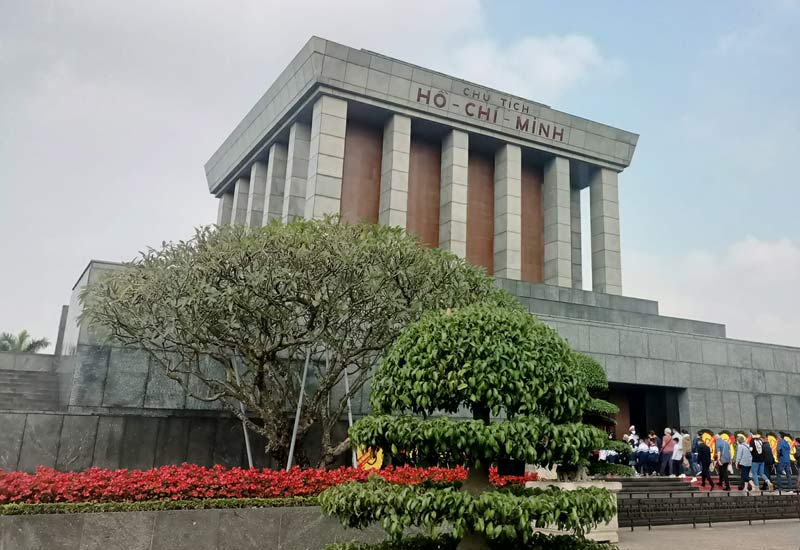
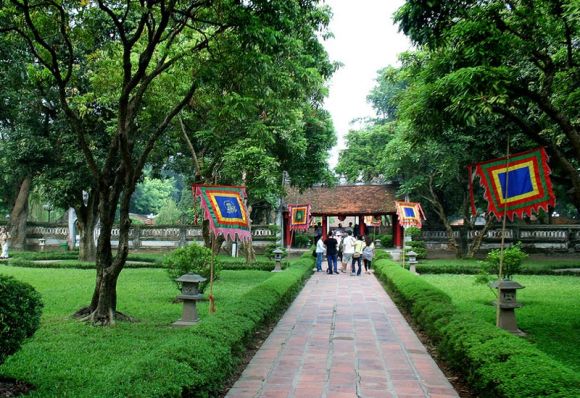
The grounds surrounding the mausoleum are well-maintained with lush gardens, peaceful walkways, and ponds. Take a moment to reflect or simply enjoy the tranquil setting away from the bustling city.

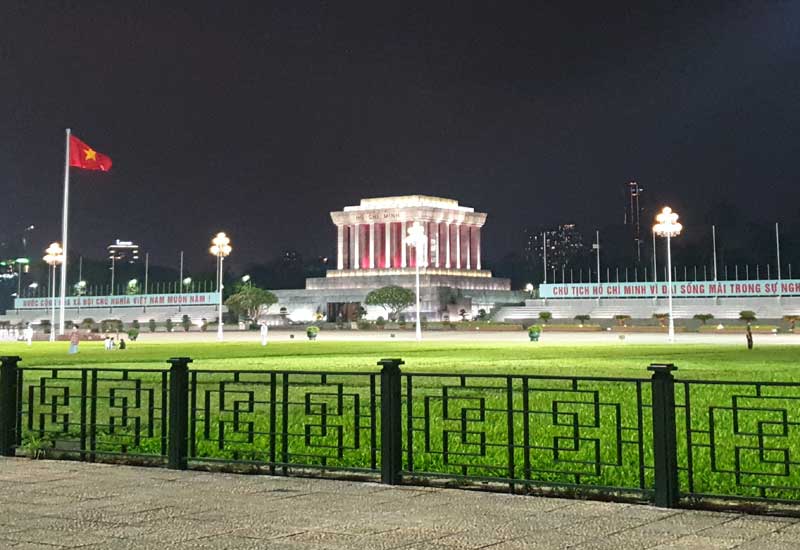
While the mausoleum itself is only open during the day, the building is beautifully illuminated at night. Visiting the square in the evening allows you to see the mausoleum in a different light, making it a great spot for quiet reflection and nighttime photography.
Pay tribute to Vietnam’s founding father at Ho Chi Minh's Mausoleum, one of Hanoi’s most iconic historical and cultural landmarks. With Asia Eyes Travel DMC Vietnam, you can explore the site respectfully and gain insights into Ho Chi Minh’s life, Vietnam’s revolutionary history, and national heritage. Enhance your Hanoi experience with our curated Hanoi tours, combining cultural exploration and seamless travel for a meaningful visit.

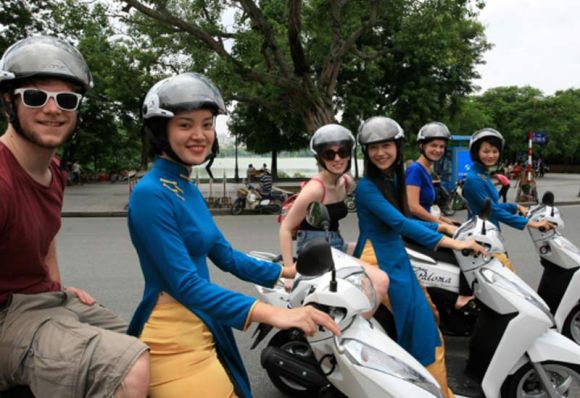
Hanoi Night Lights and Food Tour by Scooter with Female Drivers
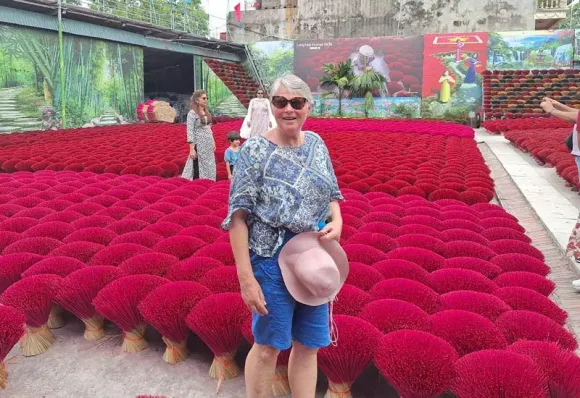
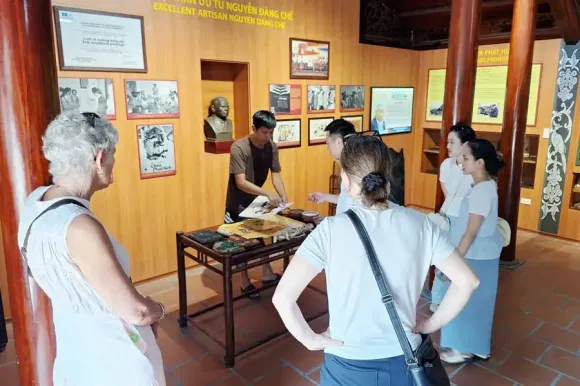
Hanoi Rural Craft Villages Tour

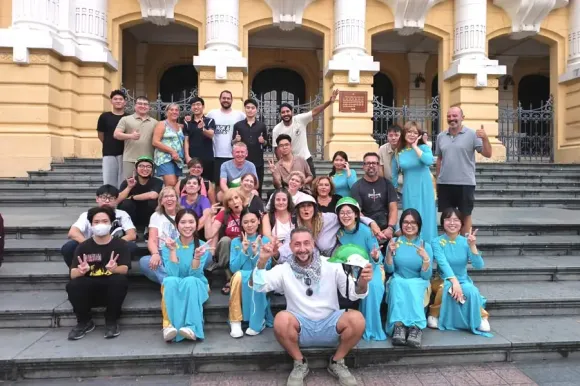
Hanoi Fabulous Food and Sights Tour by Scooter

Private trip to Ninh Binh from Hanoi