


Vietnam Travel FAQ
Visa, Food, Transport & Safety - Essential Tips for First-Time Travelers
- Home /
- Blog /
- Vietnam Travel Guide /
- Vietnam Travel FAQ: Visa, Food, Transport & Safety
Planning a trip to Vietnam is exciting, especially for travelers interested in culture, beaches, street food, luxury resorts, family holidays, or even a romantic honeymoon. From the stunning landscapes of Ha Long Bay to the lantern streets of Hoi An and the vibrant energy of Ho Chi Minh City, Vietnam offers experiences for every type of traveler. This Vietnam Travel FAQ answers the most important questions about visas, safety, food, transport, beaches, budgets, and travel planning to help you prepare for a smoother and more enjoyable journey.
If you are planning a trip to Vietnam, one of the most common questions is: Do I need a visa to visit Vietnam? The answer depends on your nationality, the length of your stay, and the purpose of your visit.
Many travelers can enter Vietnam visa-free for a limited number of days, while others are required to apply for an Vietnam e-visa before arrival. The Vietnamese government currently offers an easy online visa application system for citizens of many countries, allowing stays of up to 90 days with single or multiple entries.
To apply for a Vietnam tourist visa, you usually need:
Processing times are typically between 3–5 working days, although it is recommended to apply earlier during peak travel seasons. Travelers should also double-check the latest visa regulations before departure, as entry requirements may change.
Currently, around 38 countries and territories are granted visa exemption for Vietnam, with stays ranging from 14 to 90 days depending on nationality and bilateral agreements. Popular countries eligible for visa-free entry include United Kingdom, France, Germany, Italy, Spain, Russia, Japan, South Korea, Denmark, Sweden, Norway, Finland, Belarus, Poland, Switzerland, Czech Republic, Singapore, Thailand, Malaysia, Indonesia, Philippines, Cambodia, Laos, Brunei, Myanmar, Chile, and Kyrgyzstan. In addition, citizens of most countries can now apply online for a Vietnam e-visa valid for up to 90 days.
Vietnam currently offers:
Visa rules can change depending on nationality, so it is always best to check the latest official requirements before traveling.
Most international travelers find the Vietnam e-visa process simple and convenient.
This is one of the most common questions travelers ask before visiting this diverse and fascinating country. From the bustling streets of Hanoi and Ho Chi Minh City to the beautiful beaches of Phu Quoc, the lantern-filled charm of Hoi An, the imperial heritage of Hue, and the breathtaking scenery of Ha Long Bay, Vietnam offers unforgettable experiences for every traveler.
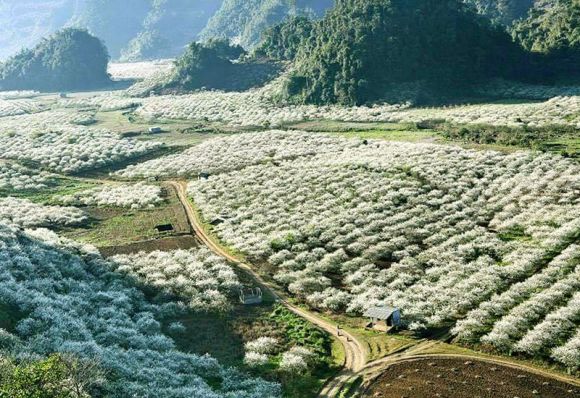
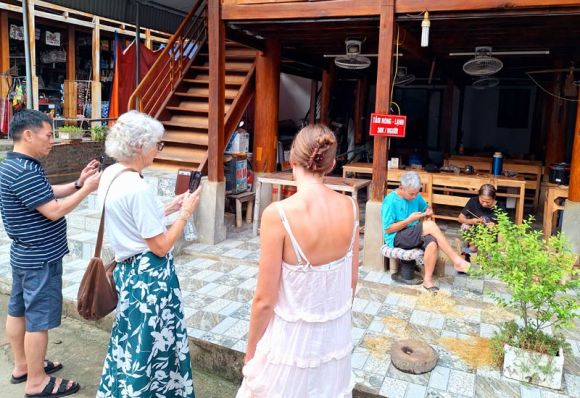
Nature lovers can explore the stunning limestone landscapes of Ninh Binh, the mountain rice terraces and ethnic culture of Sapa, or enjoy the peaceful countryside and traditional villages of Mai Chau.
For shorter trips, 5 to 7-day Vietnam itineraries are perfect for exploring either North Vietnam or South Vietnam, allowing travelers to fully experience each destination at a comfortable pace. If you have more time, the ideal Vietnam itinerary is between 10 and 18 days, giving you the opportunity to discover the country from North to South. A 15-day Vietnam tour is perfect for combining culture, beaches, mountains, and local life, while an 18-day Vietnam itinerary offers a slower and more immersive journey with hidden gems, authentic cuisine, and meaningful cultural encounters throughout Vietnam.
Yes, Vietnam is considered one of the safest countries in Southeast Asia for tourists. Millions of international travelers visit Vietnam every year thanks to its beautiful landscapes, rich culture, and welcoming atmosphere.
Vietnam is famous for its friendly locals, delicious food, vibrant street life, and diverse cultural experiences. Travelers generally feel comfortable walking around tourist areas, exploring local markets, enjoying street food, and visiting cultural attractions.
Violent crime against tourists is very rare in Vietnam. However, like in many popular destinations around the world, visitors should still be aware of small risks such as pickpocketing or petty theft in crowded places.
Vietnam is a diverse and beautiful country offering everything from vibrant modern cities and ancient heritage towns to stunning beaches, mountains, and rich cultural landscapes. From the bustling capital Hanoi and the dynamic energy of Ho Chi Minh City, to natural wonders like Ha Long Bay and the peaceful countryside of Ninh Binh, the country offers unforgettable experiences for every type of traveler.
In the north, visitors can explore the mountain beauty and ethnic culture of Sapa and the tranquil valleys of Mai Chau, while central Vietnam is home to the imperial history of Hue, the lantern-lit charm of Hoi An, and the modern coastal beauty of Da Nang. Further south, travelers can relax on the beaches of Nha Trang, explore the river life of the Mekong Delta, and enjoy island escapes in Phu Quoc.
Together, these destinations create a perfect blend of culture, nature, history, and relaxation, making Vietnam one of the most rewarding travel destinations in Southeast Asia.
Vietnam is widely considered one of the most affordable travel destinations in Southeast Asia, offering incredible value for budget travelers, families, honeymoon couples, and even luxury travelers. The cost of traveling in Vietnam can vary depending on your travel style, accommodation choices, transportation, and activities, but overall, Vietnam remains an excellent destination for travelers looking for high-quality experiences at reasonable prices.
For budget travelers, daily expenses usually range from 20 to 35 USD per day, including local guesthouses, street food, transportation, and sightseeing. Travelers looking for more comfort can expect to spend around 50 to 120 USD per day for boutique hotels, domestic flights, guided tours, and quality restaurants. For those seeking premium experiences, luxury Vietnam tours with beachfront resorts, private guides, and exclusive services may cost 150 USD or more per day.
At Asia Eyes Travel, we not only specialize in luxury private tours in Vietnam, but also offer small group tours for travelers who want to save money while still enjoying authentic and well-organized travel experiences. Whether you are planning a family holiday, Vietnam honeymoon, cultural adventure, or beach vacation, our team can design the perfect trip to match your budget and travel style.
The official currency used in Vietnam is the Vietnamese Dong (VND). While credit cards are accepted in many hotels, restaurants, and tourist areas, cash is still widely used throughout the country, especially at local markets, street food stalls, small cafés, and traditional shops.
For many first-time visitors, the Vietnamese currency can seem a little confusing because banknotes contain a large number of zeros. For example, 100,000 VND and 500,000 VND are commonly used notes in daily transactions. It is always a good idea to carefully check the amount before making a payment.
Credit cards are widely accepted in major cities and popular tourist destinations throughout Vietnam. Most hotels, luxury resorts, shopping malls, and upscale restaurants in destinations such as Hanoi, Da Nang, and Ho Chi Minh City accept international cards like Visa and Mastercard.
However, cash is still very important when traveling in Vietnam, especially for everyday local experiences such as:
For this reason, many travelers choose to carry both cash and credit cards to make their trip more convenient and flexible.
ATMs are easy to find in major cities, airports, and tourist destinations across Vietnam, allowing visitors to conveniently withdraw Vietnamese Dong (VND) during their journey.
Yes, street food in Vietnam is generally safe for travelers, and trying local dishes is one of the biggest highlights of visiting the country. From small roadside stalls to lively night markets, Vietnam offers an incredible food culture filled with fresh ingredients, aromatic herbs, and authentic local flavors.
Most travelers enjoy Vietnamese street food safely by choosing busy food stalls where dishes are freshly prepared and popular with local customers. Watching the food being cooked right in front of you is also part of the unique culinary experience and helps ensure freshness.
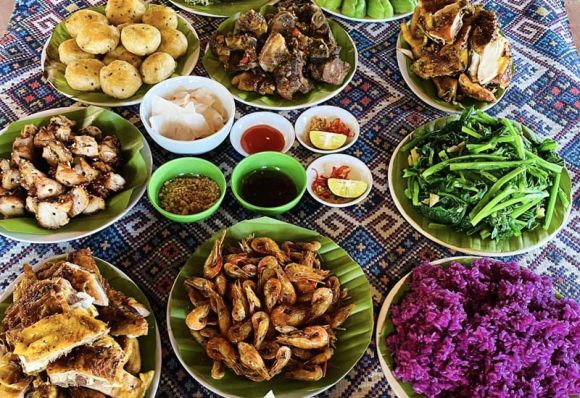
Some of the must-try Vietnamese dishes include Pho, Bun Cha, Banh Mi, Bun Bo Hue, Goi Cuon, and Cao Lau.
To enjoy street food safely, travelers should drink bottled water, avoid uncooked food that has been left outside for long periods, and choose stalls with good hygiene and a steady flow of customers. With a little common sense, exploring Vietnamese street food can become one of the most memorable parts of your trip to Vietnam.
When visiting temples and pagodas in Vietnam, travelers are encouraged to dress respectfully to honor local culture and religious traditions. Modest and comfortable clothing is generally recommended when entering sacred sites.
Visitors should avoid wearing:
Instead, lightweight clothing that covers the shoulders and knees is considered appropriate for most religious sites in Vietnam. During hot weather, breathable fabrics such as cotton or linen can help travelers stay comfortable while still dressing respectfully.
Both North Vietnam and South Vietnam offer unique travel experiences, and the best place to start depends on your travel style, interests, budget, and the amount of time you have in Vietnam. It can also depend on where you find the most suitable international flight tickets and how you plan your overall journey.
For first-time visitors, many travelers choose to begin in Hanoi and travel southward to Ho Chi Minh City in order to experience Vietnam’s changing landscapes, regional cuisine, culture, and local lifestyle from North to South. This route allows visitors to discover famous destinations such as Ha Long Bay, Hoi An, Hue, and the Mekong Delta along the way.
Tipping is not mandatory in Vietnam, but it is always appreciated, especially in the tourism and service industry. In local restaurants, cafés, taxis, and small shops, tipping is generally not expected from travelers. However, many visitors choose to leave a small tip as a gesture of appreciation for good service.
While tipping in Vietnam is completely optional, it is considered a kind and respectful way to show appreciation for good hospitality and service during your trip.
Planning the right Vietnam itinerary can make a huge difference to your overall travel experience. Asia Eyes Travel DMC Vietnam specializes in creating personalized Vietnam tours for couples, families, private groups, honeymoon travelers, and luxury vacations across the country.
Once you decide to travel with us, we are committed to providing a safe, convenient, and budget-friendly experience, helping you enjoy a wonderful holiday in Vietnam. Contact us at info@asiaeyestravel.com or WhatsApp +84 935 946 688 to start planning your unforgettable Vietnam journey.