


Son La Travel Tips
Mountains, Culture & Local Life
- Home /
- Blog /
- Vietnam Travel Guide /
- Son La Travel Tips: Practical Advice for Exploring Northwest Vietnam
Son La is one of the most rewarding destinations in Northwest Vietnam for travelers who prefer mountain landscapes, ethnic culture, tea plantations, village life, and a slower travel experience. The province is best known internationally for Moc Chau and Ta Xua, but the experiences are quite different: Moc Chau is a highland plateau of tea hills, flower valleys, orchards and waterfalls, while Ta Xua is a rugged mountain destination famous for cloud hunting and dramatic viewpoints.
For first-time visitors, the most useful Son La travel tips are not about ticking off as many attractions as possible. Mountain roads take time, weather can change quickly, and different parts of Son La offer very different experiences. A well-planned trip should allow enough time to enjoy the landscape rather than spending most of the day travelling between distant locations.
Allow at least three days if Moc Chau is your main destination. This gives you enough time to travel from Hanoi, visit tea plantations and countryside areas, and experience local villages without rushing. Four or five days work better if you want to include Ta Xua, because mountain roads require more travel time. Rather than changing accommodation every night, stay two nights in one location where possible. A slower schedule gives you more opportunities to stop at viewpoints, enjoy local meals and experience the landscape between destinations.
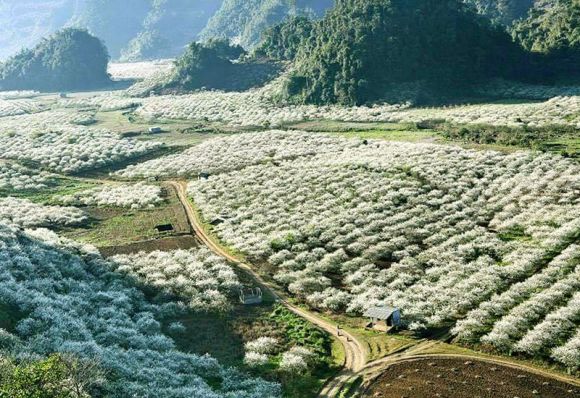
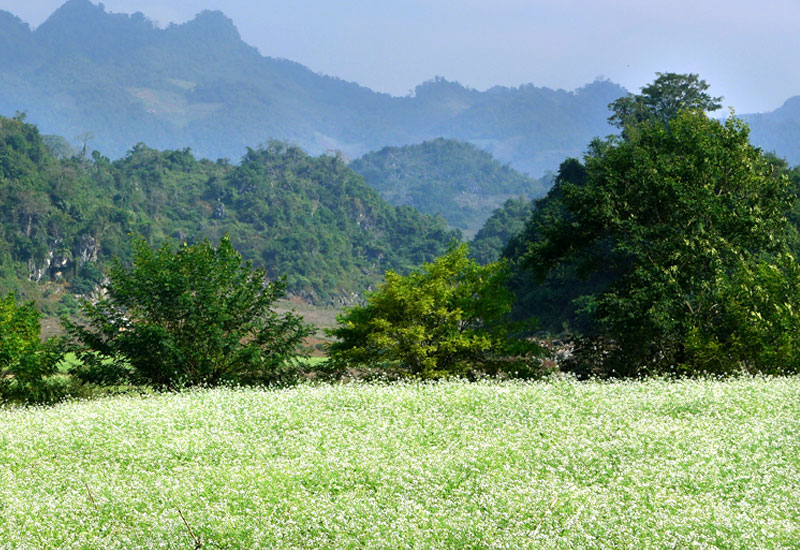
The best time to visit Son La depends on what you want to see. Moc Chau is particularly attractive during its flower and plum blossom seasons, while the tea-covered hills remain a highlight throughout much of the year. Autumn can bring attractive mountain and agricultural scenery, while cooler months are popular for Ta Xua cloud hunting. Seasonal conditions vary, so travelers visiting specifically for flowers or clouds should check recent local conditions before departure. Do not build your entire itinerary around a single weather-dependent experience.
Most travelers reach Son La from Hanoi by road. Limousine buses usually take around 5–6 hours, with fares from approximately 270,000–320,000 VND per person. Popular operators include Moc Chau Limousine, Minh Chau Limousine, Xuan Trang Limousine, Nhat An Limousine and Hai Van. Morning departures generally start from around 5:00–7:00, with arrival in Son La in the afternoon. Sleeper buses are also available, including overnight services, with fares typically around 300,000–450,000 VND. For greater comfort and flexibility, especially when stopping at viewpoints or villages, a private car with a local driver is the most convenient option.
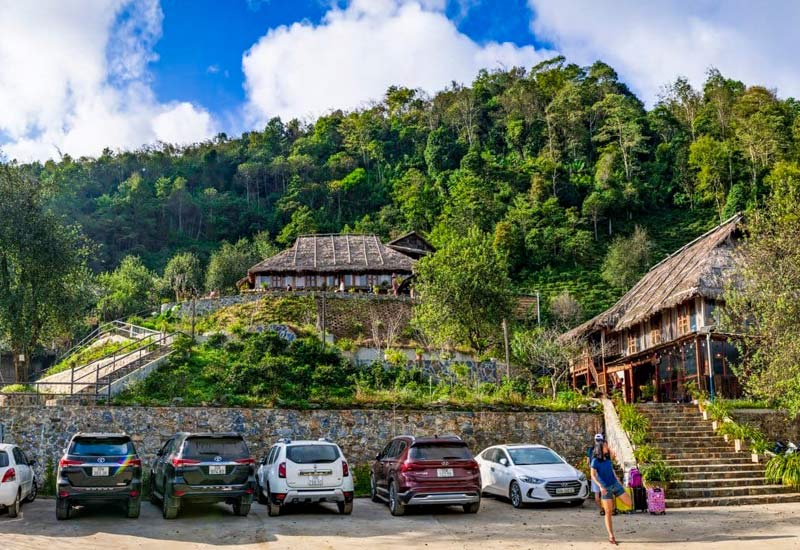
Moc Chau has the widest choice of accommodation in Son La, including hotels, resorts, farm stays and local homestays. Choose a central hotel if you value convenience, or stay near a village or agricultural area for a quieter experience. Homestays are particularly suitable for travelers interested in local food and everyday life. Accommodation in Ta Xua is simpler, with small guesthouses and homestays being more common than full-service hotels. If comfort is important, check facilities such as hot water, heating, private bathrooms and Wi-Fi before booking.
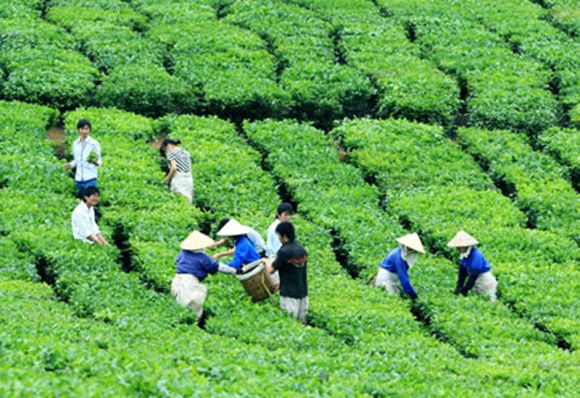
The green tea plantations are among the most distinctive landscapes in Moc Chau. Instead of simply stopping for photographs, consider combining a visit with a local explanation of tea cultivation and production. Early morning is a pleasant time to walk among the plantations because temperatures are cooler and the light is generally better for photography. Tea experiences can also provide a more meaningful connection with the agricultural character of the plateau. For travelers interested in food and local products, tasting freshly prepared Moc Chau tea is a natural part of the experience.
Moc Chau's agricultural landscape changes throughout the year, which makes seasonal travel particularly rewarding. Depending on your dates, you may encounter plum blossoms, fruit orchards, flower gardens or strawberry farms. Visiting during the appropriate season allows you to experience the countryside rather than simply viewing it from the roadside. Local villages can also provide opportunities to meet ethnic communities and see traditional houses and farming activities. Check current flowering and harvesting conditions before traveling if a particular seasonal experience is an important reason for your trip.
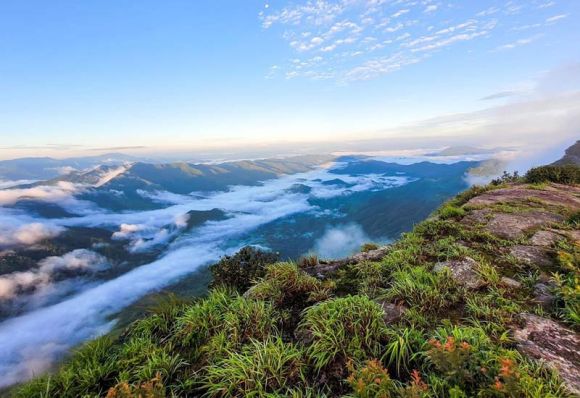
Ta Xua is famous for its spectacular sea of clouds, but cloud hunting is weather-dependent and cannot be guaranteed. Early morning is generally the most important time to be at a viewpoint, so plan to start before sunrise. Temperature, humidity and visibility can change quickly in the mountains. Allowing an extra day is useful if cloud hunting is a major priority because conditions may not cooperate on your first morning. Treat the experience as part of a mountain journey rather than expecting a guaranteed photographic scene.
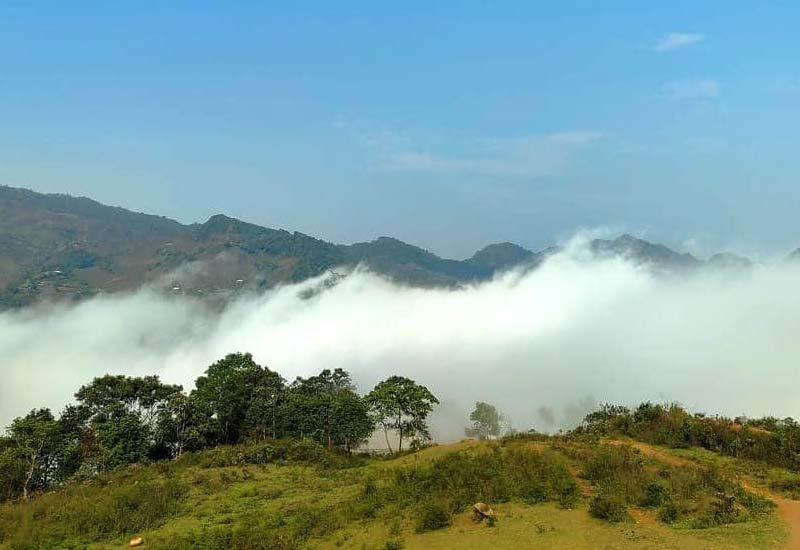
Ta Xua's dramatic ridges and viewpoints are rewarding but require more preparation than a typical sightseeing stop. Some trails include uneven surfaces and exposed sections, so comfortable walking shoes are essential. Avoid rushing, particularly when visibility is poor or the ground is wet. Travelers without experience riding on mountain roads should consider using a local driver rather than renting a motorbike. A local guide can also make it easier to understand trail conditions and choose viewpoints according to the weather.
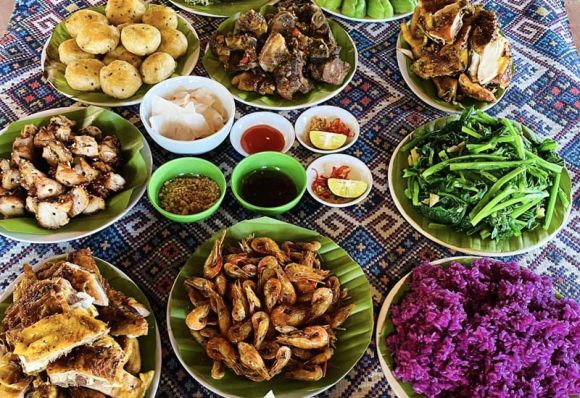
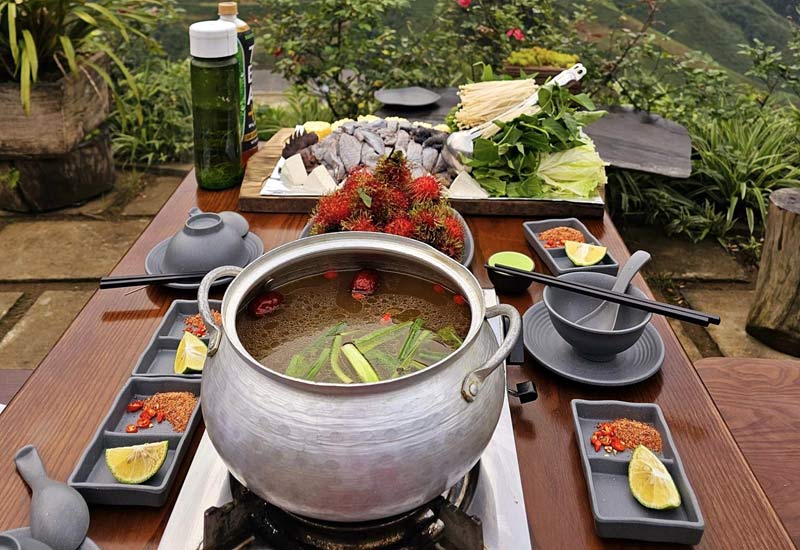
Food is an important part of experiencing Son La, particularly when staying in local communities. Look for grilled meats, sticky rice, freshwater fish, vegetables and regional herbs, which reflect the agricultural traditions of the Northwest. Meals at homestays are often served family-style, allowing you to try several dishes at once. Moc Chau is also known for local tea and agricultural products. If you have allergies or dietary restrictions, explain them before ordering because some regional dishes use ingredients that may not be immediately obvious to international travelers.
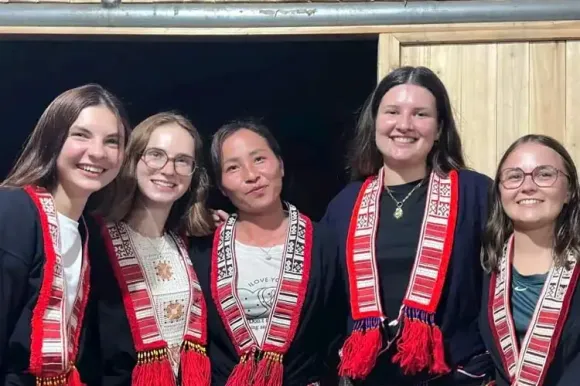
Son La is home to diverse ethnic communities, including Thai and H'Mong communities, whose traditions contribute greatly to the region's character. When visiting villages, remember that people are living their everyday lives rather than performing for visitors. Ask before photographing residents, especially children and older people. If invited into a home, follow your host's guidance and respect private areas. Staying at a family-run homestay, eating a home-cooked meal or purchasing locally produced goods can create a more genuine cultural experience while providing direct support to local communities.
Son La is usually more enjoyable as part of a wider Northern Vietnam itinerary than as an isolated stop. Travelers can combine Hanoi with Mai Chau and Moc Chau for a relatively relaxed mountain journey, while those with more time can continue towards Ta Xua and other northern highland areas. Avoid adding too many destinations simply because they appear close on a map. Mountain travel takes time, and the scenery between destinations is part of the experience. A carefully paced route will usually be more rewarding than trying to cover the entire region quickly.
For travelers who want to experience Son La without managing complicated mountain transportation themselves, a customized itinerary can make the journey considerably easier. Asia Eyes Travel can arrange private transportation, accommodation, local guides and experiences in Moc Chau, Ta Xua and other Northern Vietnam destinations according to your schedule and interests.
For personalized consultation and detailed arrangements, please contact info@asiaeyestravel.com or reach us via WhatsApp +84 935 946 688 (Mr. Thuc Nguyen). Our team can help you build a practical itinerary that combines Son La with other destinations in Northern Vietnam.

Discover Northern Vietnam 10 Days

Authentic North Vietnam Tour 8 Days
11-Day Northern Vietnam Tour Package
North Vietnam Itinerary 7 Days
12-Day Essential North Vietnam Tour
6-Day Northern Vietnam Nature & Heritage Tour

Northern Vietnam Tour 5 Days ( From Hanoi )