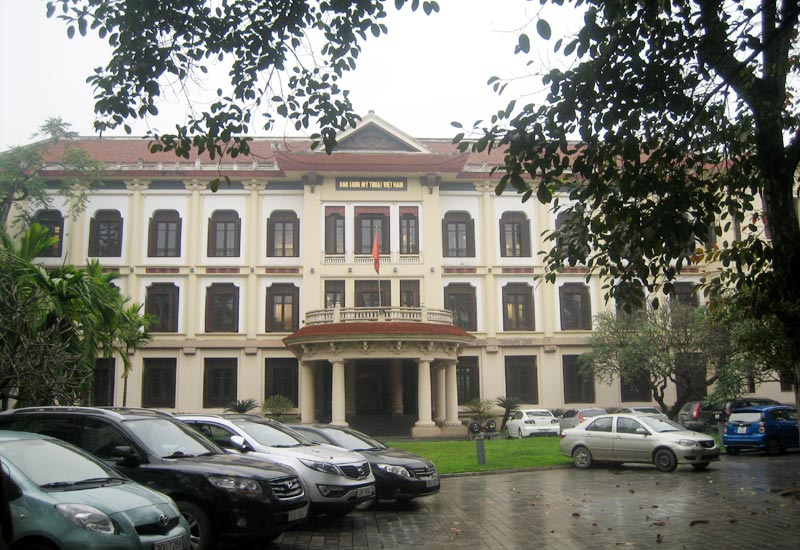
The Vietnam National Fine Arts Museum (Bao Tang My Thuat Viet Nam), located in Hanoi, is one of the most important cultural institutions in the country. With guidance from Asia Eyes Travel DMC Vietnam, visitors can fully explore its extensive collection of traditional and contemporary Vietnamese art, which showcases the nation’s rich artistic heritage. Here are the best things to do when visiting the museum:
Visiting the Vietnam National Fine Arts Museum is a rich cultural experience that provides a deep understanding of the country’s artistic history, from traditional forms to contemporary expressions. Whether you’re an art enthusiast or simply curious about Vietnamese culture, this museum offers something for everyone.
The museum features a wide array of traditional Vietnamese art, including paintings, lacquerware, sculptures, and ceramics from various periods of Vietnamese history.
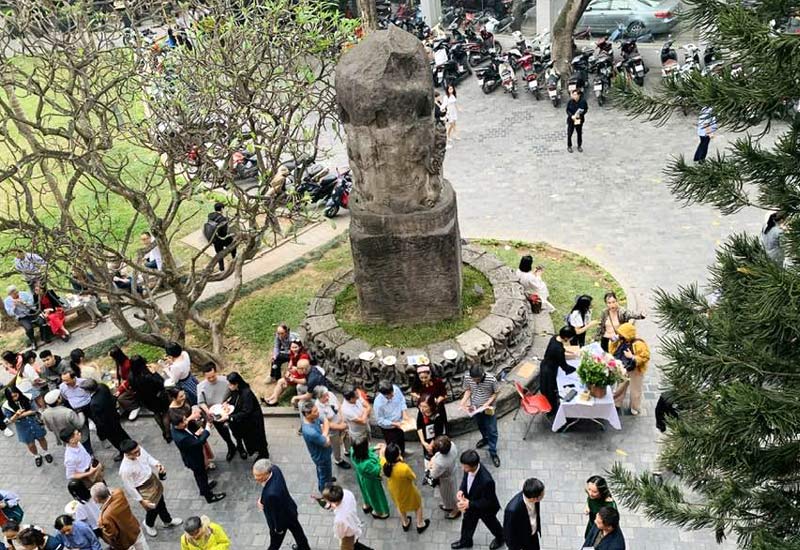
You can explore woodcut paintings, intricate silk paintings, and ancient bronze sculptures that highlight Vietnam’s artistic traditions. The artworks often depict scenes from Vietnamese history, folk legends, and everyday life, offering insights into the country’s cultural heritage.
Lacquer painting (son mai) is one of Vietnam's most distinctive art forms, and the museum has an impressive collection of lacquer artworks. The glossy and vibrant lacquer technique was historically used to decorate religious objects and later evolved into fine art. Some of the most famous lacquer paintings on display depict historical events, rural life, and landscapes. Be sure to spend time appreciating the craftsmanship involved in these intricate pieces.
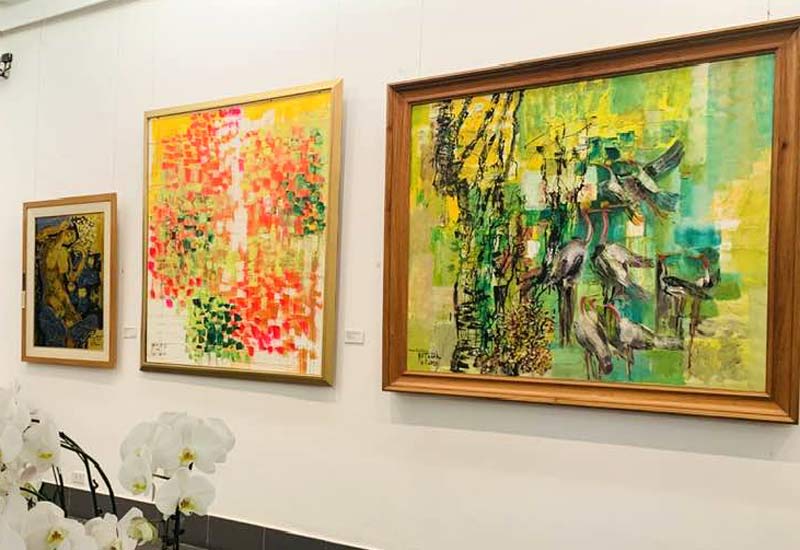
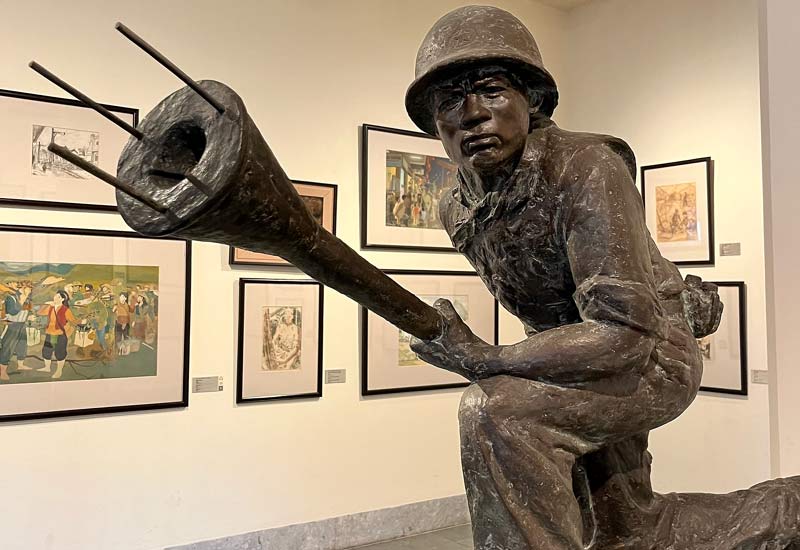
The museum features a significant collection of modern and contemporary Vietnamese art. This includes paintings, sculptures, and installations by 20th and 21st-century Vietnamese artists, reflecting themes of war, peace, nationalism, and social change. Some of the contemporary pieces challenge traditional artistic boundaries and provide a modern take on Vietnam’s cultural identity, making this section of the museum particularly thought-provoking.
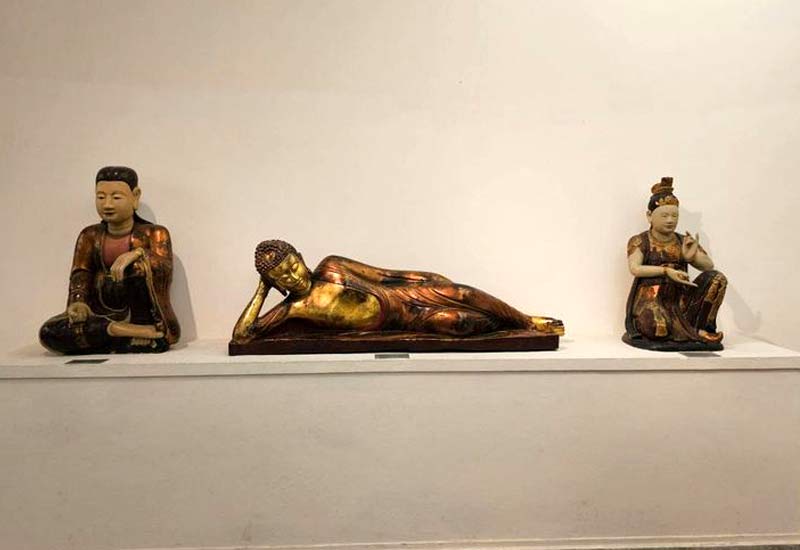
A prominent feature of the museum’s collection is Buddhist art. You’ll find many religious sculptures and paintings, including Bodhisattva statues, Buddha images, and altar pieces from temples around Vietnam. The museum’s collection of wooden Buddha statues, in particular, showcases the artistic and spiritual craftsmanship of Vietnamese artists, dating from various dynasties.
The museum has a dedicated section for art and artifacts from Vietnam’s ethnic minority groups, including the Tay, Nung, Hmong, and Dao people. These exhibits include textiles, handcrafted tools, masks, and ceremonial objects, each offering a glimpse into the cultural diversity of the country. This part of the museum is a fascinating opportunity to explore the different artistic expressions and traditions of Vietnam’s ethnic groups, many of which continue to thrive today.
The museum houses a unique collection of revolutionary art from the 20th century, particularly from the period of the Vietnam War (also known as the American War). These artworks were created by Vietnamese artists during times of conflict, portraying the resilience, struggles, and heroism of the Vietnamese people. The revolutionary art often includes posters, sketches, and paintings that document key moments in Vietnam’s fight for independence, with themes of patriotism, sacrifice, and unity.
Another highlight of the museum is its collection of Vietnamese textiles and traditional craftwork, including embroidery, woven items, and clothing from different regions of Vietnam. You can admire the detailed patterns and techniques used in traditional Vietnamese garments, such as the ao dai and brocade textiles, as well as intricate woven baskets and wood carvings from Vietnam’s rural communities.
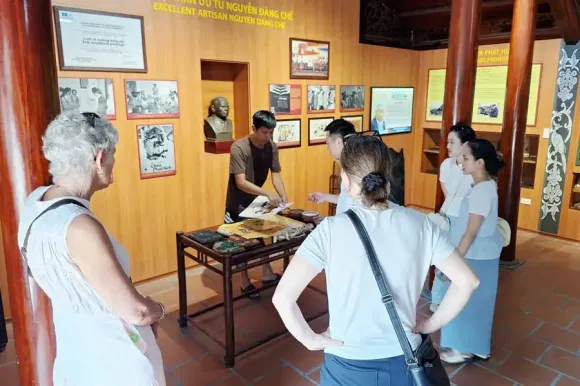
To fully appreciate the depth of the collection, consider joining a guided tour. Knowledgeable guides can provide context, explain the symbolism in the art, and share interesting stories about the artists and historical events depicted in the works. The tours often include in-depth information on the various dynasties, like the Ly, Tran, and Nguyen periods, and how these eras shaped Vietnamese art.
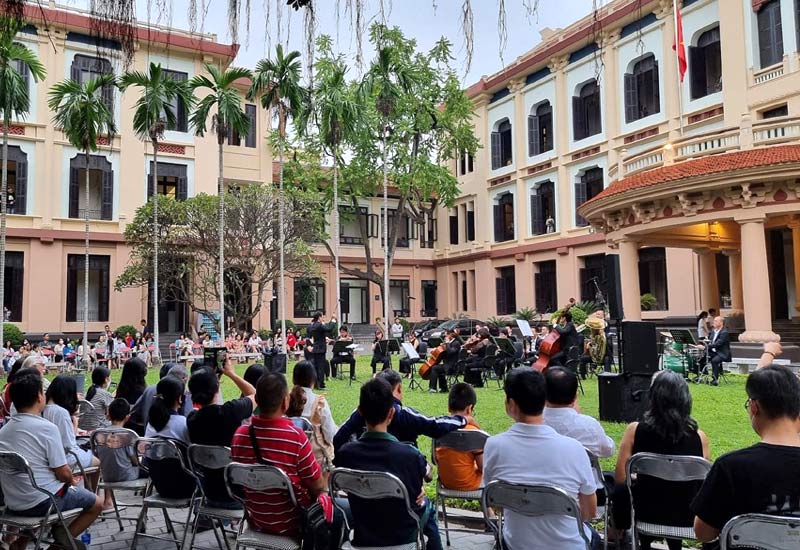
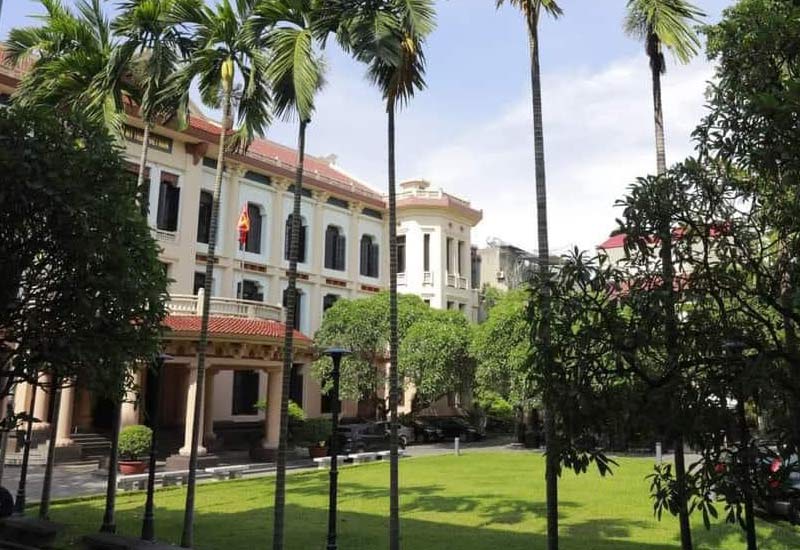
The Vietnam National Fine Arts Museum is housed in a colonial-era building that itself is worth admiring. The peaceful ambiance of the museum makes it a pleasant place to escape the hustle and bustle of Hanoi. The museum’s layout, with its wide halls and spacious galleries, allows for a comfortable exploration of the art at your own pace.
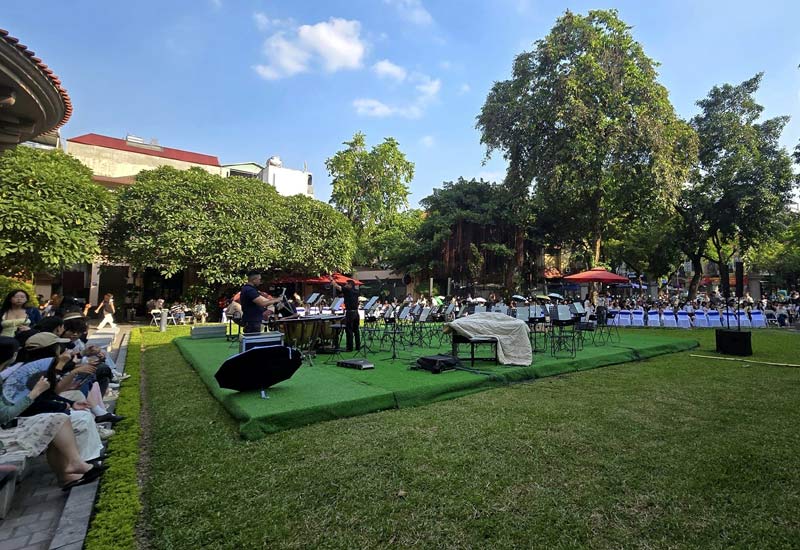
On occasion, the museum offers art workshops where visitors can learn traditional Vietnamese art techniques, such as lacquer painting or silk painting. These workshops provide a hands-on experience and allow visitors to connect more deeply with Vietnam’s artistic traditions. It’s a great way to get creative and leave with a self-made artwork inspired by Vietnamese techniques.
Dive into Vietnam’s rich artistic heritage at the Vietnam National Fine Arts Museum in Hanoi. Let Asia Eyes Travel DMC Vietnam guide you through its extensive collection of traditional and contemporary artworks, offering a deep insight into the country’s culture and creativity. Combine your cultural exploration with a curated Hanoi tours experience for a seamless and enriching visit to one of Hanoi’s must-see attractions.
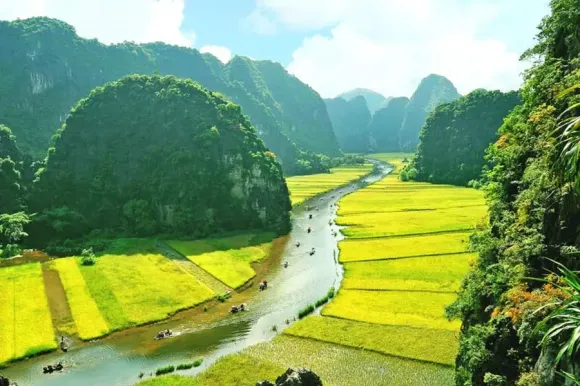
Private trip to Ninh Binh from Hanoi
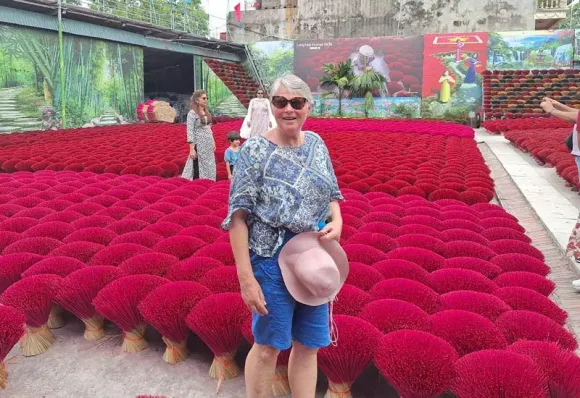
Hanoi Rural Craft Villages Tour
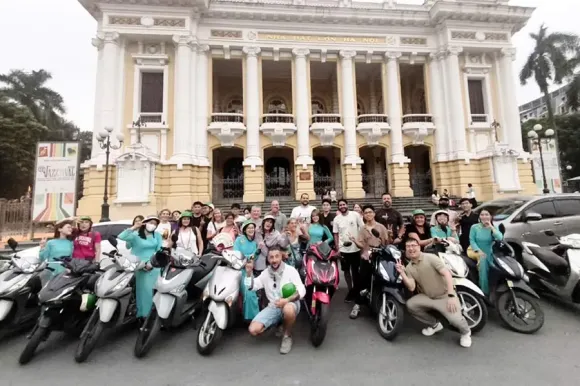
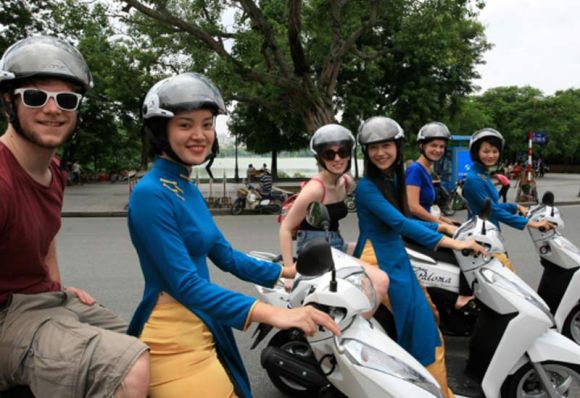
Hanoi Night Lights and Food Tour by Scooter with Female Drivers
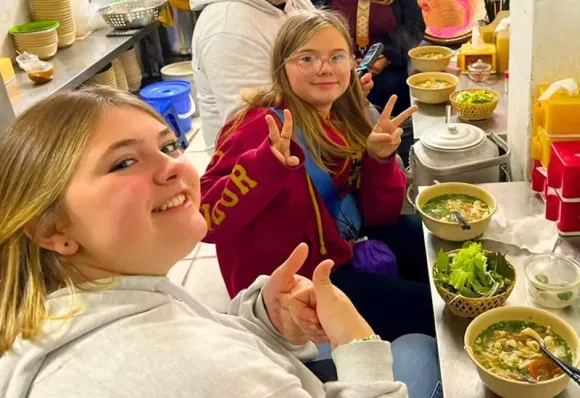
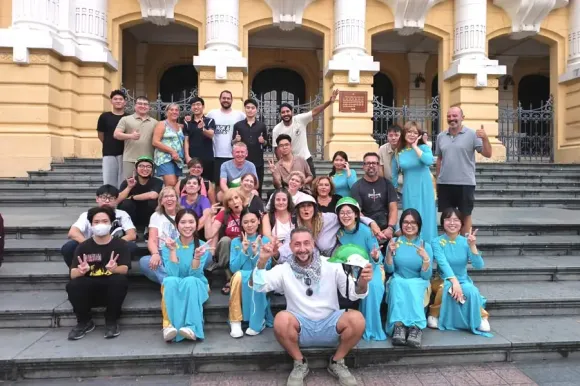
Hanoi Fabulous Food and Sights Tour by Scooter



, located in Hanoi, is one of the most important cultural institutions in the country. With guidance from Asia Eyes Travel DMC Vietnam, visitors can fully explore its extensive collection of traditional and contemporary Vietnamese art, which showcases the nation’s rich artistic heritage. Here are the best things to do when visiting the museum:&)