If you're looking for one of the most unforgettable road trips in Asia, the Ha Giang Loop should be at the top of your travel list. Along this legendary route, you'll encounter dramatic mountain passes, emerald rivers, breathtaking viewpoints, and authentic ethnic villages that make Ha Giang one of Vietnam's most rewarding destinations. In this guide, Asia Eyes Travel introduces the top 10 attractions in Ha Giang, featuring iconic landmarks and hidden gems that are often included in the best Ha Giang tours and North Vietnam Tours, helping you plan an unforgettable journey through Vietnam's northern highlands.
Towering above deep valleys and rugged limestone peaks, Ma Pi Leng Pass delivers one of the most dramatic landscapes in Vietnam. Every bend in the road reveals a new panorama, making it a favourite stop for photographers and anyone who appreciates extraordinary mountain scenery. On clear days, visitors can admire endless layers of rocky cliffs stretching towards the horizon, while the emerald waters of the Nho Que River shimmer far below. The combination of breathtaking viewpoints and winding roads has made Ma Pi Leng Pass an unforgettable highlight of any journey through Ha Giang.
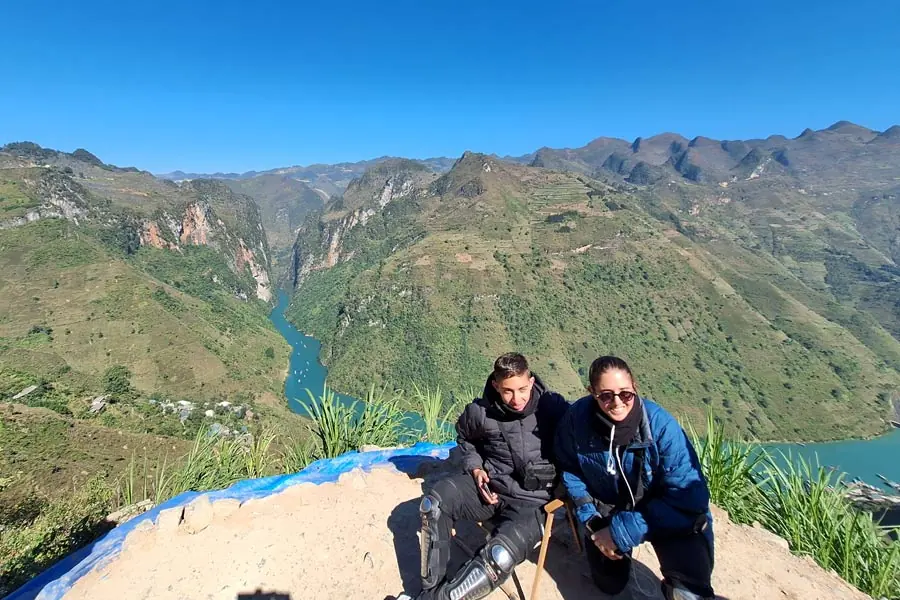
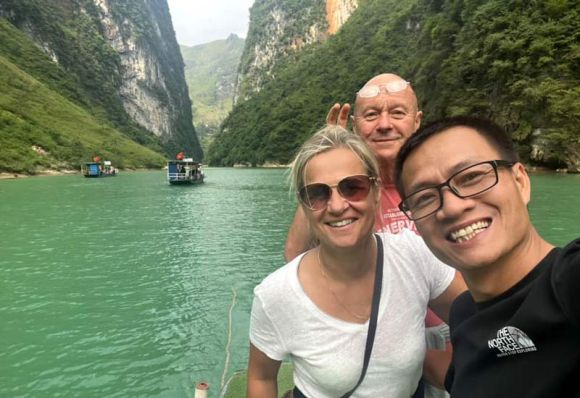
Hidden beneath towering cliffs, the Nho Que River winds peacefully through the magnificent Tu San Canyon, creating one of Ha Giang's most recognisable landscapes. Its calm emerald water contrasts beautifully with the surrounding grey limestone mountains, offering a scene unlike anywhere else in Vietnam. A leisurely boat trip provides the best opportunity to appreciate the canyon's impressive scale while enjoying the tranquillity of this remarkable river. The changing colours of the water throughout the day also make it one of the region's favourite locations for landscape photography.

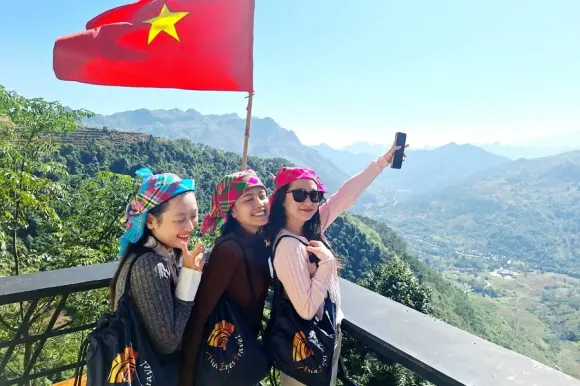
Standing at the northernmost point of Vietnam, Lung Cu Flag Tower is far more than a scenic viewpoint. It represents an important national symbol while rewarding visitors with sweeping views across mountains, valleys, and traditional villages near the border. Reaching the summit requires a short climb, but the scenery is well worth the effort. Just below the tower, the peaceful Lo Lo Chai Village offers another memorable stop, where traditional earthen houses and the welcoming Lo Lo community provide a fascinating insight into life in Vietnam's northern highlands.

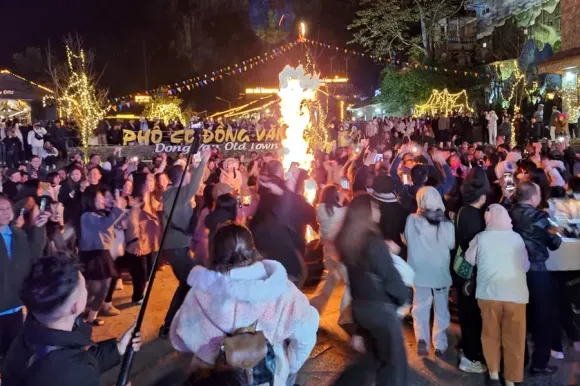
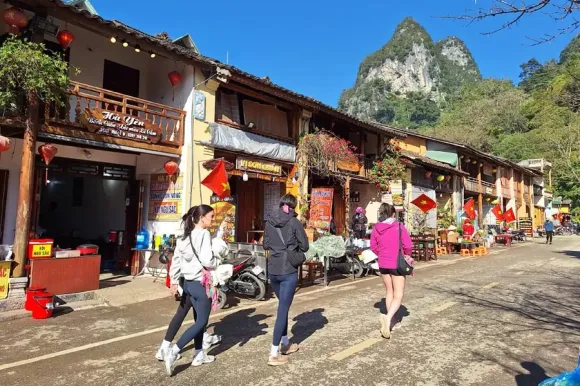
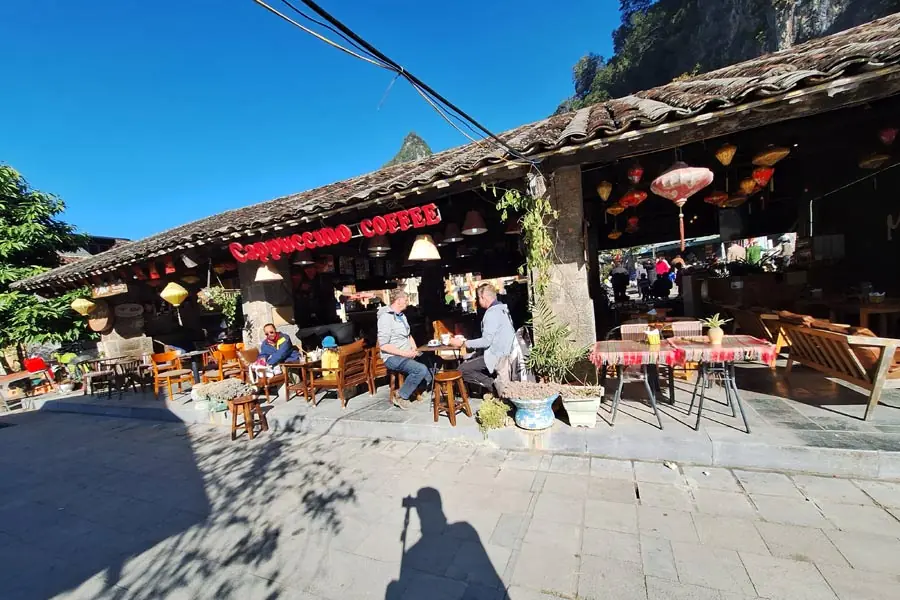
Stone houses, narrow streets, and colourful lanterns give Dong Van Old Quarter a timeless atmosphere that feels wonderfully different from Vietnam's modern cities. Many of the buildings have stood for more than a century, reflecting a unique blend of local, Chinese, and French influences. Small cafés, family-run restaurants, and traditional shops create a relaxed setting where visitors can slow down and enjoy everyday life in the mountains. If you visit during the weekend, the lively market brings even more colour and energy to this charming historic town.
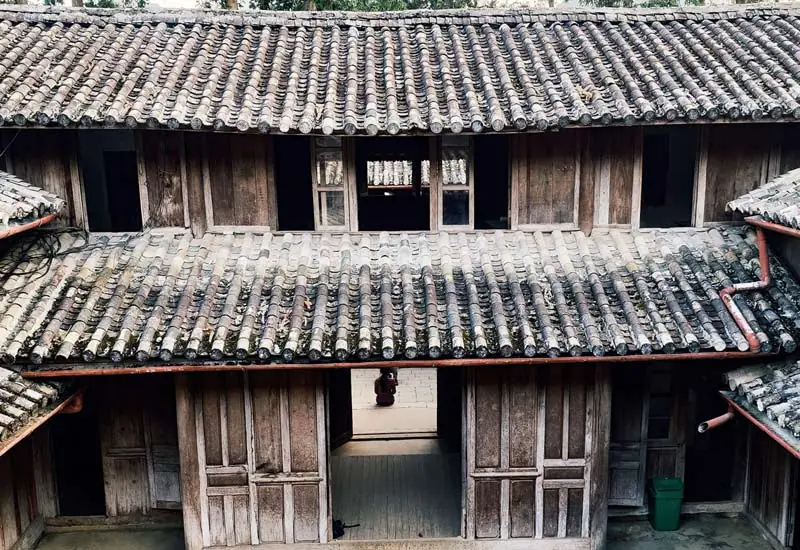
Nestled among ancient pine trees and limestone hills, the Hmong King's Palace tells the story of one of the most influential families in northern Vietnam. Built in the early twentieth century, the residence combines traditional Hmong craftsmanship with Chinese and French architectural styles, creating a distinctive design rarely seen elsewhere in the country. Walking through its stone courtyards, wooden halls, and carefully preserved rooms offers a fascinating glimpse into the region's history. The peaceful surroundings make the palace an ideal stop for visitors interested in both culture and architecture.
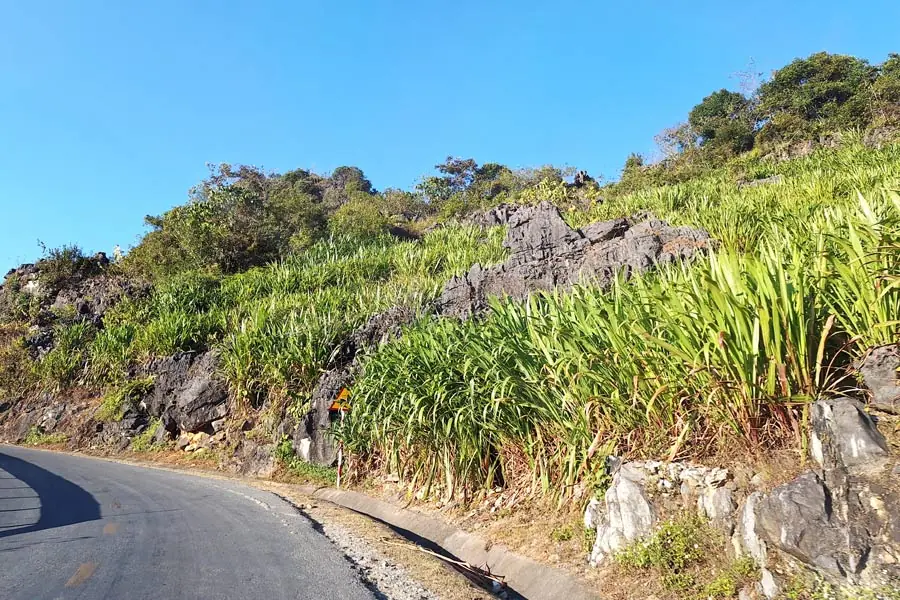
Recognised as a UNESCO Global Geopark, the Dong Van Karst Plateau is one of Southeast Asia's most extraordinary geological treasures. Towering limestone mountains, deep canyons, rocky valleys, and ancient fossil formations reveal a landscape that has evolved over hundreds of millions of years. Beyond its natural beauty, the plateau is home to diverse ethnic communities whose traditional villages and farming practices have remained closely connected to the surrounding environment. The combination of remarkable geology and living cultural heritage makes this region one of Vietnam's most fascinating destinations.
Perched high above a broad mountain valley, Quan Ba Heaven Gate welcomes visitors with one of the first panoramic views of Ha Giang's spectacular highlands. The viewpoint overlooks rolling limestone peaks, winding mountain roads, and the famous Quan Ba Twin Mountains, creating a breathtaking scene that changes beautifully with the seasons. Early morning often brings a blanket of mist drifting through the valley, while late afternoon offers warm golden light across the surrounding landscape. It is an ideal place to pause, breathe in the fresh mountain air, and appreciate the scenery before continuing deeper into the northern highlands.

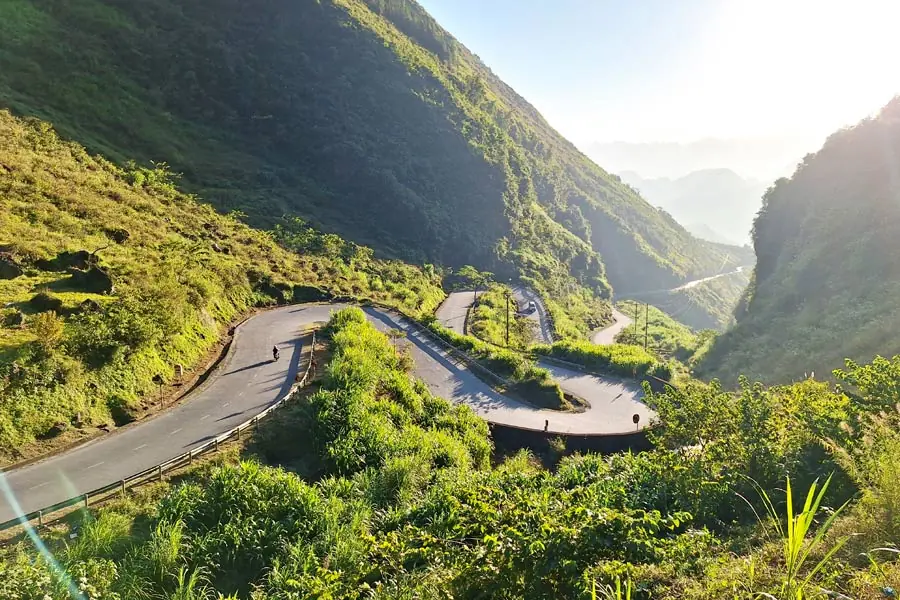
Few roads capture the spirit of Ha Giang quite like Tham Ma Pass. Its series of dramatic hairpin bends winds gracefully through limestone mountains, creating one of the province's most photographed viewpoints. The pass was once used by local traders to test the endurance of their horses before travelling across the rugged highlands. Today, travellers stop here to admire the sweeping mountain scenery and capture spectacular photographs from the viewpoint above. The constantly changing landscape around every corner makes Tham Ma Pass one of the most rewarding scenic drives in northern Vietnam.
Surrounded by forests and peaceful countryside, Du Gia Waterfall offers a refreshing escape from the winding mountain roads. Crystal-clear water flows into natural pools where visitors can swim, relax, or simply enjoy the tranquil atmosphere after a day of sightseeing. Unlike some of Ha Giang's more famous attractions, the waterfall remains quiet and unspoiled, making it an excellent place to slow down and connect with nature. The surrounding village, rice fields, and forested hills create a beautiful setting that is especially popular with photographers and travellers seeking a more peaceful side of Ha Giang.
Nestled among dramatic limestone mountains, Meo Vac is one of the most picturesque towns in Ha Giang and an important cultural centre for many ethnic communities. The town is best known for its colourful Sunday Market, where local people gather to trade livestock, fresh produce, handmade textiles, and traditional handicrafts. Beyond the market, visitors can wander through quiet streets, enjoy authentic local cuisine, and admire the surrounding mountain scenery. Meo Vac also serves as an excellent base for exploring nearby valleys and some of the region's most impressive viewpoints, making it a rewarding destination in its own right.

Looking for the perfect Ha Giang tour? Contact Asia Eyes Travel for personalized itineraries, expert local advice, and competitive travel prices. Our experienced team is ready to help you plan an unforgettable journey through Ha Giang and Northern Vietnam.
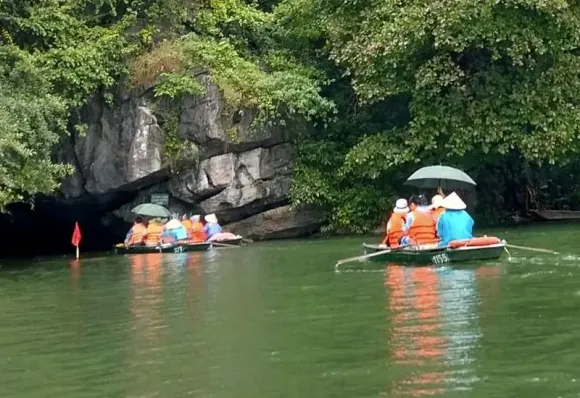
Northern Vietnam Tour 5 Days ( From Hanoi )
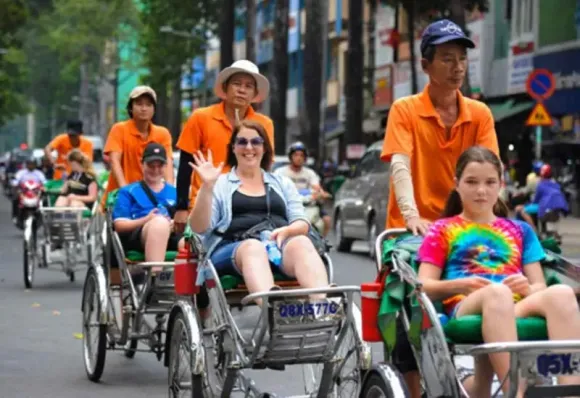
Discover Northern Vietnam 10 Days

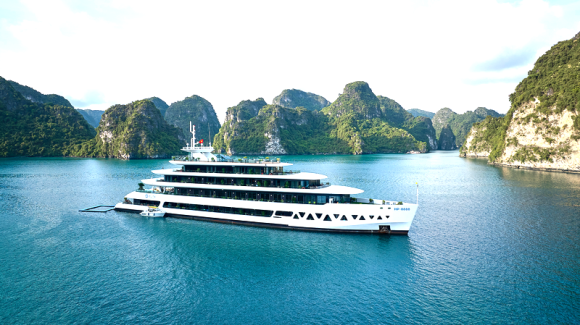
Authentic North Vietnam Tour 8 Days
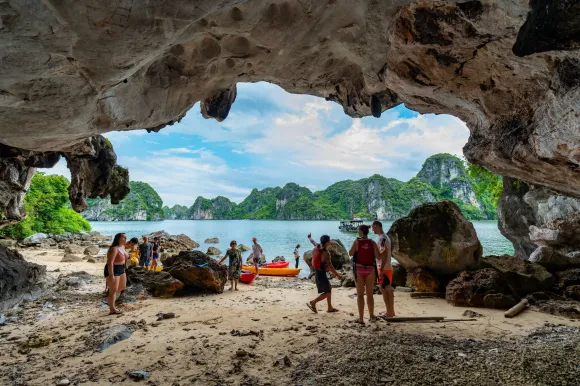
11-Day Northern Vietnam Tour Package
North Vietnam Itinerary 7 Days