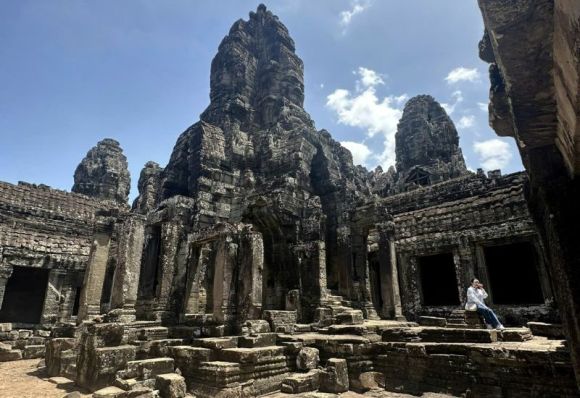
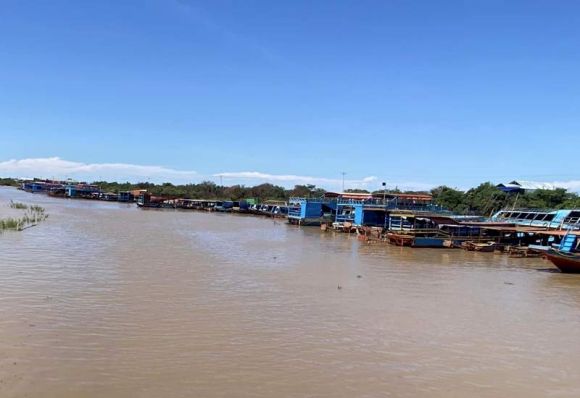
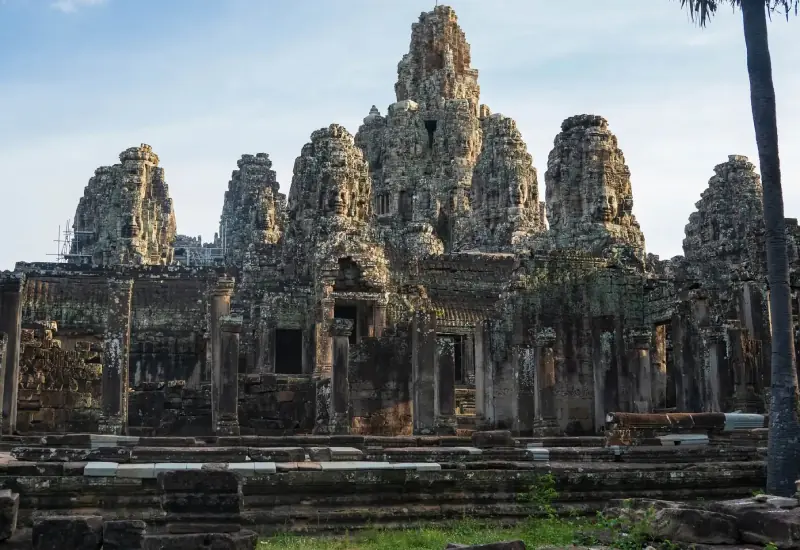
Top 10 Best Temples in Siem Reap offer a fascinating glimpse into the history, architecture, and religious heritage of the ancient Khmer Empire. From the iconic towers of Angkor Wat and the smiling stone faces of Bayon Temple to the tree-covered ruins of Ta Prohm and the intricate pink sandstone carvings of Banteay Srei, each temple showcases distinctive Khmer architecture and religious heritage. Discover ancient Hindu sanctuaries, Buddhist monasteries, detailed bas-reliefs, and sacred pyramid structures.
The temples of Siem Reap reflect the Khmer Empire’s rich history and religious traditions. Built between the 9th and 13th centuries, these monuments feature distinctive Khmer architecture, intricate stone carvings, towering structures, and symbolic designs influenced by Hinduism and Buddhism.
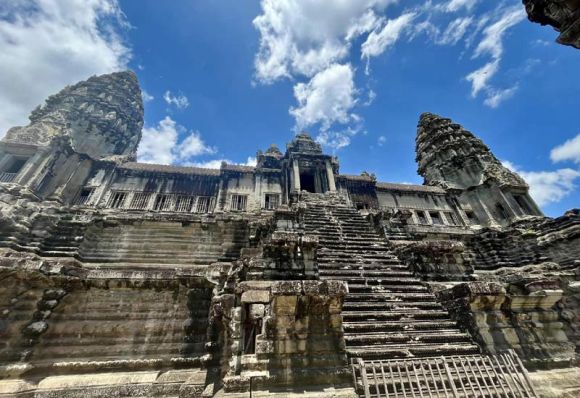
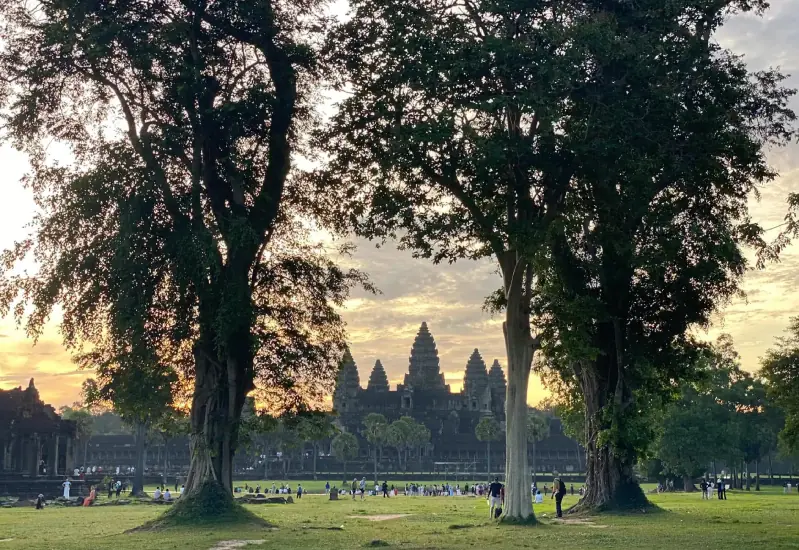
Angkor Wat is the most iconic of the Top 10 Best Temples in Siem Reap and the largest religious monument in the world.
Built in the 12th century under King Suryavarman II, it is celebrated for its five lotus-shaped towers, grand Khmer architecture, and intricate bas-relief carvings.
Originally dedicated to the Hindu god Vishnu, the temple later became an important Buddhist site. Recognized as part of the UNESCO-listed Angkor Archaeological Park, Angkor Wat is especially famous for its spectacular sunrise views and remains a must-visit attraction for anyone exploring Cambodia’s ancient temples.
Ta Prohm Temple is one of the most atmospheric temples in the Angkor Archaeological Park, known for its ancient stone ruins intertwined with enormous tree roots. Built in the late 12th century by King Jayavarman VII, it originally served as a Buddhist monastery and educational center.
Unlike many heavily restored monuments, Ta Prohm retains much of its overgrown appearance, creating a striking contrast between nature and Khmer architecture.
The temple also gained international recognition after appearing in Lara Croft: Tomb Raider, making it a favorite stop for photographers and history enthusiasts.
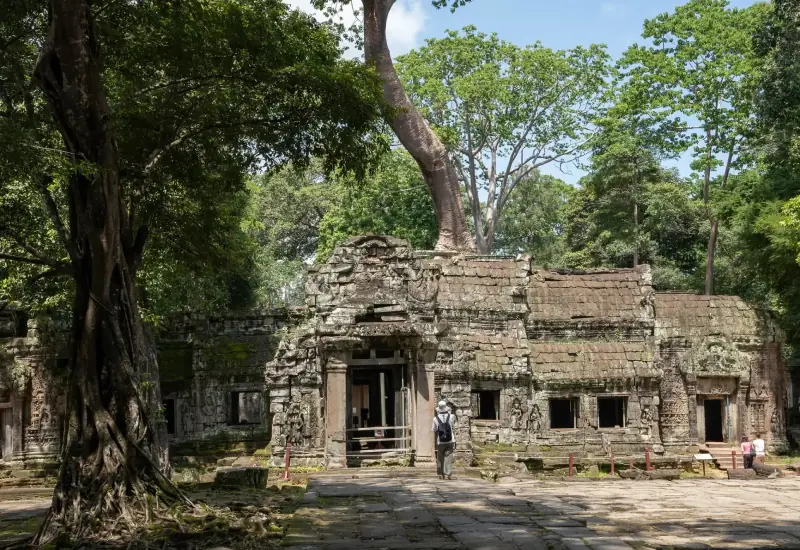
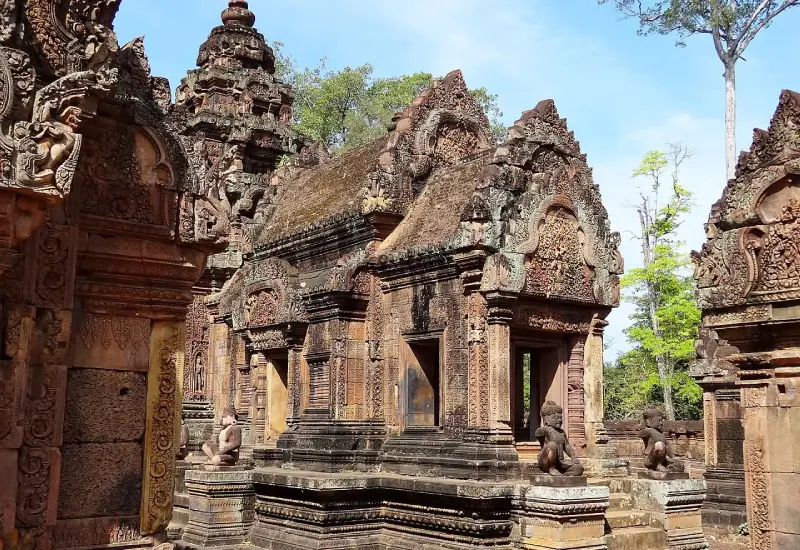
Banteay Srei Temple is renowned for its intricate pink sandstone carvings and exceptionally detailed Khmer architecture.
Built in the 10th century and dedicated to the Hindu god Shiva, it is often called the “Citadel of Women.” Located approximately 30 km northeast of Siem Reap, Banteay Srei offers a different architectural style from the larger temples near Angkor Wat. Its delicate carvings of Hindu deities, floral patterns, and mythological scenes make it one of Cambodia’s most impressive historical monuments and a rewarding day trip from Siem Reap.
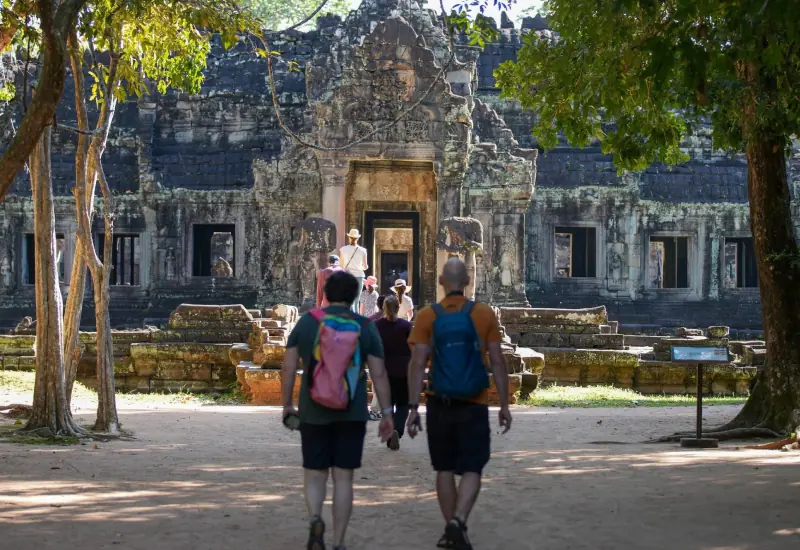
Preah Khan Temple is a sprawling complex in Angkor Archaeological Park, distinguished by its stone corridors, elaborate carvings, and tree-covered ruins.
Constructed in the 12th century under King Jayavarman VII, it served as a Buddhist monastery and educational center.
The complex combines Buddhist and Hindu influences, reflecting the religious diversity of the Khmer Empire. Its long passageways, peaceful courtyards, and partially reclaimed structures provide an atmospheric setting for visitors interested in the history and architecture of the Angkor temples.
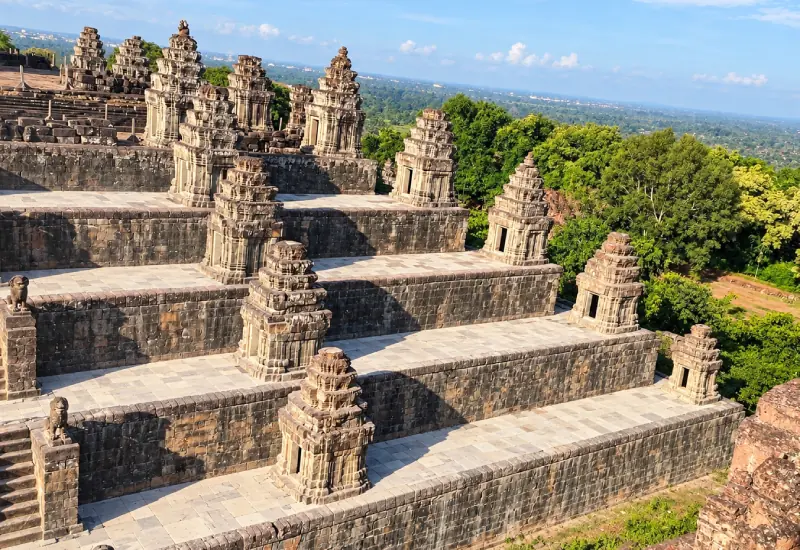
Phnom Bakheng Temple is a hilltop monument known for its panoramic views of Angkor Wat and popular sunset scenery.
Built in the late 9th century under King Yasovarman I, it served as the state temple of the Khmer capital before Angkor Wat was constructed.
Dedicated to Shiva, Phnom Bakheng features a stepped pyramid design representing Mount Meru, the sacred center of the Hindu universe. Its elevated position and early Khmer architectural style make it a distinctive stop for travelers exploring the historical temples of Siem Reap.
Banteay Kdei Temple is a peaceful Buddhist complex in Angkor Archaeological Park, featuring weathered stone galleries, ornate doorways, and quiet courtyards.
Built in the late 12th century under King Jayavarman VII, it served as a Buddhist monastery. Compared with Angkor Wat and Bayon, Banteay Kdei often provides a calmer atmosphere for exploring ancient Khmer architecture. Its atmospheric ruins and detailed stonework make it a worthwhile addition to a temple itinerary, particularly for travelers who want to experience lesser-visited Angkor temples.
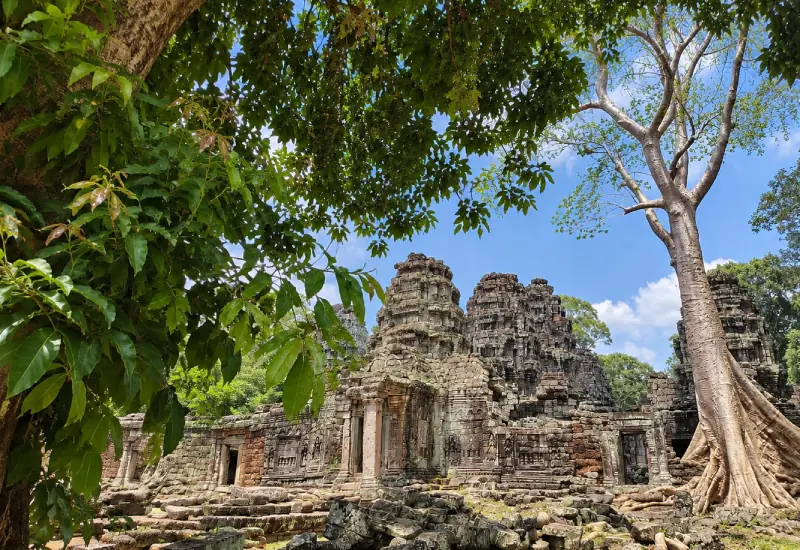
Ta Som Temple is a compact yet memorable monument in Angkor Archaeological Park, best known for its eastern gateway embraced by the enormous roots of a fig tree.
Built in the late 12th century under King Jayavarman VII, the temple reflects the architectural style of the Bayon period. Its narrow passageways, detailed stone carvings, and striking tree-covered entrance make it a rewarding stop for visitors exploring the Top 10 Best Temples in Siem Reap.
Ta Som is especially appealing to photographers interested in the relationship between nature and ancient Khmer architecture.
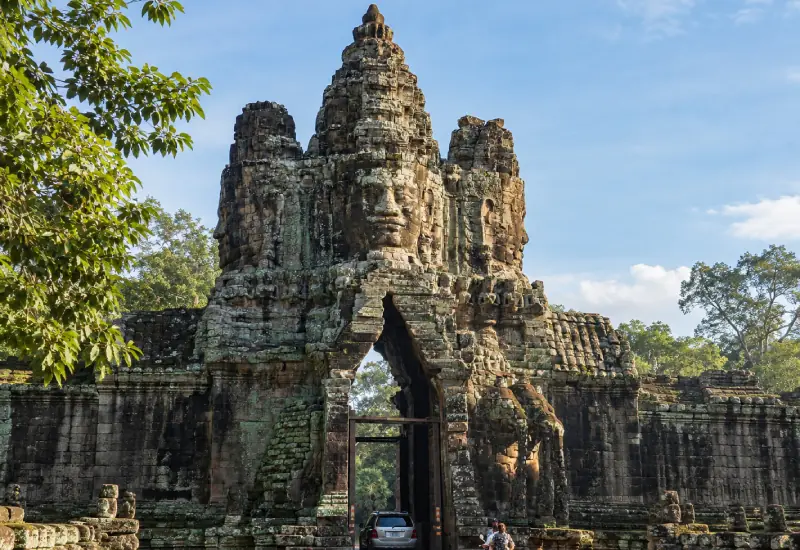
East Mebon Temple is a 10th-century Hindu monument recognized for its tiered structure, detailed carvings, and impressive stone elephant sculptures.
Built under King Rajendravarman II, it originally stood on an island in the East Baray reservoir, which is now largely dry. Dedicated to Shiva, East Mebon represents the architectural traditions of the early Angkor period. Its brick towers, elevated terraces, and sculpted elephants provide a fascinating glimpse into the Khmer Empire’s religious beliefs and engineering achievements.
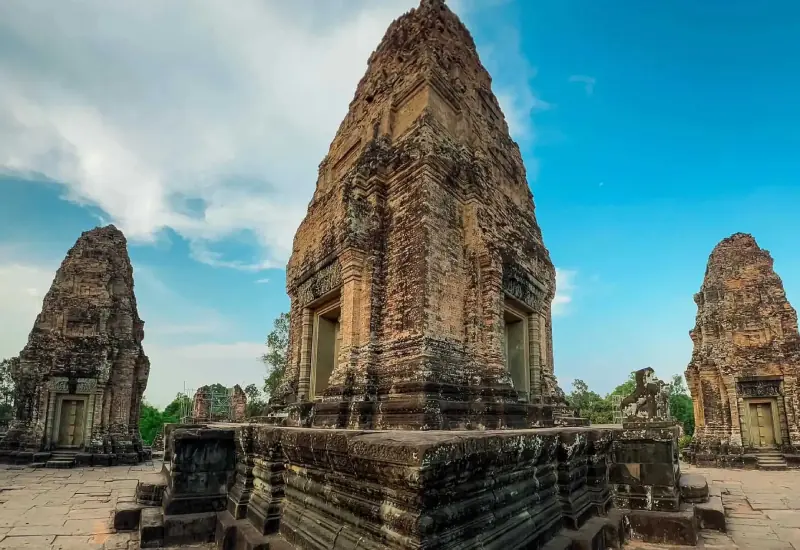
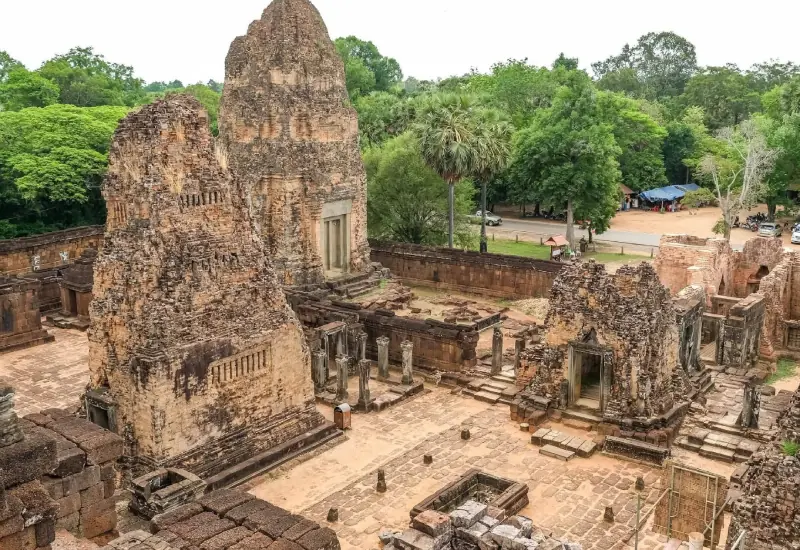
Pre Rup Temple is a striking brick-and-laterite monument known for its stepped pyramid structure and reddish stone towers.
Built in the 10th century under King Rajendravarman II, it was dedicated to Shiva and served as a state temple. Its steep stairways and layered terraces reflect the grandeur of early Khmer architecture, while its elevated position offers expansive views of the surrounding landscape.
Pre Rup is a popular stop on the Angkor temple circuit, particularly for visitors interested in ancient Hindu temples and sunset photography.
The best time to visit temples in Siem Reap is from November to February, when the weather is cooler and drier, making it ideal for exploring Angkor Wat, Angkor Thom, and Bayon Temple. Visit early in the morning to enjoy beautiful sunrise views, avoid the midday heat, and experience the temples in a peaceful atmosphere. March to May is hotter, while June to October brings more rain and lush green landscapes. Contact us for a personalized Siem Reap tour itinerary, the latest tour prices, and special offers.
Angkor Pass: The standard prices are US$37 for one day, US$62 for three days, and US$72 for seven days. Check current details and purchase tickets through the official Angkor Enterprise website.
Opening Hours: Most Angkor temples open between 5:00 AM and 6:30 PM, depending on the site. Angkor Wat opens early for sunrise visits, while other temples generally open later
Plan Your Route: Combine Angkor Wat, Bayon, and Ta Prohm on a classic Angkor temple itinerary. Allow extra travel time for Banteay Srei, located outside the main temple circuit.
Hire a local guide: A knowledgeable guide can explain Khmer history, religious symbolism, and architectural details.
Dress Code: Wear clothing that covers your shoulders and knees when visiting sacred sites. Comfortable walking shoes, sunscreen, and drinking water are also recommended.
Explore Angkor’s ancient wonders and the surrounding countryside with these Asia Eyes Travel experiences:
Discover the Top 10 Best Temples in Siem Reap with Asia Eyes Travel DMC Vietnam. From private guided visits to customized Cambodia travel packages, our team can help you plan an itinerary that suits your interests, schedule, and budget.
Contact Asia Eyes Travel to compare tour options, check availability, and plan your Angkor temple adventure today.
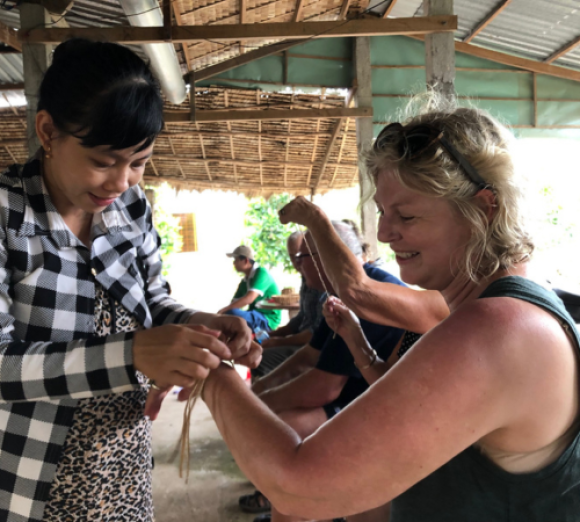
Journey Through Siem Reap and Battambang 7 Days
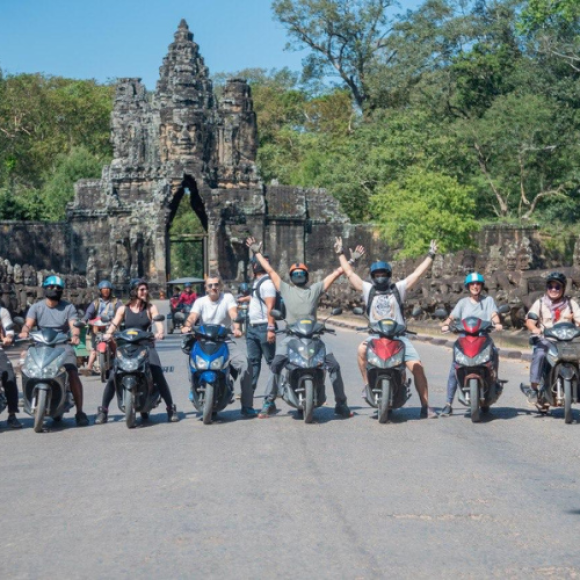
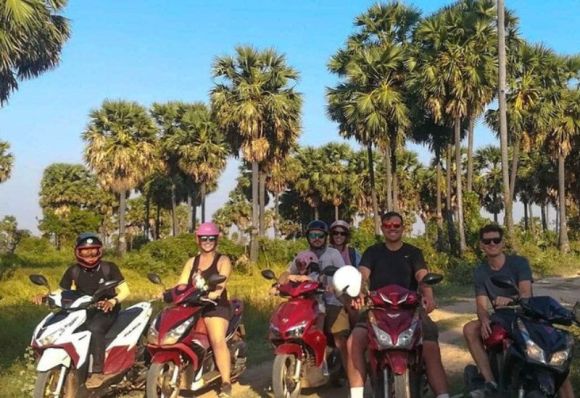
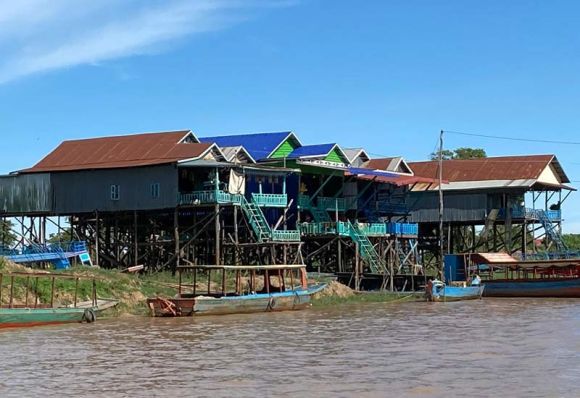
Siem Reap Scooter Tour - Kampong Phluk Floating village